Loading video…


 31 Concepts
 6.3K views

Video Summary: Integrated Marketing Communications for Services Explained
Service-based companies face fragmented customer touchpoints across multiple channels, making unified messaging critical for brand consistency and ROI optimization. Integrated marketing communications services provide a structured framework for coordinating messaging across all customer interactions. Companies like American Express leverage this approach to align their premium positioning across digital advertising, customer service interactions, and partnership communications. This systematic process helps organizations maximize marketing efficiency while building stronger customer relationships. Watch the full video on JoVE Coach to master this concept with expert-led visuals and step-by-step explanations.
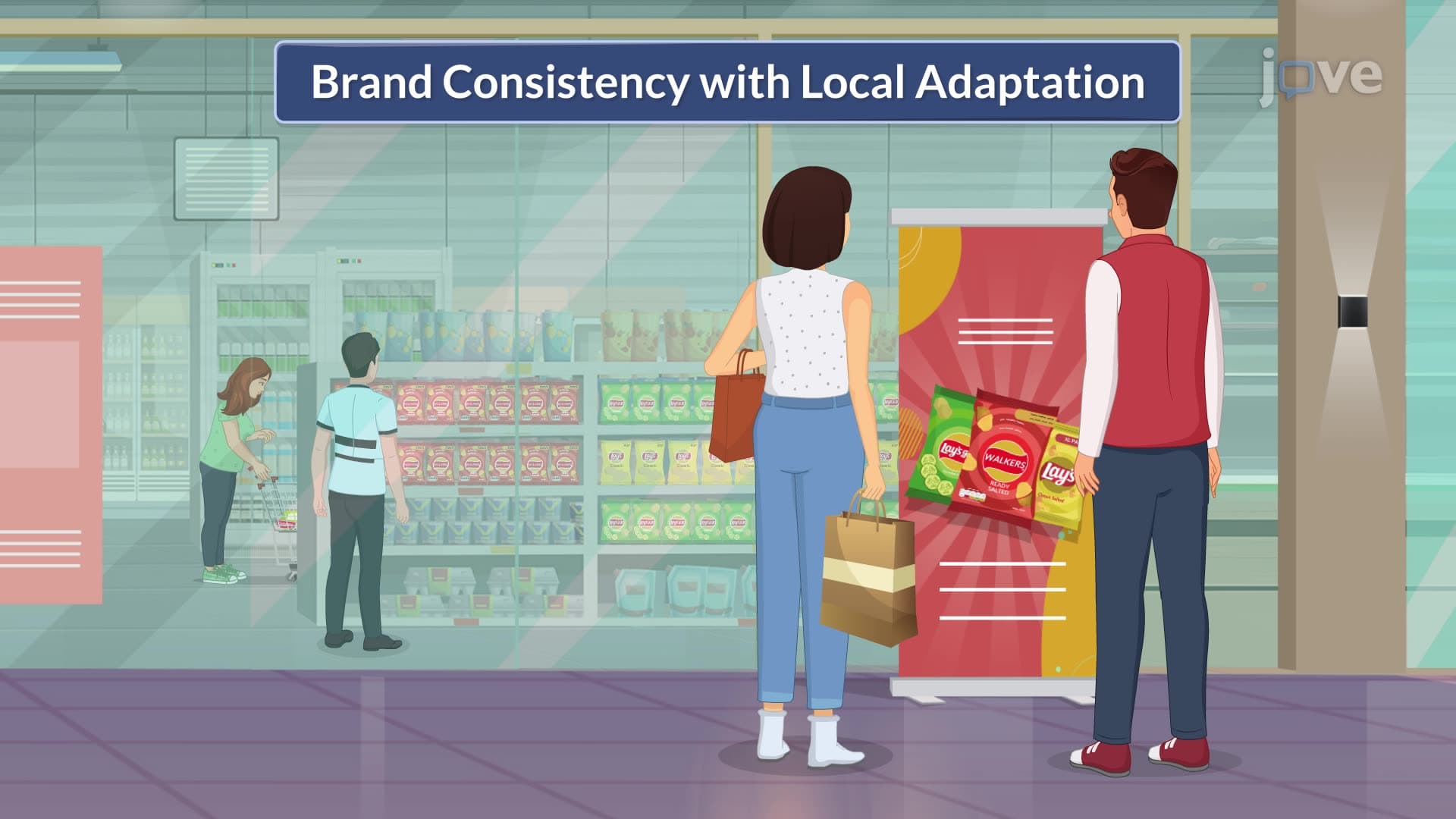
In today's fragmented media landscape, service companies face unprecedented challenges in maintaining consistent brand messaging across dozens of customer touchpoints. A Fortune 500 hospitality CEO recently noted that their brand appeared differently across 47 distinct channels-creating confusion and diluting their premium positioning. Integrated marketing communications for services addresses this complexity by providing a systematic approach to coordinate all customer-facing communications.
Professional service firms and B2B companies must navigate sophisticated buyer journeys involving multiple decision-makers. McKinsey & Company, for instance, tailors its thought leadership content differently for C-suite executives versus operational managers, while maintaining consistent core brand values. This segmentation requires understanding not just demographic data, but behavioral patterns, pain points, and decision-making processes unique to each segment.
The strategic implications extend beyond marketing efficiency. Companies implementing integrated approaches typically see 20-30% improvements in marketing ROI because messaging resonates more effectively with intended audiences. This alignment also reduces customer acquisition costs by eliminating redundant or conflicting communications that confuse prospects.
Senior marketing leaders face increasing pressure to justify every dollar spent while expanding across new digital channels. Integrated communications requires sophisticated portfolio management-balancing high-reach awareness channels with targeted conversion-focused tactics. Goldman Sachs, for example, coordinates institutional advertising with highly targeted LinkedIn campaigns for wealth management prospects, ensuring each channel reinforces rather than competes with others.
The financial services sector demonstrates how channel integration impacts customer lifetime value. Banks implementing coordinated digital and relationship manager communications see significantly higher cross-selling success rates because customers receive consistent value propositions regardless of touchpoint.
Modern integrated strategies demand real-time performance monitoring across channels. Marketing leaders must establish attribution models that capture cross-channel influence, not just last-click conversions. This analytical complexity requires new competencies in data interpretation and strategic adjustment-skills increasingly valued in senior marketing roles.
Companies excelling at integrated communications typically establish quarterly strategic reviews where channel performance, message effectiveness, and competitive positioning receive equal scrutiny. This systematic approach enables rapid adaptation to market changes while maintaining strategic coherence.
Related Micro-courses