Loading subject page…


6,267 views

Video Summary: What Is Service Consumption
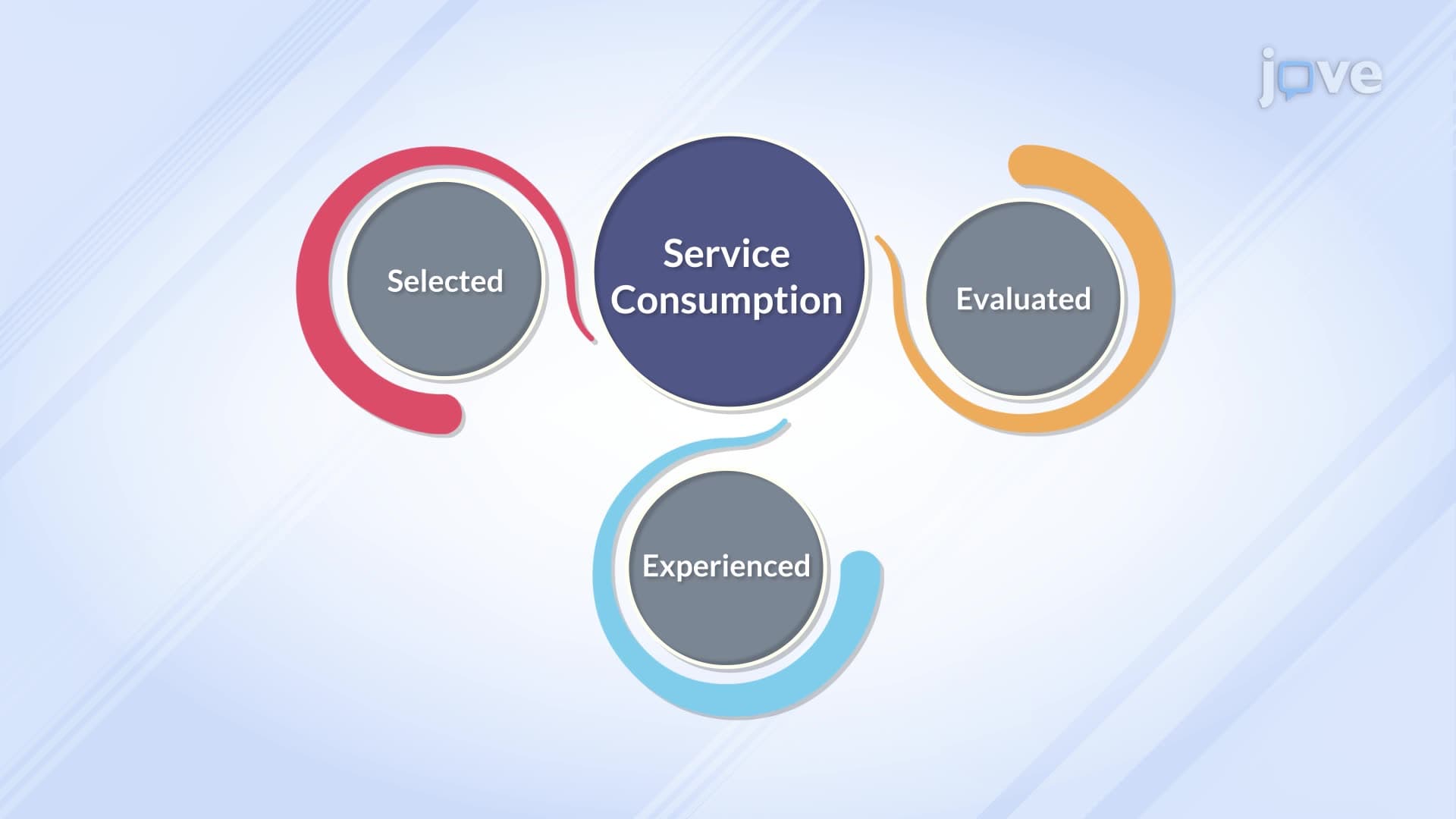
Service consumption drives over 80% of US GDP, making it critical for business leaders across industries. Understanding service consumption-how customers select, experience, and evaluate services-directly impacts customer retention strategies at companies like Southwest Airlines, where the three-stage consumption model influences everything from booking platforms to post-flight follow-up. This framework helps managers optimize touchpoints, improve service delivery, and build competitive advantage through superior customer experiences. Watch the full video on JoVE Coach to master this concept with expert-led visuals and step-by-step explanations.
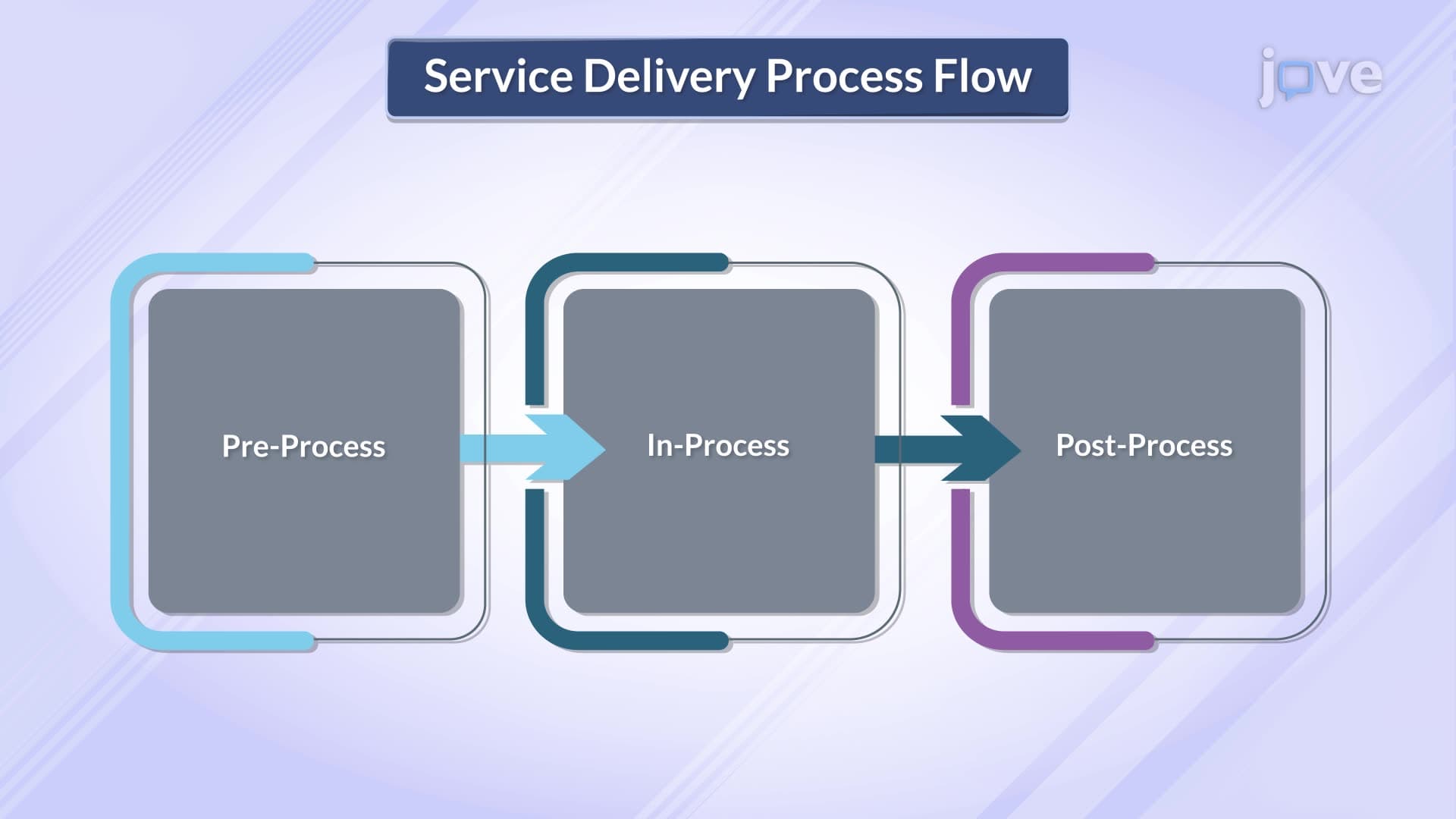
Service consumption represents a fundamental framework that drives customer behavior across the $16 trillion US service economy. For business leaders, mastering this concept means understanding how customers navigate the complete service experience-from initial need recognition through final evaluation. This knowledge directly translates to improved customer acquisition costs, higher retention rates, and stronger competitive positioning.
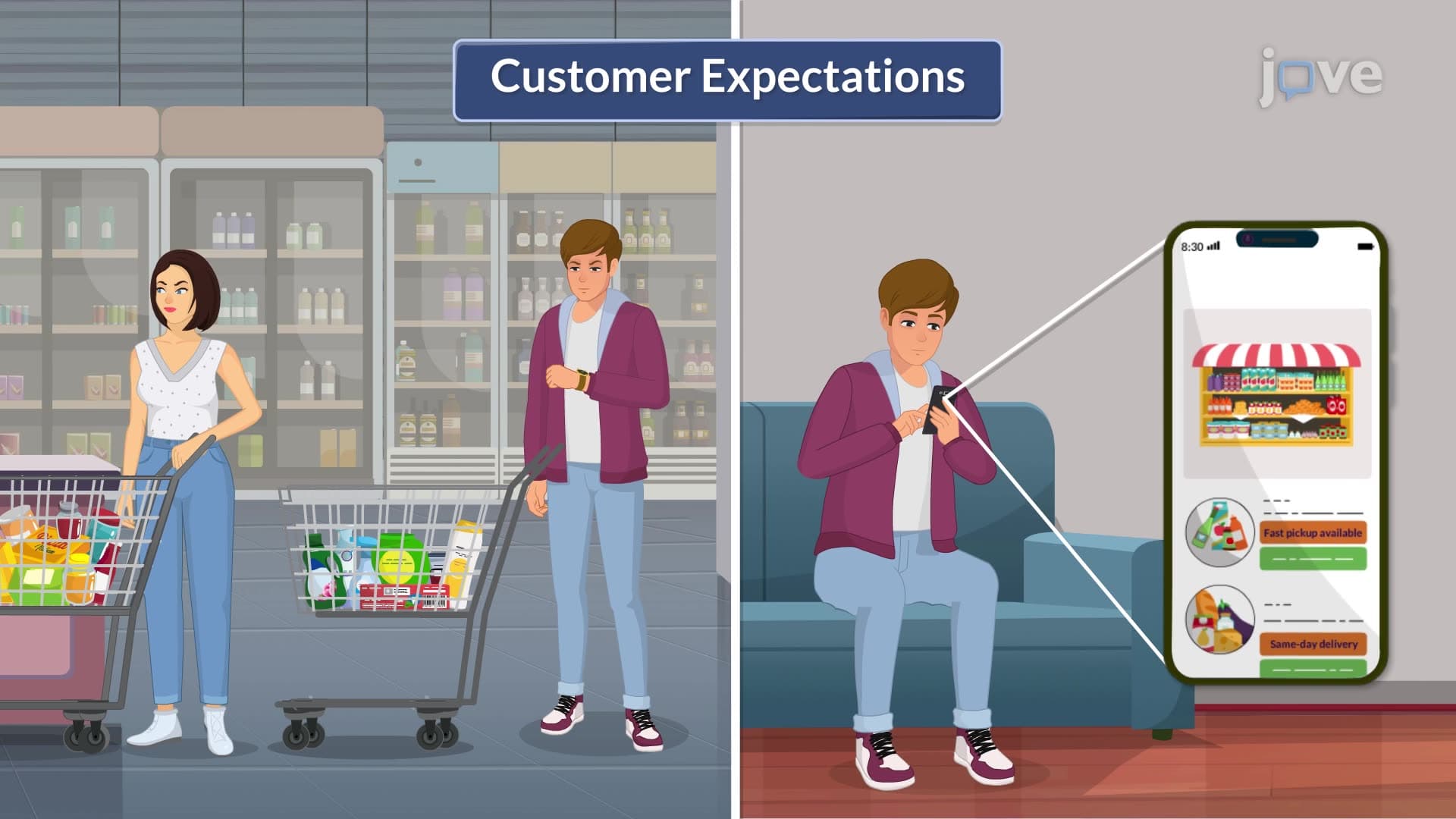
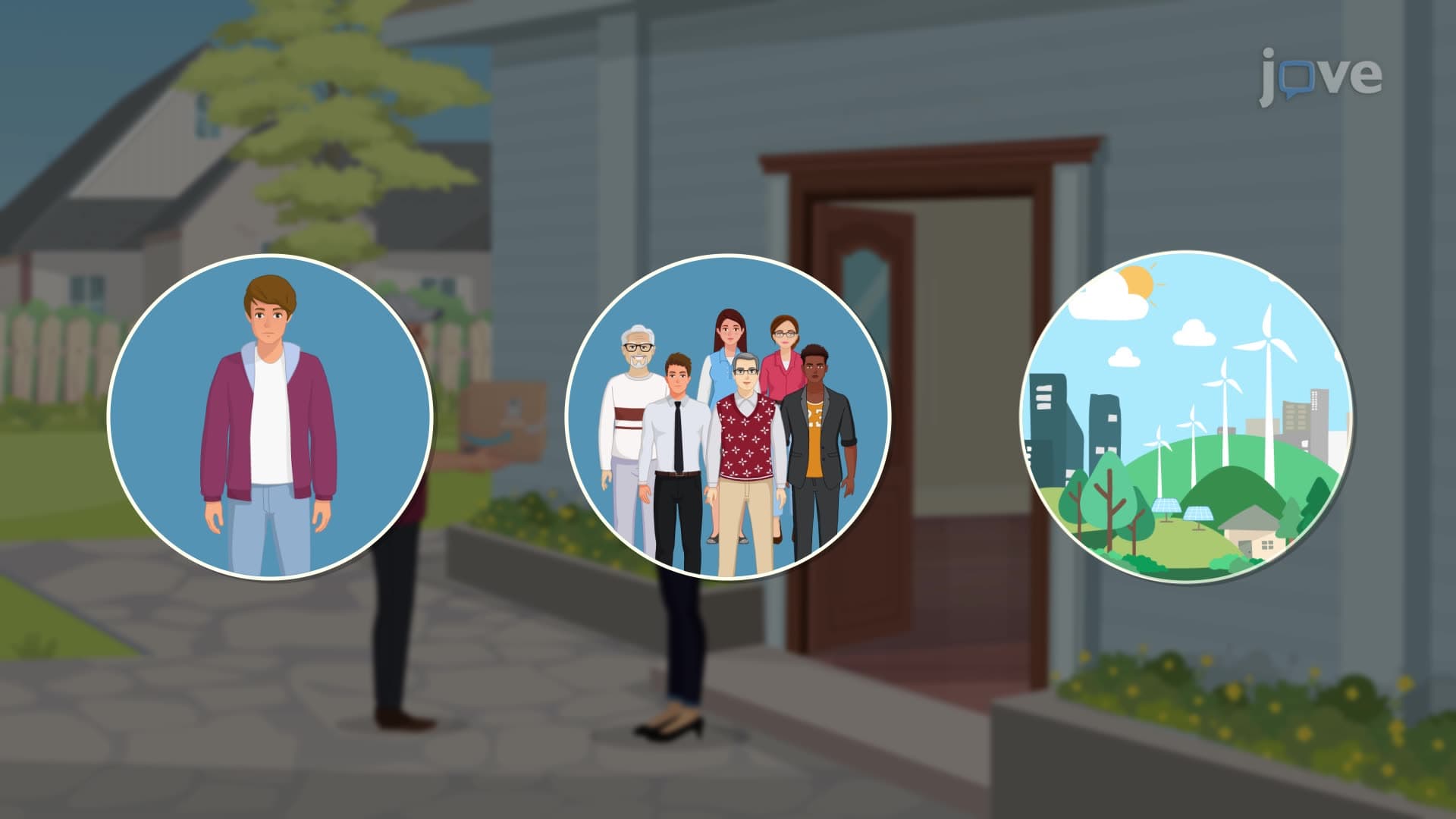
The pre-purchase stage presents the greatest opportunity for competitive differentiation. When customers identify service needs, they enter an information-gathering phase that smart companies can influence through strategic positioning. Amazon Web Services exemplifies this mastery-their extensive documentation, case studies, and referral programs systematically address every pre-purchase concern that enterprise clients might have. Business leaders must recognize that this phase determines not just whether customers choose your service, but also their expectations for the entire relationship.
Successful companies invest heavily in this phase because acquisition costs here are typically 60-70% lower than post-purchase retention efforts. The key lies in understanding that customers aren't just comparing features-they're evaluating trust, reputation, and perceived risk reduction.
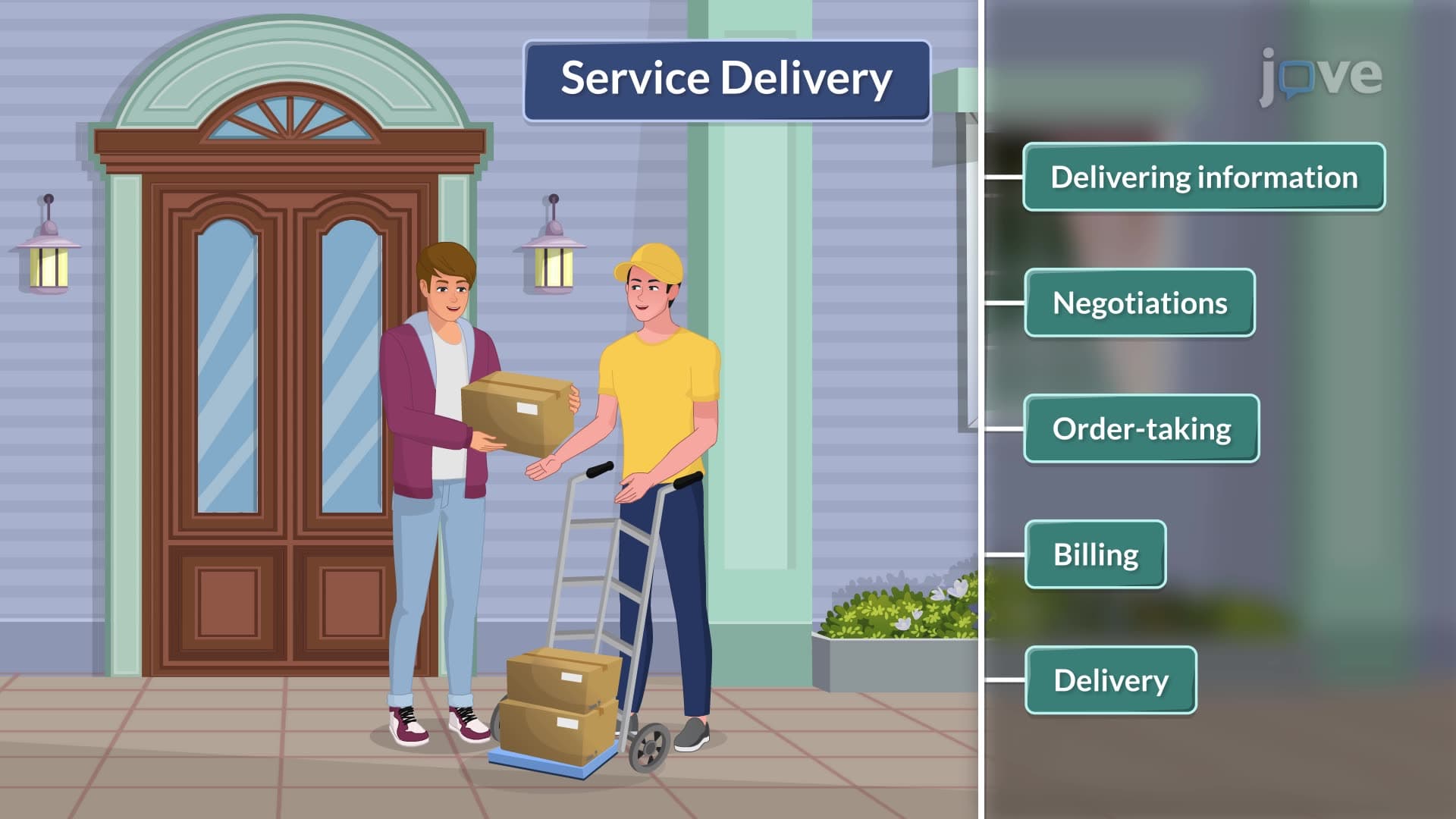
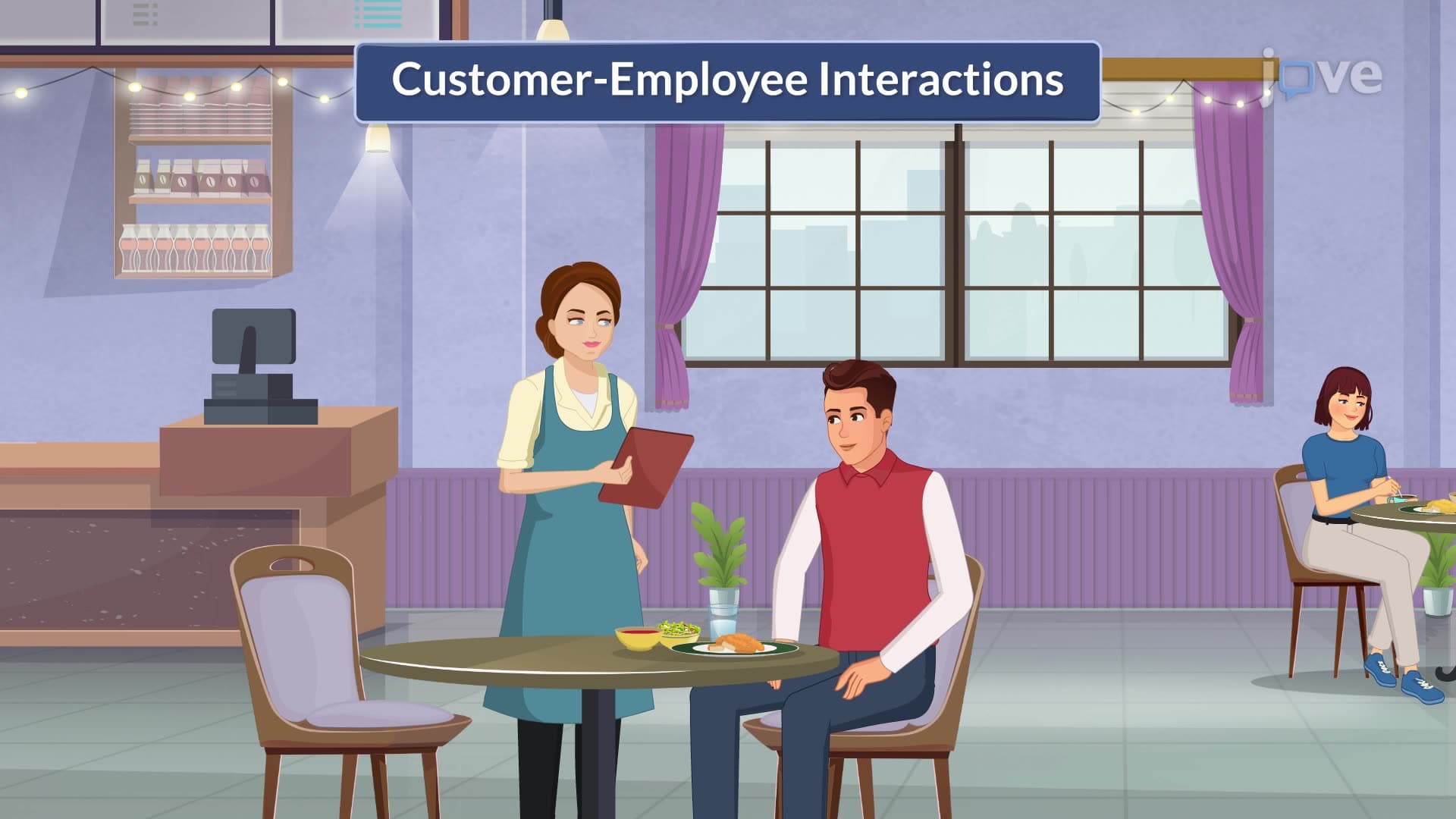
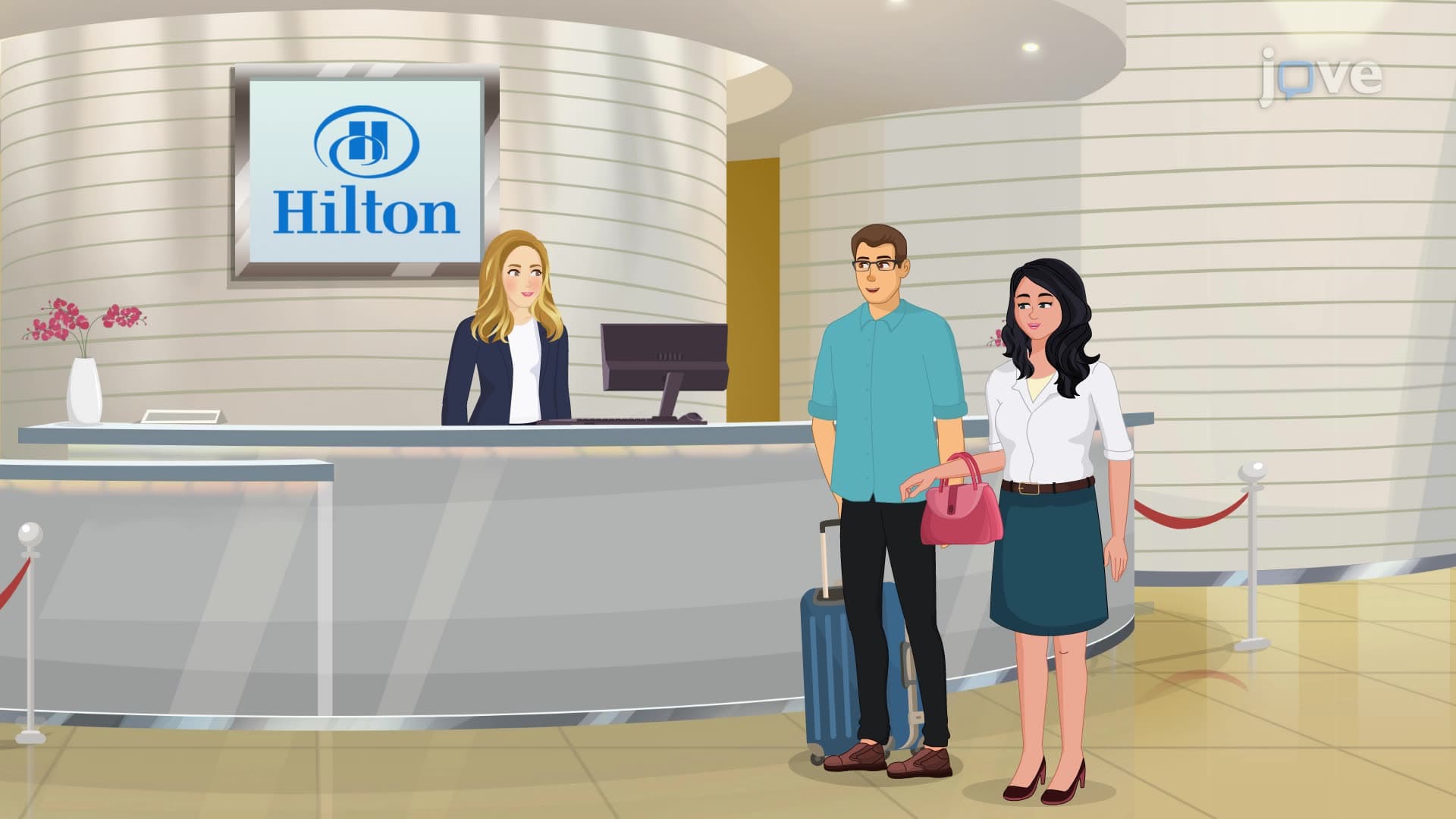
The service encounter phase directly impacts your bottom line through operational efficiency and customer satisfaction scores. At this stage, every employee interaction, system performance, and environmental factor shapes customer perception and willingness to pay premium prices. Ritz-Carlton's service delivery standards demonstrate how systematized service encounters can justify 200-300% price premiums over competitors.
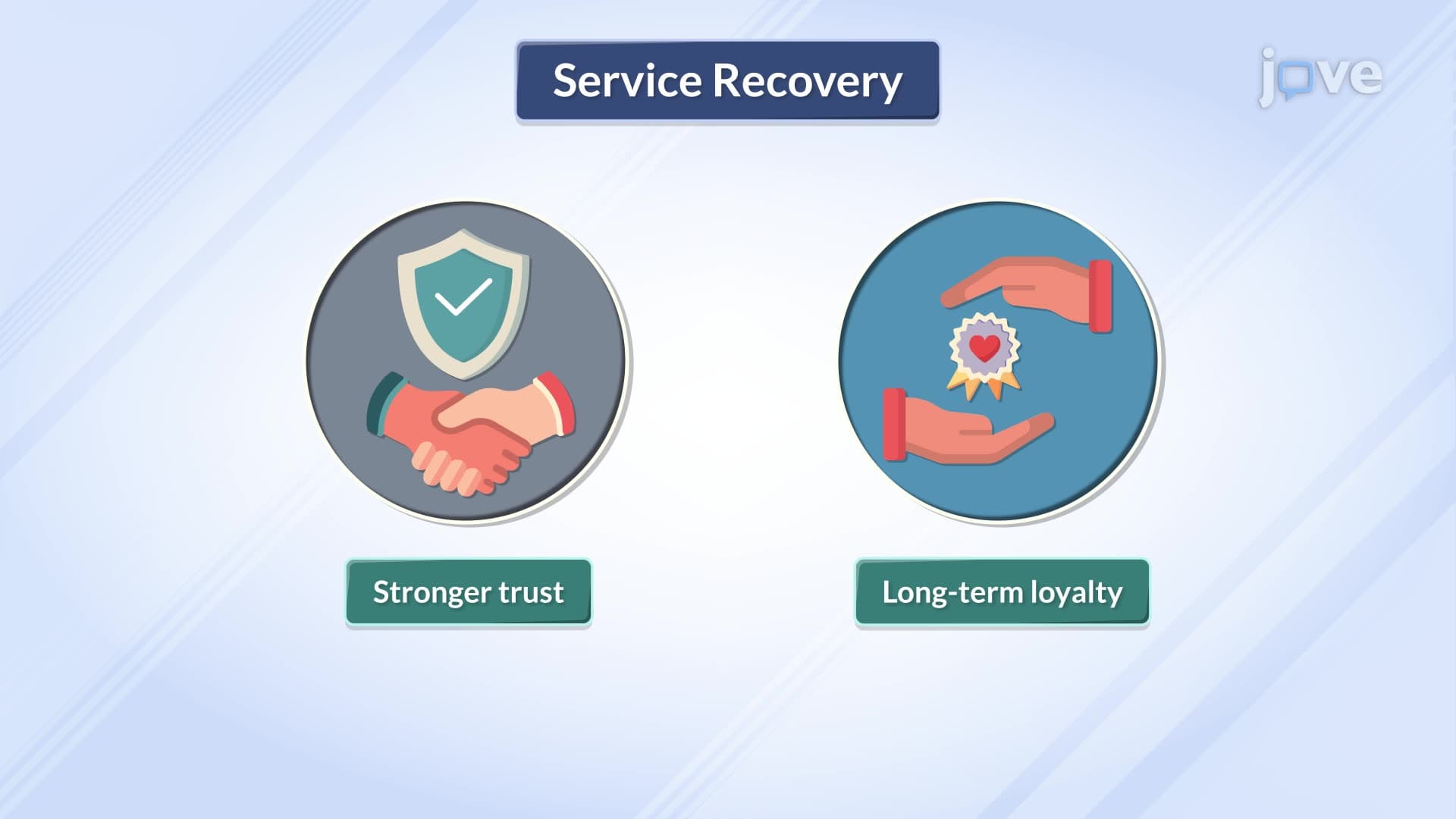
For managers, this phase requires balancing operational efficiency with experience quality. The most successful service organizations treat every customer interaction as a brand investment, understanding that service recovery at this stage costs significantly less than customer replacement.
The post-encounter phase determines customer lifetime value and organic growth through referrals. Companies that excel here, like Apple's post-purchase support ecosystem, understand that this phase isn't just about satisfaction-it's about creating advocates who drive new customer acquisition. Research shows that customers who rate their post-encounter experience as exceptional generate 3-5x more lifetime value than merely satisfied customers.
Related Micro-courses