Loading subject page…


6,267 views

Video Summary: What Is Service Environments
Service environments directly impact customer retention and revenue generation, making environmental design a critical competitive differentiator in today's experience economy. Understanding service environments enables managers to strategically leverage physical and atmospheric elements to drive customer behavior and business outcomes. Companies like Starbucks have built billion-dollar valuations partly through masterful servicescape design that encourages longer stays and repeat visits. Watch the full video on JoVE Coach to master this concept with expert-led visuals and step-by-step explanations.
In today's competitive marketplace, where product differentiation becomes increasingly challenging, service environments represent a powerful lever for creating sustainable competitive advantage. Consider how Apple's retail stores generate over $5,000 per square foot annually-nearly double the retail industry average-largely through strategic environmental design that transforms product interaction into experiential engagement.
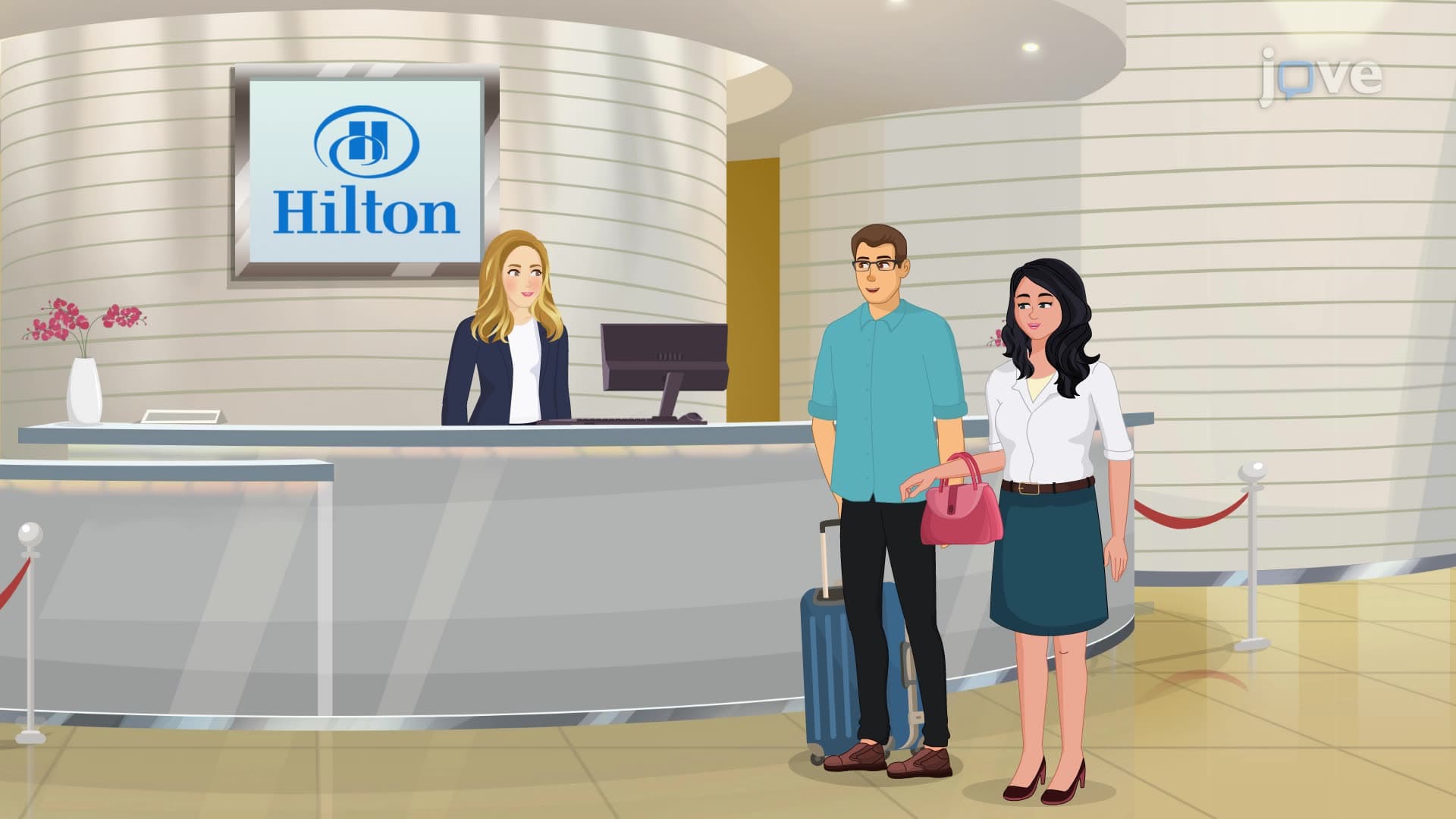
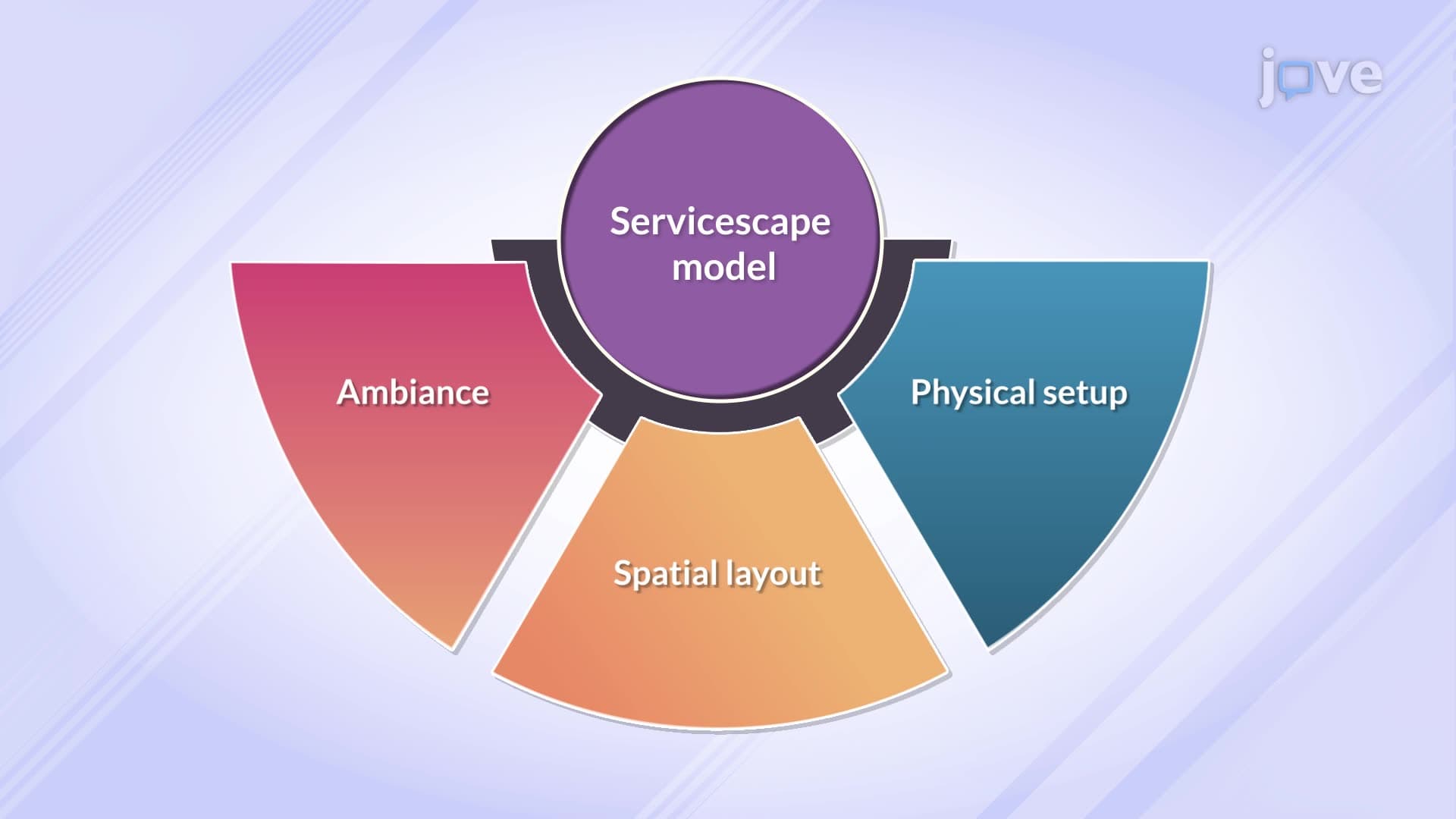
Service environments encompass the complete physical and atmospheric framework where customer-business interactions occur. This includes three interconnected dimensions that directly impact both customer behavior and operational performance: ambiance creation, spatial optimization, and physical brand expression.
The Servicescape model provides executives with a systematic approach to environmental strategy. Ambiance elements-lighting schemes, acoustic design, temperature control, and even scent marketing-create emotional responses that influence purchasing decisions and brand perception. Abercrombie & Fitch's former sensory-intensive retail strategy, while eventually scaled back, demonstrated how atmospheric elements can create distinctive brand experiences that command premium pricing.
Spatial layout decisions directly impact operational efficiency and customer experience quality. Southwest Airlines' innovative open-seating model exemplifies how spatial design can simultaneously reduce operational costs while creating a differentiated service experience. The layout eliminates assigned seating infrastructure costs while encouraging faster boarding-a win-win for both profitability and customer satisfaction.
Physical setup elements serve dual purposes: operational guidance and brand communication. McDonald's golden arches don't just identify locations; they communicate brand promises of speed, consistency, and value. This environmental branding creates immediate customer expectations and behavioral cues that support operational efficiency.
Smart environmental design also addresses pain points that directly impact the bottom line. Chipotle's assembly-line layout wasn't just about operational efficiency-it addressed customer anxiety about order customization while creating transparency that builds trust. This design philosophy helped the company achieve industry-leading same-store sales growth during its peak expansion period.
Successful service environment strategy requires balancing customer experience goals with operational realities. Target's recent store redesigns, investing over $7 billion in environmental improvements, demonstrate how established retailers can use environmental strategy to compete against e-commerce pressure while improving operational metrics like inventory turnover and labor efficiency.
Related Micro-courses