12 Concepts
16 Concepts
24 Concepts
11 Concepts
19 Concepts
15 Concepts
15 Concepts
25 Concepts
12 Concepts
19 Concepts
15 Concepts
18 Concepts
18 Concepts
31 Concepts
24 Concepts
15 Concepts
10 Concepts
Consumer behaviour drives every successful business strategy, determining how customers recognize needs, evaluate options, and make purchasing decisions. This comprehensive JoVE Coach micro-course explores the psychological, cultural, and social factors that influence the buyer decision process. Learn proven frameworks used by companies like Coca-Cola, Nike, and Ray-Ban to understand consumer psychology and optimize marketing strategies for maximum business impact.
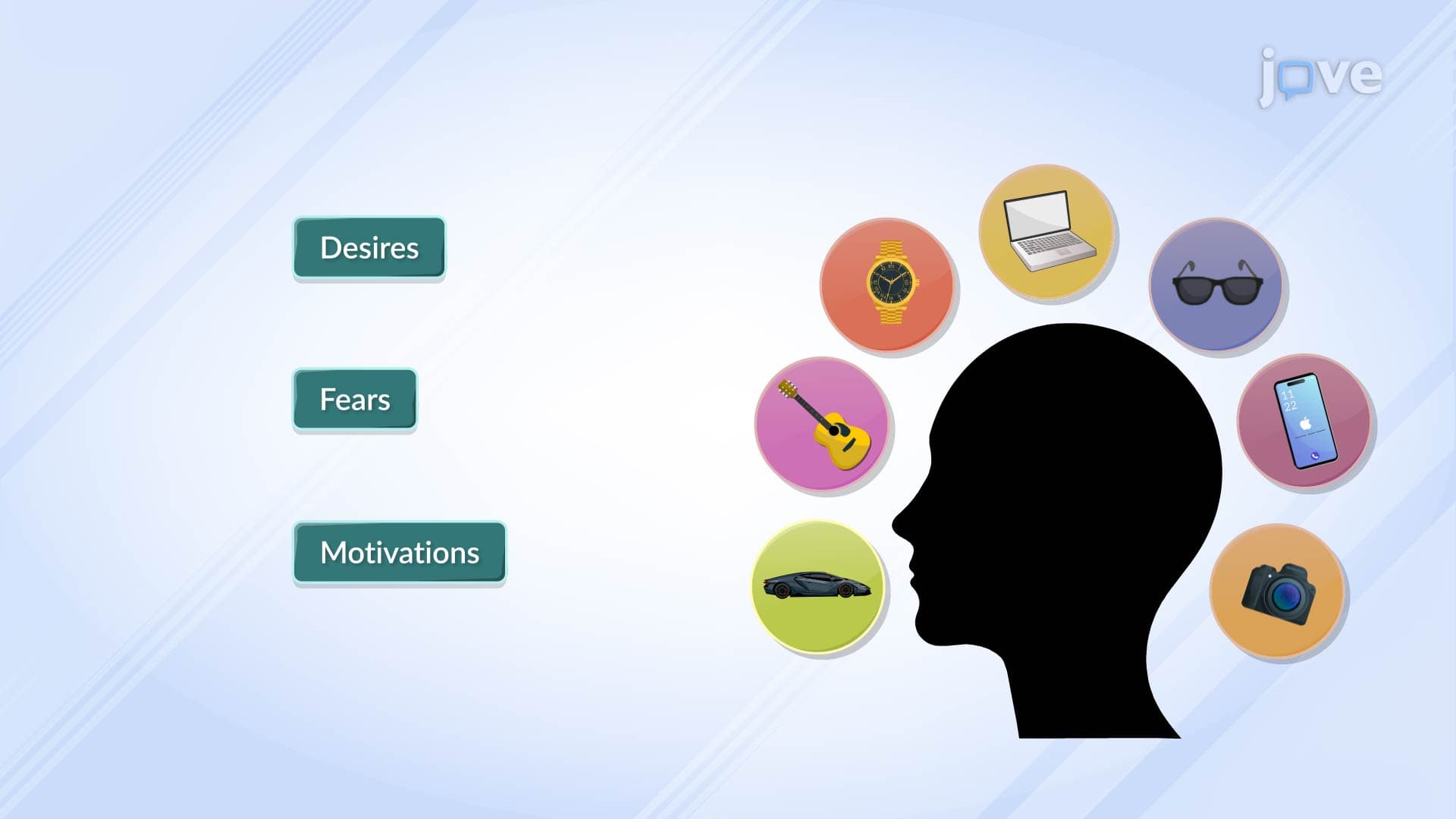
1. Consumer Needs, Wants, and Desires Framework Master the fundamental distinction between basic needs, culturally-influenced wants, and marketing-driven desires. Ray-Ban exemplifies this approach by meeting basic UV protection needs while creating wants through stylish designs and desires through celebrity endorsements. This framework enables precise market positioning and product development strategies that resonate with target audiences across different value propositions.
2. Five-Stage Consumer Decision Process Understand how customers move through problem recognition, information search, alternative evaluation, purchase decision, and post-purchase evaluation. This systematic approach helps businesses identify intervention points throughout the customer journey, optimize touchpoints for maximum influence, and develop targeted marketing messages that address specific decision-making stages for improved conversion rates.
3. Cultural Factors in Consumer Psychology Analyze how shared values, beliefs, customs, and social class hierarchies influence purchasing decisions. Coca-Cola demonstrates cultural adaptation through localized flavors, culturally-relevant advertising, and region-specific packaging. Understanding these factors enables global brands to maintain relevance across diverse markets while avoiding cultural missteps that could damage brand reputation.
4. Social Influences and Reference Groups Examine how family dynamics, peer pressure, social status, and reference groups shape consumer choices. Social factors significantly impact purchasing decisions, from teenagers influenced by celebrity fashion choices to professionals buying luxury cars for status representation. Marketers leverage these insights to create aspirational messaging and influencer partnerships that drive consumer behavior.
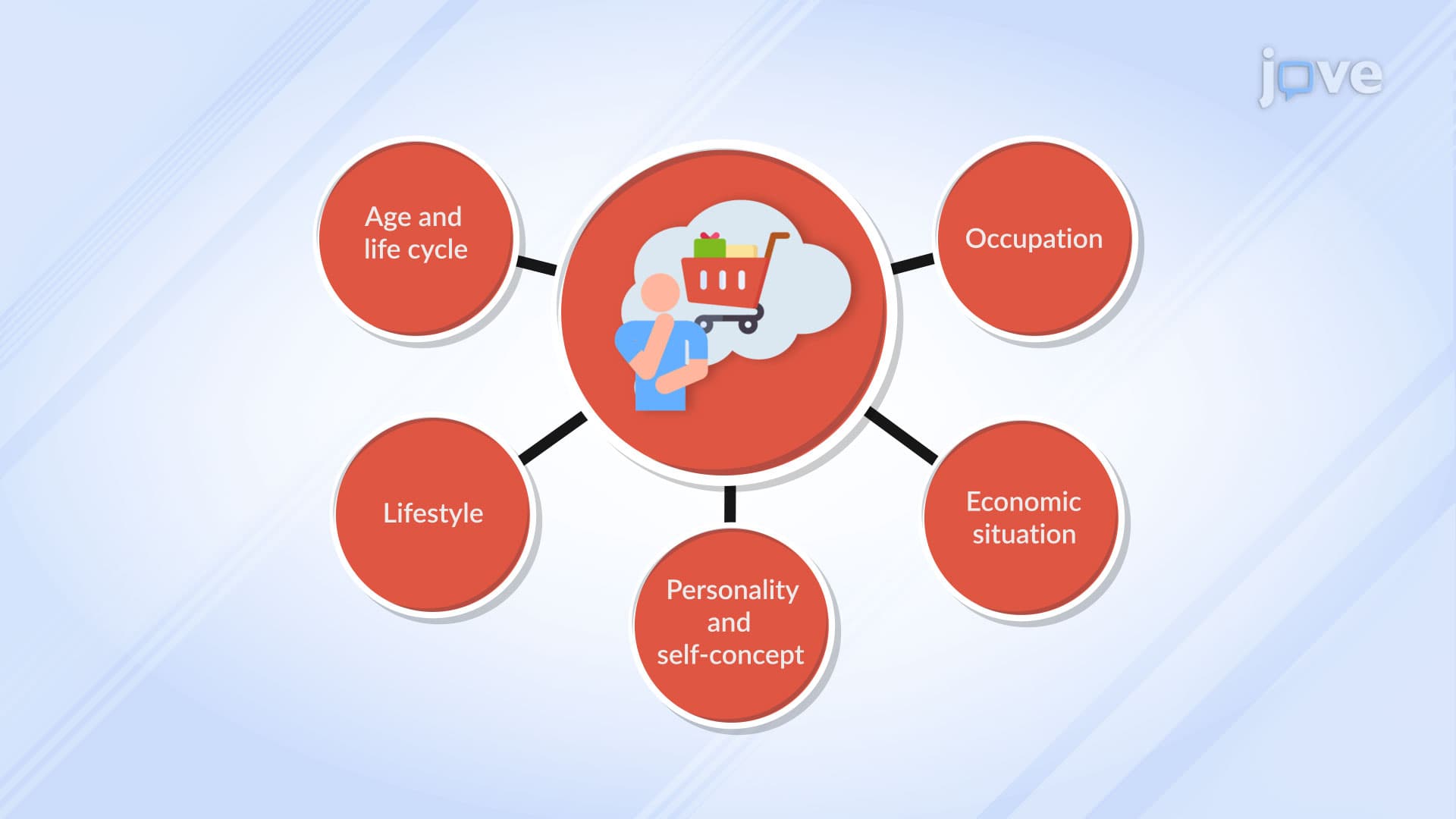
5. Personal and Psychological Decision Drivers Evaluate how age, lifestyle, economic situation, personality, motivation, and perception influence individual purchasing patterns. These internal and external personal factors determine product preferences, brand loyalty, and spending behaviors. Understanding these drivers enables personalized marketing approaches and customer segmentation strategies that improve targeting effectiveness and customer satisfaction.
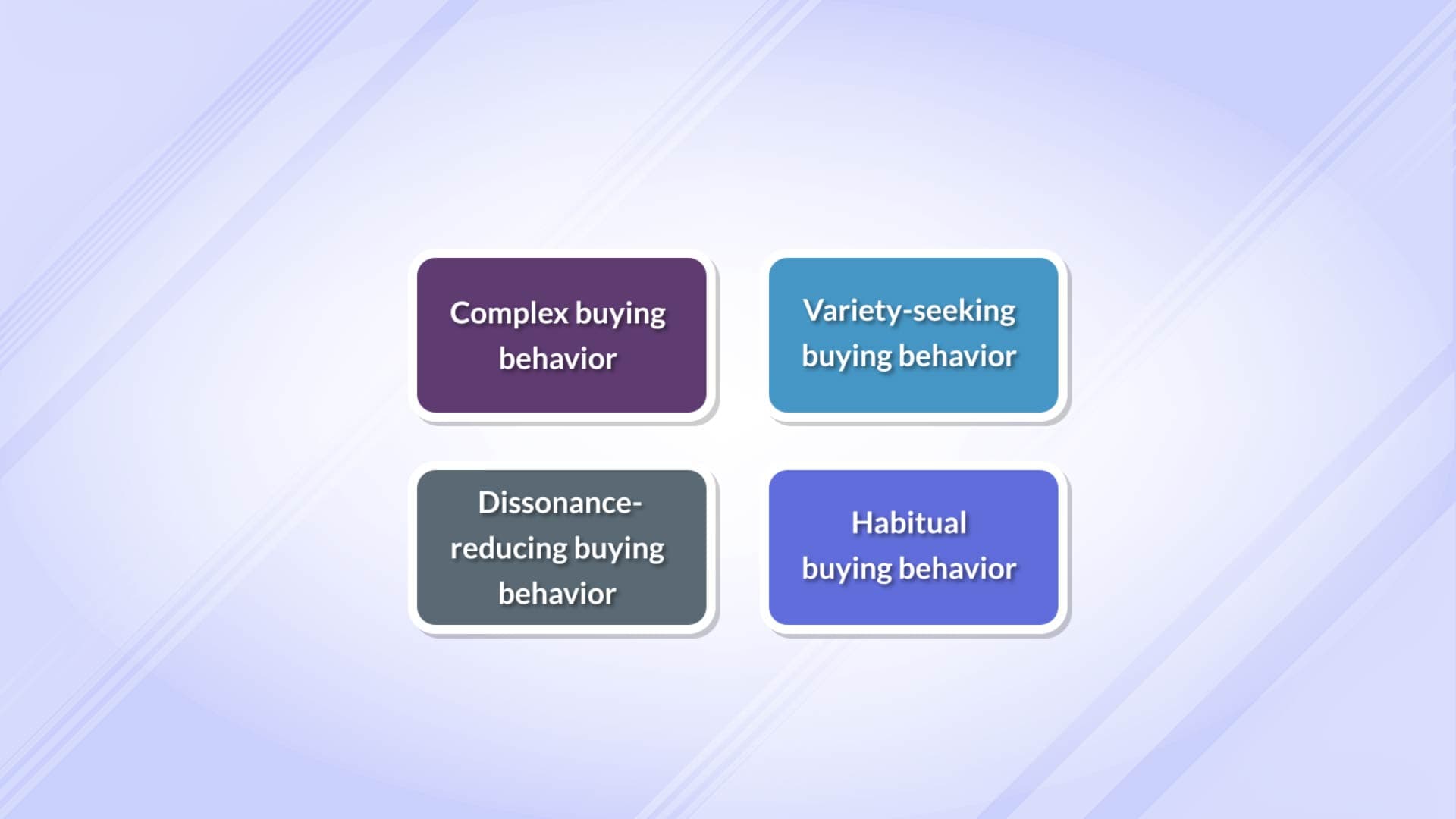
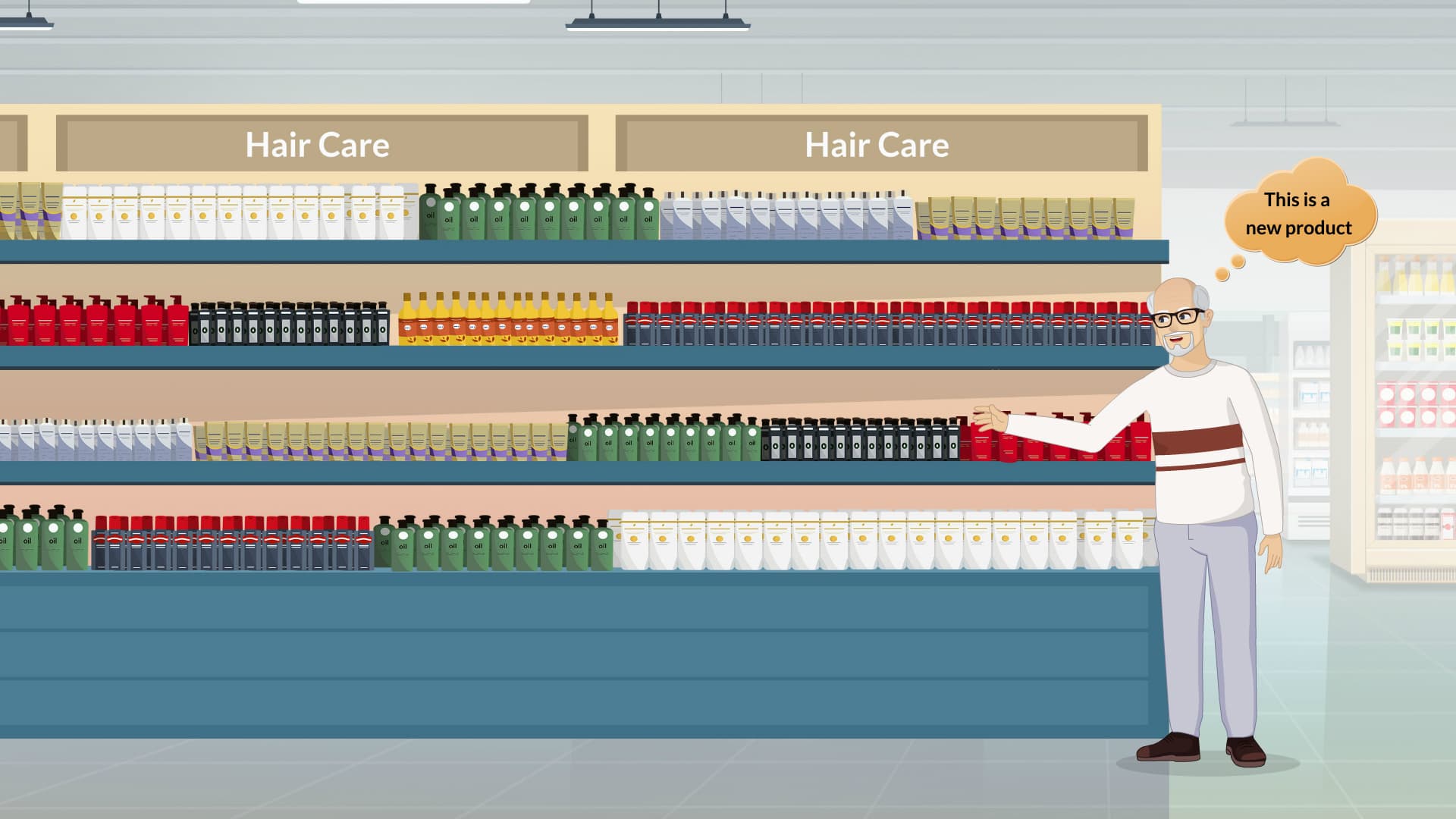
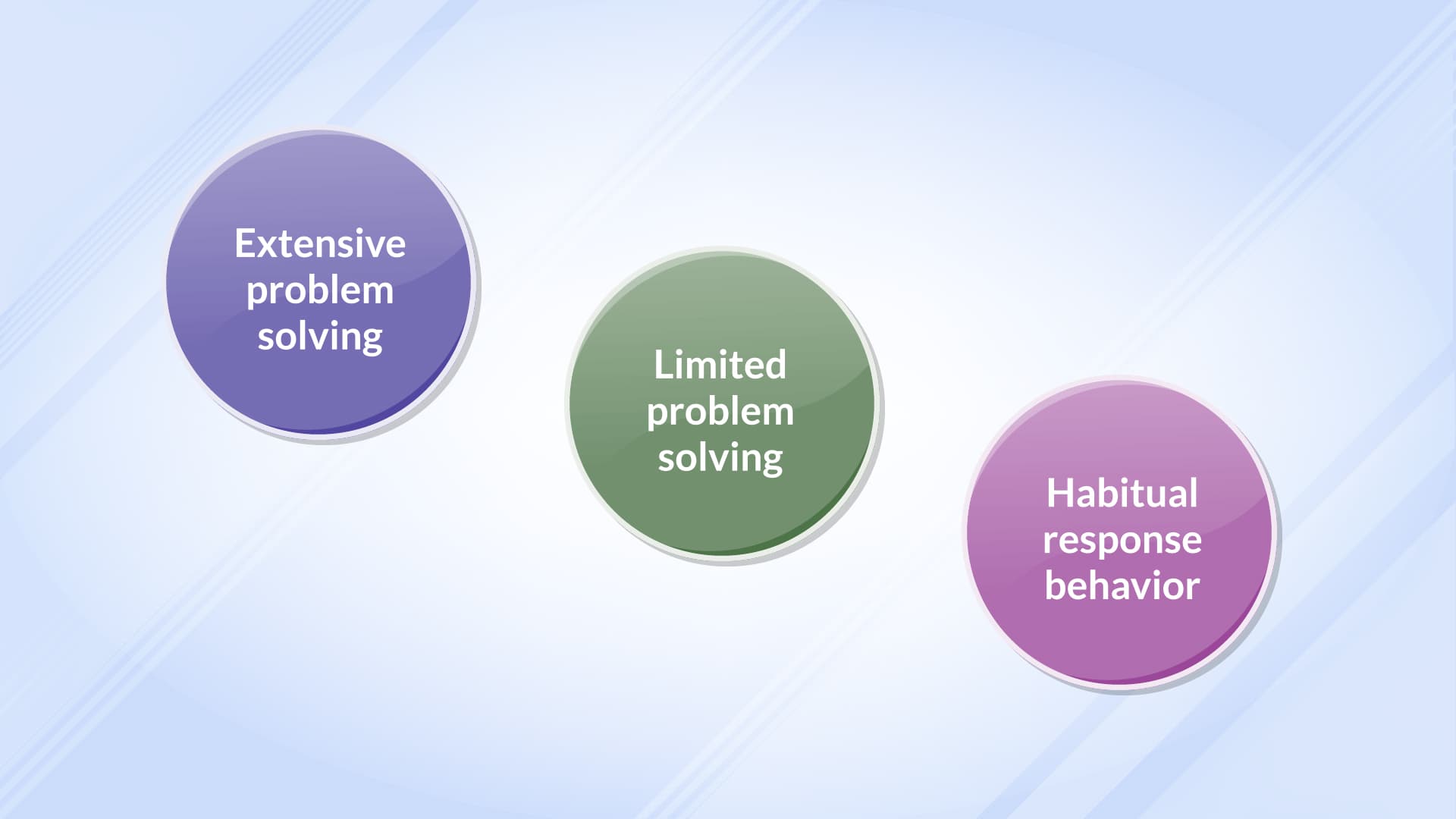
6. Consumer Buying Behavior Types Distinguish between complex, dissonance-reducing, habitual, and variety-seeking buying behaviors based on involvement levels and brand differentiation. Each behavior type requires different marketing strategies-from extensive information provision for complex purchases to loyalty programs for habitual buying. This knowledge optimizes marketing resource allocation and campaign effectiveness.
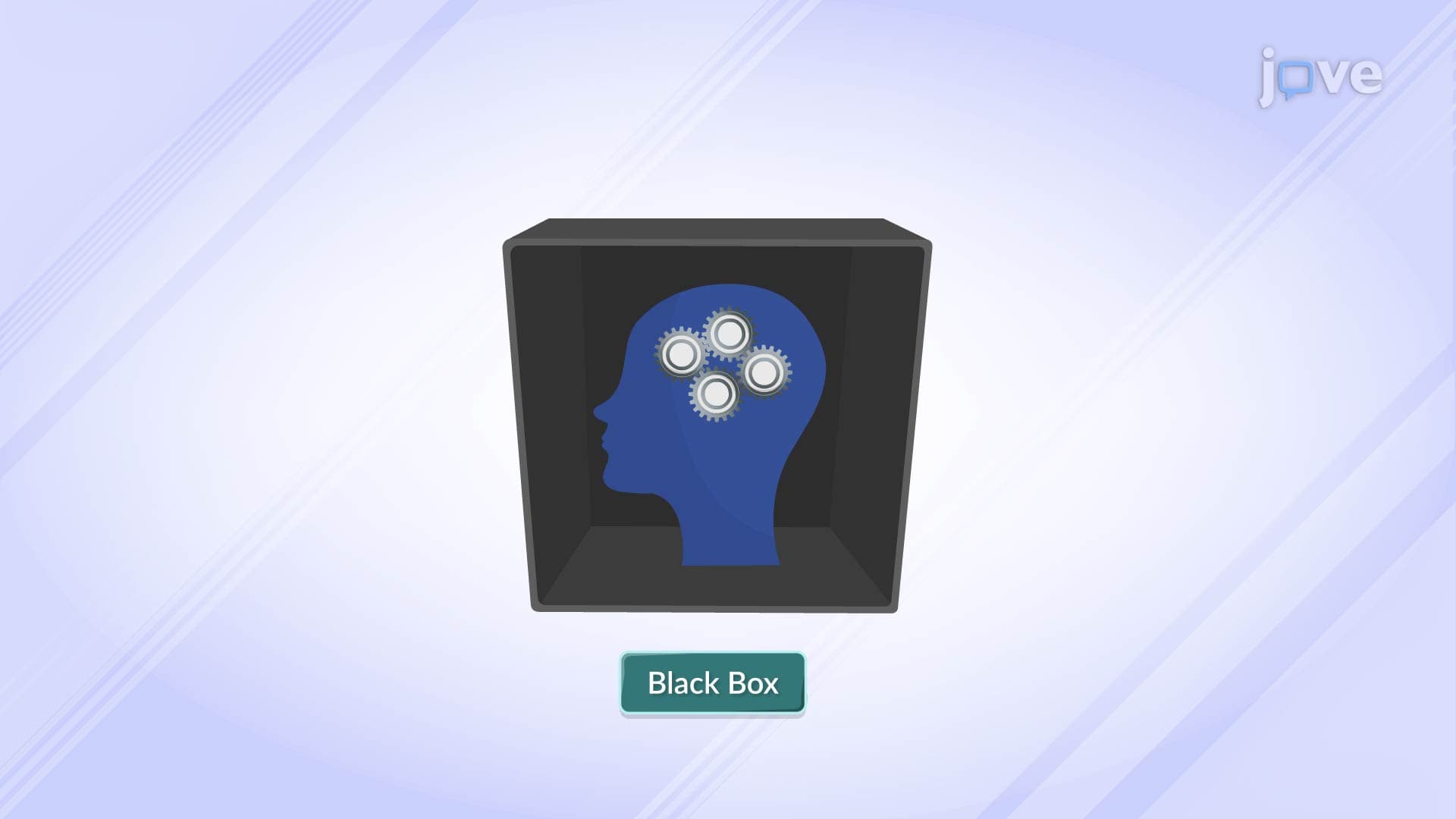
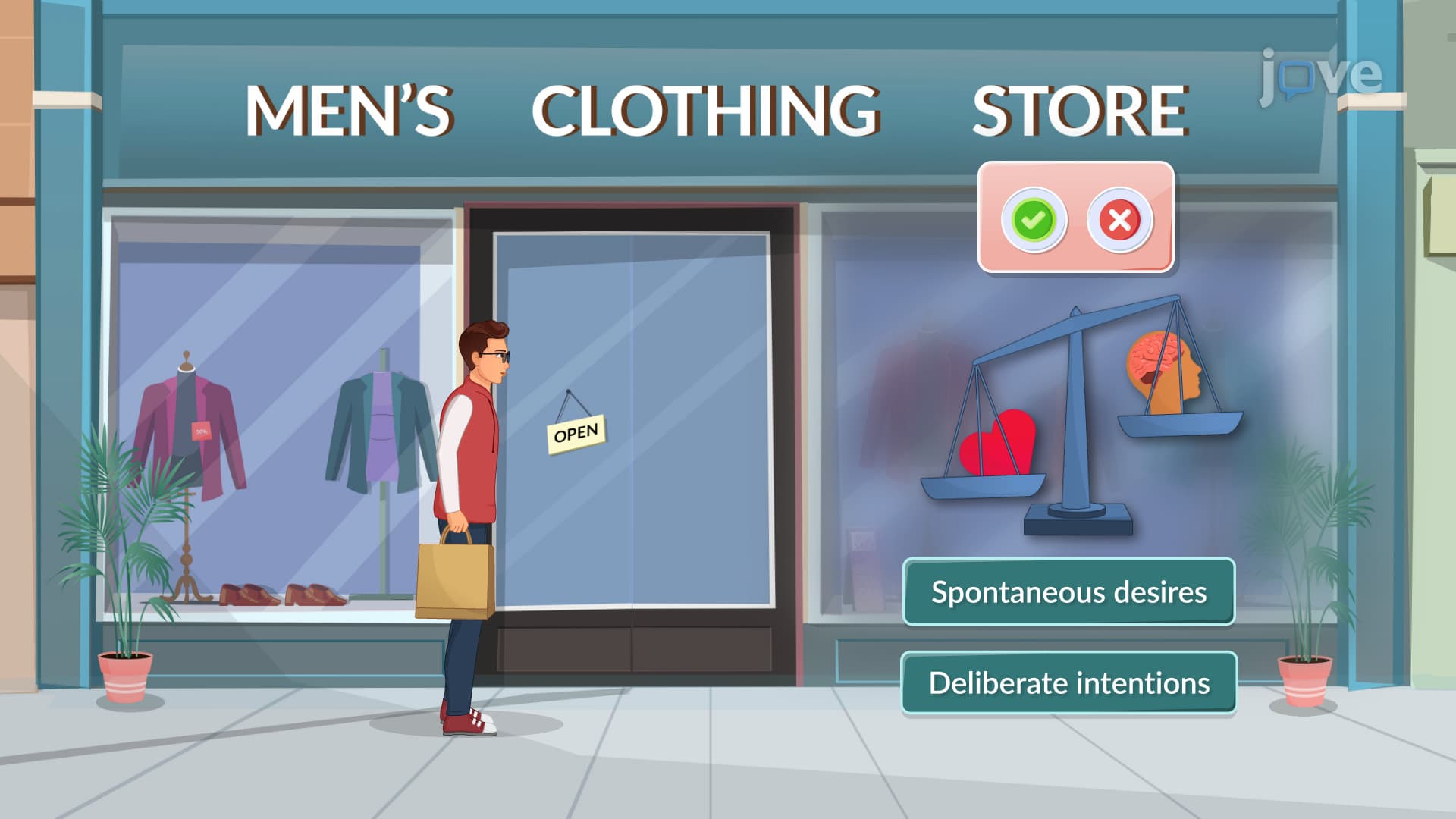
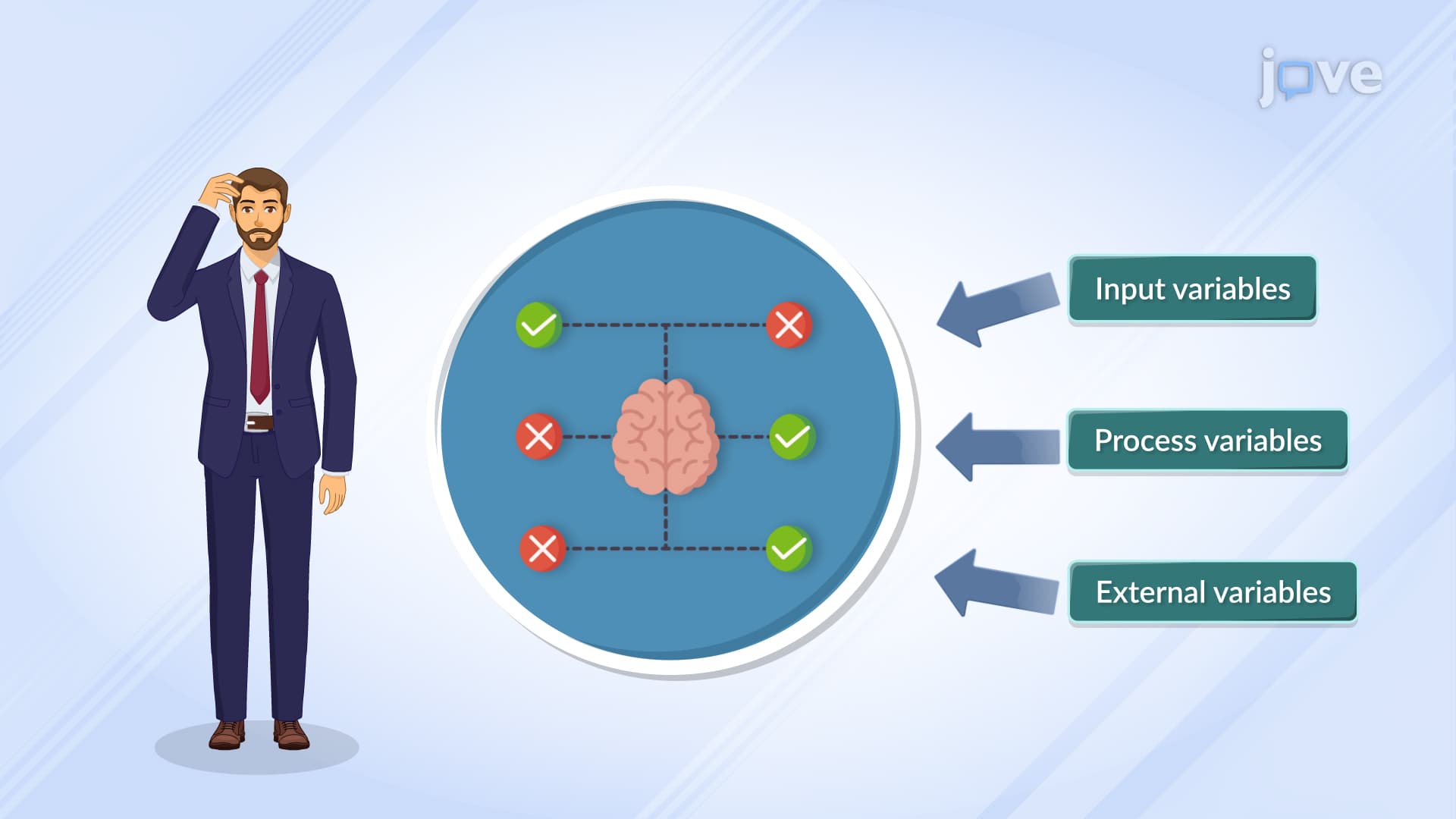
7. Consumer Behavior Models and Frameworks Apply proven models including Black Box, Howard-Sheth, EKB, and Hawkins-Stern frameworks to predict and influence consumer decisions. These models provide structured approaches to understanding decision-making complexity, from rational economic choices to emotional impulse purchases. Businesses use these frameworks to develop comprehensive consumer strategies and improve predictive accuracy.
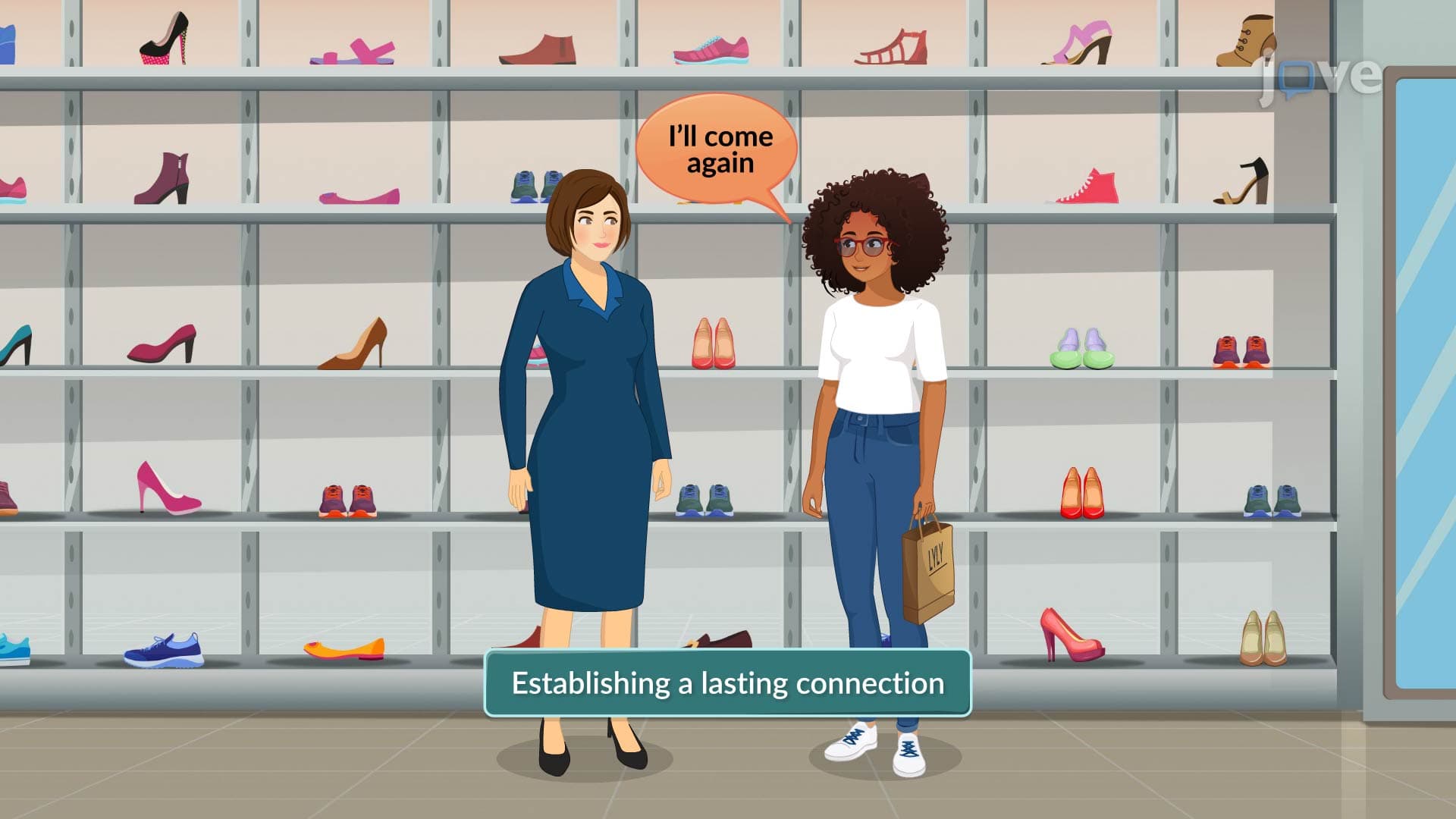
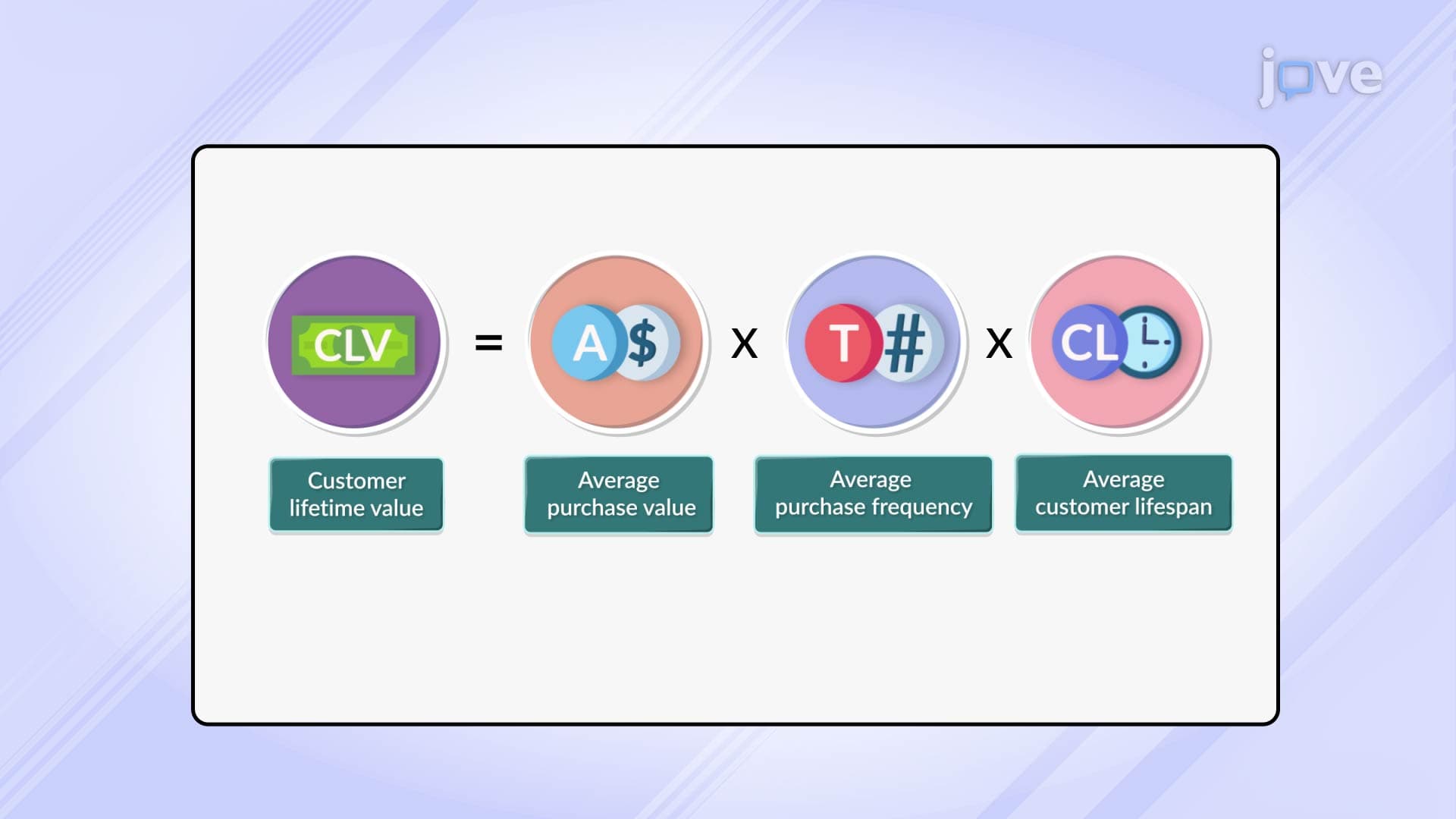
8. Customer Loyalty and Lifetime Value Optimization Calculate Customer Lifetime Value (CLV) and implement loyalty-building strategies that maximize long-term profitability. Understanding the relationship between customer retention, repeat purchases, and brand advocacy enables businesses to allocate resources effectively between acquisition and retention efforts while building sustainable competitive advantages through loyal customer bases.