Loading video…


 24 Concepts
 36.6K views

Video Summary: What Is Psychoanalytic Model
Understanding consumer psychology drives marketing success across industries, from Apple's emotional branding to Tesla's identity-driven messaging. The psychoanalytic model reveals how unconscious desires and symbolic meanings influence purchasing decisions, enabling marketers to craft campaigns that resonate beyond rational features. This framework helps explain why luxury brands like Louis Vuitton command premium pricing through aspirational positioning, and how security companies like ADT leverage fear-based motivations. Watch the full video on JoVE Coach to master this concept with expert-led visuals and step-by-step explanations.
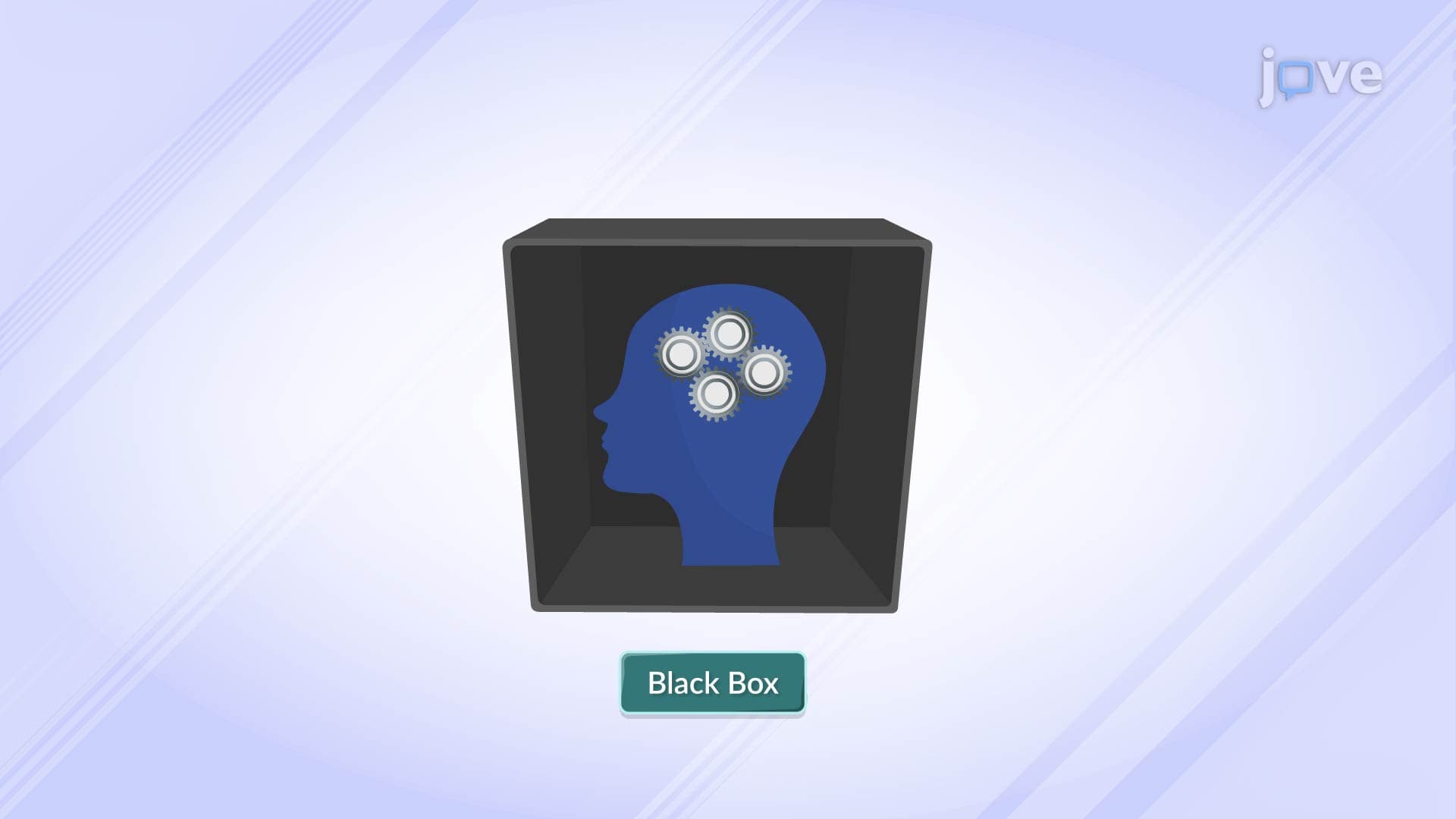
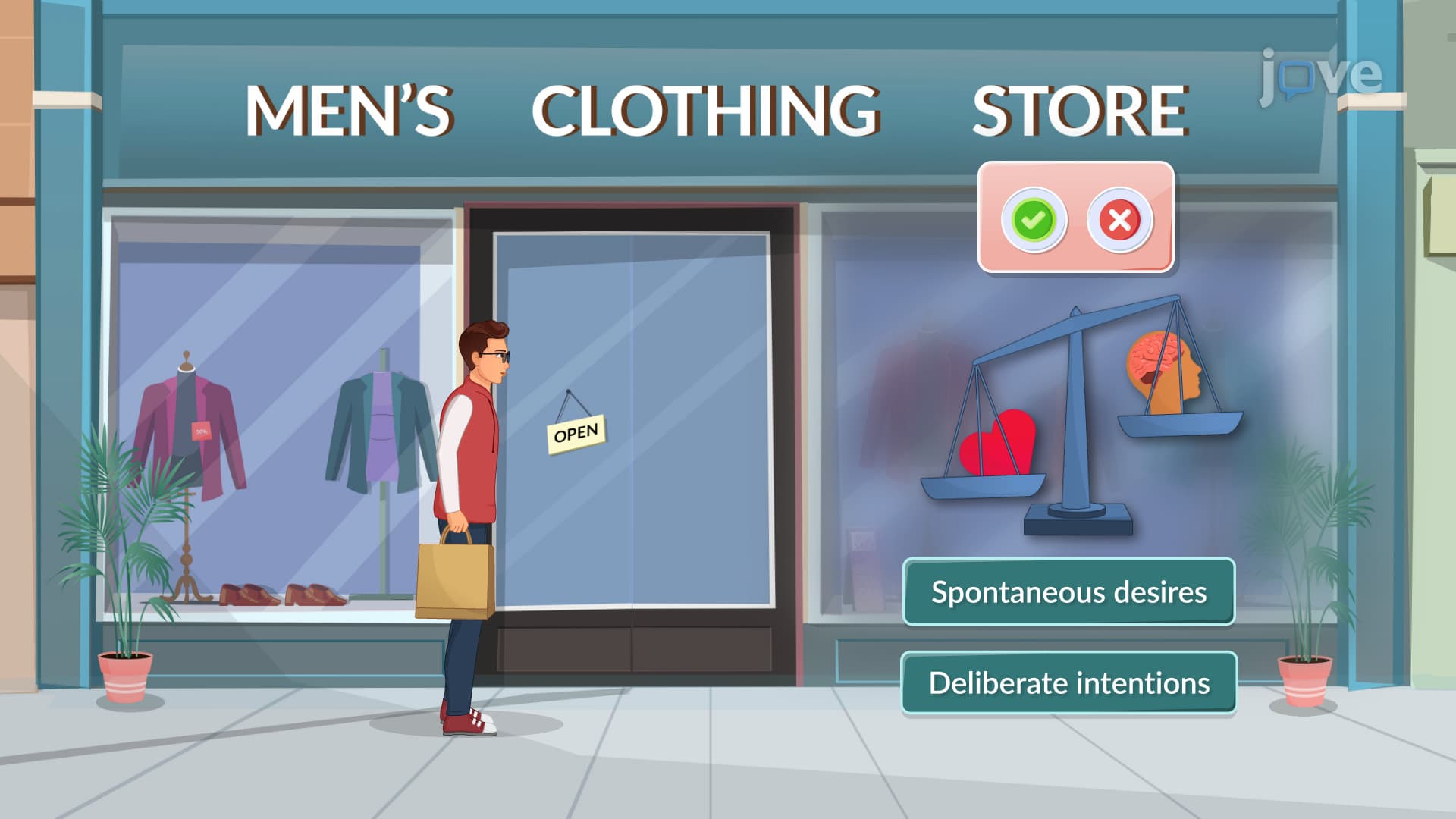
When Starbucks transformed coffee from a commodity into a "third place" experience, they tapped into fundamental psychological needs for community and status. The psychoanalytic model explains this success by examining how unconscious desires, fears, and motivations drive consumer behavior beyond rational decision-making processes.
This psychological framework reveals that consumers project symbolic meanings onto products, transforming everyday items into representations of identity, security, or aspiration. Consider how Harley-Davidson doesn't simply sell motorcycles-they sell rebellion, freedom, and masculine identity. The brand's marketing strategy deliberately targets customers' unconscious desires for self-expression and belonging within a specific cultural tribe.
Similarly, luxury automakers like Mercedes-Benz leverage psychoanalytic principles by positioning their vehicles as symbols of achievement and social status. The actual transportation function becomes secondary to the psychological benefits of ownership, enabling premium pricing strategies and fostering intense brand loyalty.
Smart marketers use psychoanalytic insights to develop multi-layered communication strategies. Home security companies like Ring don't merely advertise technical specifications-they tap into primal fears about family safety and home invasion. Their marketing materials feature peaceful family scenes disrupted by potential threats, then resolved through product installation, addressing both conscious security concerns and unconscious anxieties about protection.
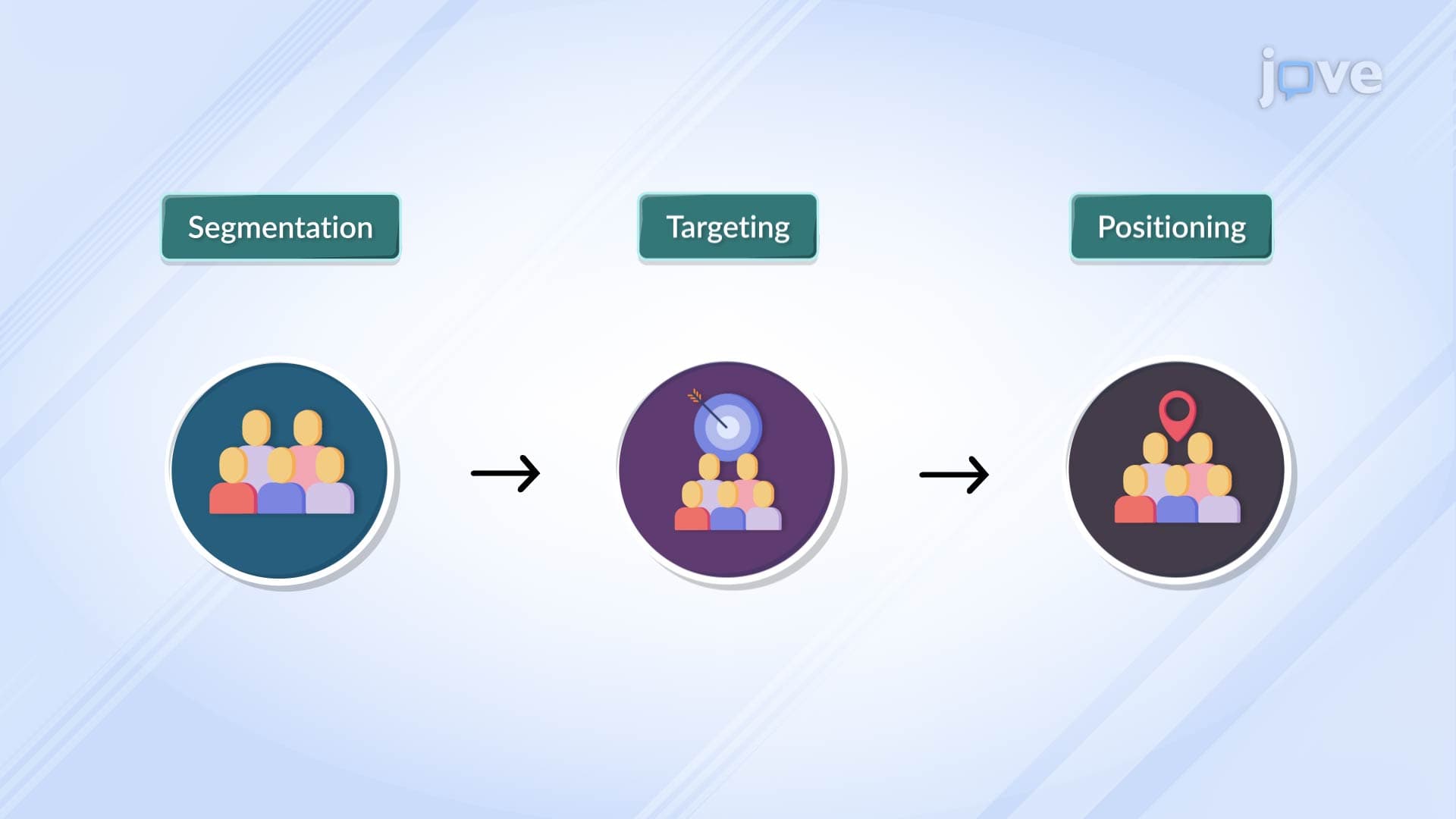
The model also guides effective market segmentation by identifying distinct psychological profiles within customer bases. Financial services companies like Charles Schwab segment audiences not just by income or age, but by underlying motivations-some clients seek control and independence, while others desire guidance and security. These psychological insights drive personalized messaging and service offerings.
While powerful, the psychoanalytic approach requires careful implementation. Its subjective nature demands extensive consumer research and testing to validate psychological assumptions. Modern marketing leaders combine psychoanalytic insights with data analytics and behavioral economics to create more robust strategies. Companies like Netflix use viewing patterns and psychological profiling to personalize content recommendations, blending unconscious motivation understanding with predictive algorithms for maximum engagement.
Related Micro-courses