Loading video…


 24 Concepts
 36.6K views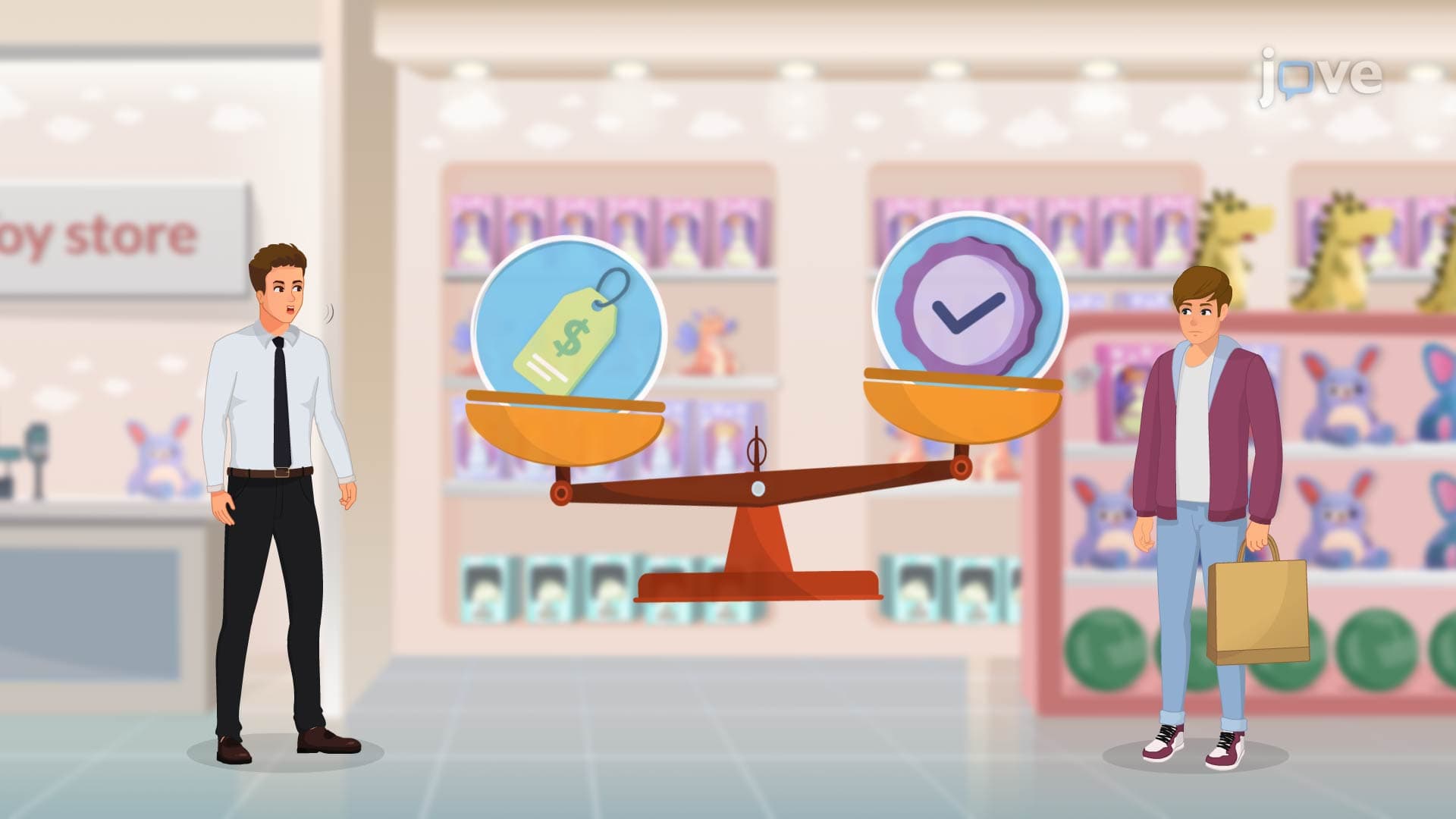

Video Summary: What Is Economic Model
Understanding the economic model becomes crucial when consumer spending patterns shift unexpectedly, forcing businesses to recalibrate pricing strategies mid-quarter. This foundational framework explains how consumers maximize value through price-quality comparisons, assuming fixed incomes and complete product knowledge. However, companies like Target discovered during recent holiday seasons that consumer behavior often defies these rational assumptions-shoppers frequently exceed budgets using credit financing when emotional needs override economic logic. The economic model provides essential baseline predictions for demand forecasting despite its limitations. Watch the full video on JoVE Coach to master this concept with expert-led visuals and step-by-step explanations.
When Walmart's executive team sets pricing strategies for back-to-school merchandise, they rely heavily on economic model principles to predict consumer response patterns. The economic model definition centers on the assumption that consumers operate as rational actors, systematically comparing price-to-quality ratios while working within fixed budget constraints. This theoretical framework suggests consumers possess complete product knowledge and maintain consistent preferences over time.
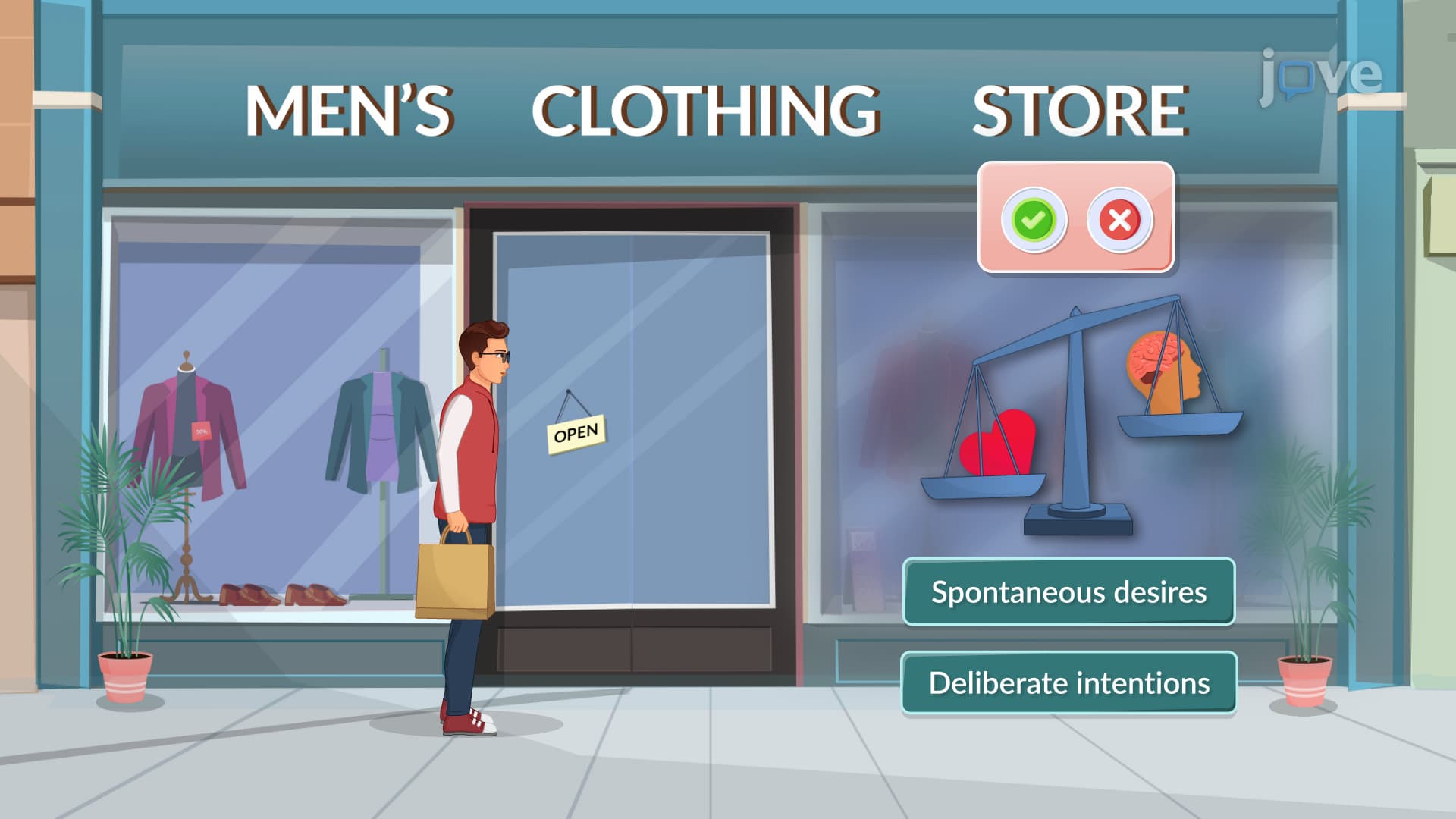
However, seasoned retail executives understand the economic model concept explained reveals significant disconnects with actual consumer behavior. During Amazon's Prime Day events, purchasing decisions frequently violate core economic assumptions-consumers often exceed planned budgets, make impulse purchases, and prioritize convenience over pure value optimization. The model fails to account for psychological triggers, social influences, and time-sensitive decision-making that drive real marketplace dynamics.
Despite these limitations, the economic model overview provides crucial baseline intelligence for strategic planning. When Apple launches new iPhone models, competitor analysis teams use economic model predictions to estimate market share migration based on price differentials and feature comparisons. The framework helps establish demand curves and price elasticity assumptions that inform production planning, inventory allocation, and promotional timing decisions.
Progressive companies integrate economic model study guide principles while acknowledging behavioral exceptions. Best practices include: establishing price sensitivity testing protocols, developing consumer segment profiles that account for rational versus emotional purchasing patterns, and creating flexible forecasting models that incorporate both economic predictions and behavioral anomalies. This hybrid approach enables more accurate revenue projections and strategic positioning decisions.
The most successful business applications treat economic models as foundational tools rather than absolute predictors, combining theoretical frameworks with real-world market intelligence to drive competitive advantage and sustainable profitability growth.
Related Micro-courses