Loading video…


 24 Concepts
 36.6K views

Video Summary: Factors Affecting Consumer Decision Process Explained
Understanding the factors affecting consumer decision process is critical for business leaders navigating today's competitive marketplace. Amazon's strategic use of personalized recommendations demonstrates how psychological and situational factors drive purchasing behavior, while their Prime Day leverages urgency to accelerate decisions. The factors affecting consumer decision process explained framework reveals six key influences that shape customer choices: cultural values, social dynamics, personal characteristics, psychological drivers, marketing mix elements, and situational contexts. Watch the full video on JoVE Coach to master this concept with expert-led visuals and step-by-step explanations.
When Starbucks expanded beyond coffee into food and merchandise, leadership recognized that consumer decisions aren't made in isolation-they're shaped by complex, interconnected forces. The factors affecting consumer decision process provide a strategic framework for understanding why customers choose one option over another, enabling businesses to influence these choices systematically.
Cultural factors fundamentally shape market opportunities and constraints. McDonald's success in adapting menu items to local tastes-from rice burgers in Taiwan to McAloo Tikki in India-demonstrates how cultural values directly impact product acceptance. For US businesses, understanding regional cultural variations, generational differences, and ethnic diversity patterns becomes crucial for market penetration strategies.
Social factors operate through reference groups, family influences, and social status considerations. LinkedIn's professional networking model leverages social proof and peer validation to drive user engagement and premium subscriptions. Business leaders must identify the social networks that influence their target customers and develop strategies to gain credibility within those circles.
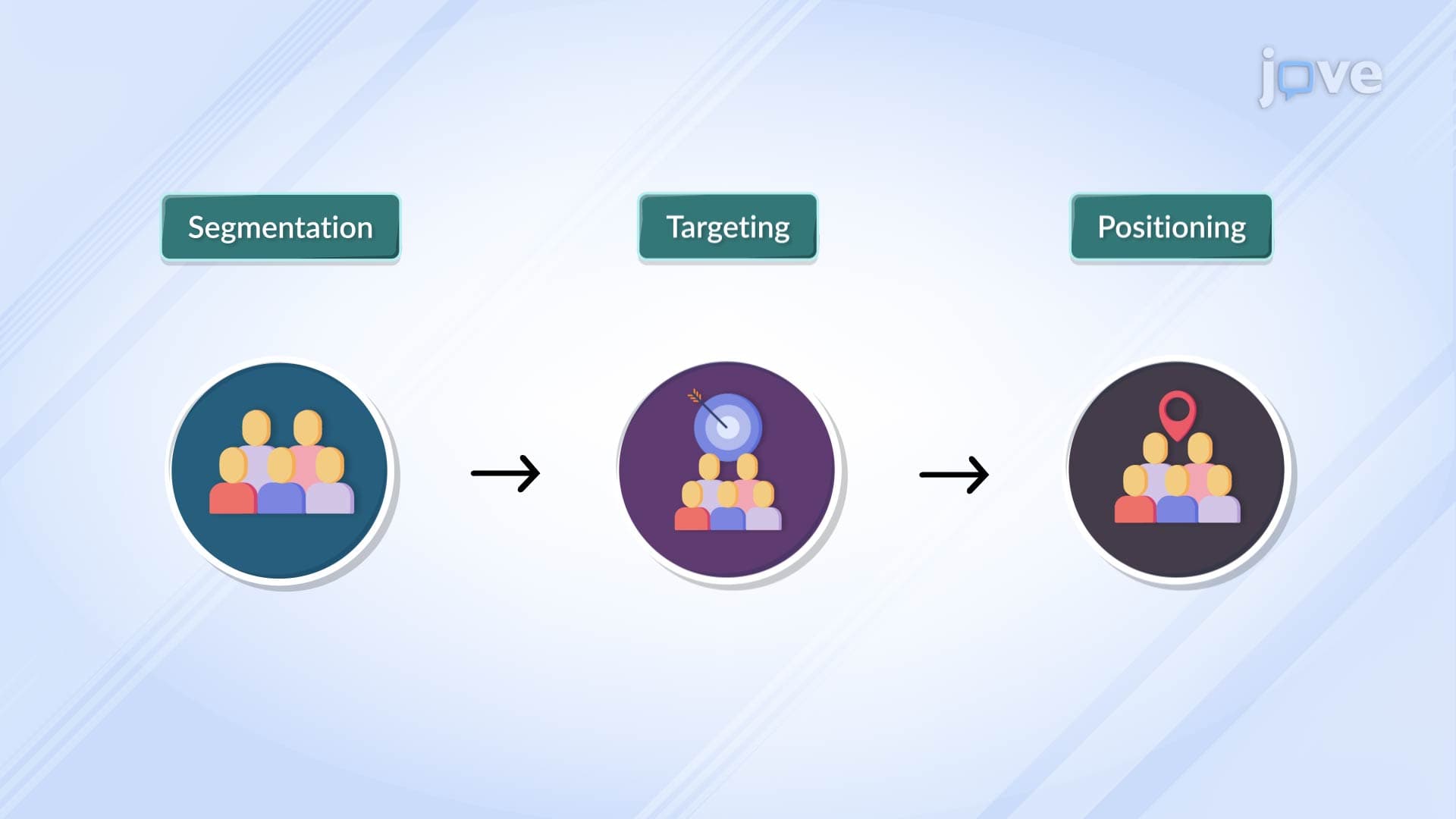
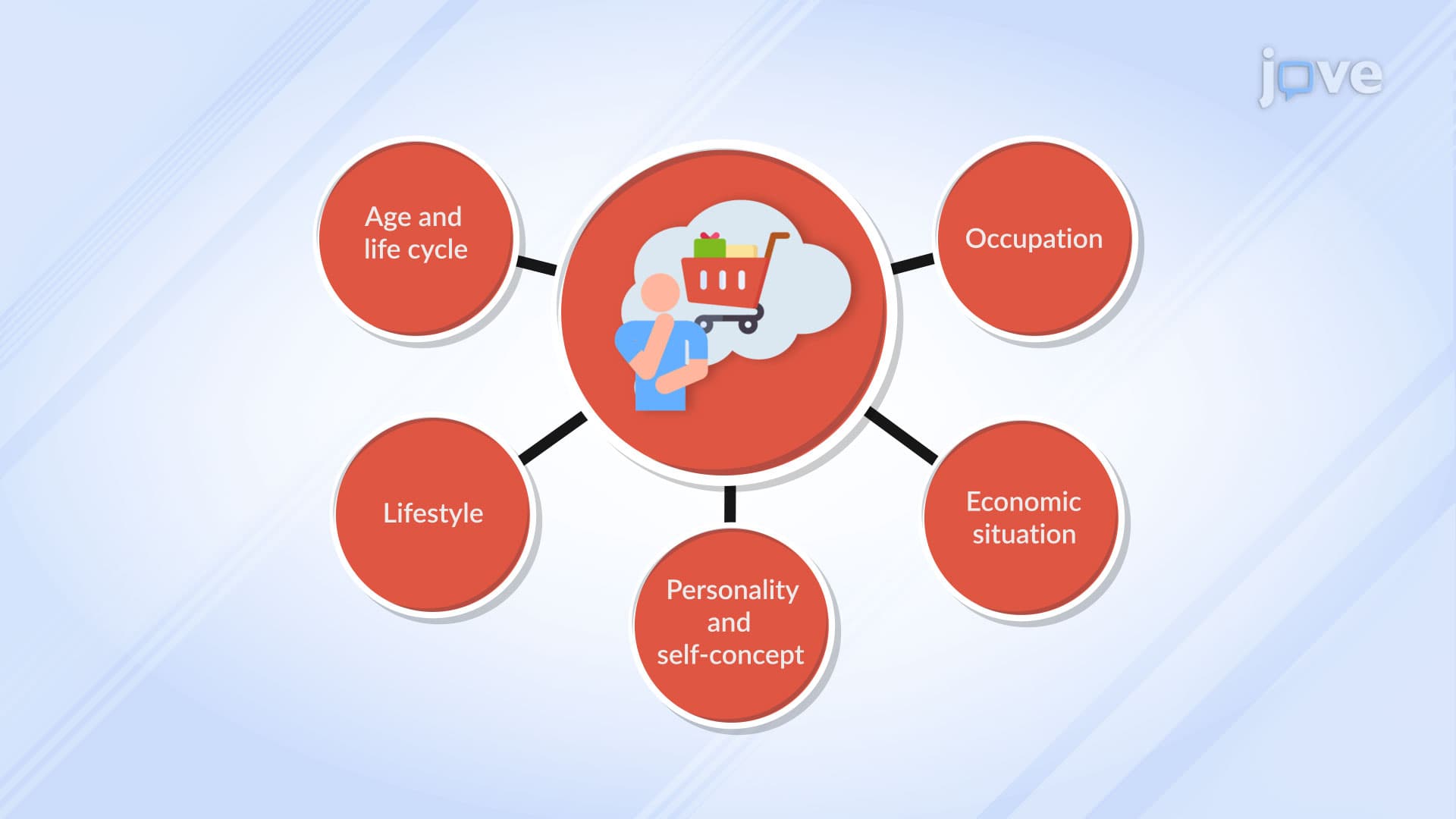
Personal factors-age, lifestyle, occupation, and economic circumstances-create distinct market segments with unique needs. Tesla's positioning strategy successfully targets affluent, environmentally conscious professionals by aligning product features with personal values and lifestyle aspirations. This segmentation approach enables premium pricing and builds brand loyalty.
Psychological factors including motivation, perception, learning, and attitudes drive the emotional components of purchasing decisions. Apple's marketing consistently taps into psychological needs for status, creativity, and belonging, creating emotional connections that justify premium pricing and drive repeat purchases.
The marketing mix-product, price, place, and promotion-directly influences perceived value and purchase timing. Walmart's everyday low pricing strategy removes price as a decision barrier, while their store placement in suburban areas aligns with customer convenience needs.
Situational factors create windows of opportunity for accelerated decision-making. Companies like Uber capitalized on situational needs (immediate transportation) to disrupt traditional taxi services, while surge pricing reflects real-time supply and demand dynamics.
Related Micro-courses