Loading video…


 24 Concepts
 36.6K views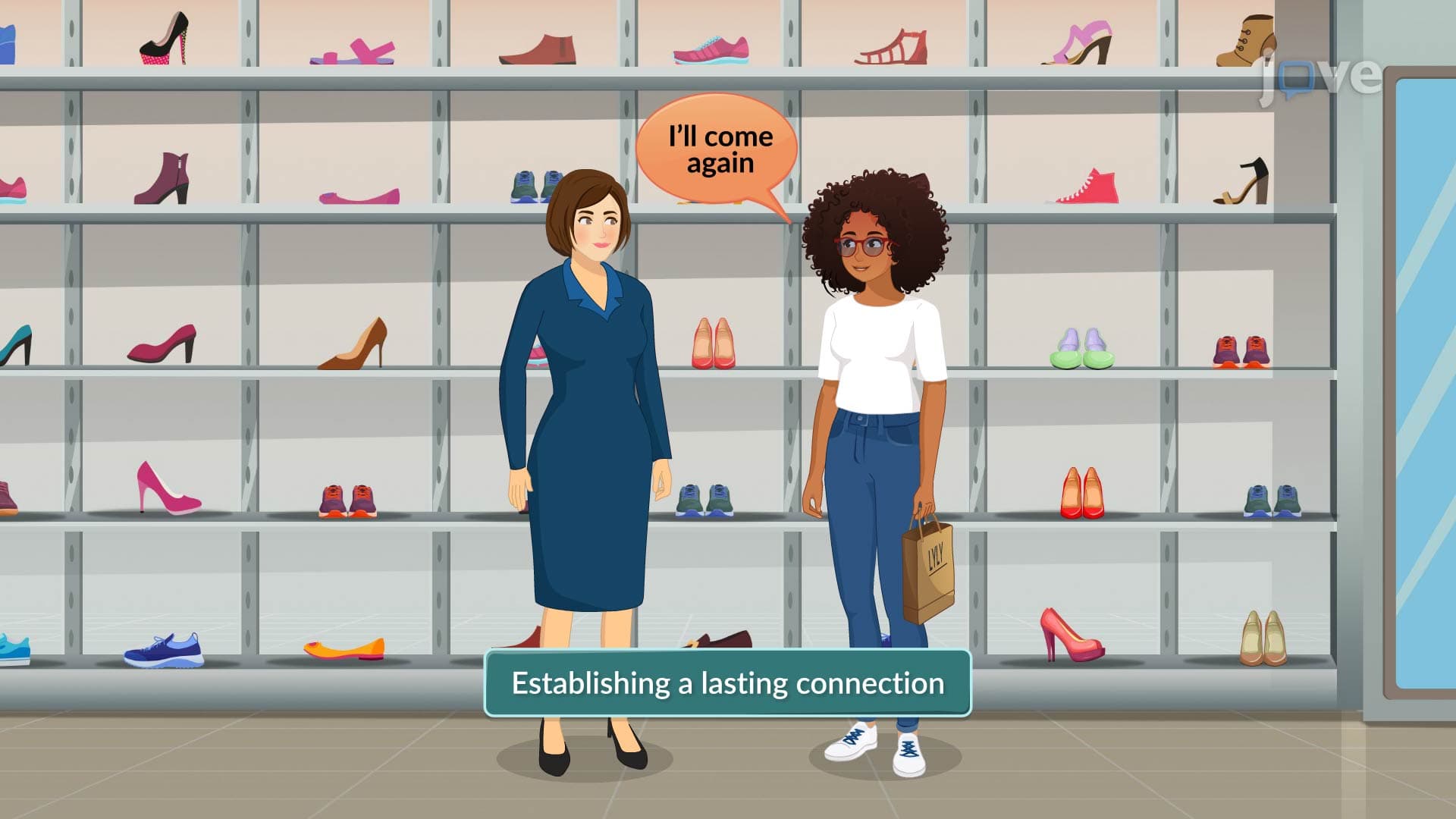

Video Summary: What Is Customer Loyalty
Customer loyalty drives billions in revenue for companies like Amazon, where Prime members spend double that of non-members annually. Understanding customer loyalty fundamentals becomes critical as acquisition costs rise 7-10% yearly across industries. This strategic framework transforms one-time buyers into repeat customers and brand advocates through emotional connections and consistent value delivery. Companies that master customer loyalty principles achieve 25% higher profitability and sustainable competitive advantages. Watch the full video on JoVE Coach to master this concept with expert-led visuals and step-by-step explanations.
Customer loyalty represents far more than repeat purchases-it's a strategic asset that directly impacts your company's valuation and market position. In an economy where customer acquisition costs continue climbing, particularly in digital channels, loyalty becomes the cornerstone of sustainable growth. Consider Starbucks, which generates over $2.8 billion annually from its loyalty program alone, demonstrating how emotional connections translate into measurable business outcomes.
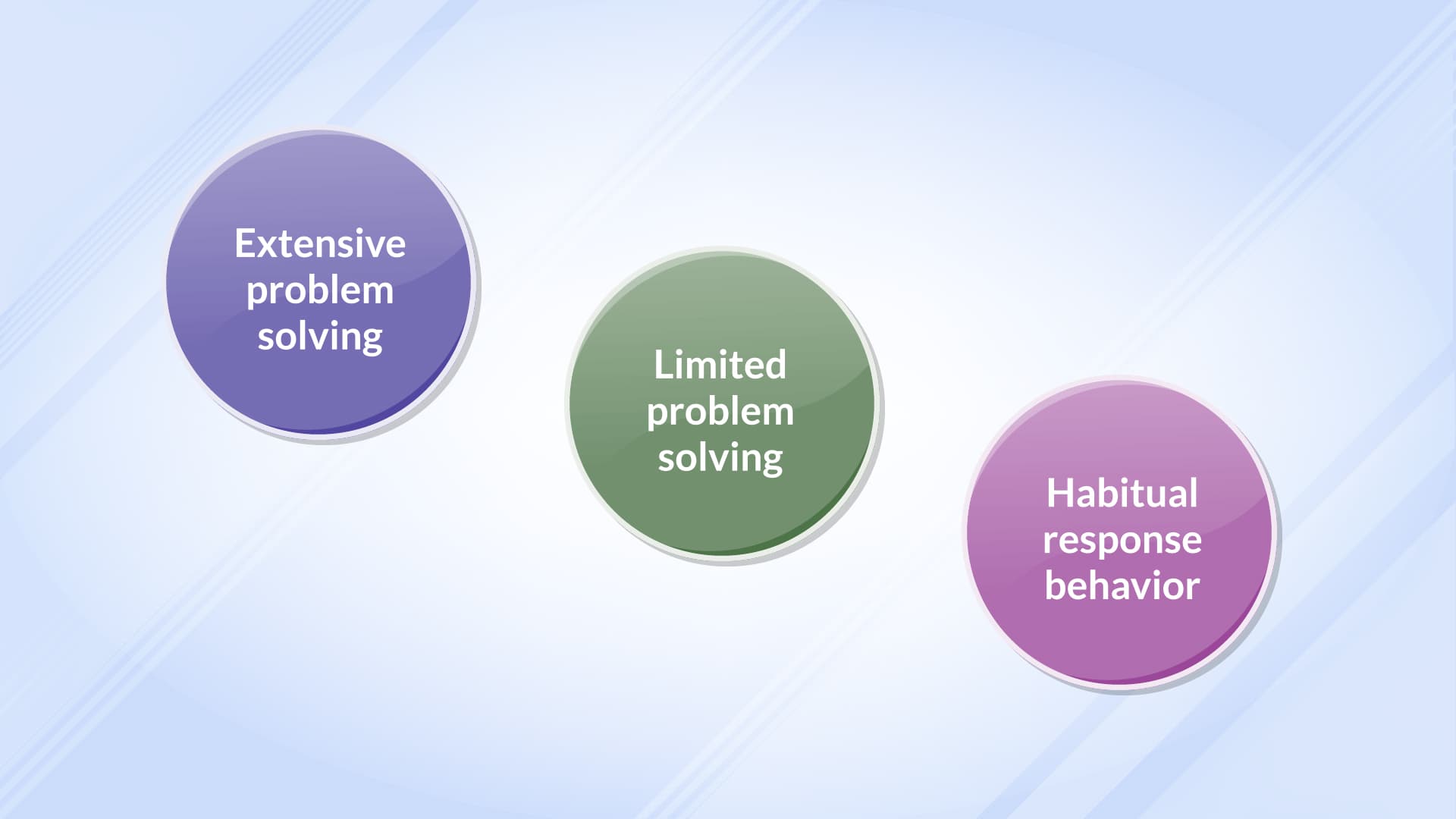
Effective customer loyalty strategy operates on three interconnected levels. First, transactional loyalty focuses on repeat purchase behavior driven by product quality, pricing, and convenience factors. Second, emotional loyalty creates deeper connections through brand values, customer service excellence, and community building. Third, advocacy loyalty transforms customers into unpaid marketing channels, generating organic referrals that reduce overall marketing spend.
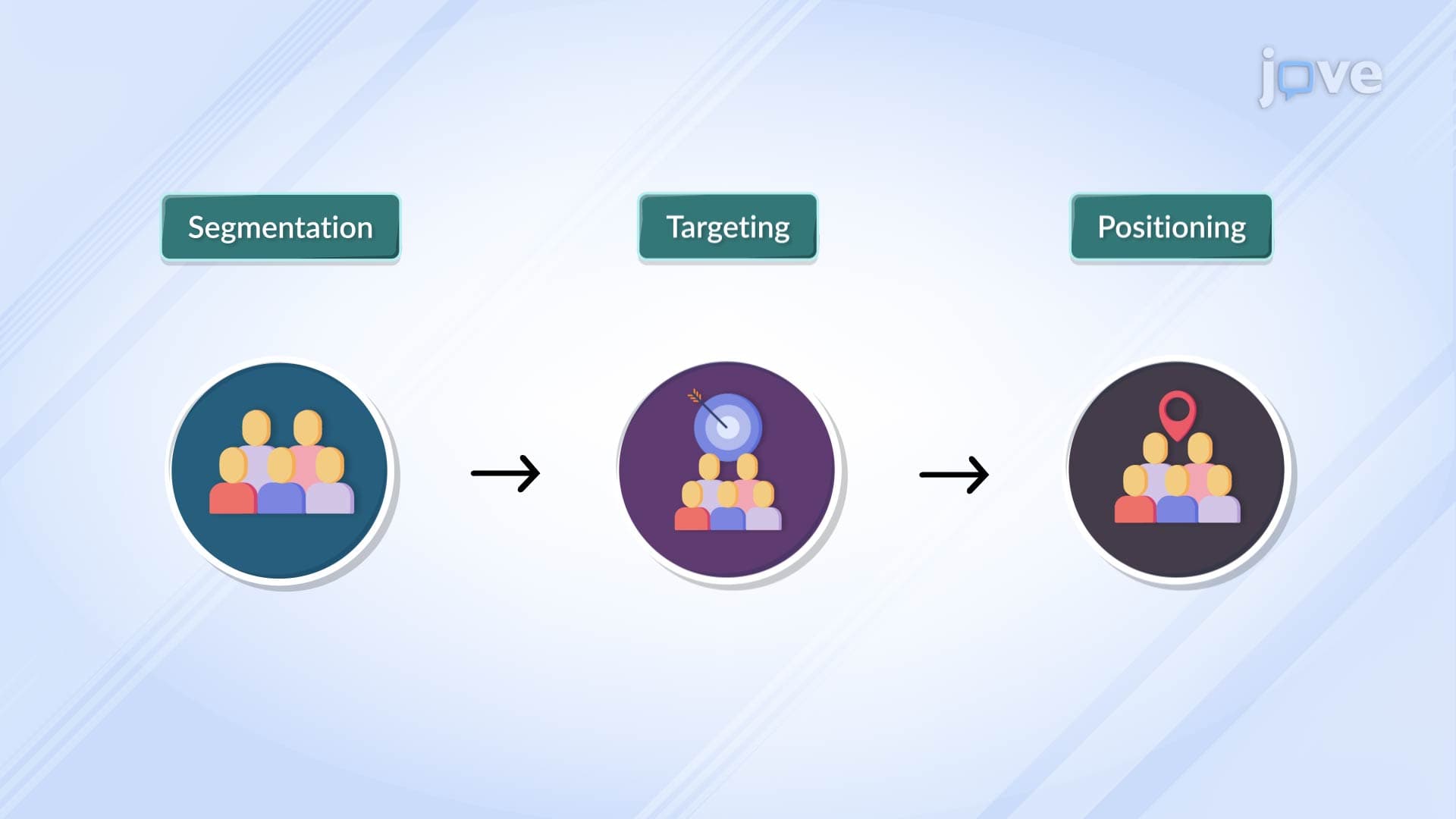
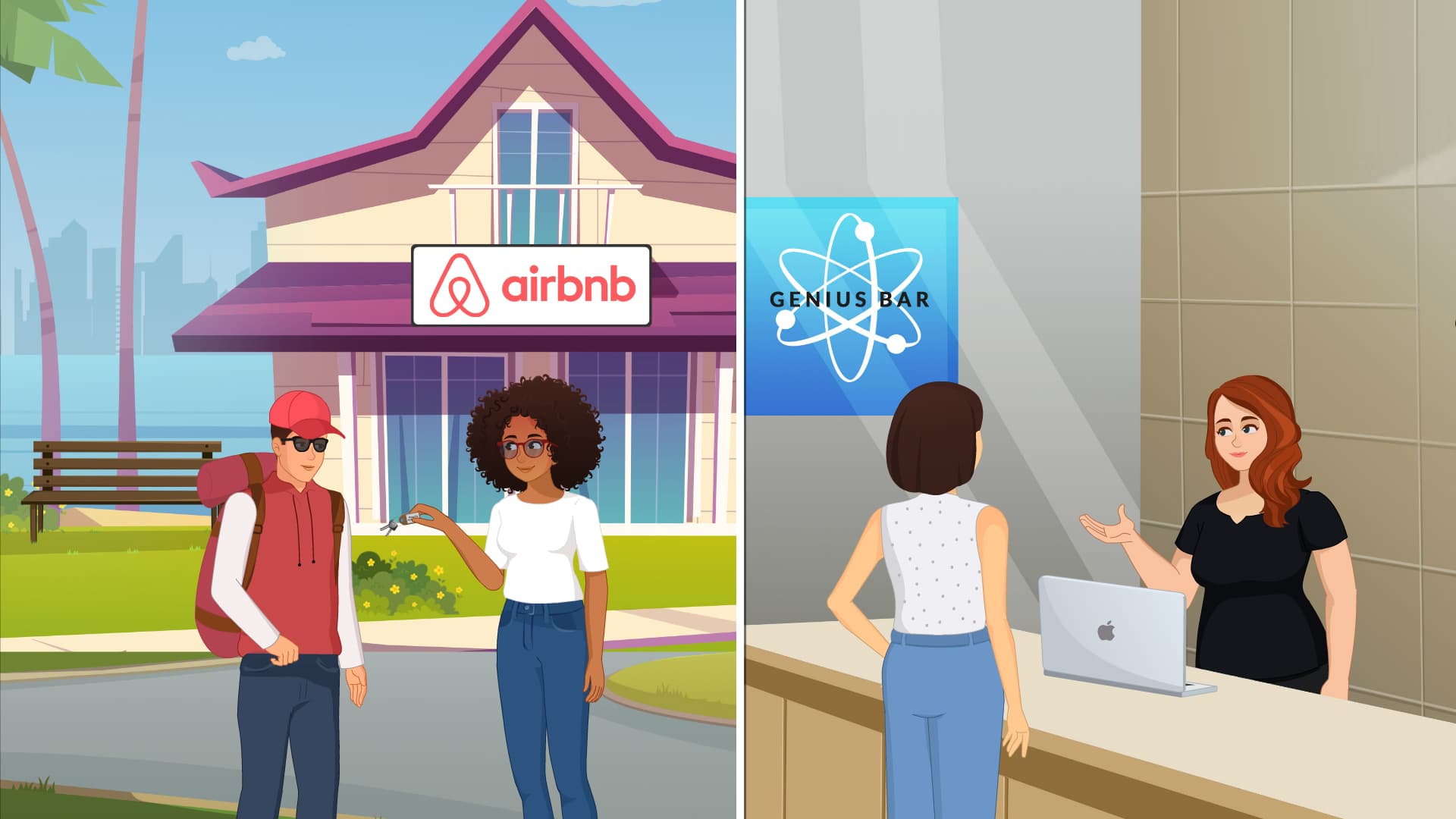
Progressive companies like Apple have mastered this progression, with iPhone users showing 92% brand loyalty rates. This loyalty stems from ecosystem integration, consistent user experience, and premium positioning that justifies higher price points. For business leaders, this demonstrates how loyalty strategies must align with broader competitive positioning and pricing strategies.
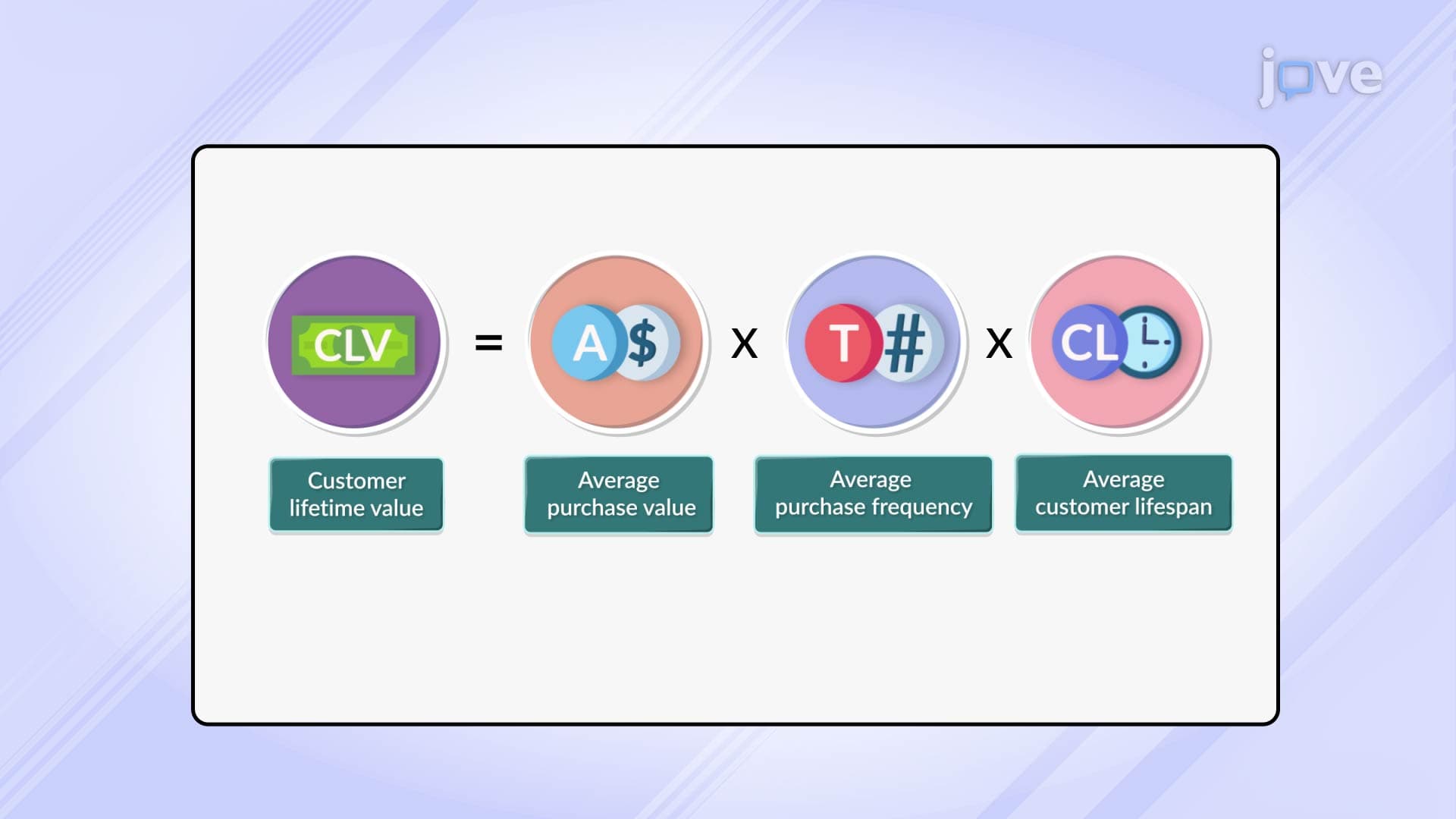
Financial executives increasingly recognize loyalty's P&L impact through key performance indicators. Customer Lifetime Value (CLV) calculations show that increasing retention rates by just 5% can boost profits by 25-95%. Net Promoter Score (NPS) provides early indicators of loyalty trends, while repeat purchase rates and average order values track transactional loyalty.
Companies like Amazon leverage sophisticated data analytics to personalize experiences and predict customer needs, creating barriers to competitor switching. Their Prime membership model exemplifies how loyalty programs can transform from cost centers into profit drivers while building competitive moats.
Successful loyalty initiatives require cross-functional coordination between marketing, operations, and customer service teams. Start by mapping your customer journey to identify friction points that erode loyalty. Implement feedback loops to capture customer sentiment and respond proactively to concerns. Design loyalty programs that align with your customers' value perceptions-whether that's exclusive access, financial rewards, or experiential benefits.
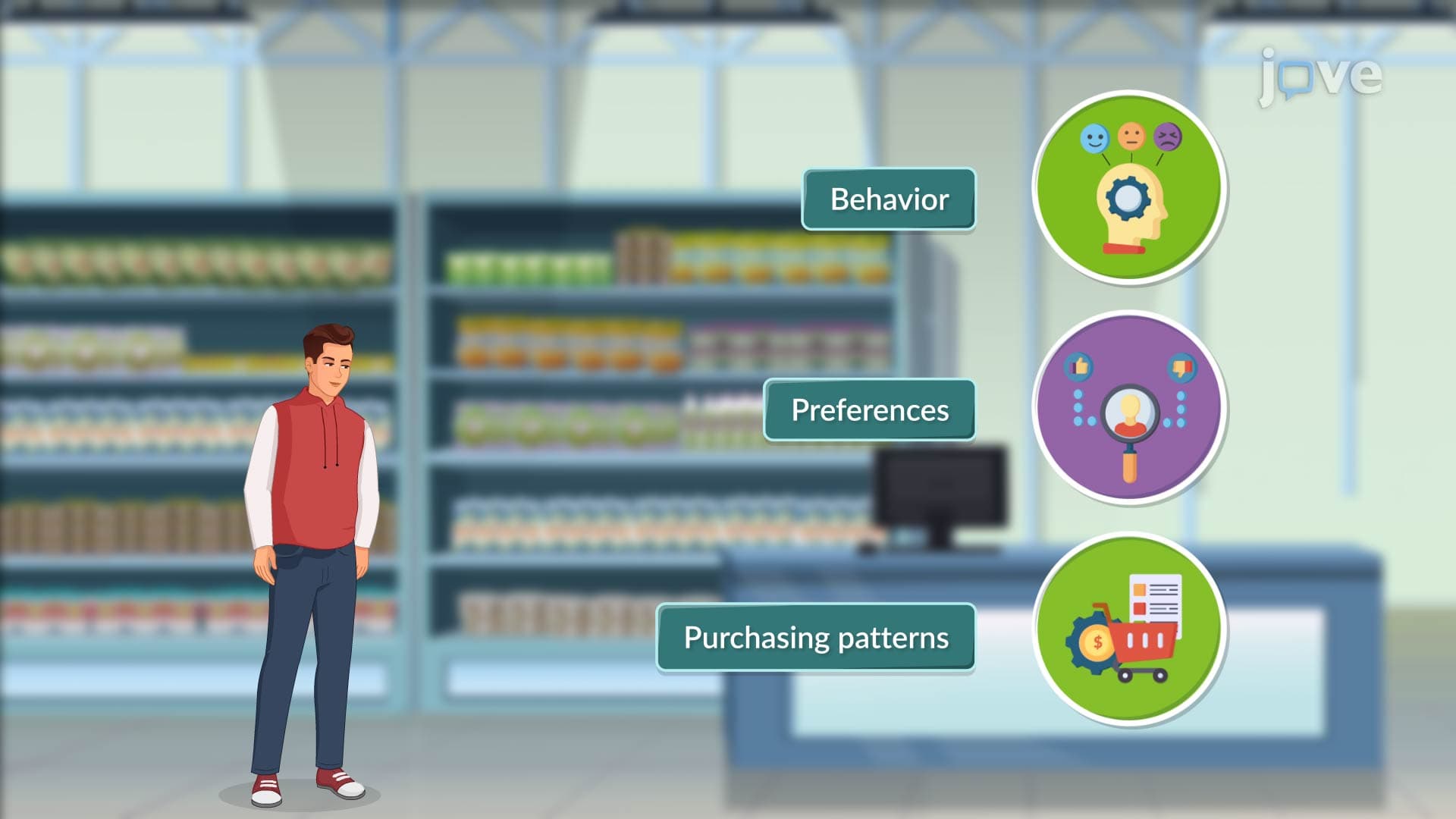
The key lies in consistency across all touchpoints and continuous optimization based on customer behavior data and market feedback.
Related Micro-courses