Loading video…


 24 Concepts
 36.6K views

Video Summary: Engel Kollat Blackwell Ekb Model Explained
Consumer behavior analysis drives over $15 trillion in annual US purchasing decisions, making the Engel Kollat Blackwell EKB framework essential for business leaders. This five-stage decision model helps companies like Amazon optimize customer journeys from problem recognition through post-purchase loyalty. The Engel Kollat Blackwell EKB Model Explained provides actionable insights for marketing strategy, product positioning, and revenue optimization across industries. Watch the full video on JoVE Coach to master this concept with expert-led visuals and step-by-step explanations.
Modern enterprises face increasing complexity in customer acquisition and retention. The Engel Kollat Blackwell EKB Model provides a systematic framework for understanding how customers move from initial need recognition to brand loyalty-critical intelligence for revenue growth and competitive positioning.
Problem recognition represents the catalyst for all business transactions. When Netflix executives recognized consumers' frustration with late fees and limited selection at Blockbuster, they identified a market opportunity worth billions. Internal factors (customer pain points, unmet needs) combine with external stimuli (competitive actions, technological advances) to create purchase triggers. Smart companies monitor both dimensions to anticipate demand shifts and position products accordingly.
The information search and evaluation phases determine market share battles. During these stages, customers research solutions and compare options-prime opportunities for strategic intervention. Salesforce dominates CRM markets partly by ensuring their platform appears prominently during information searches and clearly differentiates during evaluations. Companies must optimize digital presence, thought leadership content, and competitive positioning to win during these critical stages.
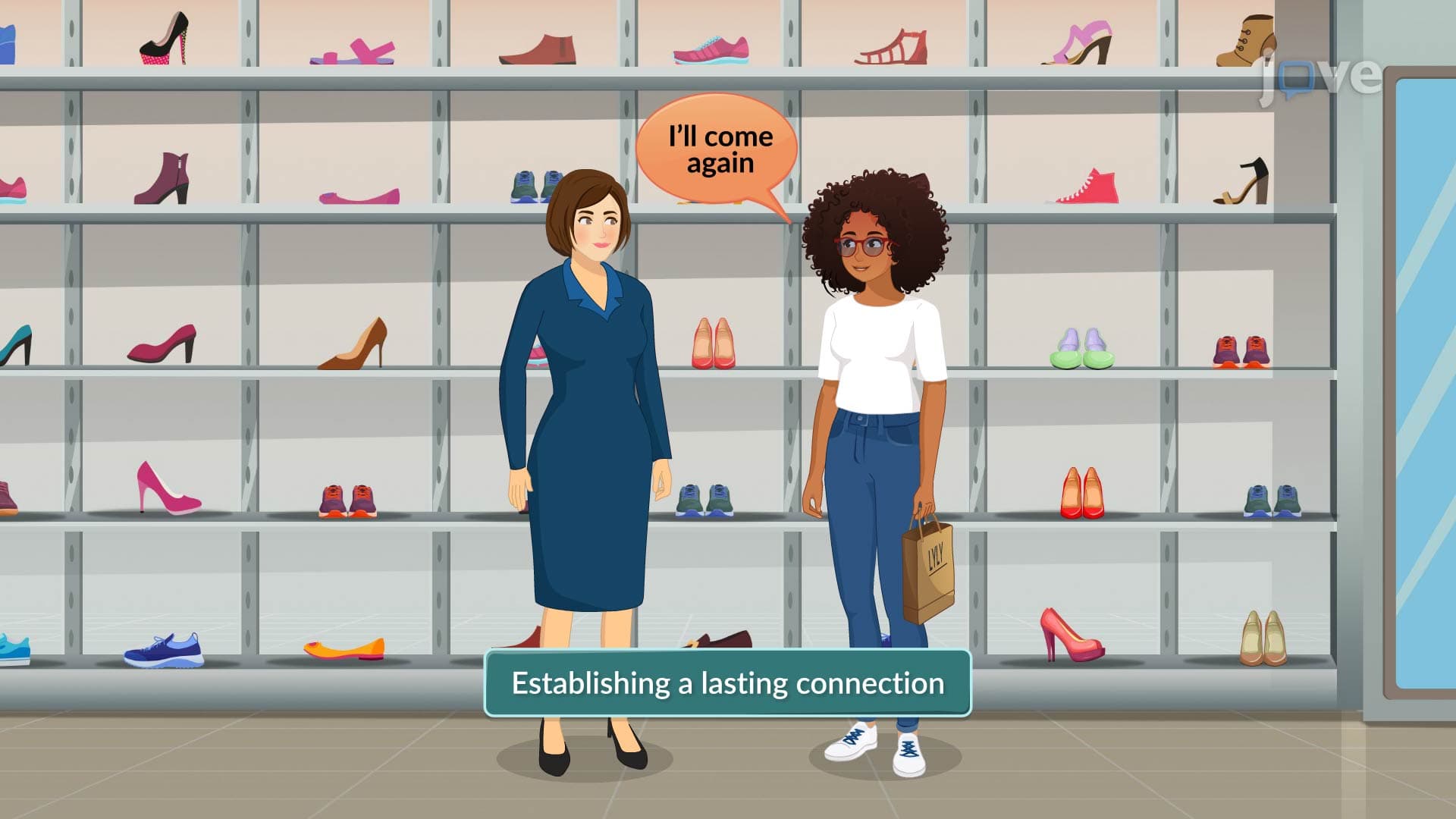
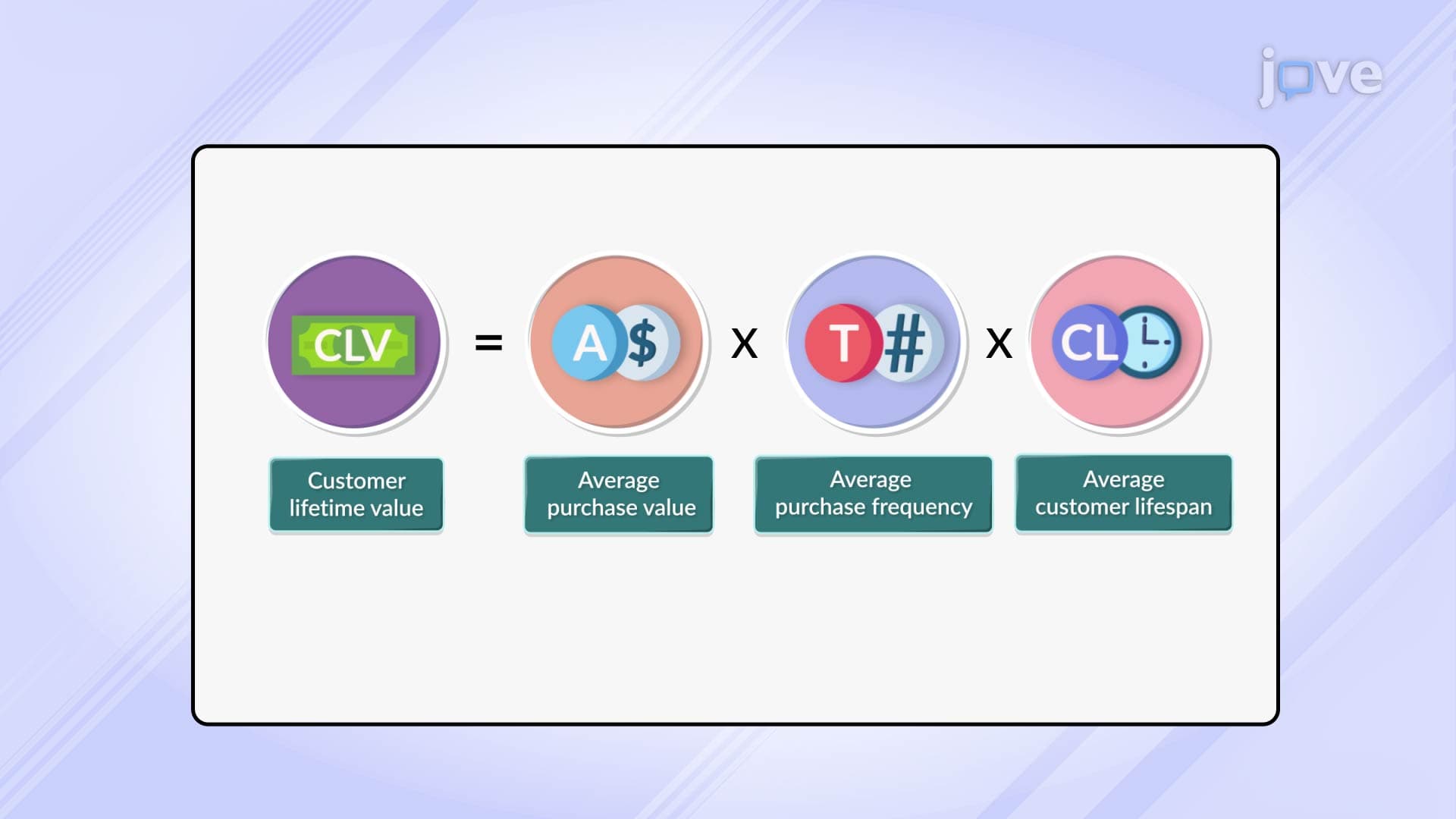
Purchase decisions often involve multiple stakeholders and complex approval processes, especially in B2B contexts. Post-purchase behavior drives customer lifetime value through repeat purchases, referrals, and brand advocacy. Apple's ecosystem strategy exemplifies this approach-initial iPhone purchases lead to additional hardware, services, and sustained loyalty. Understanding these final stages enables companies to design better onboarding experiences and loyalty programs that maximize customer value over time.
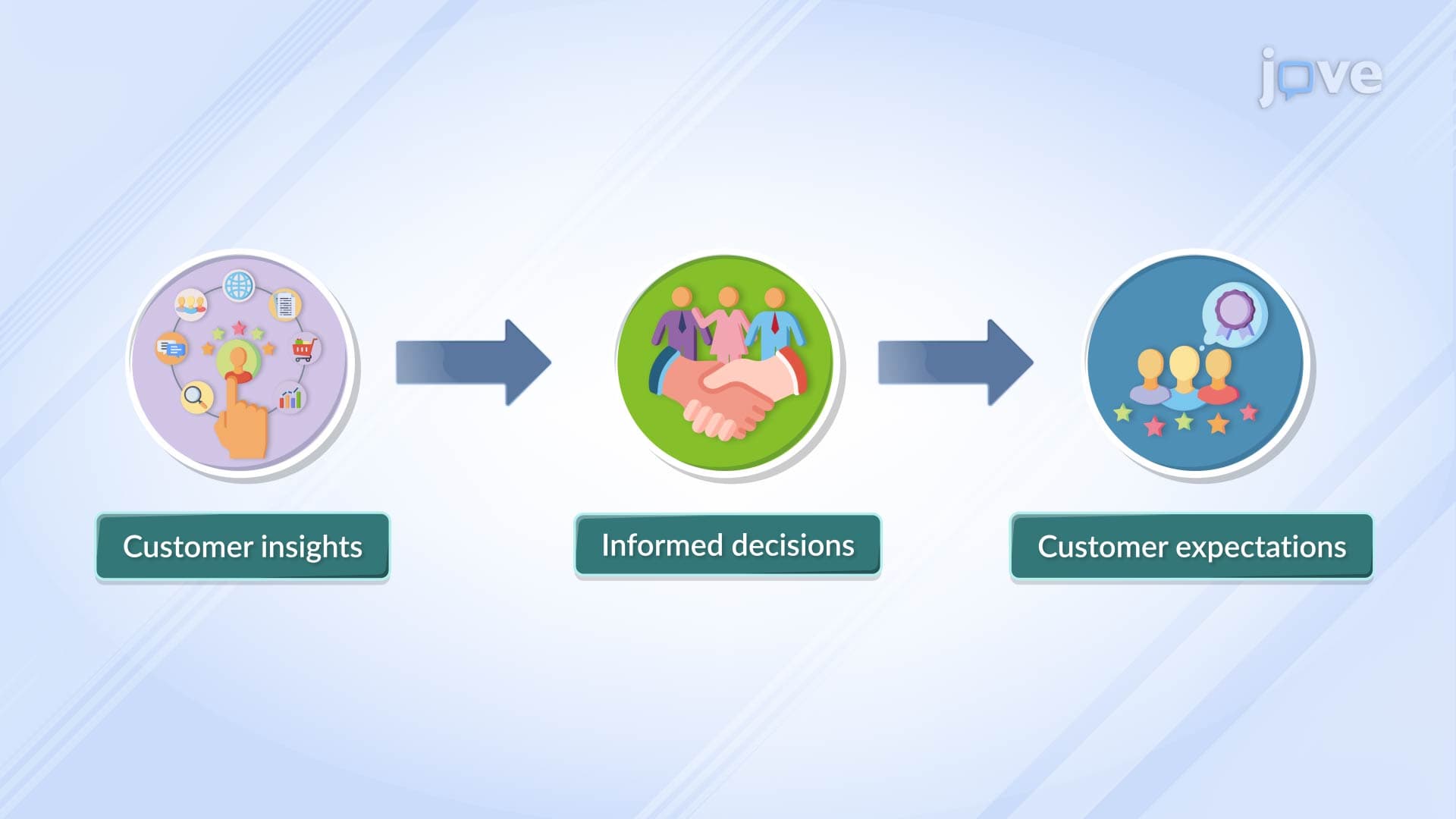
The EKB model's greatest value lies in its systematic approach to customer journey optimization. Marketing teams can allocate budgets more effectively by understanding which touchpoints influence each stage. Sales organizations can tailor approaches based on where prospects sit in the decision process. Product managers can design features that address specific evaluation criteria. However, successful implementation requires recognizing the model's limitations-particularly when emotional factors or organizational politics override rational decision-making processes.
Related Micro-courses