Loading video…


 24 Concepts
 36.6K views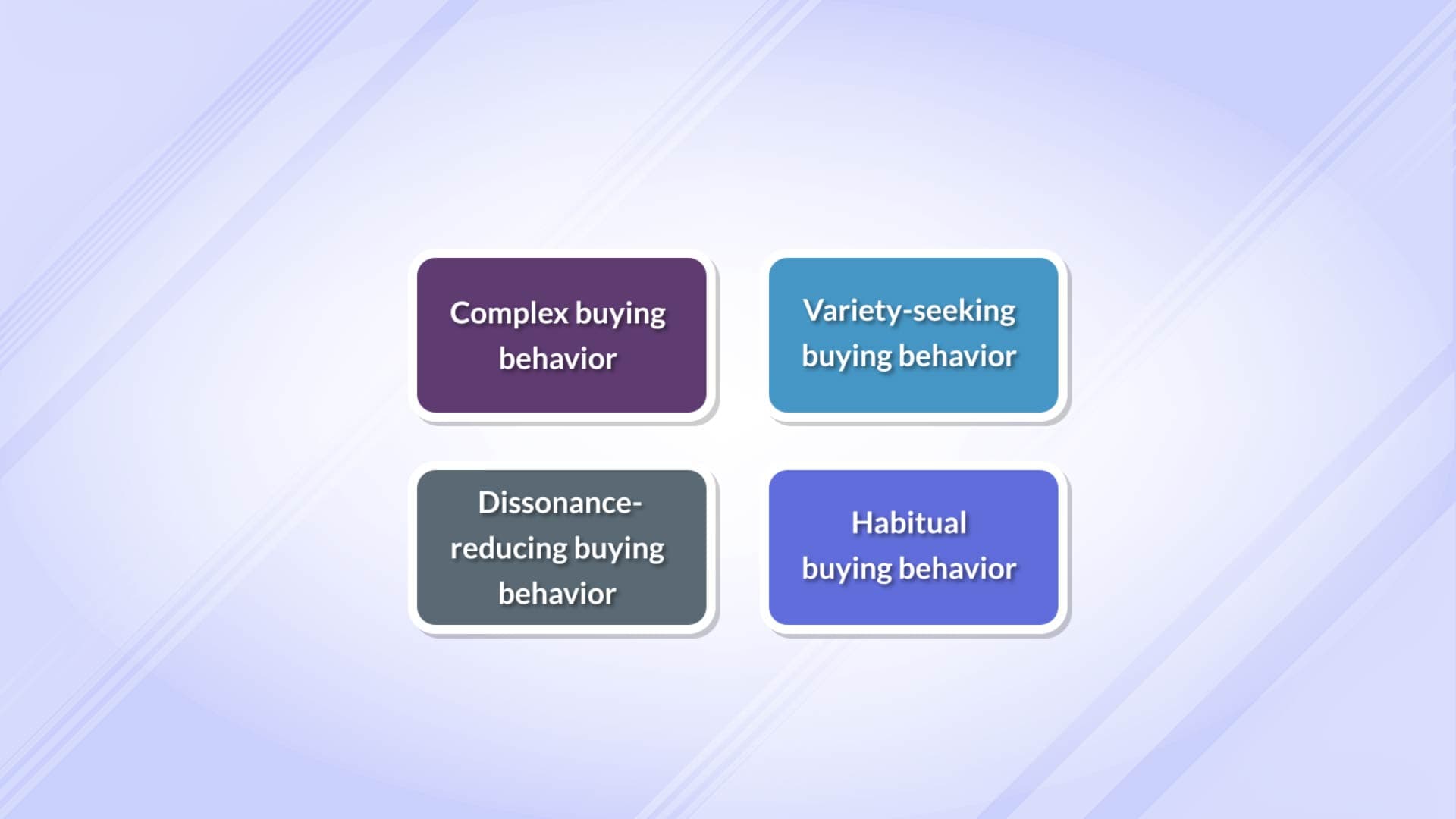

Video Summary: What Is Buying Behavior
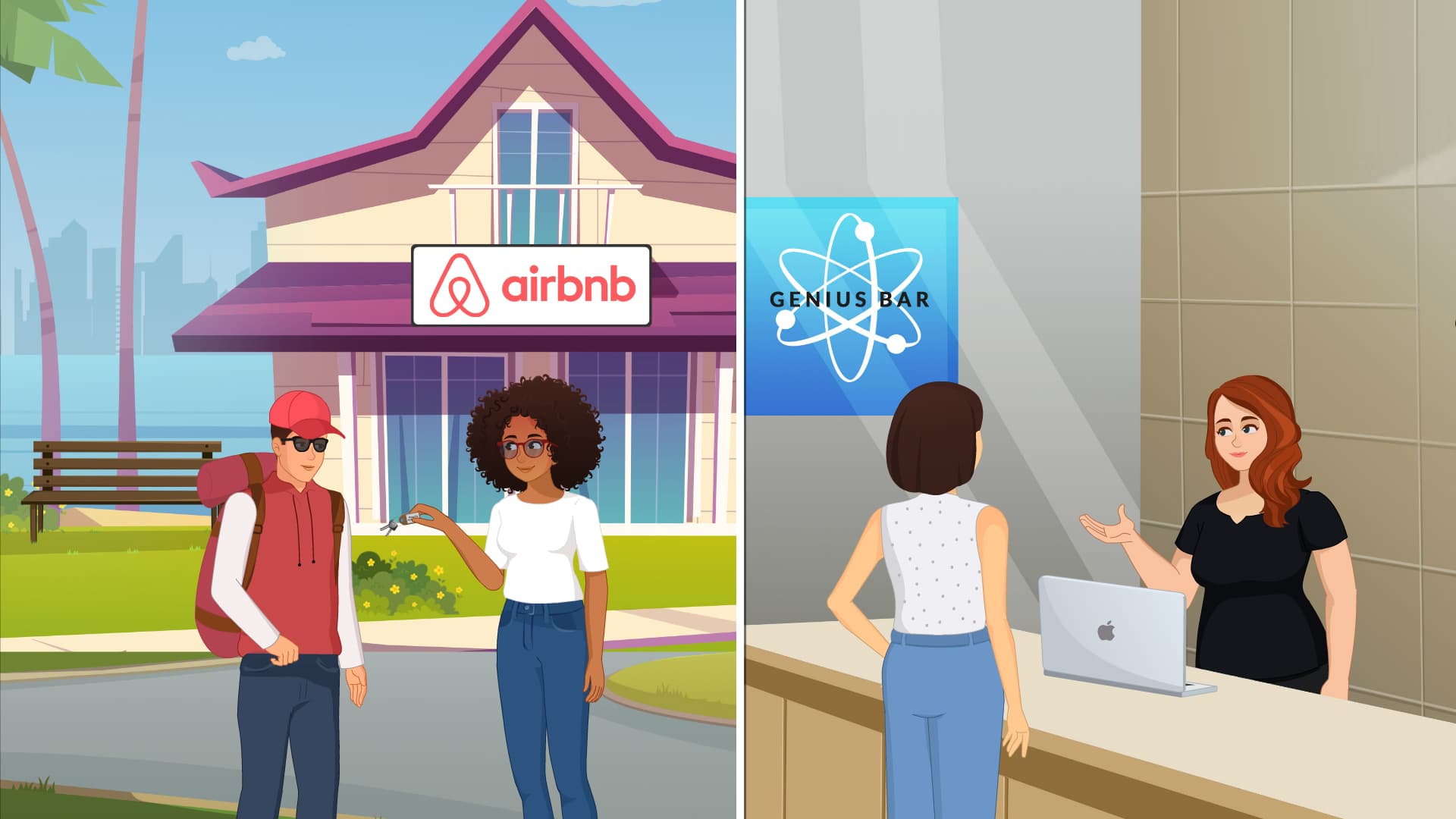
Understanding buying behavior drives strategic revenue decisions across every industry, from Tesla's direct-to-consumer model to Amazon's recommendation algorithms. This framework categorizes consumer purchasing patterns into four distinct types based on involvement levels and brand differentiation-essential knowledge for optimizing marketing spend, pricing strategies, and customer acquisition costs. Apple's ecosystem strategy exemplifies how companies leverage these behavioral insights to build billion-dollar product portfolios. Watch the full video on JoVE Coach to master this concept with expert-led visuals and step-by-step explanations.
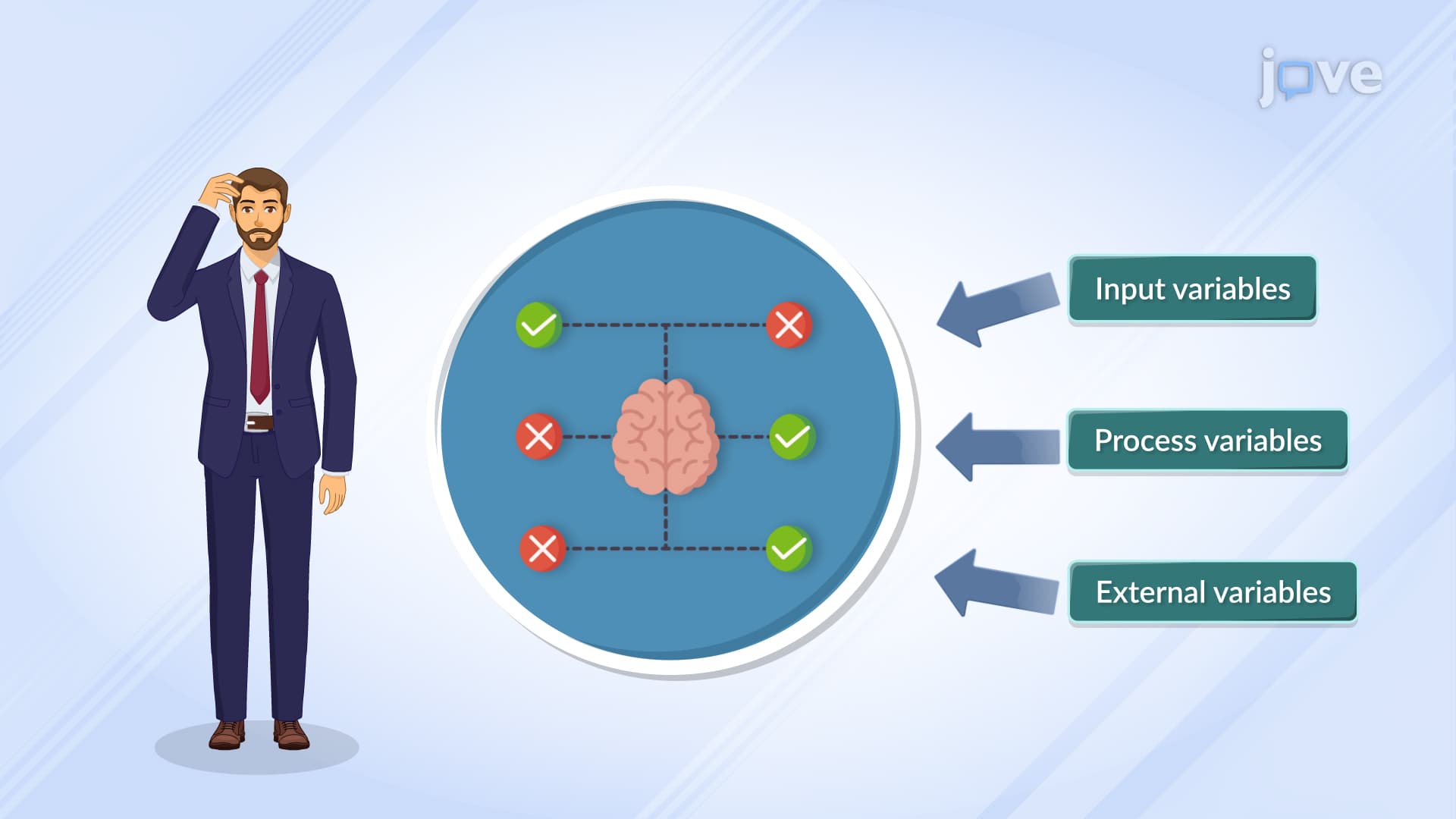
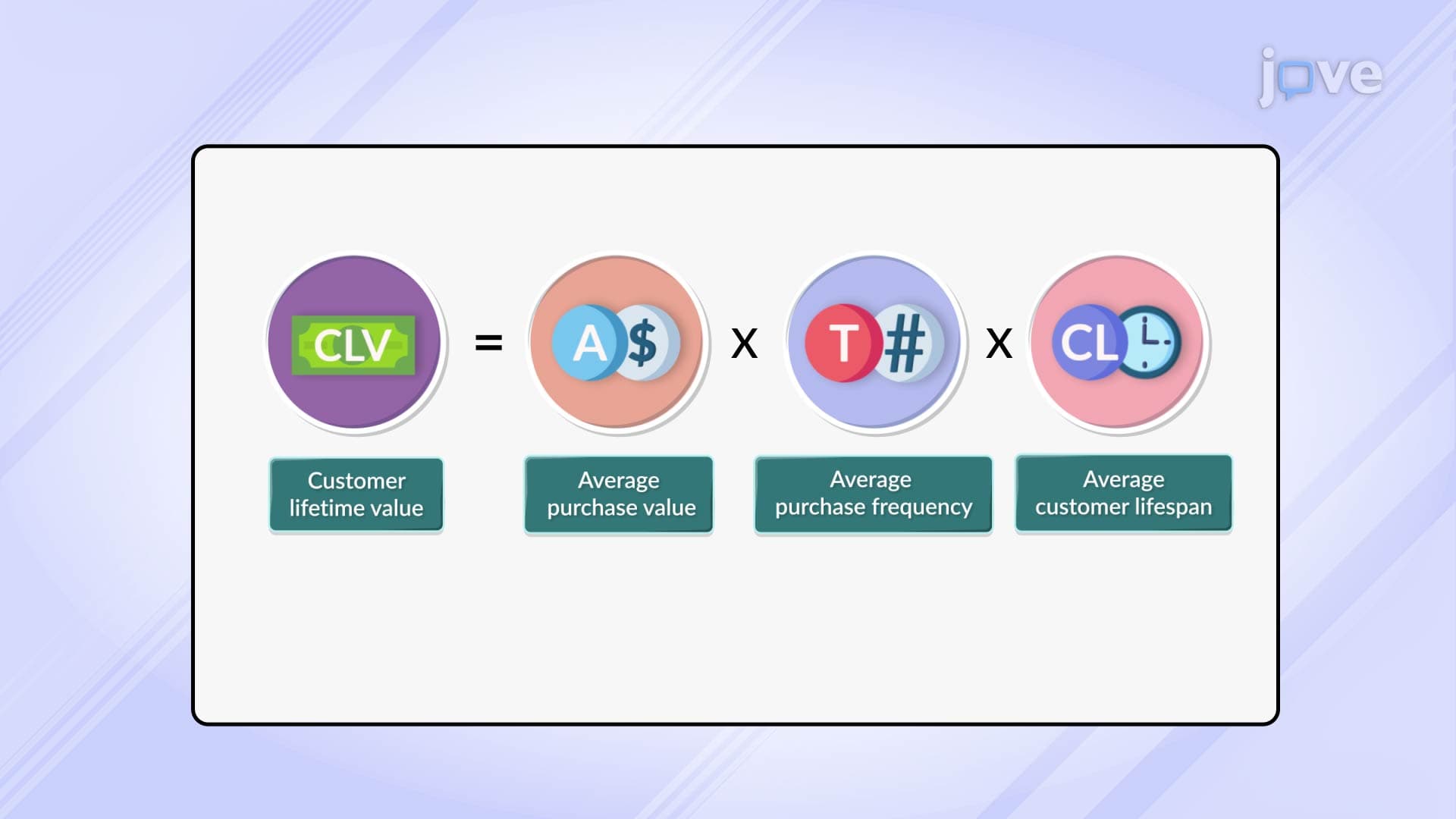
Modern executives face mounting pressure to optimize customer acquisition costs while maximizing lifetime value. The buying behavior framework provides a systematic approach to understanding how customers make purchase decisions, enabling data-driven resource allocation across marketing channels, sales processes, and product development initiatives.
Complex buying behavior emerges in high-involvement, high-differentiation scenarios where customers invest significant time and cognitive resources. Tesla's direct-sales model capitalizes on this behavior-potential buyers research extensively, compare Model S versus Model 3 specifications, analyze total cost of ownership, and evaluate charging infrastructure. Companies serving this segment must invest in comprehensive educational content, detailed product specifications, and consultative sales approaches. The B2B software sector exemplifies this pattern, where enterprise clients evaluate multiple vendors over 6-12 month cycles, requiring dedicated sales engineering resources and extensive proof-of-concept investments.
Dissonance-reducing behavior occurs when involvement remains high but brand differentiation appears limited. Microsoft's enterprise software dominance reflects this dynamic-IT decision-makers select Office 365 or Teams, then actively seek validation through case studies and peer reviews to justify their choice. This behavior demands robust post-purchase support and customer success programs to prevent buyer's remorse and competitive switching.
Habitual buying behavior drives enormous revenue streams through predictable, low-involvement purchases. Procter & Gamble's consumer goods empire leverages this pattern-customers automatically repurchase Tide detergent or Crest toothpaste without extensive evaluation. Success requires supply chain excellence, consistent quality, and strategic shelf placement rather than complex marketing campaigns.
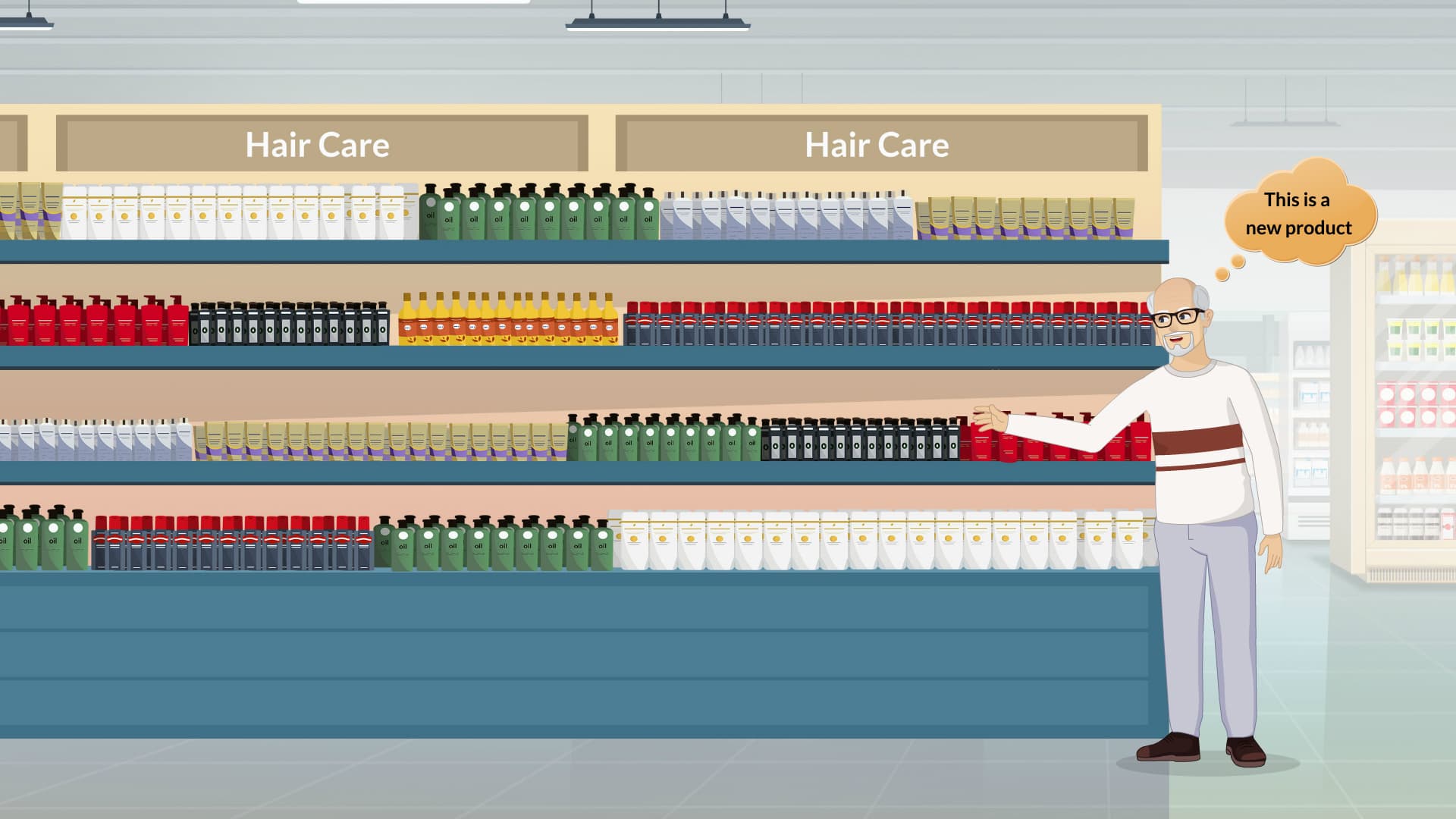
Variety-seeking customers present both opportunity and risk. Starbucks navigates this challenge through seasonal menu rotations and limited-time offerings, preventing customer defection to competitors while maintaining core product loyalty. This behavior type demands continuous innovation pipelines and agile product development capabilities to capture shifting preferences before competitors do.
Related Micro-courses