Loading video…


 24 Concepts
 36.6K views

Video Summary: What Is Consumer Decision Process
Today's business leaders must decode how customers navigate increasingly complex purchasing journeys across digital and physical touchpoints. The consumer decision process provides a strategic framework for understanding buyer behavior, from initial problem recognition through post-purchase evaluation. Companies like Amazon have revolutionized each stage, using personalized recommendations during information search and one-click purchasing to streamline decision-making. Mastering the consumer decision process enables professionals to optimize marketing funnels, improve customer experience, and drive revenue growth. Watch the full video on JoVE Coach to master this concept with expert-led visuals and step-by-step explanations.
Modern business success hinges on understanding how customers make purchasing decisions in an omnichannel marketplace. When Starbucks expanded beyond coffee into food, retail products, and digital experiences, they leveraged deep consumer decision process insights to guide customers through each stage seamlessly. The consumer decision process represents a systematic approach to buyer behavior that helps executives anticipate customer needs, allocate marketing resources effectively, and design experiences that drive profitable growth.
Marketing leaders use the consumer decision process definition to orchestrate integrated campaigns that address specific stages. During problem recognition, companies like Nike create aspirational content that helps customers identify performance gaps. The information search stage becomes critical for B2B software companies, where decision-makers evaluate complex solutions over months. Evaluation of alternatives requires sophisticated competitive positioning-Apple's product ecosystem creates switching costs that influence comparative analysis. The purchase decision stage demands friction-free experiences, which explains Amazon's patent on one-click ordering.
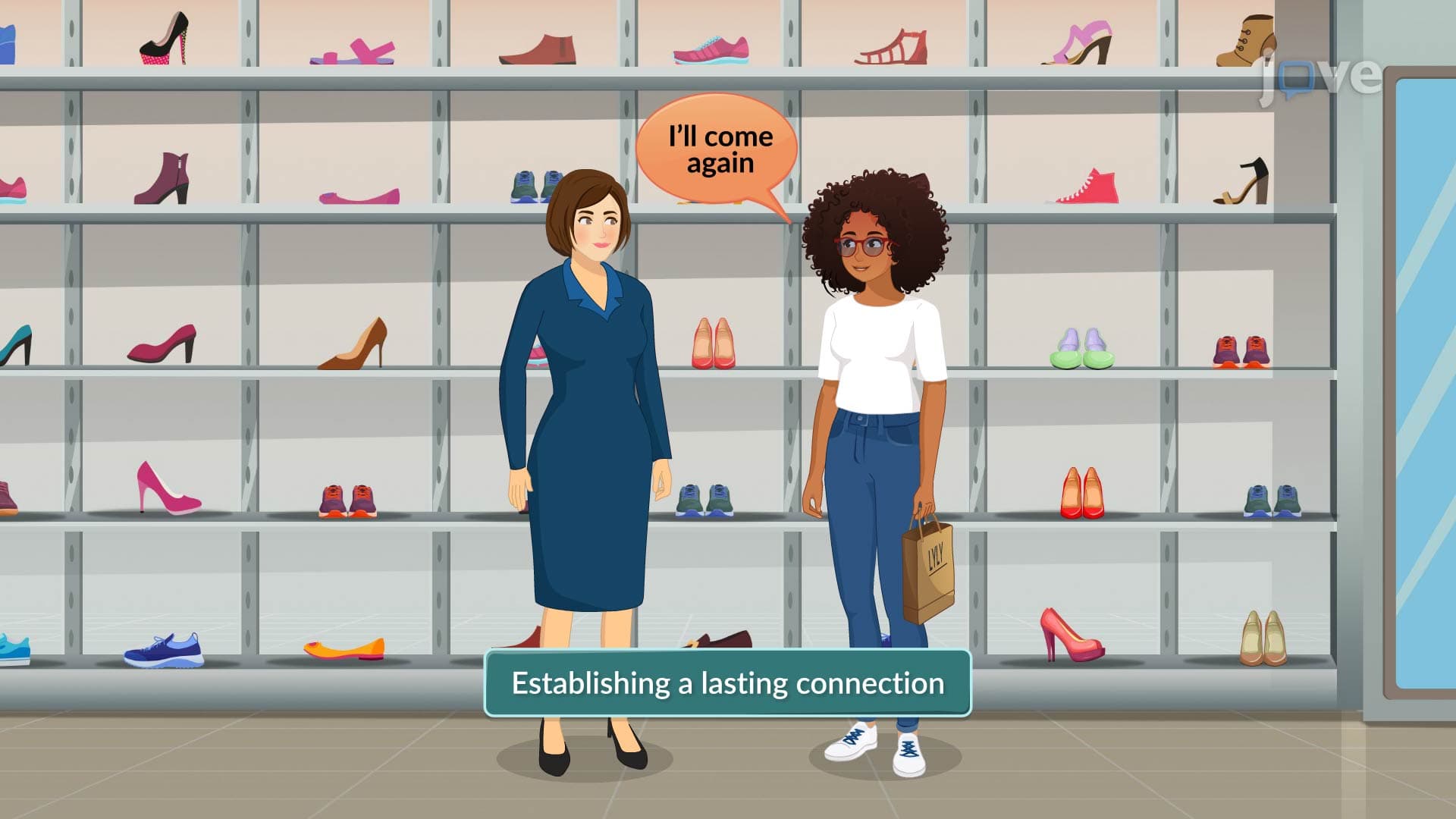
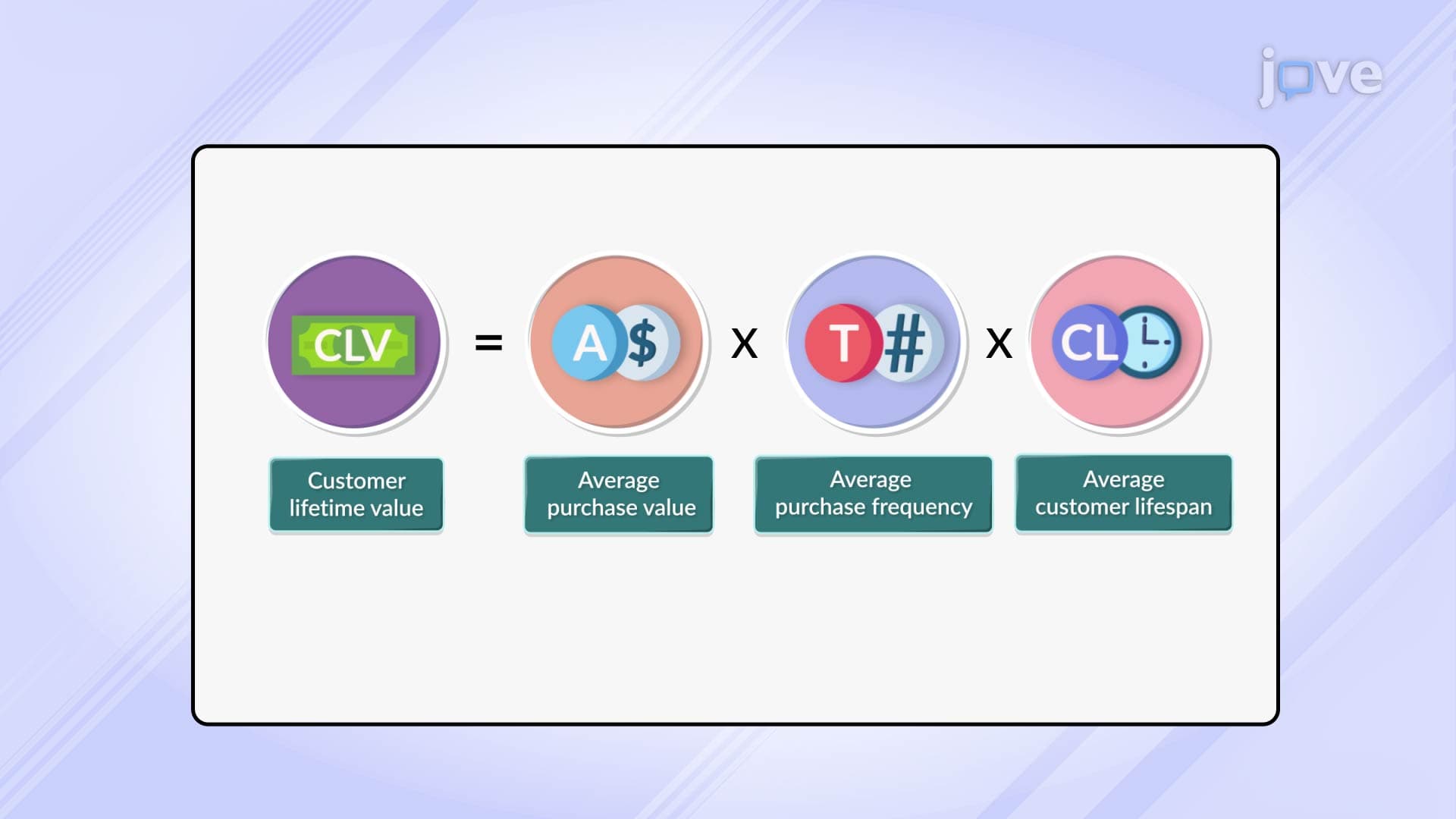
Finance and operations teams apply consumer decision process insights to forecast demand patterns and optimize inventory management. Retail giants like Target analyze seasonal decision-making cycles to time promotions and stock levels. The post-purchase evaluation stage directly impacts customer lifetime value calculations and retention strategies. Companies tracking Net Promoter Scores and customer satisfaction metrics use this final stage to identify improvement opportunities and reduce churn.
Strategic planning teams leverage the consumer decision process to understand competitive vulnerabilities and market opportunities. When Tesla entered the automotive market, they disrupted traditional dealer networks by controlling the entire decision process through direct sales and digital experiences. Understanding how customers evaluate alternatives helps companies like Microsoft position cloud services against competitors by addressing specific decision criteria like security, scalability, and total cost of ownership.
Related Micro-courses