Loading video…


 24 Concepts
 36.6K views

Video Summary: Buying Behavior for a New Product Explained
Understanding buying behavior new product patterns directly impacts product launch success and revenue forecasting. When Apple introduced the first iPhone in 2007, consumer hesitation despite revolutionary features demonstrated how unfamiliarity drives cautious purchasing decisions. The buying behavior for a new product explained framework reveals why customers delay purchases, seek social proof, and require multiple touchpoints before adoption. This knowledge helps professionals optimize go-to-market strategies and reduce customer acquisition costs. Watch the full video on JoVE Coach to master this concept with expert-led visuals and step-by-step explanations.
When Netflix transitioned from DVD-by-mail to streaming in 2007, the company faced a classic new product adoption challenge. Despite offering superior convenience, millions of customers hesitated to embrace the unfamiliar technology, clinging to physical media they understood. This scenario illustrates why buying behavior new product analysis has become essential for executives navigating product launches and portfolio expansions.
Professional marketers recognize that what is buying behavior for a new product encompasses a distinct decision-making process fundamentally different from repeat purchases. The framework includes: awareness generation, interest cultivation, comprehensive evaluation, trial engagement, and final adoption. Unlike established products where brand loyalty and habit drive purchases, new products require customers to overcome uncertainty, perceived risk, and switching costs.
Smart product managers at companies like Tesla understood this when launching electric vehicles. They didn't just highlight superior technology-they created extensive test-drive programs, built charging infrastructure visibility, and leveraged early adopter testimonials to address range anxiety and unfamiliarity concerns.
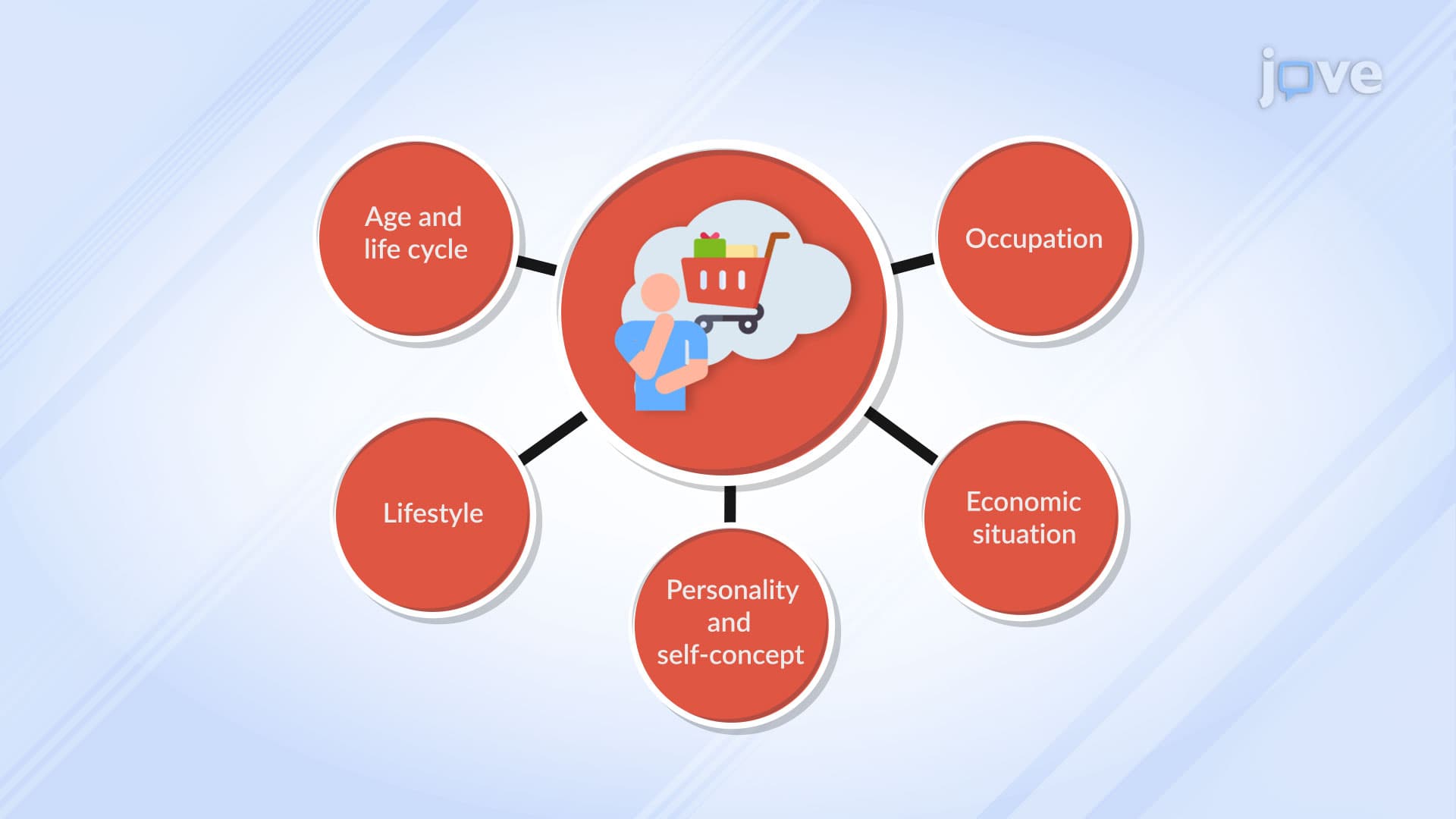
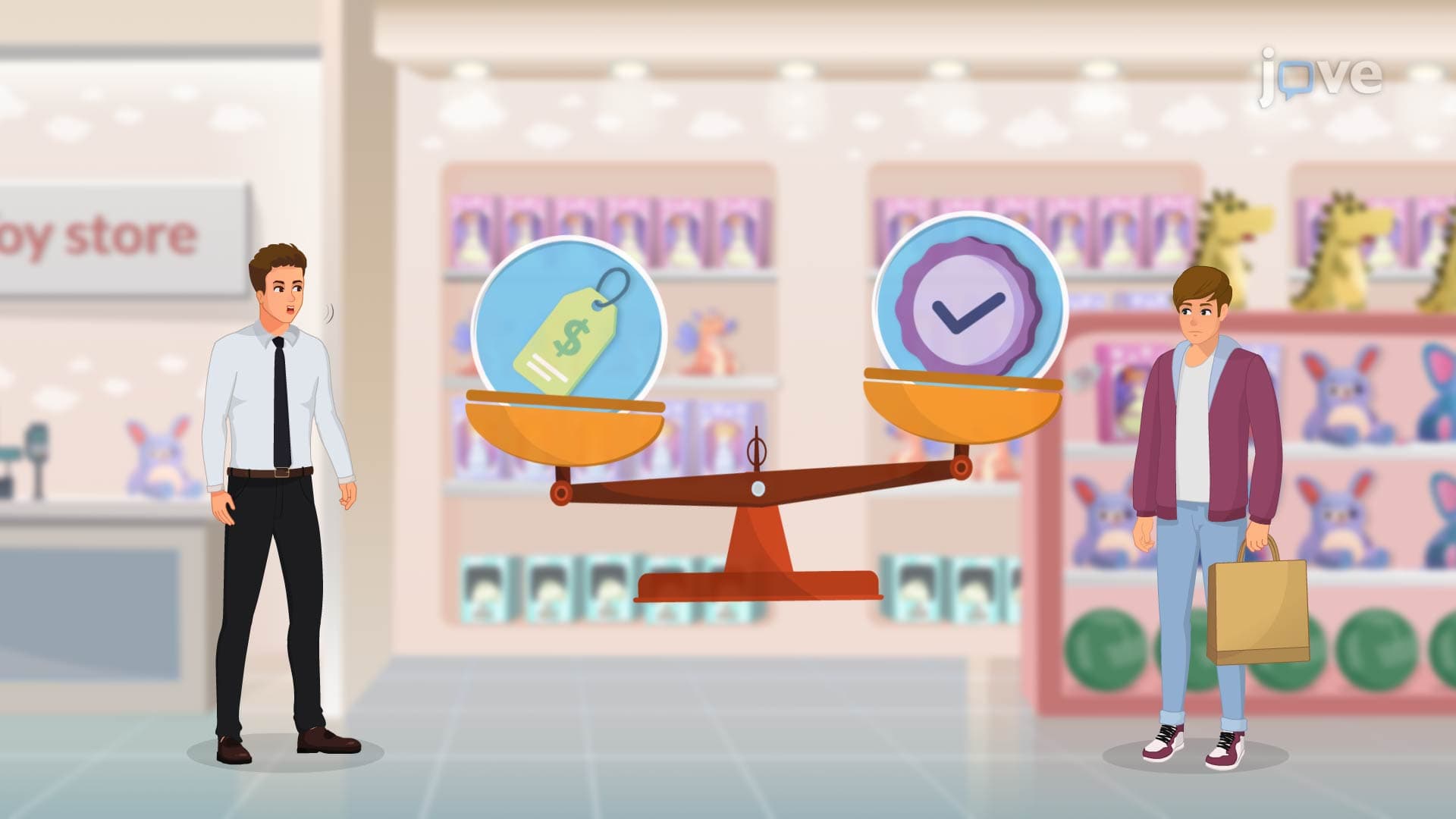
The buying behavior for a new product study guide principles reveal that successful launches require systematic risk reduction. Customers evaluate new products through multiple lenses: functional performance, financial investment, social acceptance, and psychological comfort. Amazon's approach with Alexa exemplified this understanding-they priced the initial Echo competitively, partnered with familiar brands, and created simple setup processes to minimize adoption barriers.
Understanding new product buying behavior directly impacts competitive positioning and resource allocation decisions. When established players launch innovations, they leverage existing customer relationships and brand trust to accelerate adoption. However, startups can exploit incumbent hesitation by creating more targeted solutions for early adopter segments, as seen with companies like Zoom disrupting established video conferencing markets through superior user experience and simplified pricing models.
Related Micro-courses