Loading video…


 24 Concepts
 36.6K views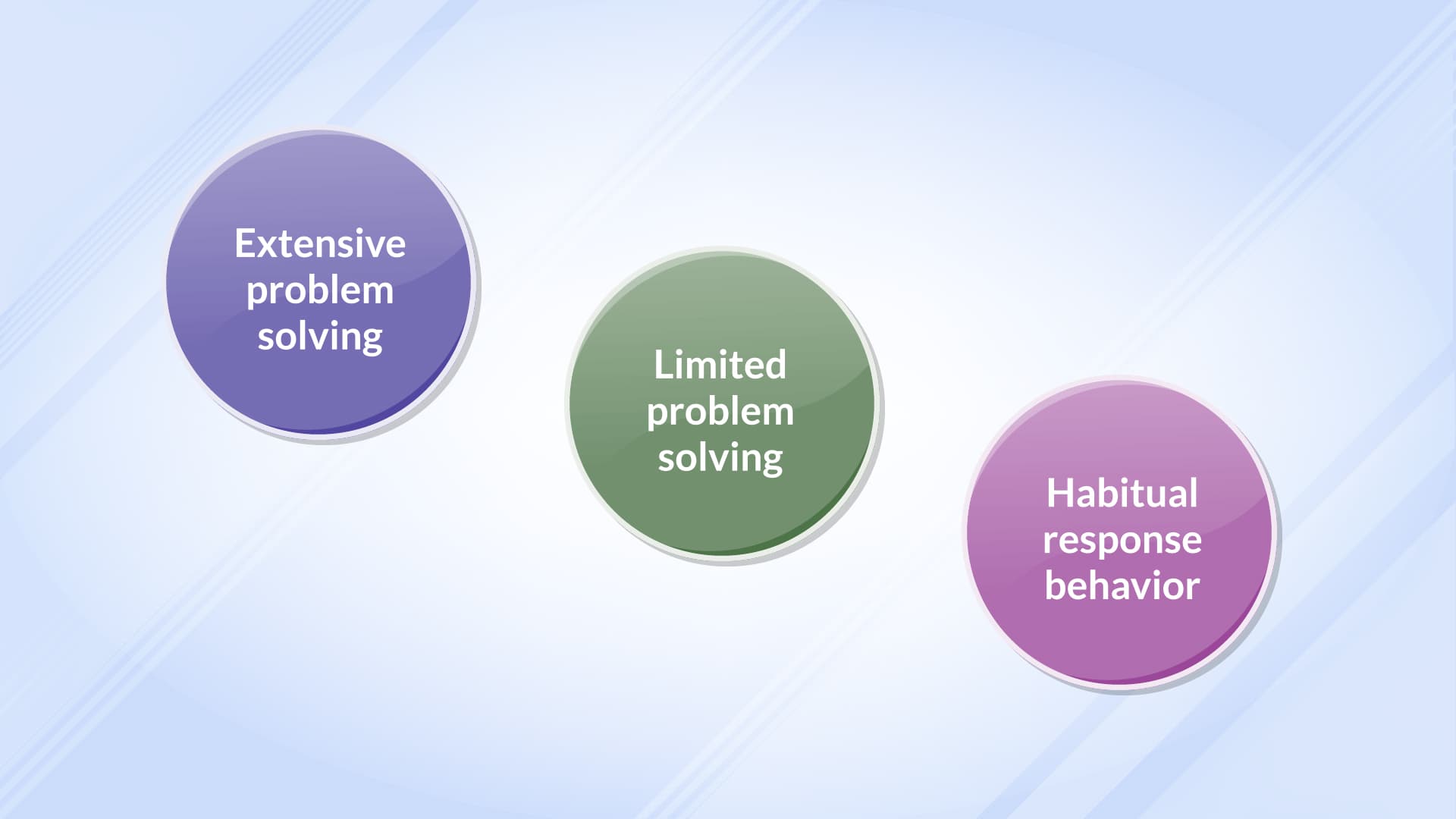

Video Summary: What Is Howard Sheth Model
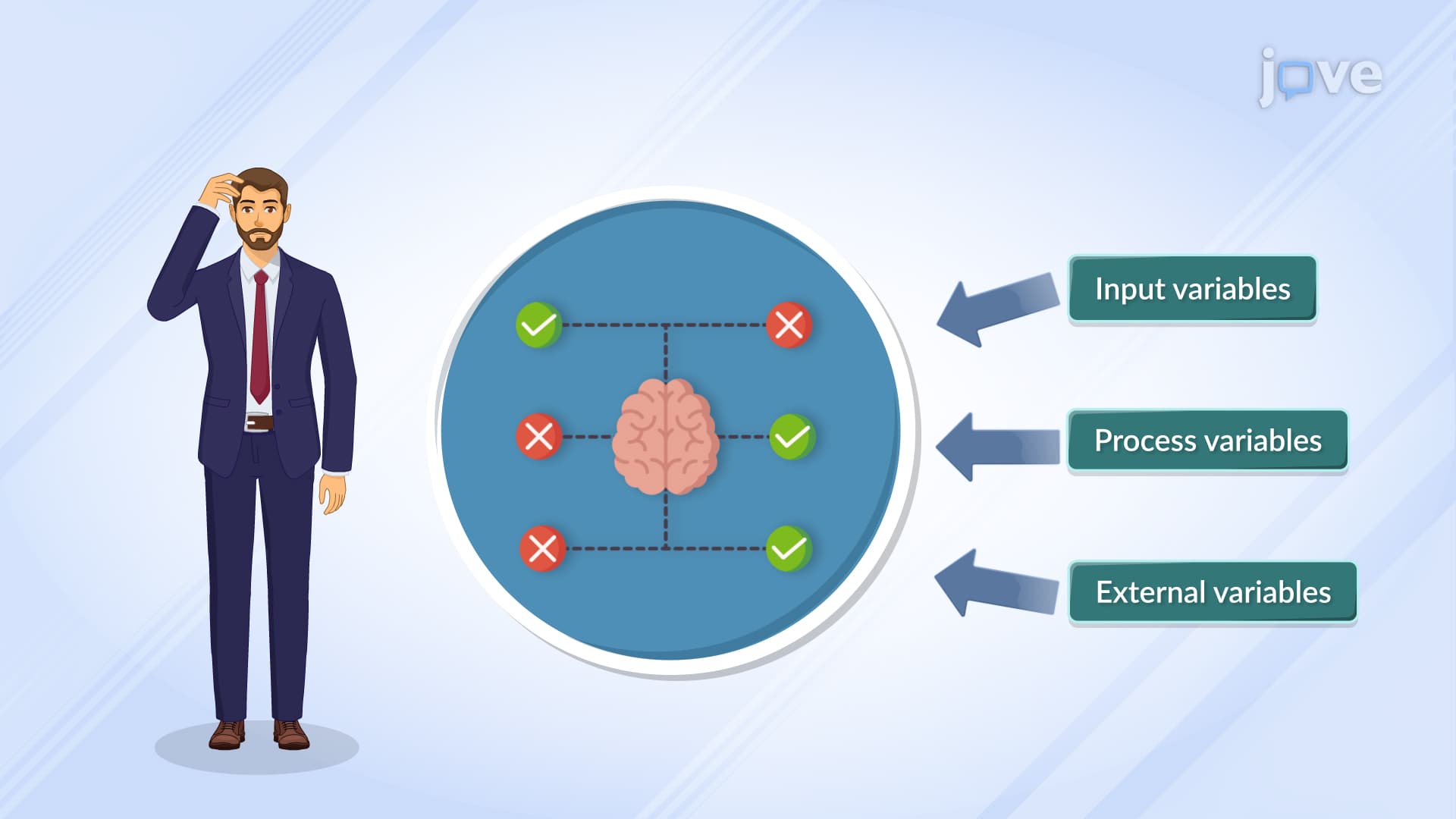
When consumer behavior insights drive strategic decisions at companies like Amazon or Apple, understanding systematic decision-making frameworks becomes critical for competitive advantage. The Howard Sheth Model provides business leaders with a comprehensive framework for analyzing consumer behavior across three distinct decision-making levels: extensive problem-solving for high-involvement purchases, limited problem-solving for moderate consideration decisions, and habitual response behavior for routine choices. This cognitive-based model helps professionals predict customer behavior patterns and optimize marketing strategies accordingly. Watch the full video on JoVE Coach to master this concept with expert-led visuals and step-by-step explanations.
Consider Tesla's challenge in positioning their vehicles across different market segments. While their Model S appeals to extensive problem-solving buyers who research extensively before purchasing a $100,000+ electric vehicle, their Model 3 targets limited problem-solving consumers balancing features with convenience. The Howard Sheth Model provides the strategic framework to understand these distinct consumer behaviors.
The model's strength lies in its systematic categorization of consumer decision-making complexity. Extensive problem-solving applies to high-stakes purchases where customers invest significant time and cognitive resources. Think enterprise software implementations at Fortune 500 companies-IT leaders conduct thorough vendor evaluations, pilot programs, and stakeholder consultations before committing to multi-year contracts.
Limited problem-solving characterizes moderate-involvement decisions where efficiency matters alongside thorough analysis. Professional services firms selecting new project management tools exemplify this category-they need functionality but can't afford extensive evaluation periods that delay operations.
Habitual response behavior governs routine, low-involvement purchases where established preferences drive decisions. Office supply procurement at most corporations follows this pattern-procurement teams rely on established vendor relationships and standardized ordering processes.
The Howard Sheth Model's emphasis on cognitive rationality offers both opportunities and limitations for strategic planning. Companies like Microsoft have successfully leveraged this framework by creating detailed comparison matrices and ROI calculators for their enterprise solutions, supporting the extensive problem-solving process their B2B customers require.
However, the model's limitations become apparent in rapidly evolving markets. Netflix's disruption of traditional media demonstrates how emotional factors and behavioral changes can override rational decision-making frameworks. The model's complexity also requires substantial market research investment, making it more suitable for established companies with dedicated consumer insights teams rather than agile startups.
Modern business applications must balance the Howard Sheth Model's cognitive focus with behavioral economics insights. Amazon's recommendation engine, for instance, combines rational product comparisons with behavioral triggers like social proof and urgency. This hybrid approach acknowledges the model's valuable systematic framework while addressing its limitations in predicting emotional and impulsive purchasing behavior.
Related Micro-courses