Loading video…


 24 Concepts
 36.6K views

Video Summary: What Is Sociological Model
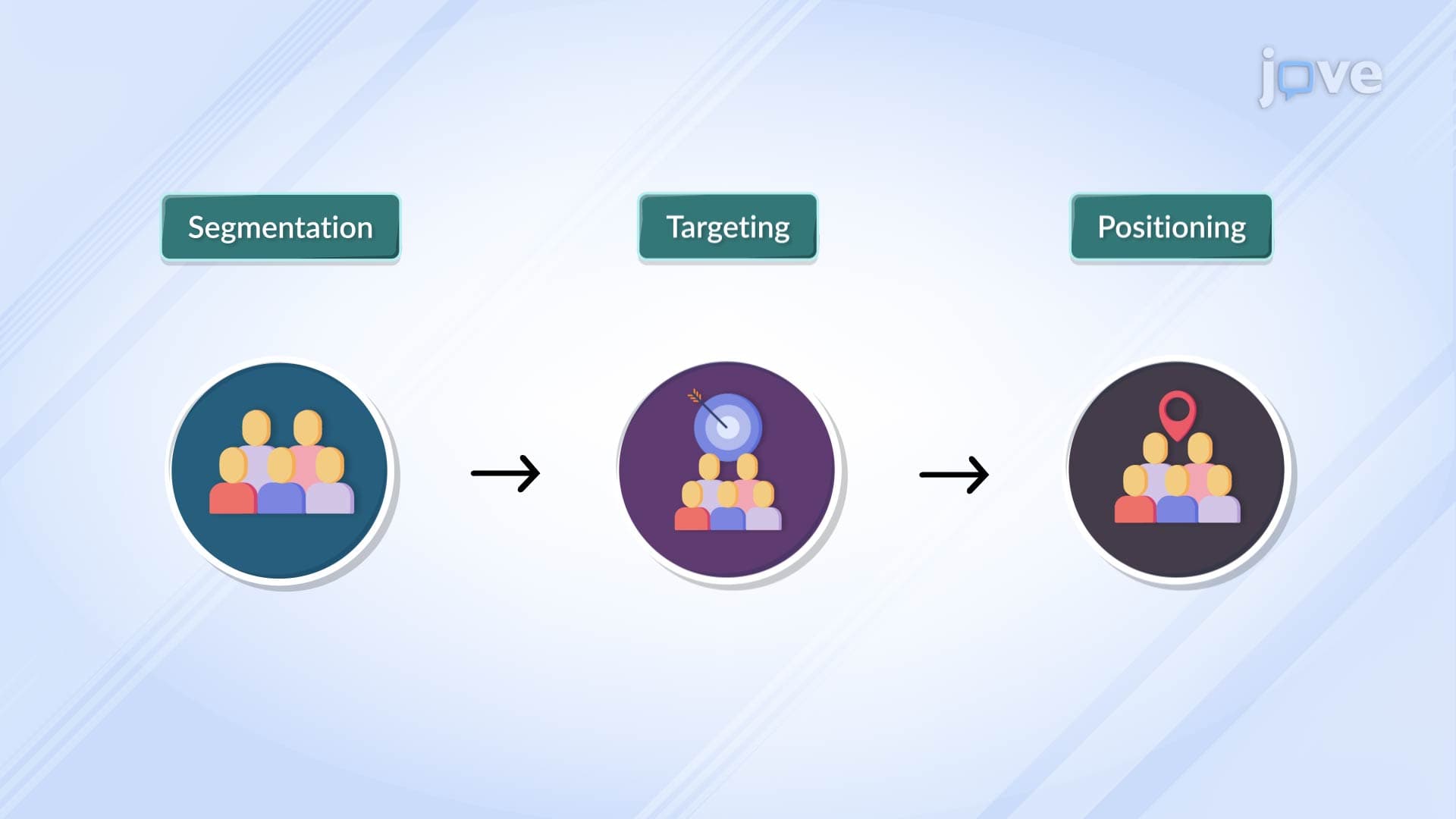
Consumer behavior drives $15 trillion in annual U.S. spending, yet many business leaders struggle to predict purchasing patterns effectively. The sociological model provides a framework for understanding how social factors, cultural background, and interpersonal relationships shape consumer decisions. Companies like Nike have leveraged this approach to create inclusive marketing campaigns that resonate across diverse demographics, significantly expanding their market reach. This consumer behavior framework helps executives develop more targeted segmentation strategies and product positioning. Watch the full video on JoVE Coach to master this concept with expert-led visuals and step-by-step explanations.
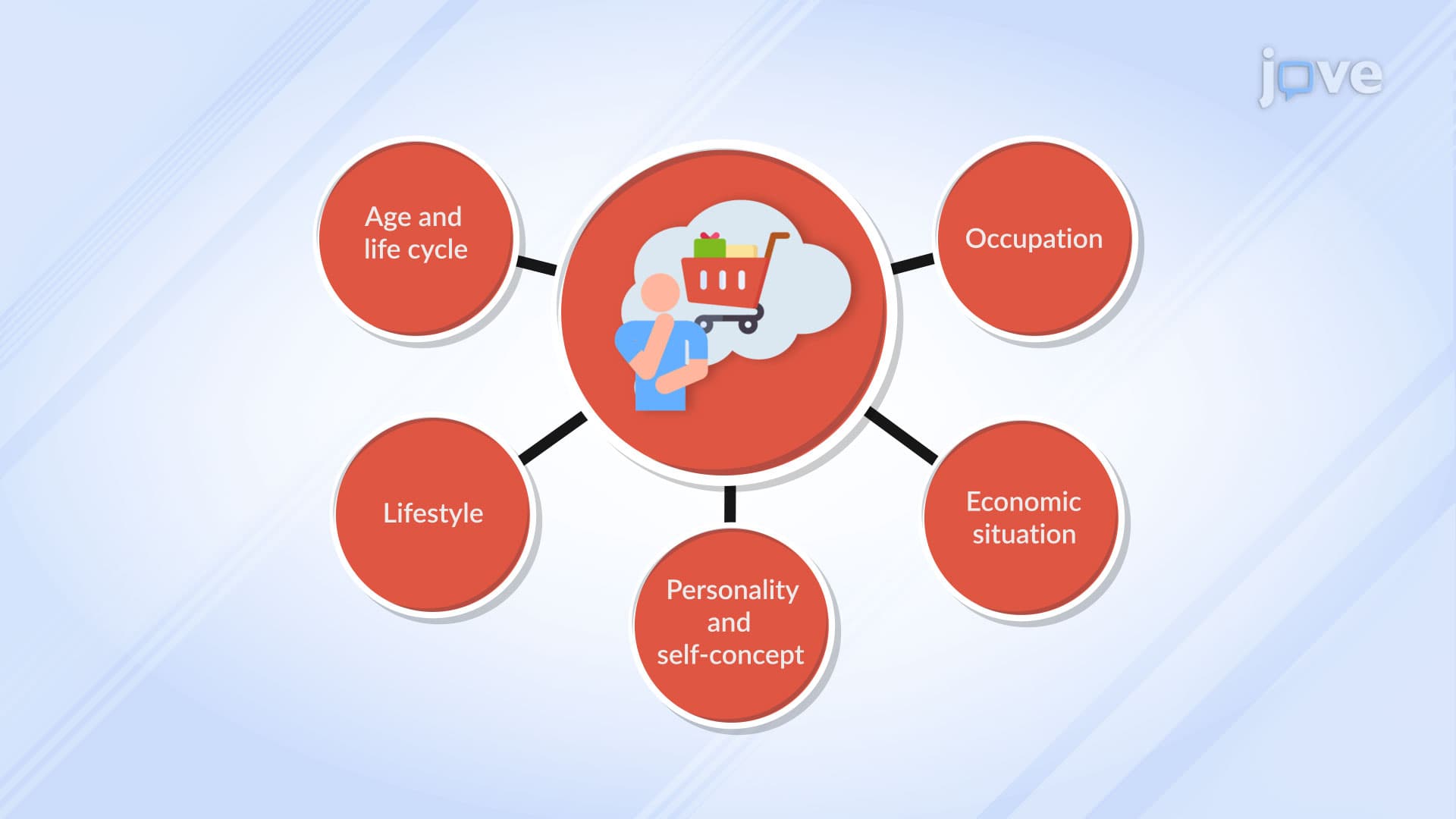
When Starbucks expanded globally, executives discovered that their Seattle coffee house culture didn't translate universally. This challenge illustrates why the sociological model has become essential for modern business strategy. Unlike psychological models that focus on individual decision-making, the sociological model examines how social environment, cultural background, and group dynamics collectively influence consumer behavior.
The sociological model definition encompasses three primary drivers: cultural values, social class dynamics, and institutional influences. Cultural values shape fundamental preferences-explaining why organic food markets thrive in certain ZIP codes while convenience-focused options dominate others. Social class impacts spending patterns, brand preferences, and communication channels. Meanwhile, social institutions like family structures, religious organizations, and professional networks create purchasing norms and acceptable consumption behaviors.
For business leaders, this framework translates into actionable market intelligence. Target's collaboration with high-end designers succeeded because executives understood how social status aspirations drive purchasing decisions across income levels. The retailer created accessible luxury that allowed middle-class consumers to participate in high-fashion trends without premium pricing.
Progressive companies use sociological analysis to anticipate demographic shifts before competitors. Netflix's early investment in diverse content programming wasn't just social responsibility-it was strategic positioning based on changing U.S. demographics and evolving cultural values around representation. This approach generated competitive advantages in subscriber growth and retention across expanding market segments.
The model also guides product development timing. When social attitudes toward environmental sustainability reached tipping points, companies like Patagonia had already positioned themselves as authentic voices in sustainable business practices. Their early adoption of sociological insights created brand loyalty that transcends typical customer acquisition costs.
While powerful, the sociological model has constraints that executives must understand. Over-reliance on social factors can miss individual motivations that drive high-value customer segments. Additionally, social patterns vary significantly across geographic regions, making nationwide campaigns challenging without local customization. Smart organizations combine sociological insights with psychological and economic models for comprehensive consumer intelligence that drives sustainable competitive advantage.
Related Micro-courses