Competitive marketing strategies enable businesses to create sustainable advantages through strategic positioning, market analysis, and value creation. This comprehensive JoVE Coach micro-course equips working professionals with frameworks for identifying competitors, developing differentiation strategies, and implementing market leadership tactics used by companies like Apple, Tesla, and Amazon to dominate their respective industries.
Apply Porter's competitive strategy frameworks to assess market positioning and competitive threats in your industry
Evaluate competitor strengths and weaknesses using SWOT analysis and competitive intelligence methodologies
Implement value disciplines (operational excellence, customer intimacy, product leadership) to create competitive advantage marketing
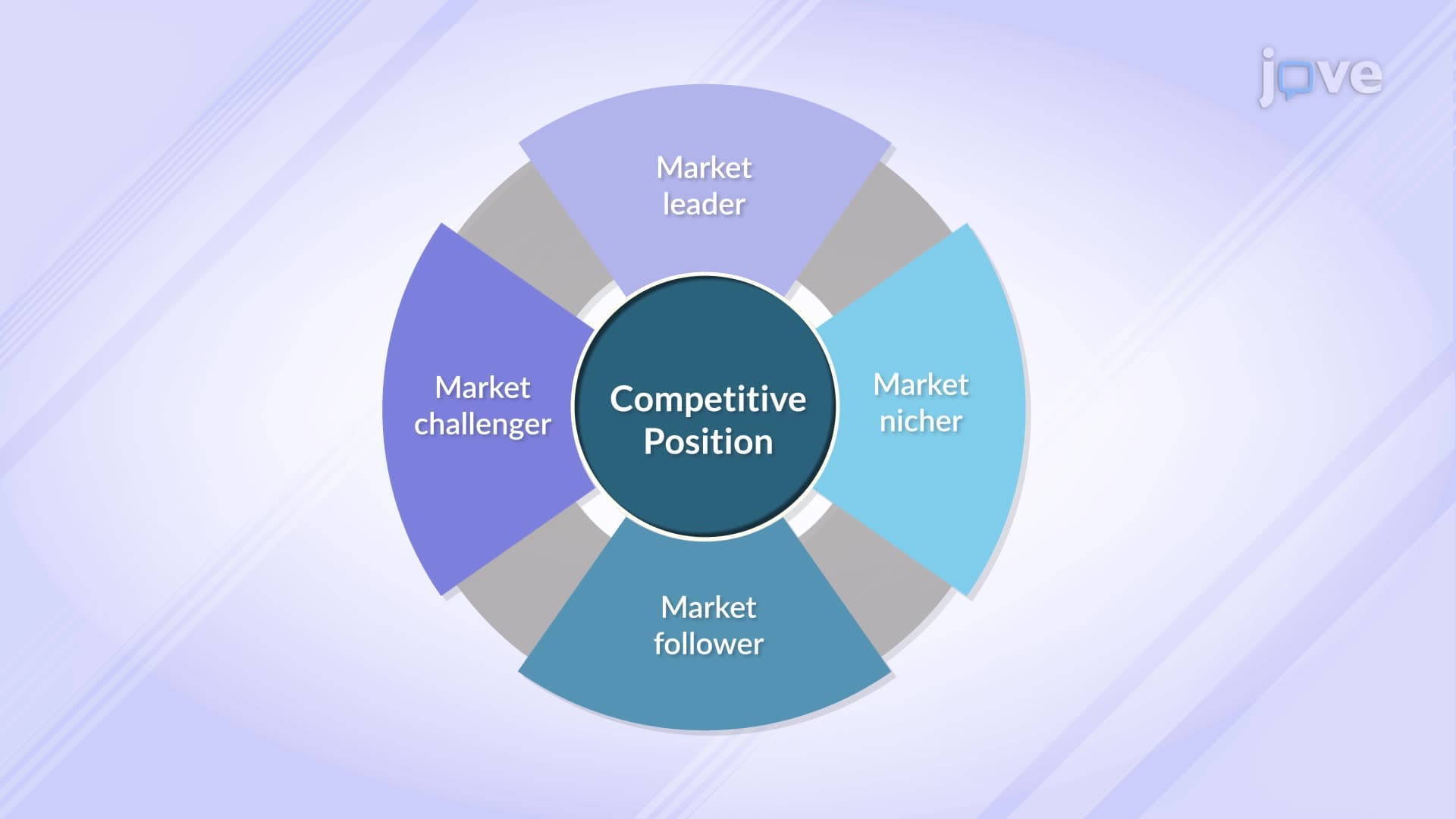
Analyze market leader, challenger, follower, and nicher strategies for different competitive positions
Leverage targeting and segmentation approaches to identify underserved market opportunities
Assess go-to-market strategies for product launches and market entry initiatives
Develop defensive and offensive competitive tactics based on market dynamics and competitor behavior
1. Competitive Landscape Analysis and Porter's Five Forces Framework
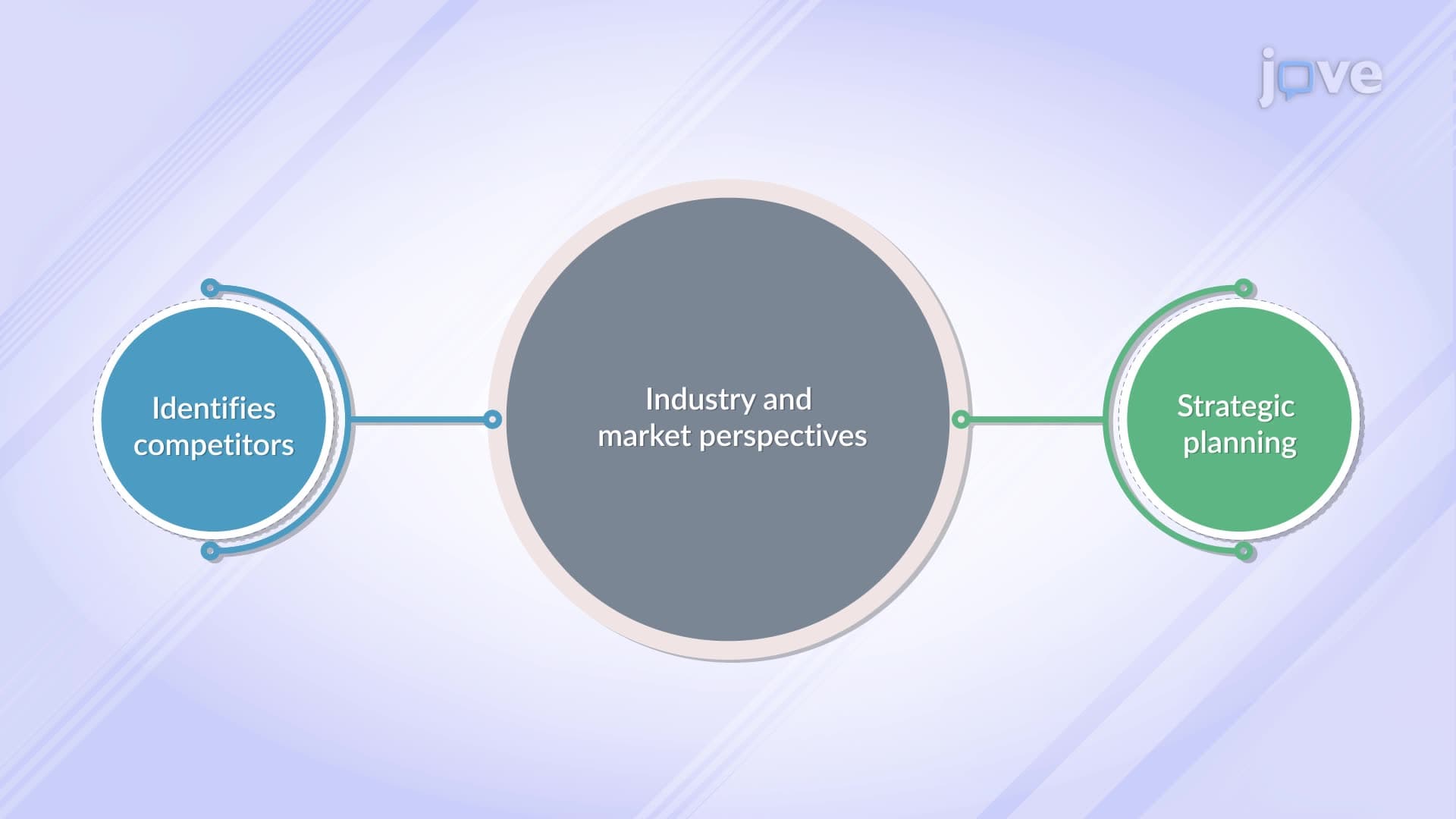
Master systematic approaches to identifying and analyzing competitors through industry and market perspectives. Learn to apply Porter's Five Forces model to evaluate competitive rivalry, supplier power, buyer power, threat of substitutes, and barriers to entry. Understand how companies like Tesla leverage technological trends and market positioning to create competitive moats, while traditional automakers struggle with new entrant threats from electric vehicle manufacturers.
2. Strategic Competitor Assessment Using SWOT Analysis
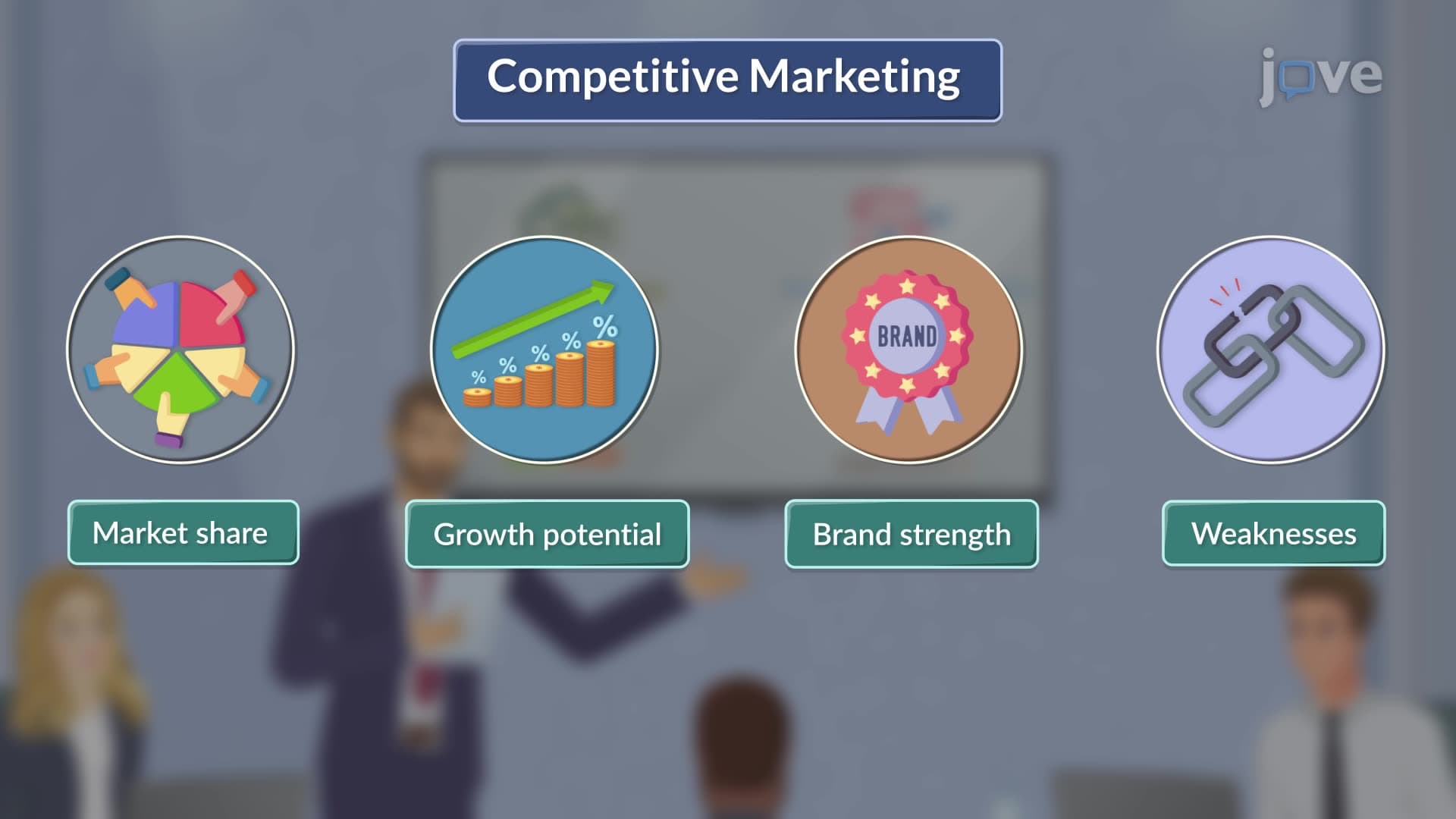
Develop competencies in evaluating competitor objectives, strategies, strengths, and vulnerabilities through structured assessment methodologies. Learn how Apple's premium positioning creates both competitive advantages (brand loyalty, high margins) and potential weaknesses (limited price flexibility). Master techniques for anticipating competitor reactions and identifying strategic opportunities based on comprehensive competitive intelligence gathering.
3. Competitive Advantage Creation Through Value Disciplines
Implement proven frameworks for achieving superior customer value through operational excellence, customer intimacy, or product leadership strategies. Analyze how Walmart dominates through cost leadership and supply chain optimization, while Amazon excels in customer intimacy through personalized recommendations and service excellence. Understand resource allocation requirements and strategic trade-offs for each value discipline approach.
4. Market Position-Based Strategic Approaches
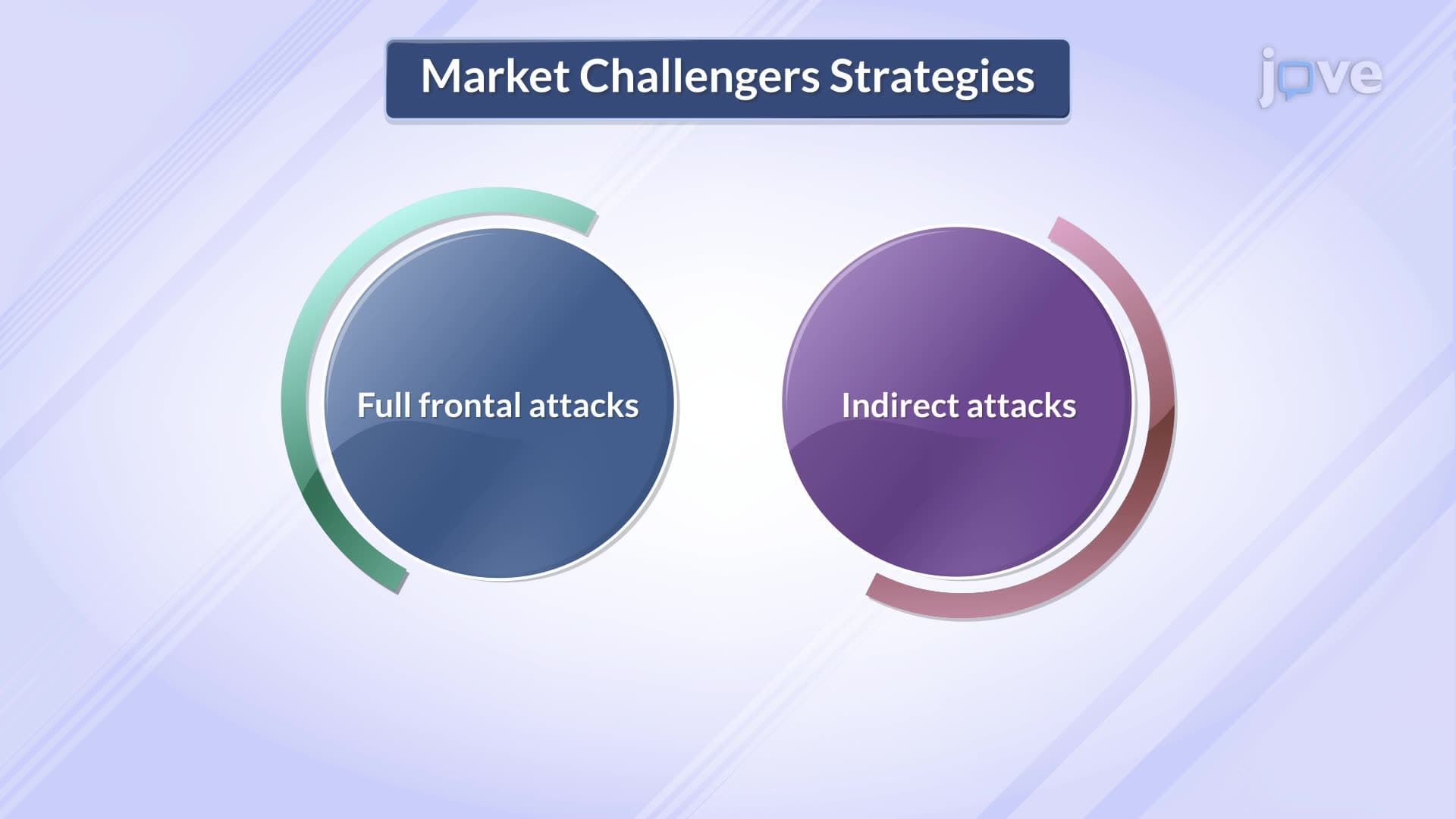
Execute tailored strategies based on your competitive market position as leader, challenger, follower, or nicher. Study how Coca-Cola maintains market leadership through brand investment and global distribution, while PepsiCo challenges through aggressive pricing and marketing campaigns. Learn defensive tactics for protecting market share and offensive strategies for capturing competitor customers and expanding market presence.
5. Differentiation and Focus Strategies for Competitive Positioning
Develop unique value propositions that set your offerings apart from competitors through product innovation, service excellence, or specialized market focus. Examine how companies like Rolls-Royce succeed through luxury market focus and customization, while Rolex combines quality positioning with premium pricing. Master techniques for identifying differentiation opportunities and avoiding commodity competition traps.
6. Go-to-Market Strategy Development and Implementation
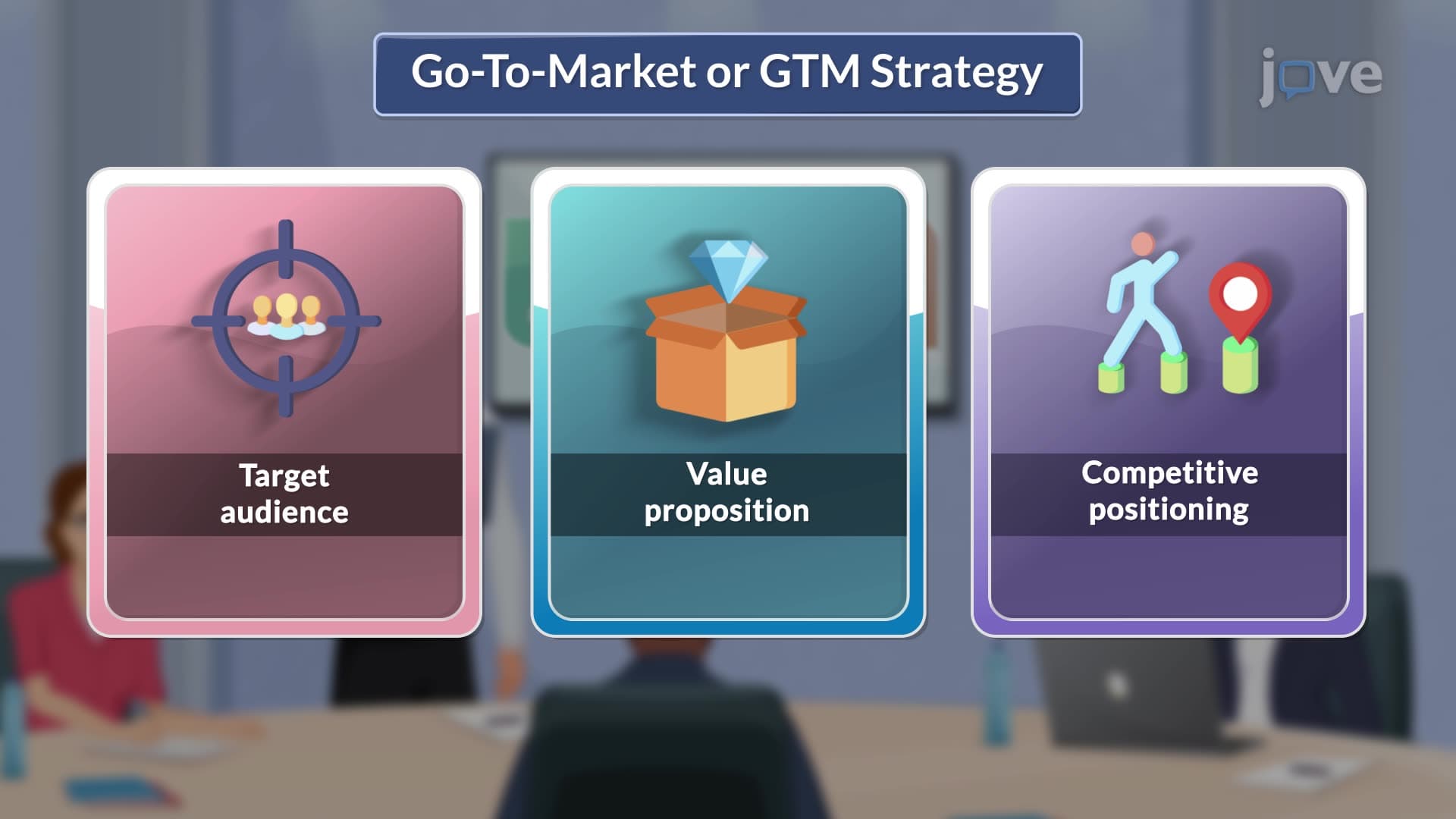
Design comprehensive market entry plans that leverage competitive intelligence for successful product launches and market penetration. Learn to integrate market research, customer segmentation, value proposition development, and channel strategy selection. Understand how digital tools and CRM systems enable targeted marketing campaigns and competitive response strategies across different industry sectors and customer segments.
Frequently Asked Questions
Start by conducting a comprehensive competitive landscape analysis using Porter's Five Forces to understand industry dynamics. Then assess your company's current market share, resources, and capabilities. Market leaders typically focus on defensive strategies and market expansion, while challengers use offensive tactics. Your choice between cost leadership, differentiation, or focus strategies should align with your organizational strengths and market opportunities.
Focus on publicly available information sources including SEC filings, industry reports, customer reviews, social media monitoring, and competitor websites. Conduct SWOT analysis using financial benchmarking, market share data, and strategic announcements. Attend industry conferences and trade shows for insights. Avoid industrial espionage, accessing proprietary information, or misrepresenting yourself to gather intelligence.
Consider nicher or follower strategies that leverage larger competitors' investments while targeting underserved segments. Focus on specific customer groups, geographic regions, or product categories where you can achieve differentiation. Use indirect attack strategies to avoid direct confrontation with resource-rich competitors. Build strategic partnerships to enhance capabilities without major capital investments.
Establish key performance indicators including market share changes, customer acquisition rates, competitive win/loss ratios, and brand perception metrics. Monitor competitor responses to your strategic moves through pricing changes, product launches, and marketing campaigns. Conduct regular competitive assessments and customer feedback analysis to identify strategy gaps and optimization opportunities.
Competitive intelligence informs every aspect of GTM strategy development, from market sizing and customer segmentation to pricing strategy and channel selection. Analyze competitor product portfolios, pricing models, distribution approaches, and marketing messages to identify positioning opportunities. Understanding competitor launch patterns and market responses helps optimize timing and resource allocation for maximum market impact.
Digital tools enable more precise competitive monitoring, customer targeting, and personalized marketing campaigns. Companies like Amazon use data analytics for competitive pricing and recommendation engines, while social media provides real-time competitive intelligence and customer engagement opportunities. Focus on building digital capabilities for customer relationship management, marketing automation, and competitive response speed.
B2B competitive strategies often focus on relationship building, solution customization, and longer sales cycles, while B2C emphasizes brand positioning, emotional connections, and faster market responses. B2B companies typically use account-based marketing and industry-specific value propositions, whereas B2C relies more on mass marketing and consumer behavior insights. Both require competitive intelligence, but B2B involves more direct competitor interaction in customer evaluations.
This microcourse includes 15 concept videos that walk you through the building blocks of Marketing. Each video is short, about 1 minute, so you can cover a full topic during a coffee break or between classes. The full sequence starts with Introduction to Marketing Strategy and ends with Go to Market Strategy.