Loading video…


 15 Concepts
 4.2K views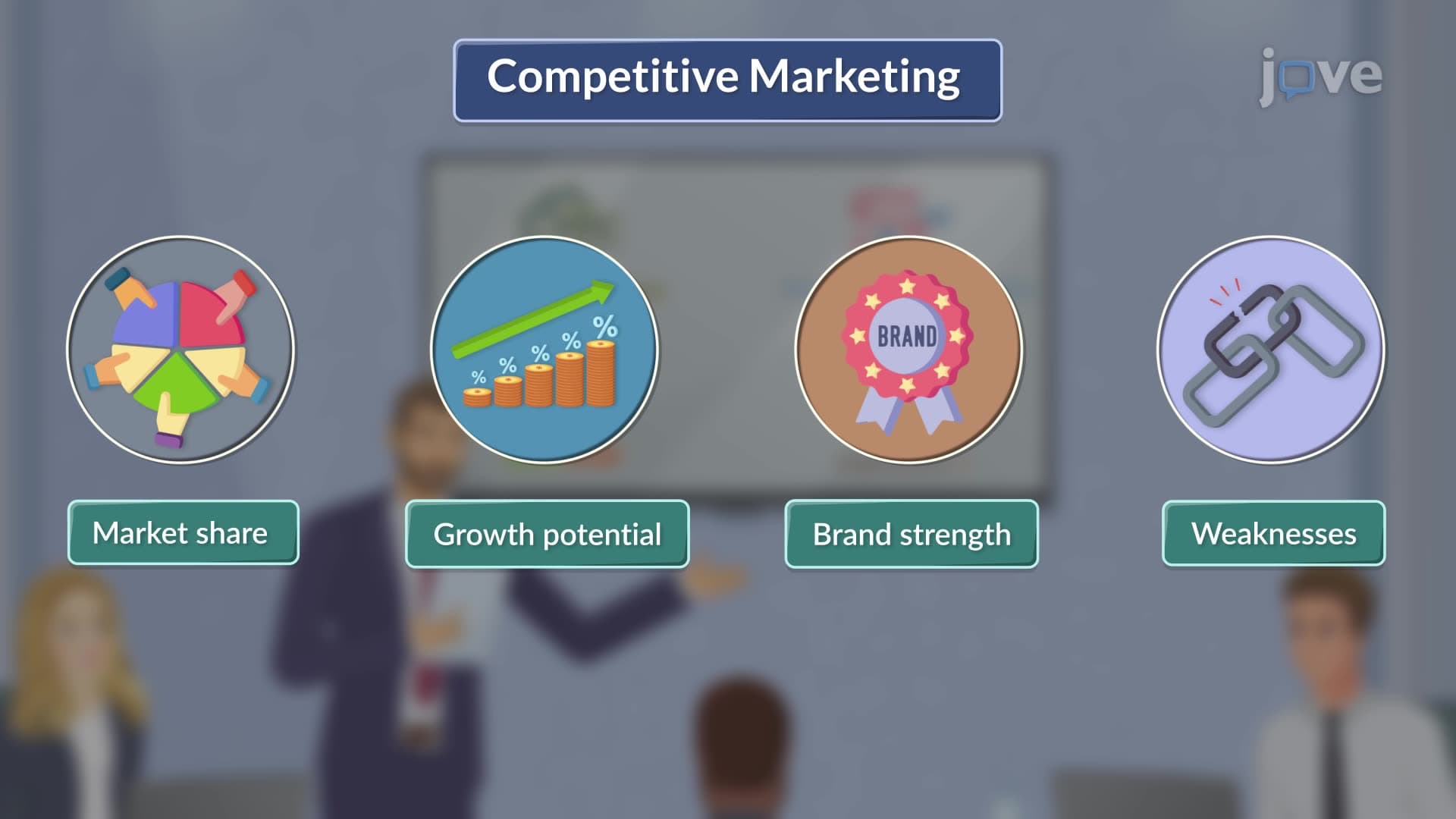

Video Summary: Selecting Competitors to Attack or Avoid Explained
Strategic competitor selection directly impacts market positioning and profitability in today's hyper-competitive business environment. Selecting competitors to attack or avoid requires analyzing market vulnerabilities, brand positioning, and resource allocation to maximize competitive advantage. Companies like Amazon strategically avoided direct competition with established retailers by creating new market categories before eventually challenging traditional players. The framework of selecting competitors to attack or avoid explained helps executives make data-driven decisions about competitive positioning and resource deployment. Watch the full video on JoVE Coach to master this concept with expert-led visuals and step-by-step explanations.
Modern business success hinges on intelligent competitive positioning decisions that maximize market opportunity while minimizing unnecessary risk exposure. When Salesforce entered the CRM market, they avoided direct competition with established enterprise software companies by creating the cloud-based SaaS category, fundamentally reshaping industry dynamics rather than fighting traditional battles.
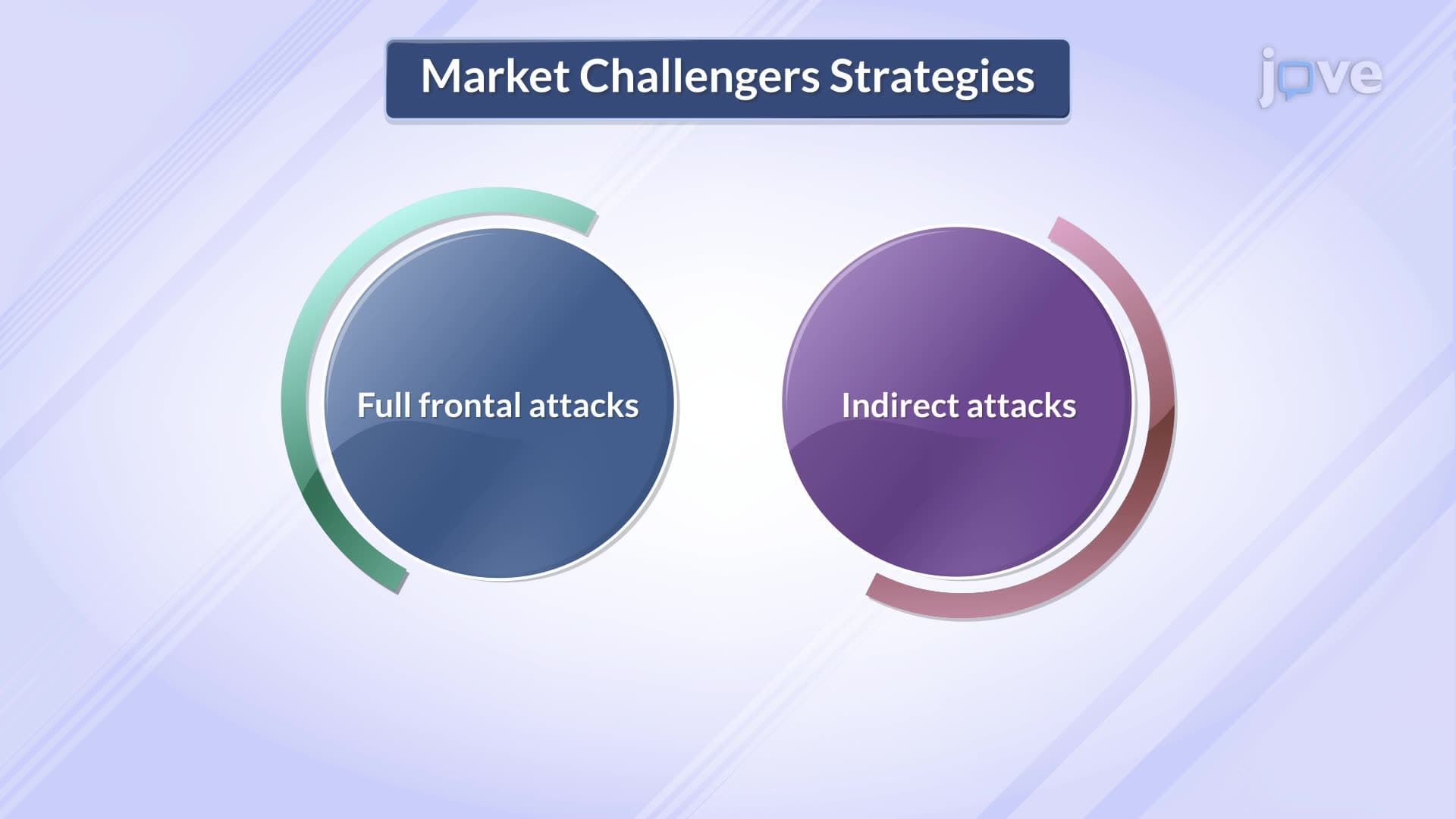
Attacking competitors requires systematic evaluation of market vulnerabilities and competitive advantages. Target competitors showing declining market share, weakening brand equity, or operational challenges that create strategic openings. Microsoft's aggressive pricing strategy against Google Workspace exemplifies calculated competitive attacks, leveraging integration advantages with existing Office ecosystems to capture enterprise market share.
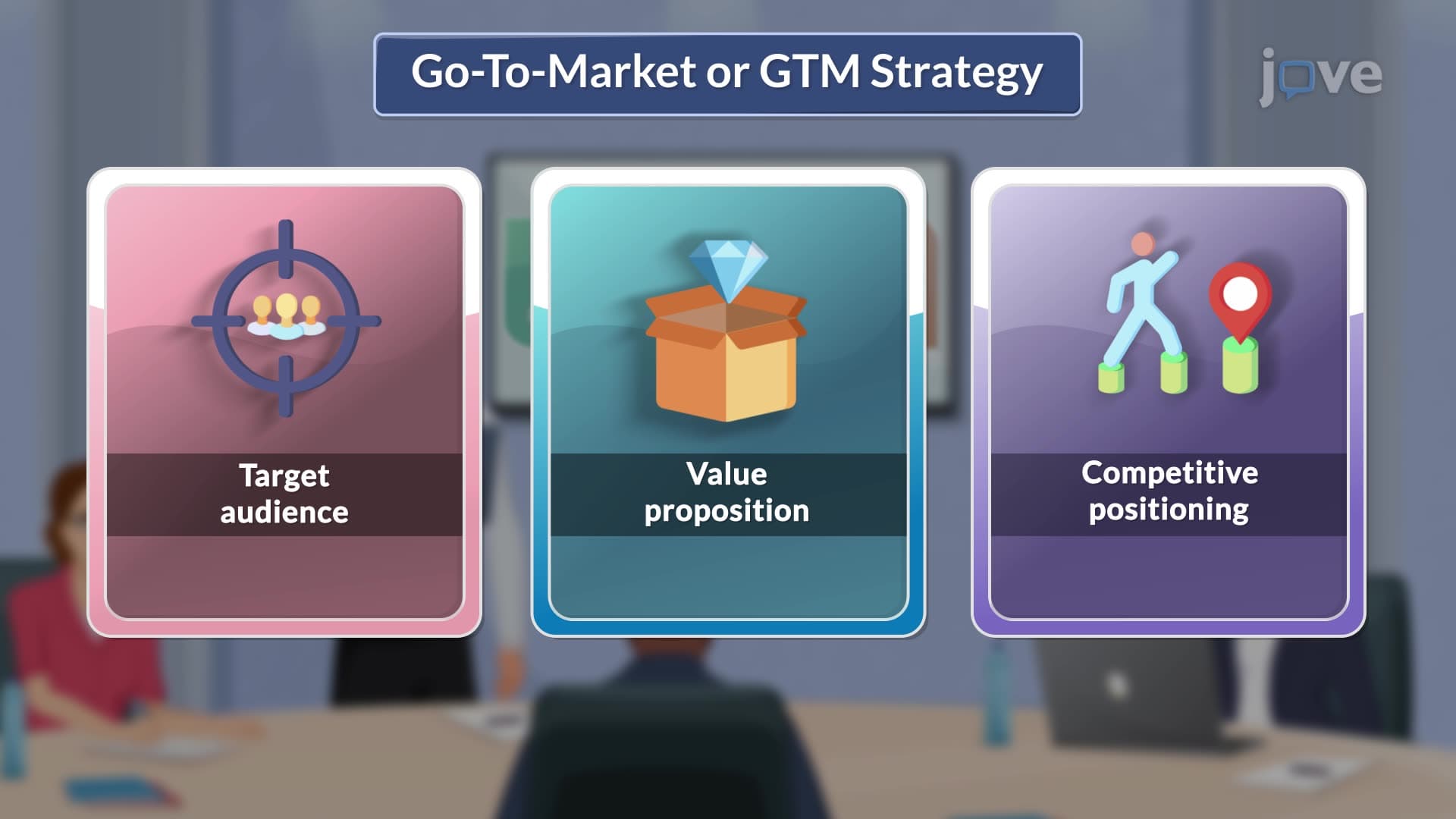
Successful attack strategies demand superior value propositions, not just price competition. Analyze competitor customer satisfaction scores, product limitations, and service gaps to identify attack vectors that resonate with target segments. The key lies in exploiting competitor weaknesses while amplifying your organizational strengths.
Avoidance strategies focus on creating new market categories or serving underaddressed segments rather than engaging in costly head-to-head competition. Netflix avoided direct competition with traditional video rental chains by pioneering streaming services, creating entirely new consumption patterns and customer expectations.
Smart avoidance requires identifying market whitespace where customer needs remain unmet or poorly served. This approach often delivers higher margins and stronger competitive positioning than direct confrontation with entrenched competitors possessing superior resources or market position.
Executing competitor selection strategies requires continuous market intelligence, rapid decision-making capabilities, and organizational agility. Board-level discussions should emphasize long-term competitive positioning over short-term market share battles that drain resources without creating sustainable advantages.
Regular competitive assessments help identify when market conditions shift, requiring strategy pivots from attack to avoidance or vice versa. Apple's evolution from challenging established computer manufacturers to creating new product categories demonstrates how competitor selection strategies must adapt to changing market dynamics and organizational capabilities.
Related Micro-courses