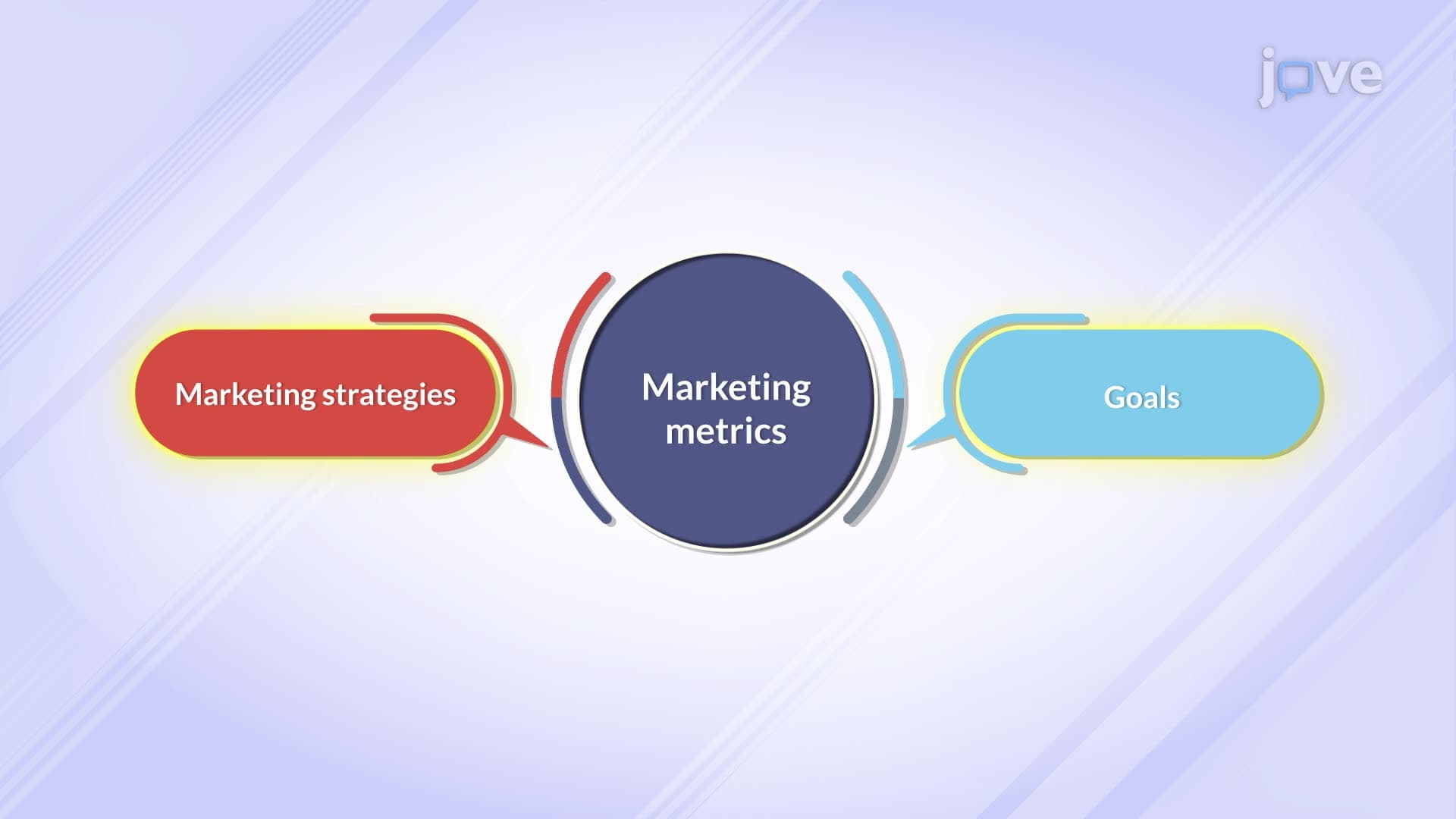
Marketing metrics are quantifiable measures that evaluate campaign effectiveness, customer behavior, and business performance to drive strategic decision-making. Modern professionals leverage comprehensive measurement frameworks spanning customer acquisition costs, lifetime value, conversion rates, and ROI to optimize resource allocation and maximize revenue growth. Companies like Apple and Nike use sophisticated metrics tracking to maintain market leadership and achieve sustainable competitive advantages. JoVE Coach delivers practical frameworks for implementing data-driven marketing strategies that directly impact bottom-line results.
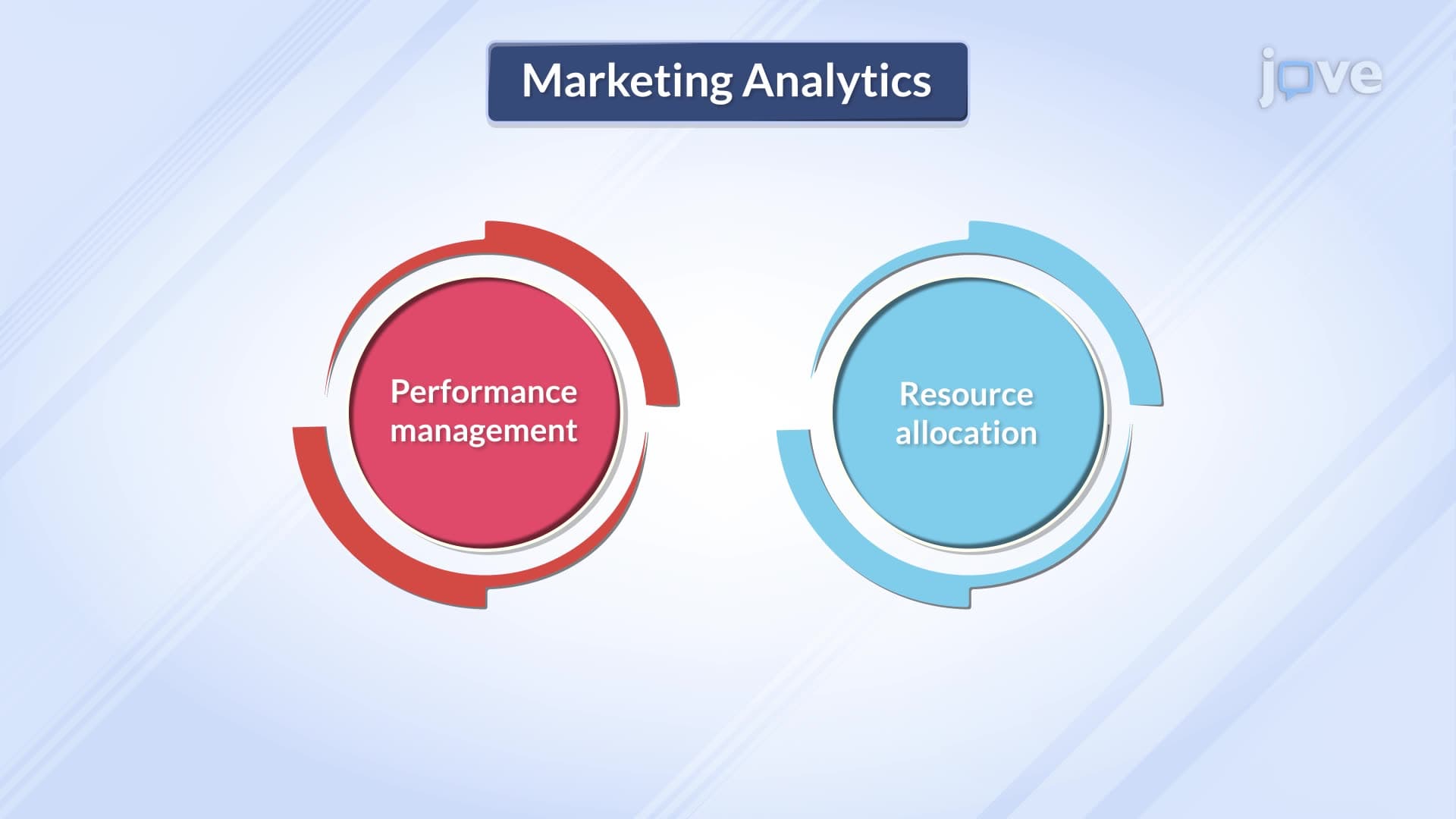
Apply comprehensive marketing measurement frameworks to evaluate campaign performance and optimize resource allocation across channels
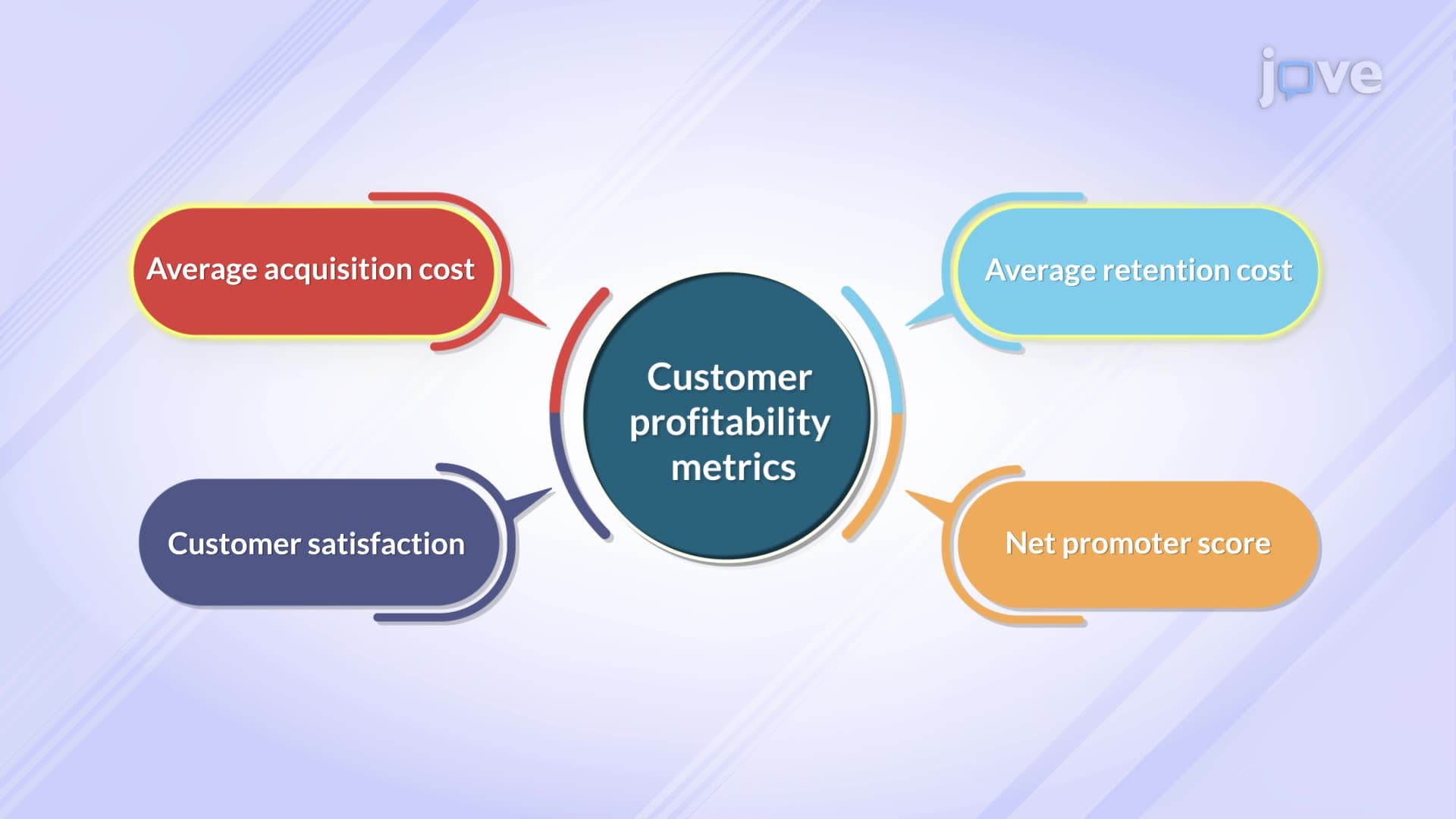
Analyze customer profitability metrics including lifetime value, acquisition costs, and retention rates to maximize revenue per customer
Implement market share and penetration analysis to assess competitive positioning and identify growth opportunities
Evaluate brand awareness and perception metrics to strengthen market position and customer loyalty
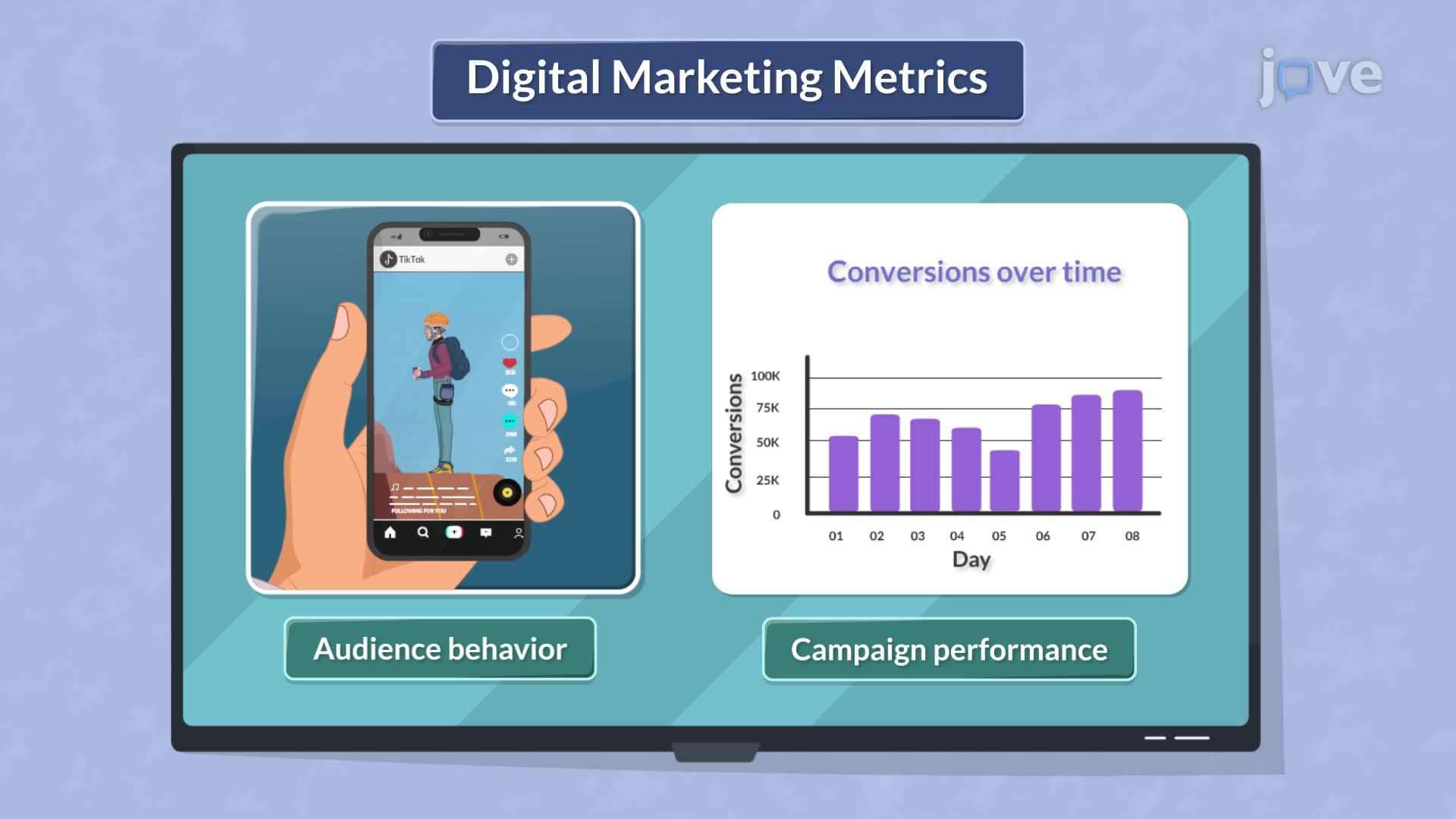
Leverage digital marketing analytics to optimize conversion rates, engagement, and online revenue generation
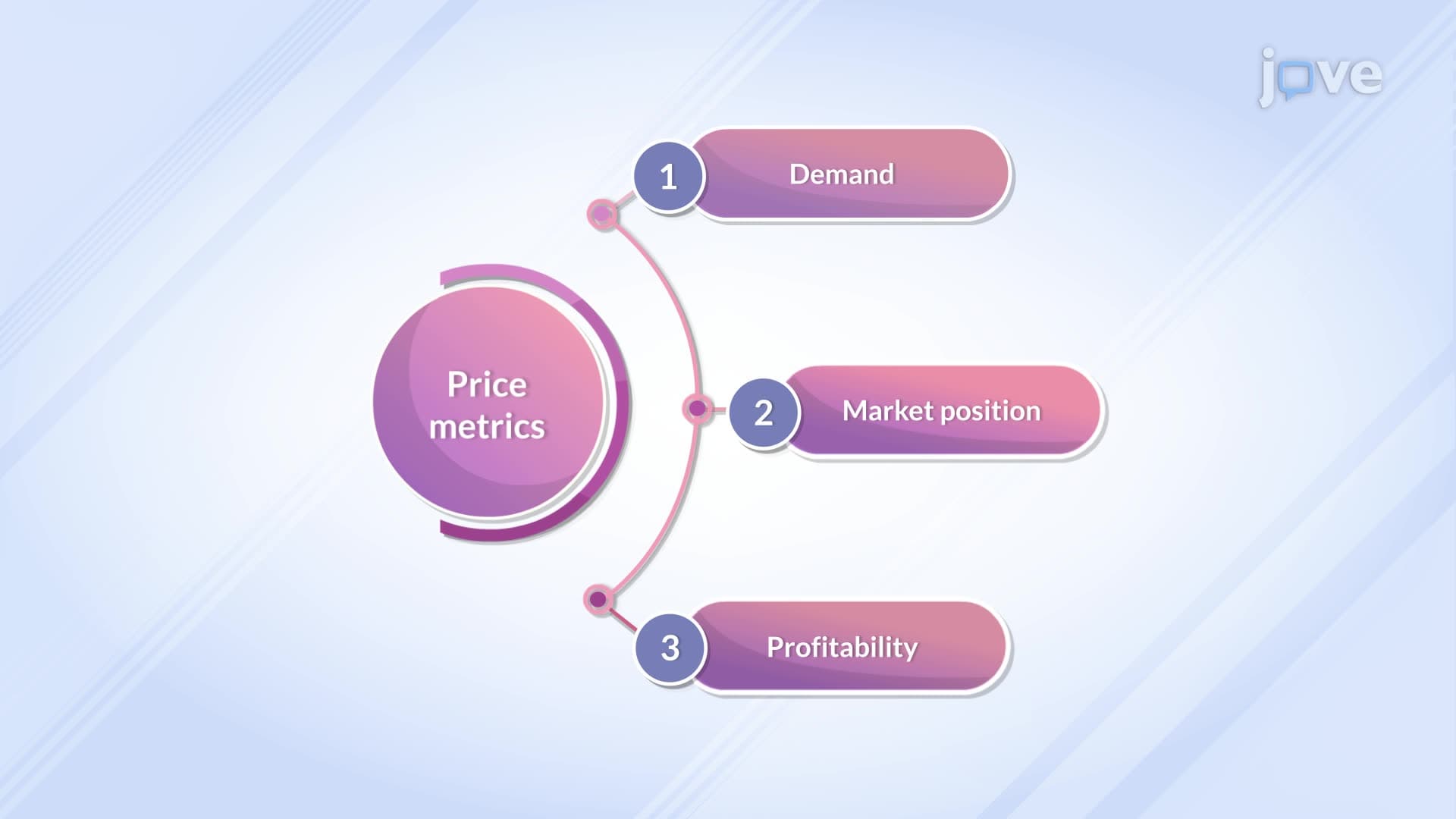
Assess pricing strategies using elasticity models and profitability analysis to maximize margins and market share
Analyze sales force effectiveness and channel performance to improve distribution efficiency and revenue growth
Apply promotional measurement techniques to evaluate campaign ROI and optimize marketing spend allocation
1. Market Position and Competitive Analysis
Master market share calculation, relative market share assessment, and penetration analysis using real-world examples from Apple's smartphone dominance and competitive positioning strategies. Learn to evaluate market concentration levels and assess growth opportunities within target segments. Apply frameworks for tracking market evolution and identifying competitive threats, enabling strategic positioning decisions that drive sustainable market leadership and revenue growth.
2. Customer Value and Profitability Optimization
Implement comprehensive customer lifetime value calculations, acquisition cost analysis, and retention rate optimization strategies used by streaming services like Netflix and subscription businesses. Analyze customer profitability segments to prioritize high-value relationships and optimize resource allocation. Develop frameworks for reducing churn rates while maximizing customer satisfaction scores and net promoter scores that drive organic growth through referrals.
3. Brand Awareness and Perception Measurement
Evaluate heart and mind share metrics including brand recognition, top-of-mind awareness, and purchase intention measurement strategies employed by consumer brands like Nike and Coca-Cola. Assess knowledge levels, loyalty indicators, and recommendation willingness to strengthen brand positioning. Apply measurement techniques that quantify emotional connections and cognitive associations, enabling targeted brand-building investments that drive market share growth.
4. Financial Performance and Margin Analysis
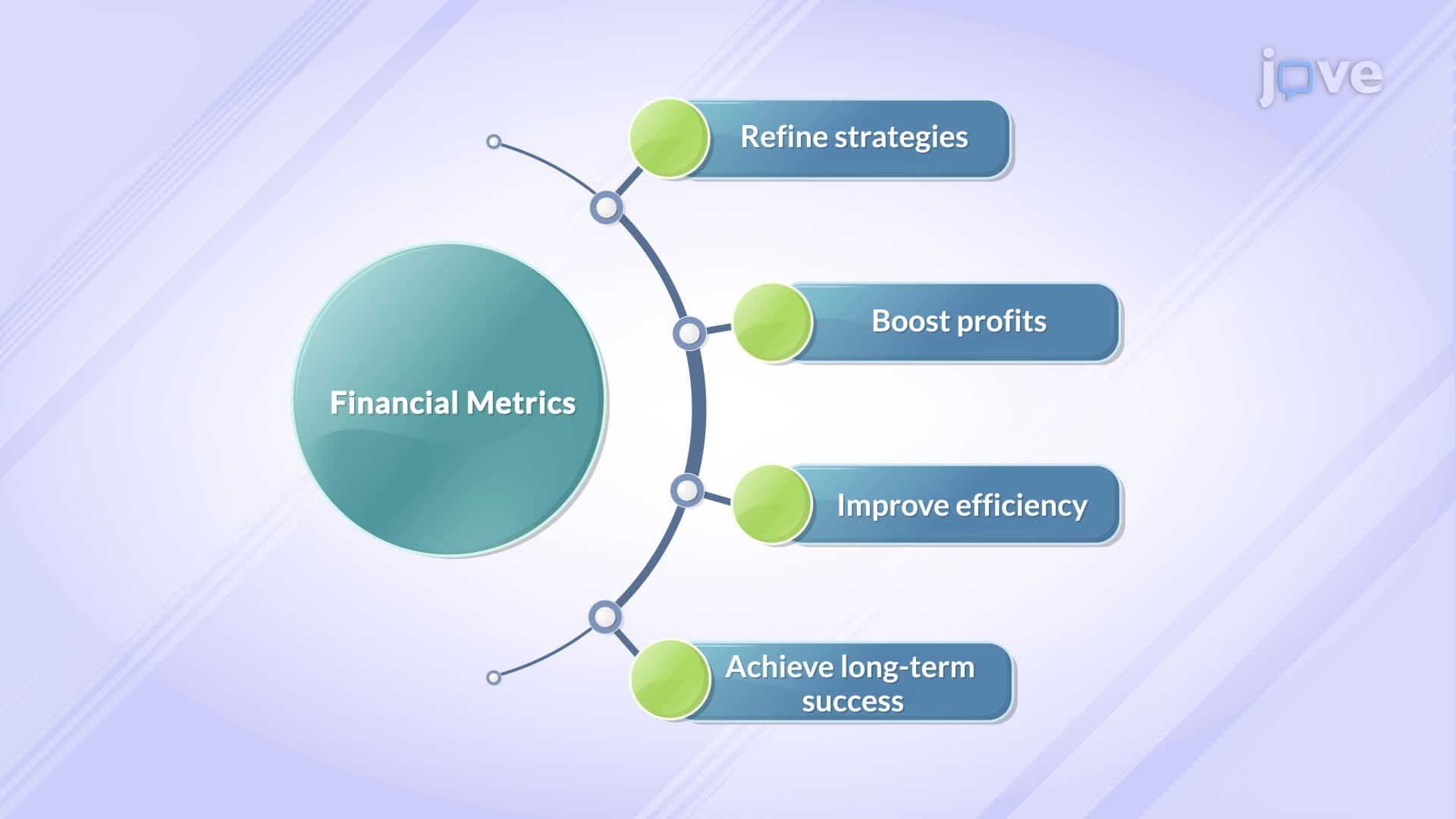
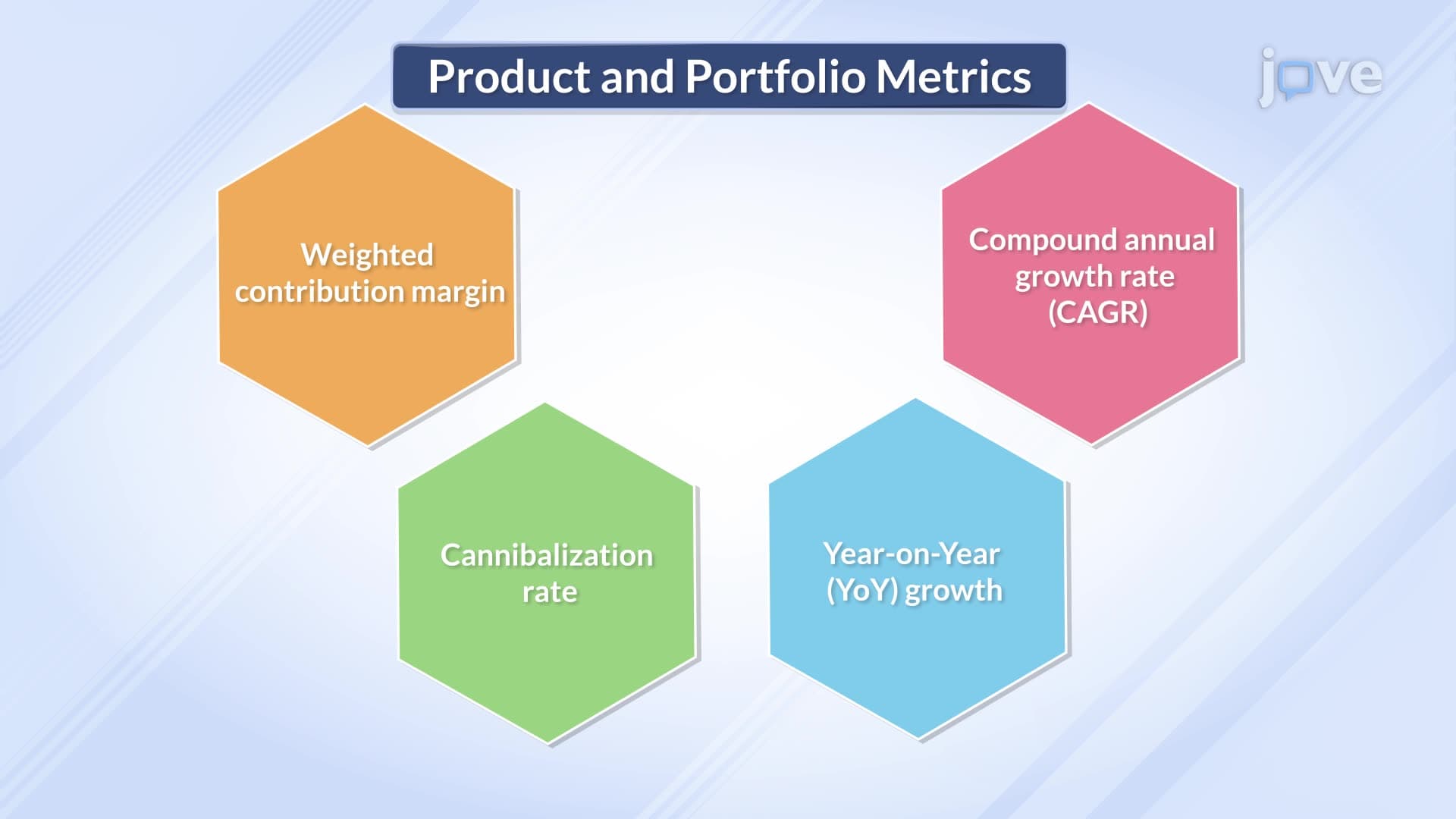
Calculate gross margins, net margins, and contribution margins to optimize pricing strategies and product profitability across diverse business models. Analyze markup strategies, breakeven calculations, and return on marketing investment using examples from retail and technology sectors. Implement financial frameworks that link marketing activities directly to revenue outcomes, enabling data-driven budget allocation and performance accountability.
5. Digital Marketing and Channel Effectiveness
Measure digital performance through conversion rates, cost-per-acquisition, click-through rates, and revenue per user metrics that drive online growth strategies. Analyze channel effectiveness including inventory management, out-of-stock rates, and distribution penetration across retail networks. Apply comprehensive measurement frameworks for promotional campaigns, social media engagement, and e-commerce optimization that maximize digital marketing ROI.
Frequently Asked Questions
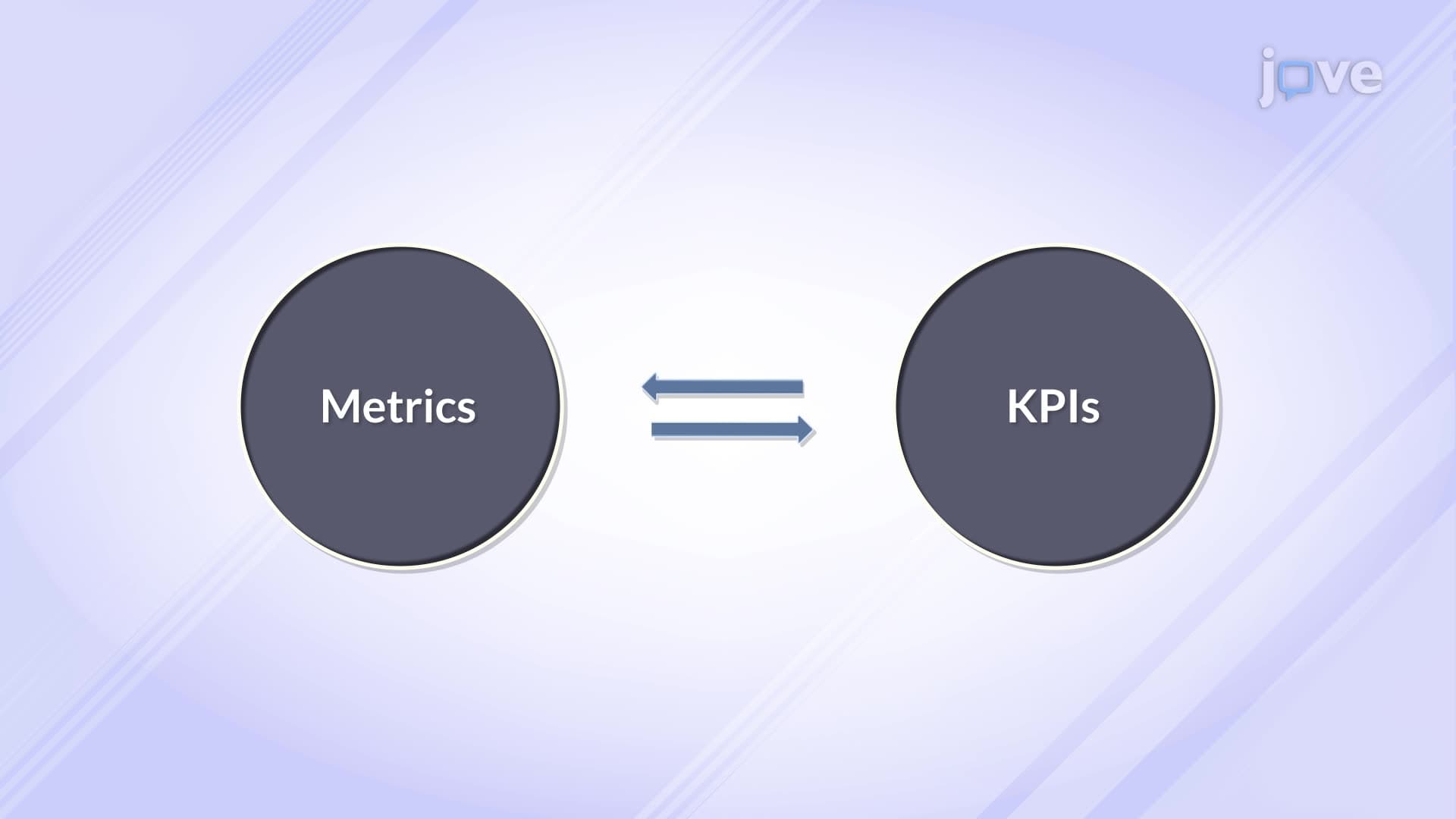
Marketing metrics provide broad performance visibility across all activities, while KPIs focus specifically on critical indicators tied to strategic objectives. For example, a company might track dozens of social media metrics but designate customer acquisition cost and lifetime value as key KPIs because they directly impact profitability and growth targets.
Multiply average monthly revenue per customer by gross margin percentage, then divide by monthly churn rate. For example, if customers pay $100 monthly with 80% gross margin and 5% monthly churn, CLV equals ($100 × 0.80) ÷ 0.05 = $1,600. This calculation helps determine sustainable acquisition spending and retention investment levels.
Focus on customer acquisition cost, return on marketing investment, conversion rates, and customer lifetime value as primary budget allocation drivers. These metrics directly link marketing spend to revenue outcomes, enabling data-driven decisions about channel investments, campaign optimization, and resource allocation across marketing initiatives.
Start with fundamental metrics like conversion rates, customer acquisition costs, and basic ROI calculations before advancing to complex modeling. Many analytics platforms provide automated calculation features, allowing you to focus on interpretation and strategic application rather than manual computation of marketing performance indicators.
Organizations typically see 15-25% improvement in marketing ROI through better resource allocation, 20-30% reduction in customer acquisition costs through channel optimization, and 10-20% increase in customer lifetime value through improved retention strategies when implementing systematic measurement frameworks.
Apple leverages premium pricing strategies, strong brand loyalty metrics, and integrated ecosystem advantages that create high switching costs. Their success demonstrates how companies can achieve market leadership through differentiation rather than just market penetration, focusing on profitability per customer rather than volume-based competition.
Balance depends on business maturity and market conditions. Early-stage companies often prioritize acquisition metrics to build market presence, while established businesses typically find retention more cost-effective since acquiring new customers costs 5-7 times more than retaining existing ones. Analyze both customer acquisition cost and lifetime value ratios to optimize your growth strategy.
This microcourse includes 18 concept videos that walk you through the building blocks of Marketing. Each video is short, about 1 minute, so you can cover a full topic during a coffee break or between classes. The full sequence starts with Introduction to Marketing Metrics and ends with Digital Marketing Metrics II.