Delivering customer value through strategic distribution requires mastering both traditional and digital channels. This JoVE Coach micro-course explores how companies like Patagonia, Samsung, and Walmart create value by optimizing their distribution channel strategy from physical stores to omnichannel platforms, ensuring products reach customers efficiently across all touchpoints while maximizing profitability.
Apply omnichannel distribution strategies to enhance customer accessibility and convenience
Evaluate vertical and horizontal marketing systems to optimize supply chain efficiency
Analyze channel power dynamics and conflict resolution between manufacturers and retailers
Implement retail strategy frameworks using the 6 Ps to drive revenue growth
Leverage wholesaler relationships to reduce distribution costs and expand market reach
Assess direct versus indirect marketing channels for maximum ROI
Execute channel design decisions that align with customer expectations and business objectives
Optimize logistics and supply chain management to deliver value at scale
1. Strategic Distribution Channel Design
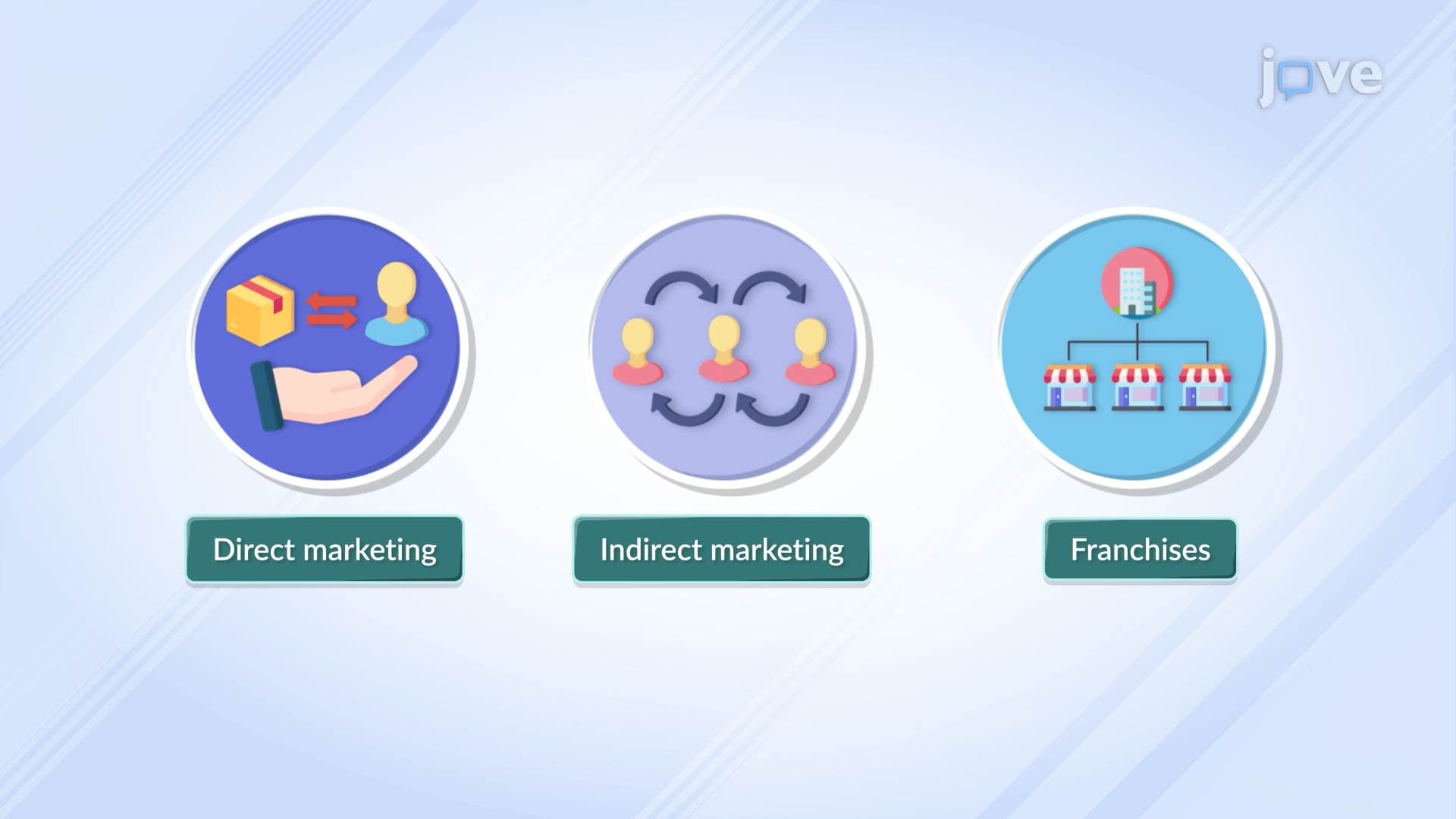
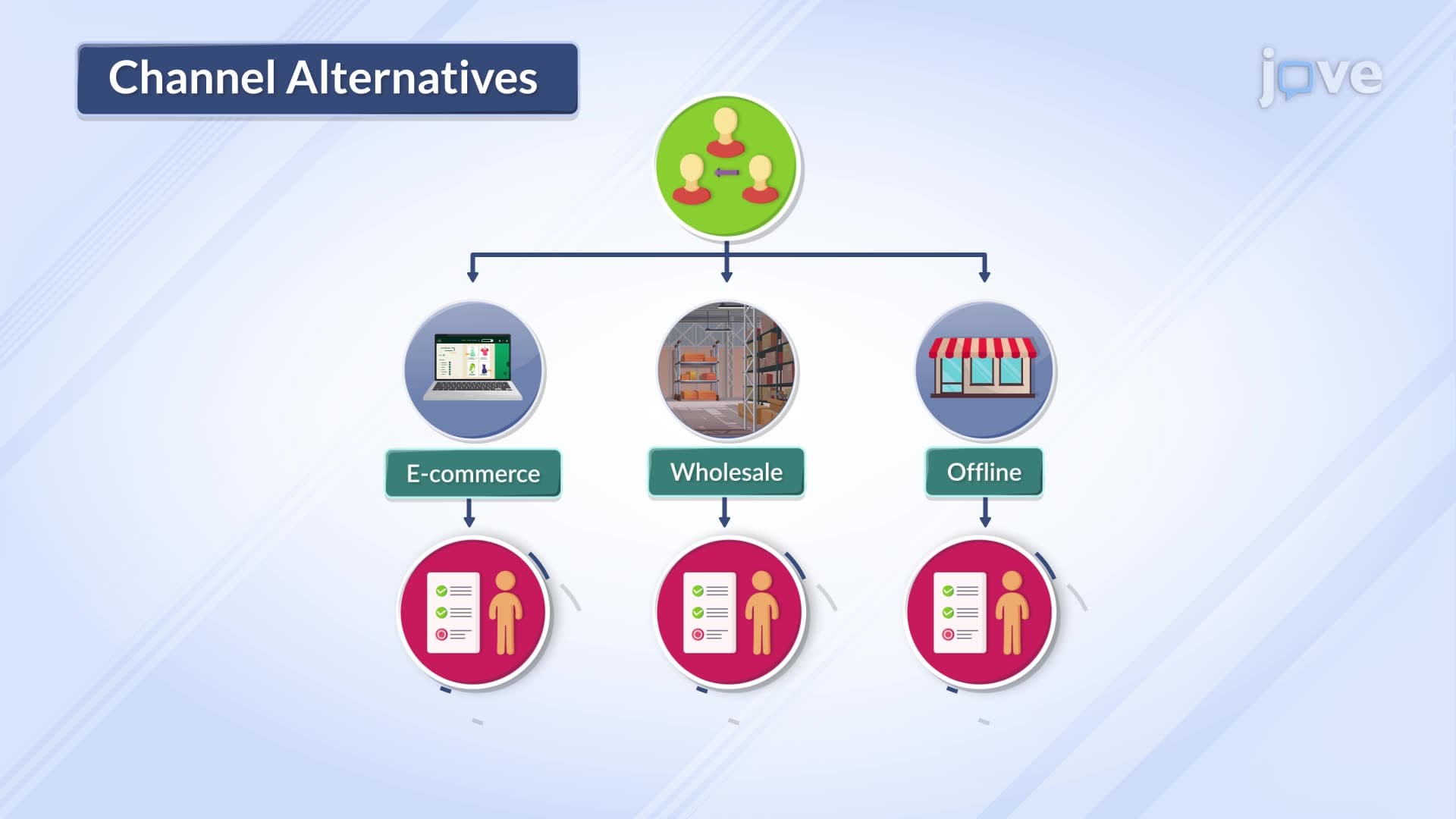
Master the fundamentals of creating value-driven distribution networks that connect manufacturers to end customers. Learn how companies like Samsung leverage both direct sales through company stores and indirect channels through retailers like Best Buy to maximize market penetration. Understand how to evaluate customer preferences, establish channel objectives, and select optimal intermediaries while balancing control, cost, and market reach for sustainable competitive advantage.
2. Omnichannel Distribution Excellence
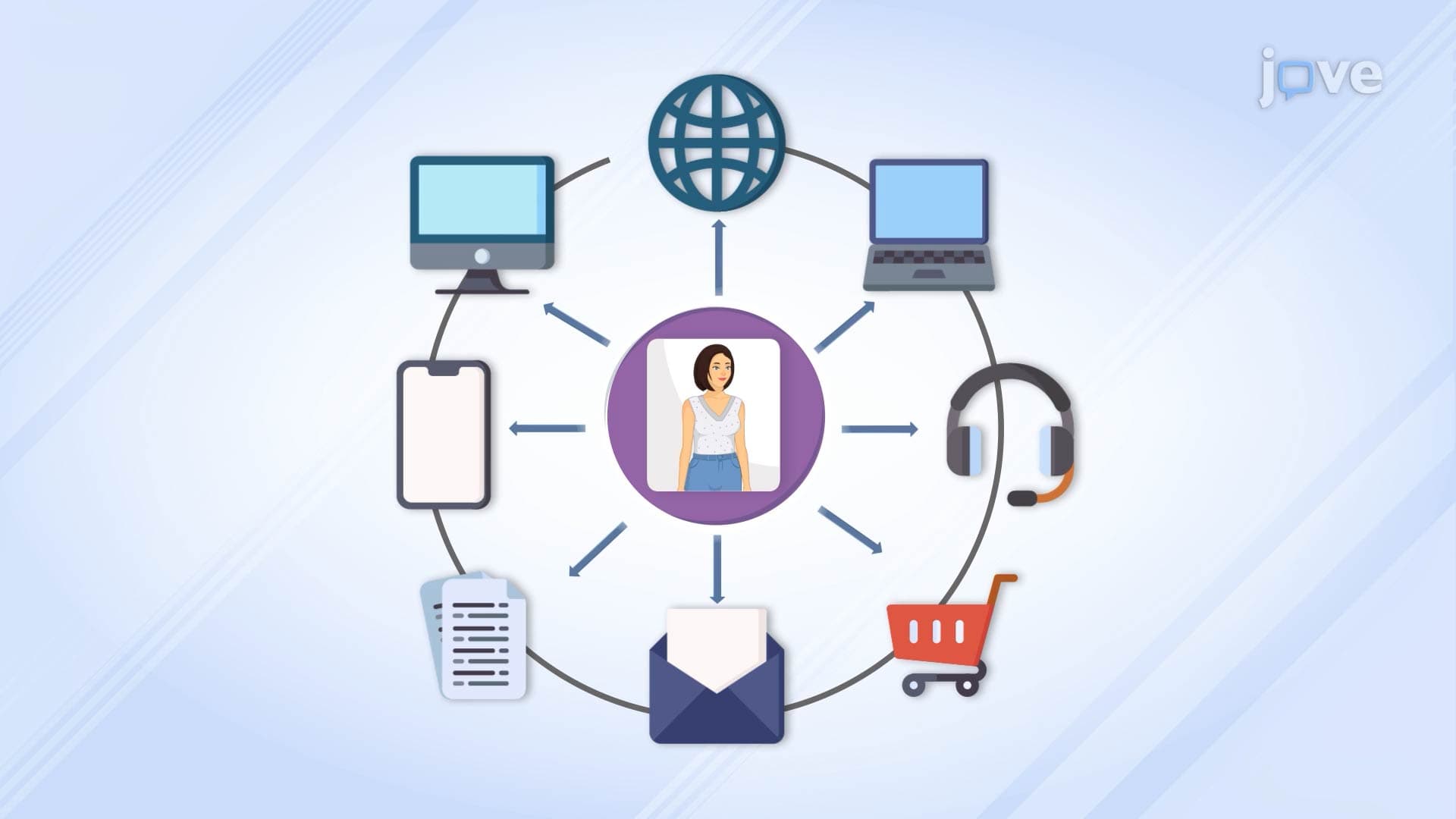
Develop sophisticated omnichannel distribution strategies that seamlessly integrate physical stores, e-commerce platforms, mobile apps, and third-party marketplaces. Examine how Nike creates unified customer experiences across multiple touchpoints, enabling customers to research online and purchase in-store with consistent inventory visibility. Master inventory synchronization, cross-channel customer data integration, and unified brand messaging that drives customer loyalty and operational efficiency.
3. Supply Chain Marketing and Logistics Optimization
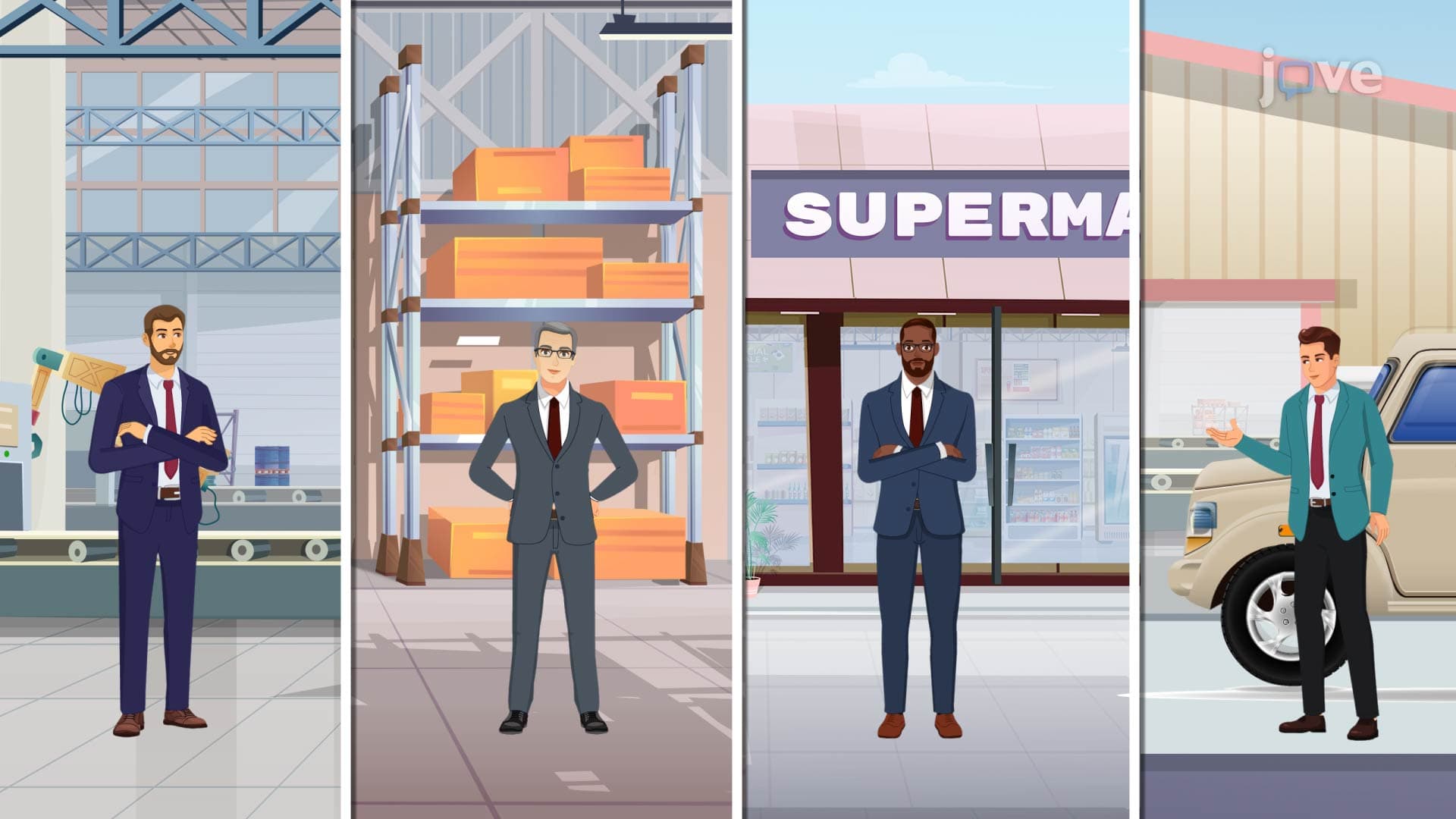
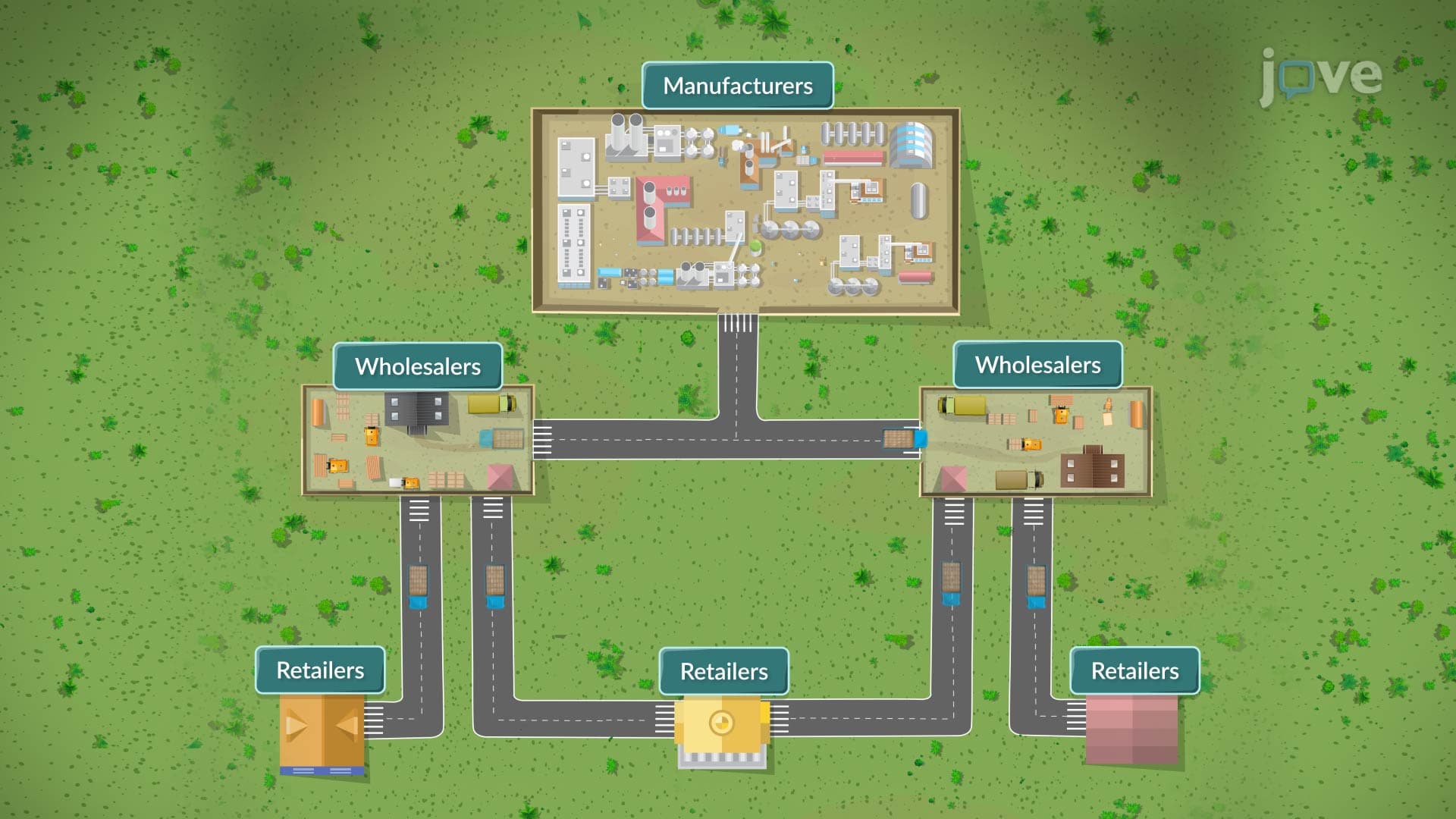
Implement comprehensive supply chain marketing strategies that optimize product flow from raw materials to final delivery. Analyze how bicycle manufacturers coordinate procurement, production, and distribution through strategic partnerships with distributors and logistics providers. Learn to balance cost efficiency with service levels while managing transportation routes, warehouse operations, and demand planning to maximize customer value and minimize operational costs.
4. Vertical and Horizontal Marketing Systems
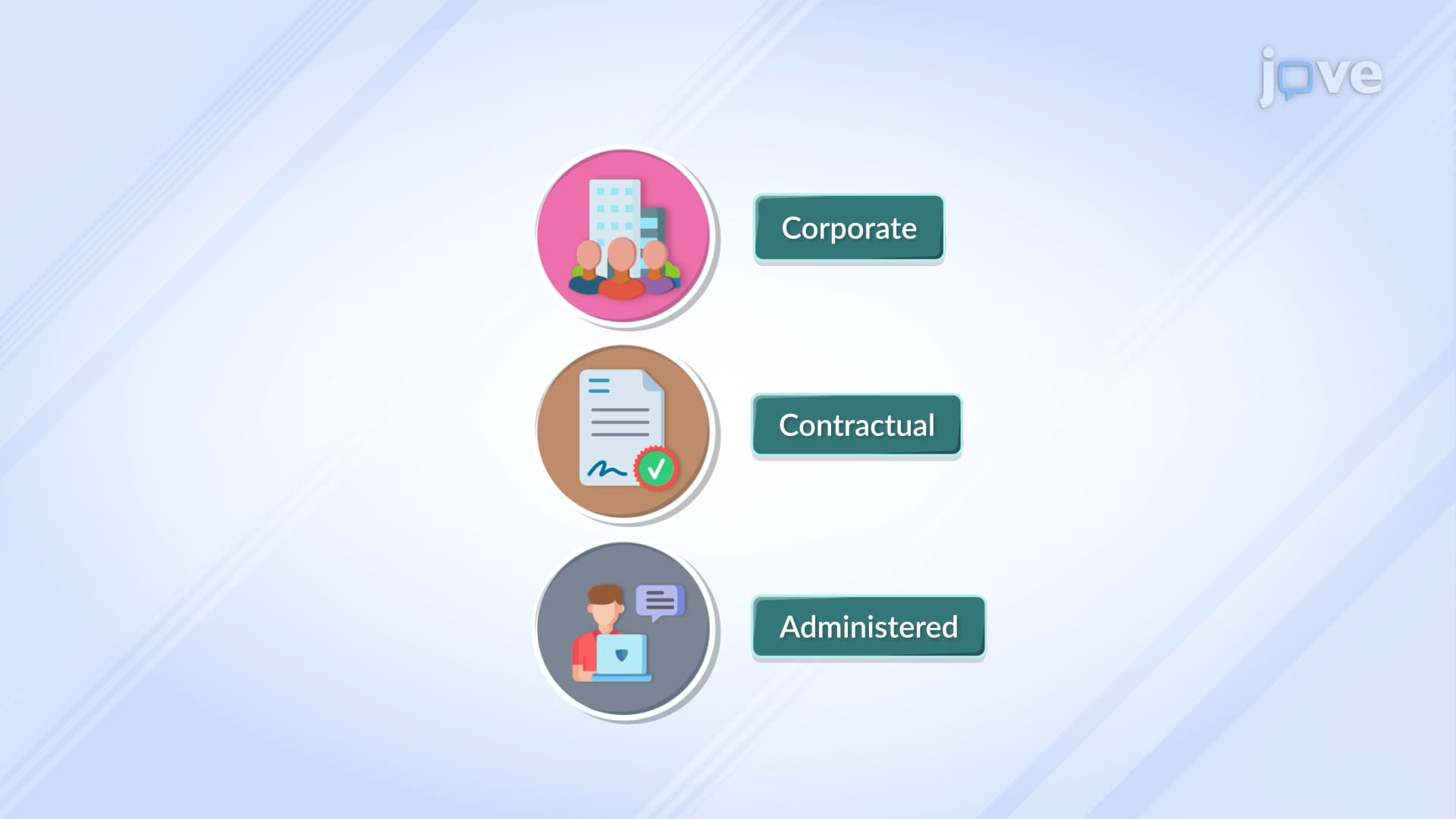
Evaluate different marketing system structures to determine optimal channel configurations for your industry. Study Zara's corporate vertical marketing system that controls design through retail, Ford's contractual dealer networks, and Walmart's administered system leveraging purchasing power. Compare these with horizontal partnerships like Nike-Apple collaborations and Starbucks-PepsiCo alliances that create mutual value through resource sharing and market expansion opportunities.
5. Channel Management and Conflict Resolution
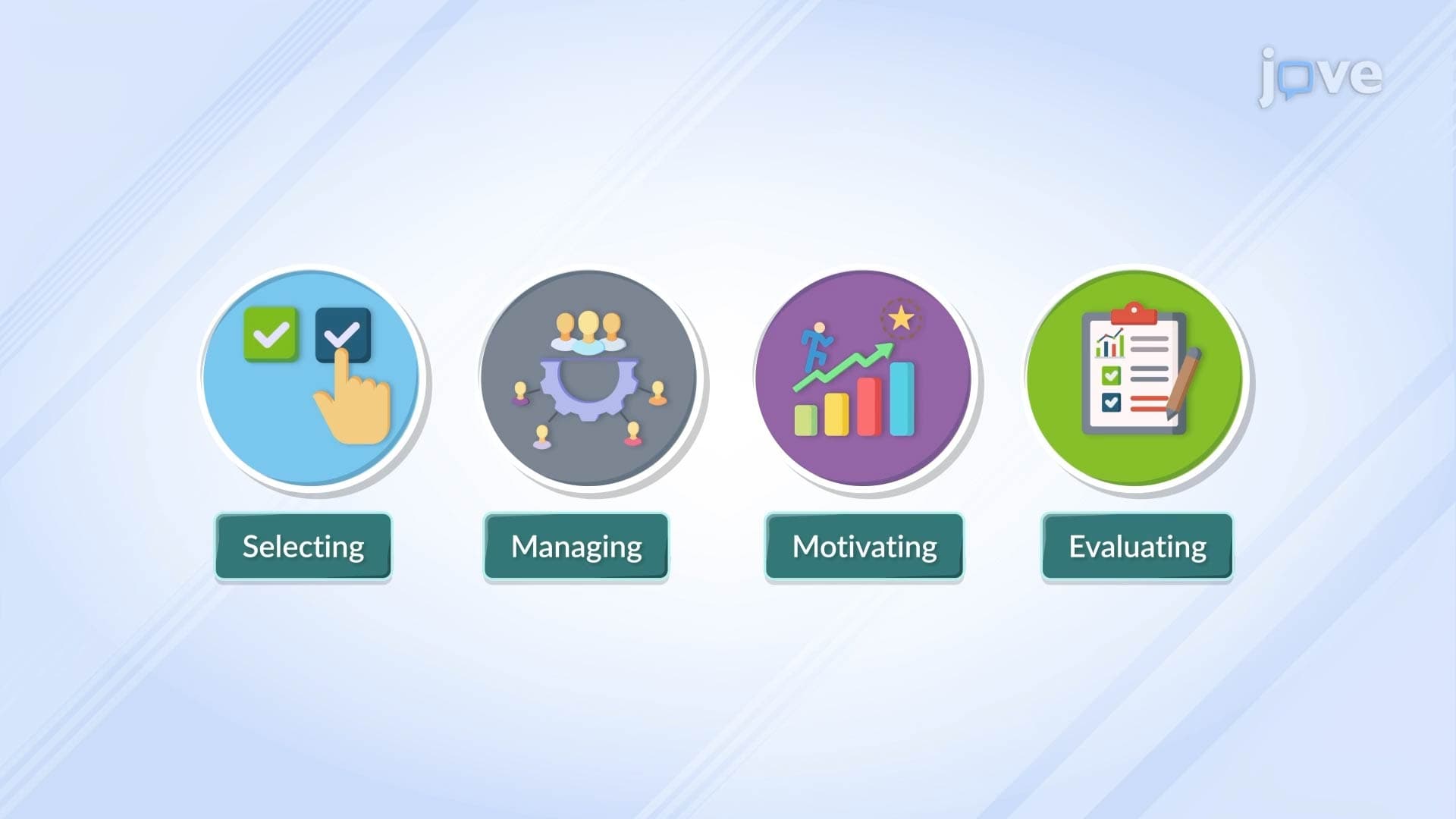
Develop advanced channel management capabilities for selecting, motivating, and evaluating distribution partners. Master techniques for managing power dynamics between manufacturers and retailers, resolving pricing conflicts, and aligning channel partner objectives with corporate strategy. Learn frameworks for performance evaluation, incentive program design, and collaborative relationship building that minimize conflicts while maximizing channel effectiveness and profitability.
6. Retail Strategy and Wholesale Operations
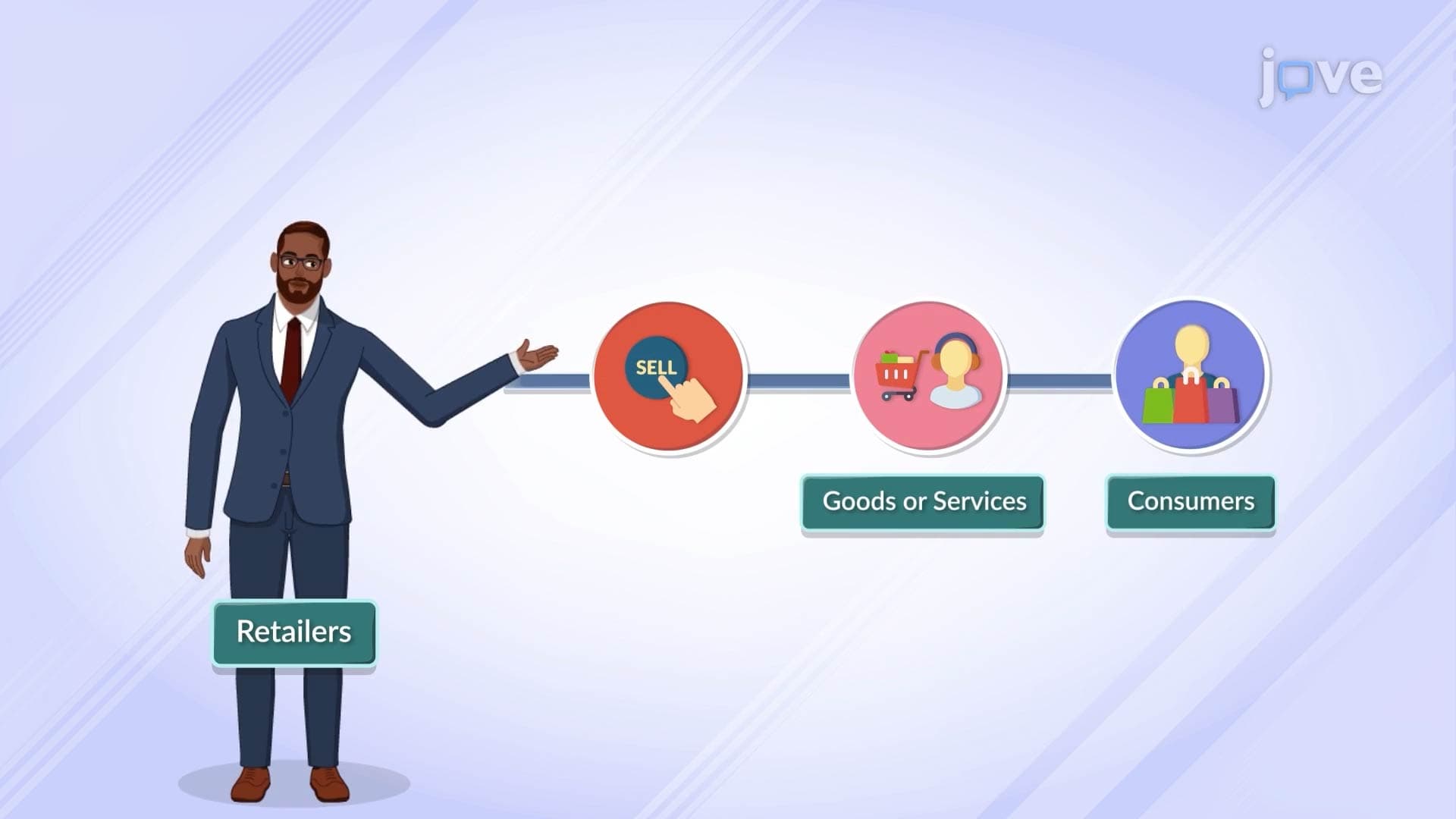
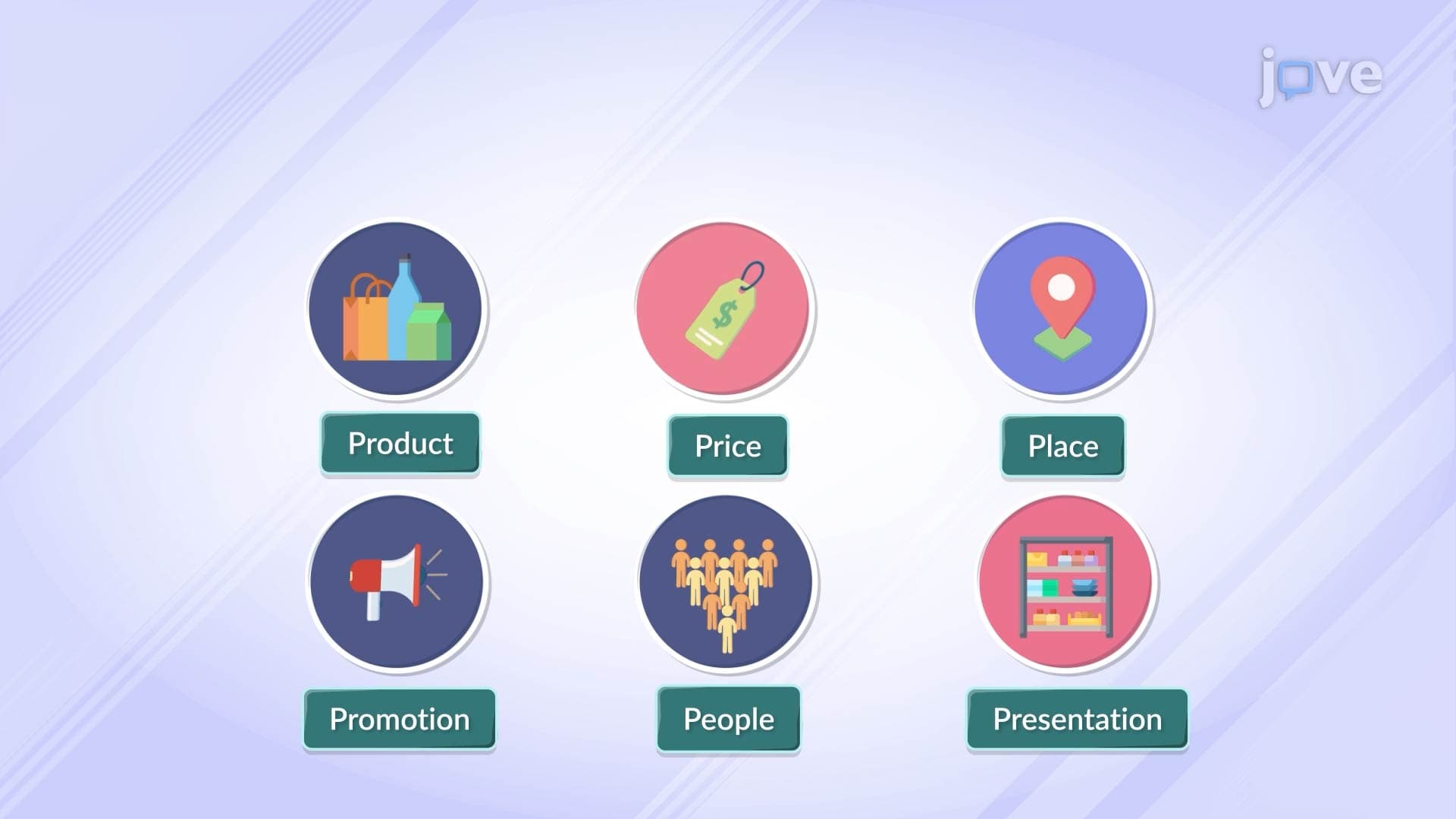
Implement comprehensive retail channels strategies using the 6 Ps framework covering product assortment, pricing, placement, promotion, people, and presentation. Understand how different retail formats from department stores like Macy's to discount retailers like Walmart serve distinct market segments. Analyze wholesale operations including full-service providers like Sysco and limited-service cash-and-carry models to optimize distribution efficiency and cost management.
Frequently Asked Questions
Multichannel involves selling through multiple separate channels, while omnichannel creates seamless integration between channels. For example, a multichannel approach might have separate inventory systems for online and stores, while omnichannel allows customers to buy online and pickup in-store with unified inventory visibility.
Evaluate customer preferences, required service levels, cost structures, and control needs. Direct channels like Samsung's company stores offer maximum control and customer data but require significant investment. Indirect channels through retailers provide broader reach and established infrastructure but reduce profit margins and customer relationship control.
Establish clear agreements defining roles, responsibilities, and territorial boundaries upfront. Implement fair pricing policies, create mutual incentives, and maintain regular communication. Use performance metrics that align partner interests with company objectives and address conflicts quickly through structured negotiation processes.
Wholesalers like Sysco remain crucial by providing inventory management, bulk purchasing power, and regional distribution expertise that many manufacturers cannot efficiently replicate. They enable smaller retailers to access diverse product ranges without managing multiple supplier relationships, particularly important in B2B markets.
Track metrics including channel profitability, customer satisfaction scores, inventory turnover, order fulfillment times, and market penetration rates. Monitor channel conflict incidents, partner performance against SLAs, and compare customer acquisition costs across different channels to optimize resource allocation.
Yes, the concepts are presented with practical business applications and real-world examples from companies like Walmart, Apple, and McDonald's. The focus is on strategic decision-making and business outcomes rather than technical logistics details, making it accessible to managers across functions.
Expect improved customer satisfaction through better product availability, reduced distribution costs through optimized channel selection, increased market reach through strategic partnerships, enhanced competitive positioning through omnichannel capabilities, and higher profitability through effective channel management and conflict resolution.
Service businesses use similar channel principles through franchise networks like McDonald's, online platforms for delivery services, and partnership channels for professional services. The key concepts of customer value delivery, channel partner management, and omnichannel customer experience apply equally to both service and product distribution strategies.
This microcourse includes 15 concept videos that walk you through the building blocks of Marketing. Each video is short, about 1 minute, so you can cover a full topic during a coffee break or between classes. The full sequence starts with Place and Everywhere and ends with Wholesalers.