Loading video…


 15 Concepts
 7.9K views

Video Summary: What Is Power and Conflicts
Power conflicts plague distribution channels across every major US industry, from Apple's battles with Best Buy over shelf space to Amazon's leverage over third-party sellers. These dynamics occur when manufacturers, wholesalers, retailers, and distributors struggle for control over pricing, territory, and strategic decisions. Understanding what is power and conflicts enables business leaders to navigate complex supplier relationships, optimize channel performance, and prevent costly disputes that can disrupt revenue streams. Watch the full video on JoVE Coach to master this concept with expert-led visuals and step-by-step explanations.
When Walmart threatens to delist a supplier's products over pricing disputes, or when Tesla bypasses traditional dealerships entirely, we witness power conflicts in action. These dynamics fundamentally shape how products reach consumers and determine which companies capture the most value in distribution channels.
Power in distribution channels manifests through control over critical resources, market access, or consumer relationships. Large retailers like Costco wield enormous power through their ability to move massive volumes, enabling them to demand lower wholesale prices, exclusive product variants, and preferential payment terms. Conversely, luxury brands like Louis Vuitton maintain power through brand exclusivity and controlled scarcity, dictating which retailers can carry their products and under what conditions.
This power imbalance creates tension when manufacturers seek maximum profitability while retailers pursue better margins. The result is often a complex negotiation where each party leverages their unique strengths-manufacturers through product innovation and brand equity, retailers through consumer access and market intelligence.
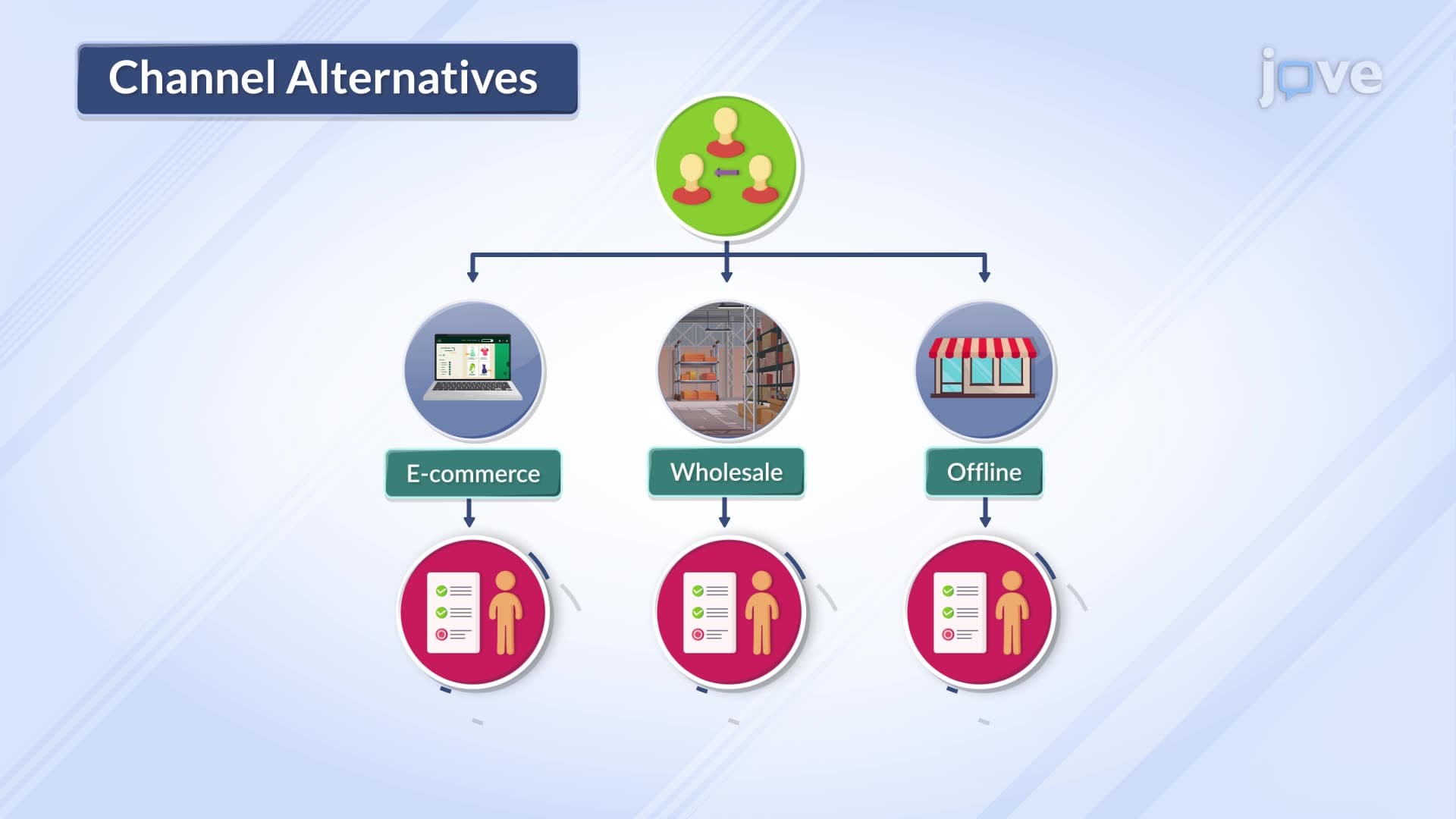
Role conflicts emerge when channel partners encroach on each other's traditional territories. Consider how Nike's direct-to-consumer push through digital channels creates tension with longtime retail partners like Foot Locker. Similarly, when manufacturers launch their own e-commerce platforms, they compete directly with their retail partners, creating conflicts over customer ownership and pricing control.
Inventory management represents another flashpoint. Manufacturers prefer large orders that optimize production efficiency and reduce per-unit costs. Retailers, however, prioritize inventory turns and cash flow, preferring smaller, more frequent deliveries. This fundamental misalignment can strain relationships and impact service levels.
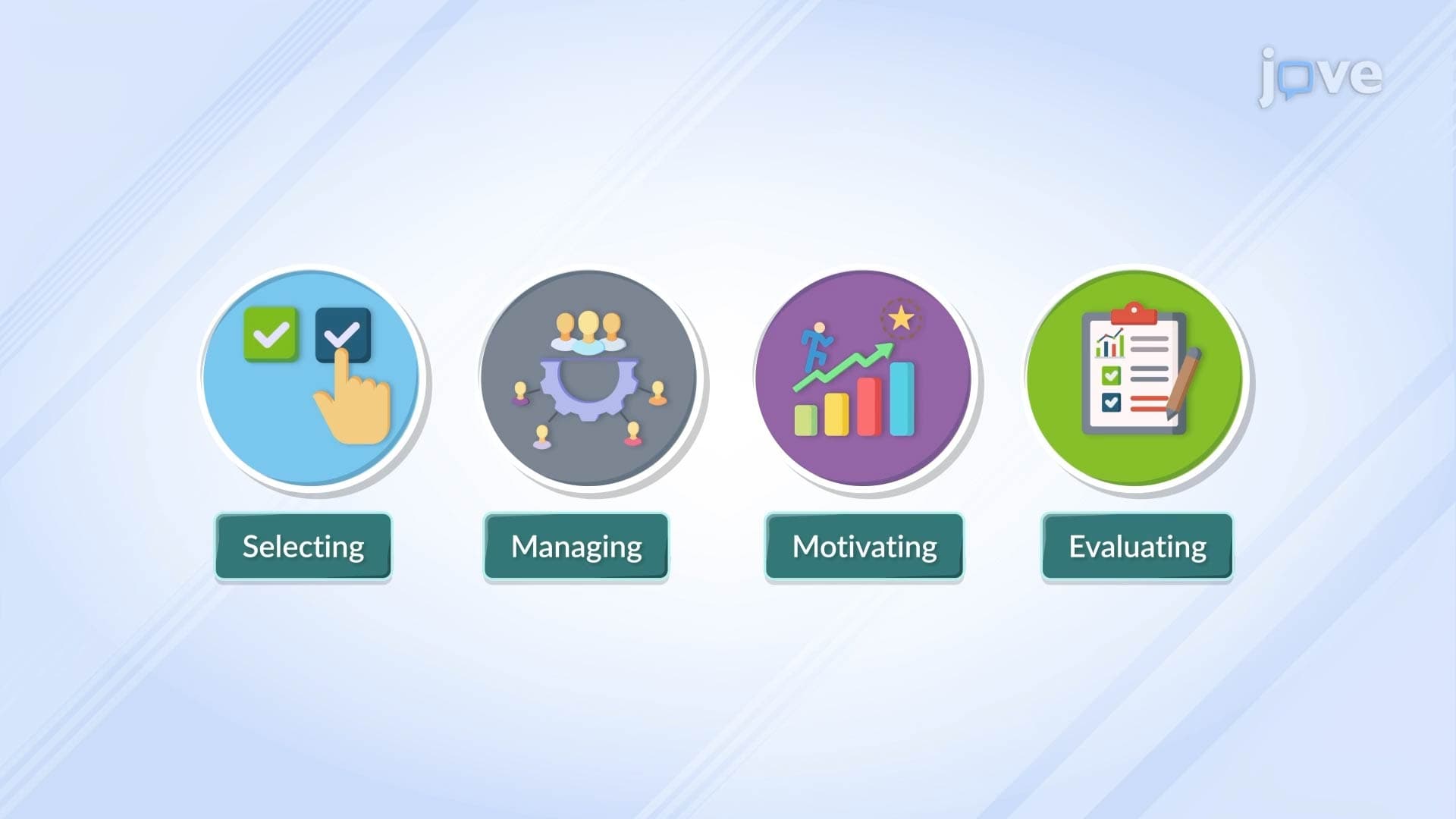
Successful companies develop systematic approaches to manage channel conflicts before they escalate. Clear channel agreements define roles, responsibilities, and performance expectations. Procter & Gamble, for example, has invested heavily in collaborative planning systems that align manufacturer production schedules with retailer demand forecasts, reducing inventory conflicts while improving service levels.
Related Micro-courses