Loading video…


 15 Concepts
 7.9K views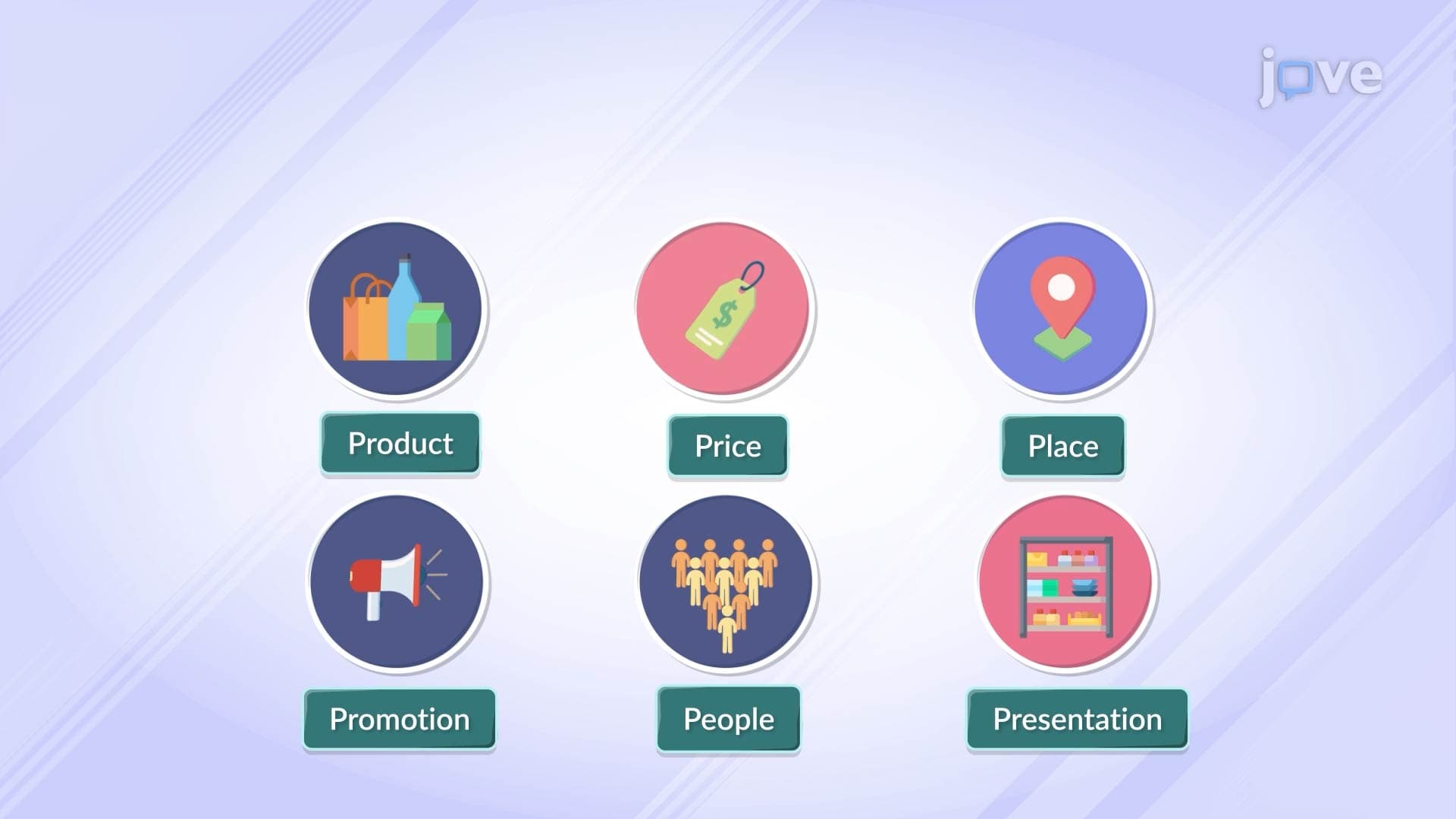

Video Summary: What Is Retail Strategy
With retail sales exceeding $7 trillion annually in the US market, retail strategy determines whether companies thrive or struggle against fierce competition. A comprehensive retail strategy framework guides critical business decisions across product assortment, pricing models, distribution channels, promotional tactics, workforce management, and customer experience design. Target's successful transformation from discount retailer to design-forward destination exemplifies strategic retail execution in action. Watch the full video on JoVE Coach to master this concept with expert-led visuals and step-by-step explanations.
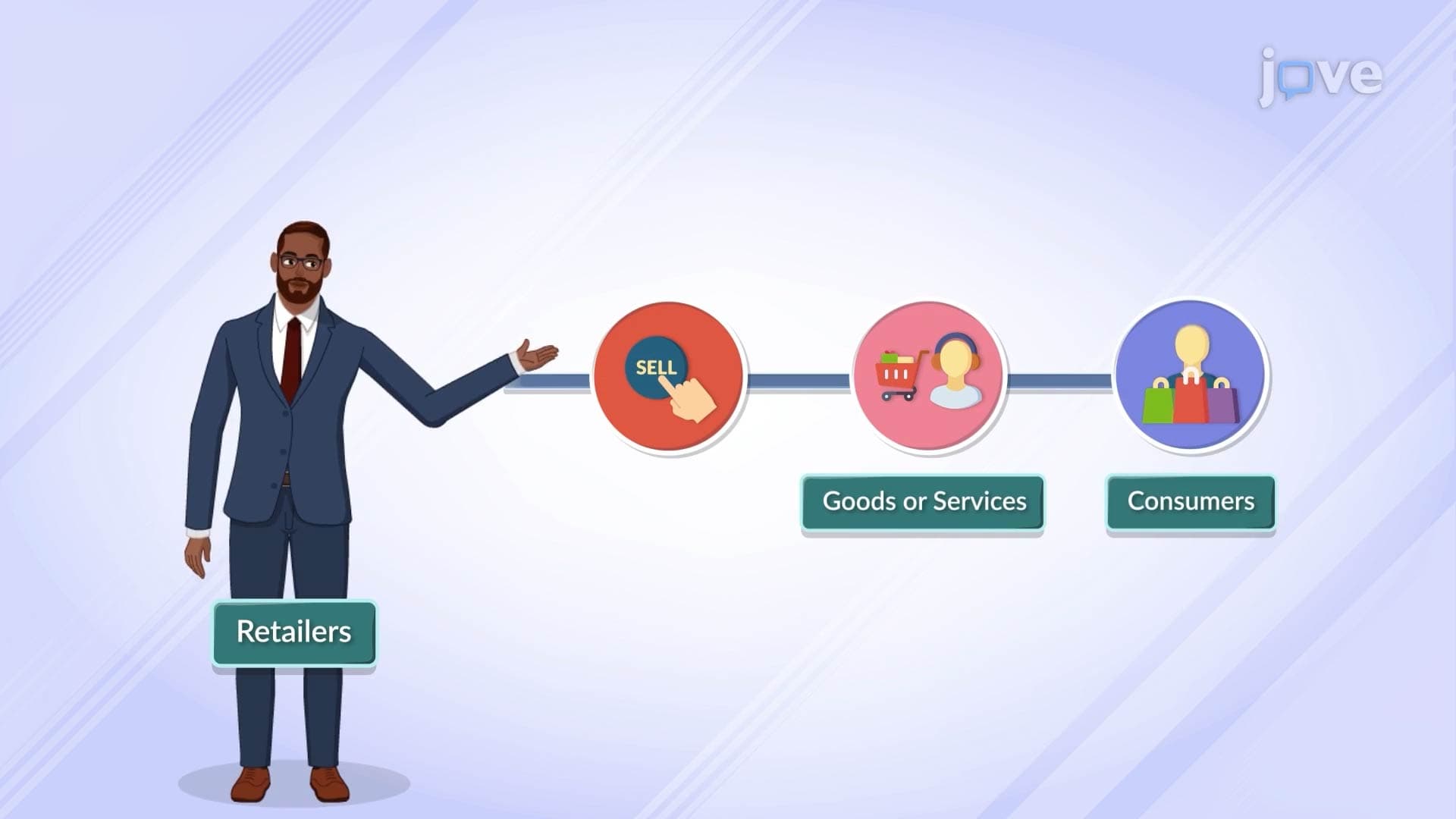
When Best Buy faced the "showrooming" crisis in 2012-customers examining products in-store before purchasing online elsewhere-the electronics retailer needed a comprehensive retail strategy overhaul. This scenario illustrates why retail strategy represents far more than tactical store operations; it's a strategic framework that determines competitive advantage, profitability, and long-term market position.
Modern retail strategy builds on six interconnected pillars that drive business performance. Product strategy involves curating assortments that balance customer demand with margin optimization-consider how Whole Foods strategically expanded beyond organic groceries into prepared foods and wellness products to increase basket size and frequency. Pricing strategy requires sophisticated analysis of cost structures, competitive positioning, and perceived value propositions.
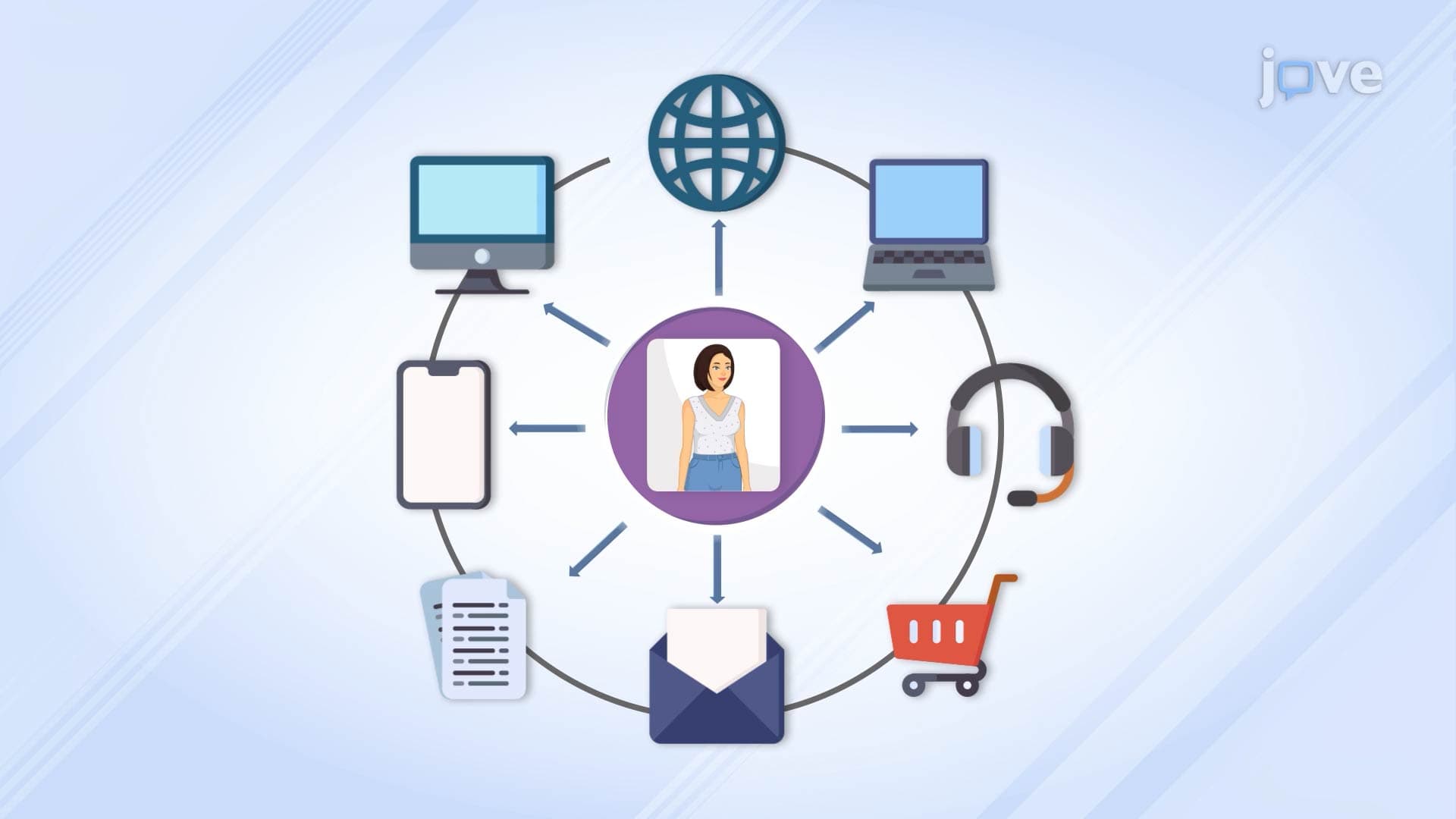
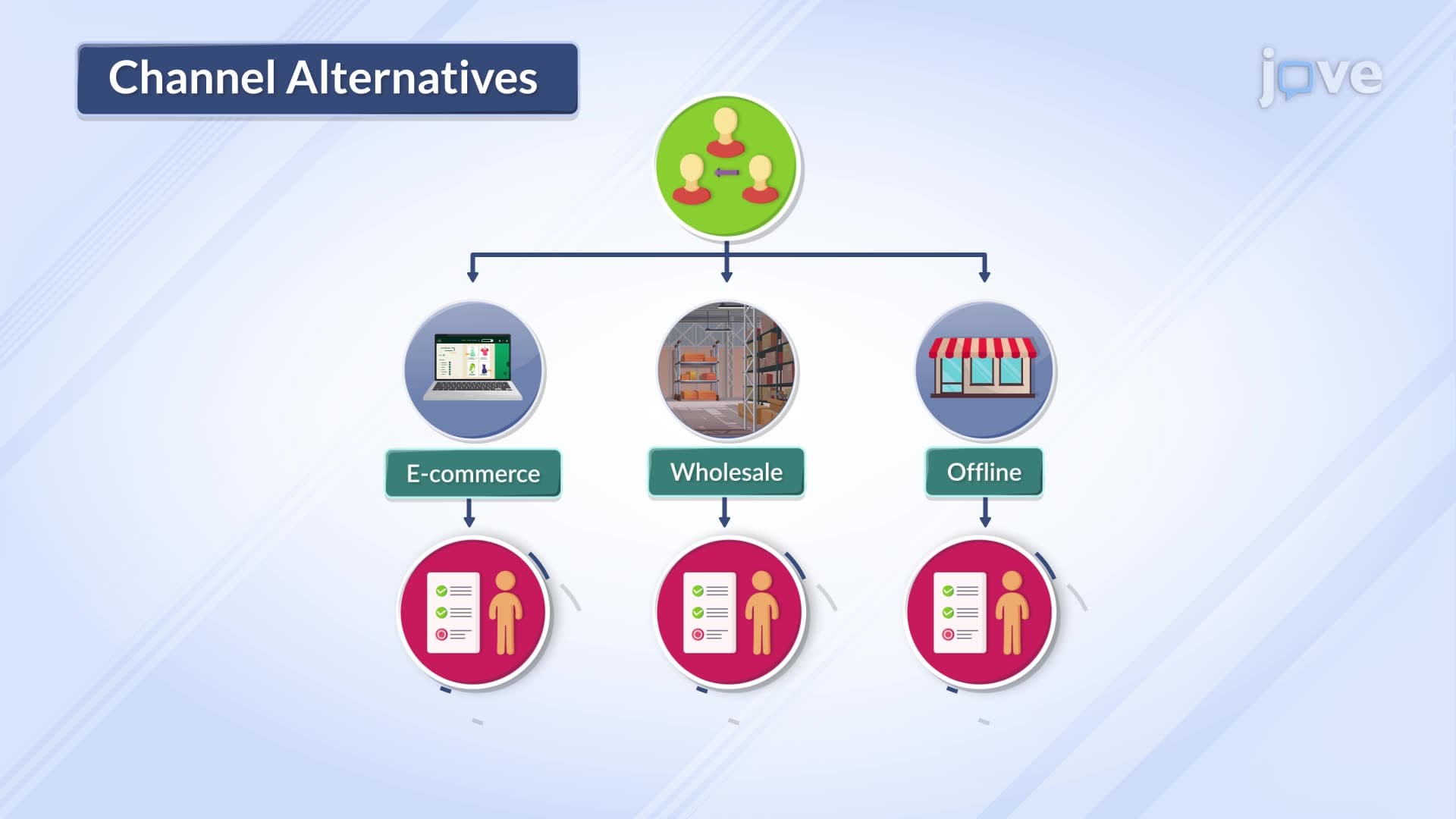
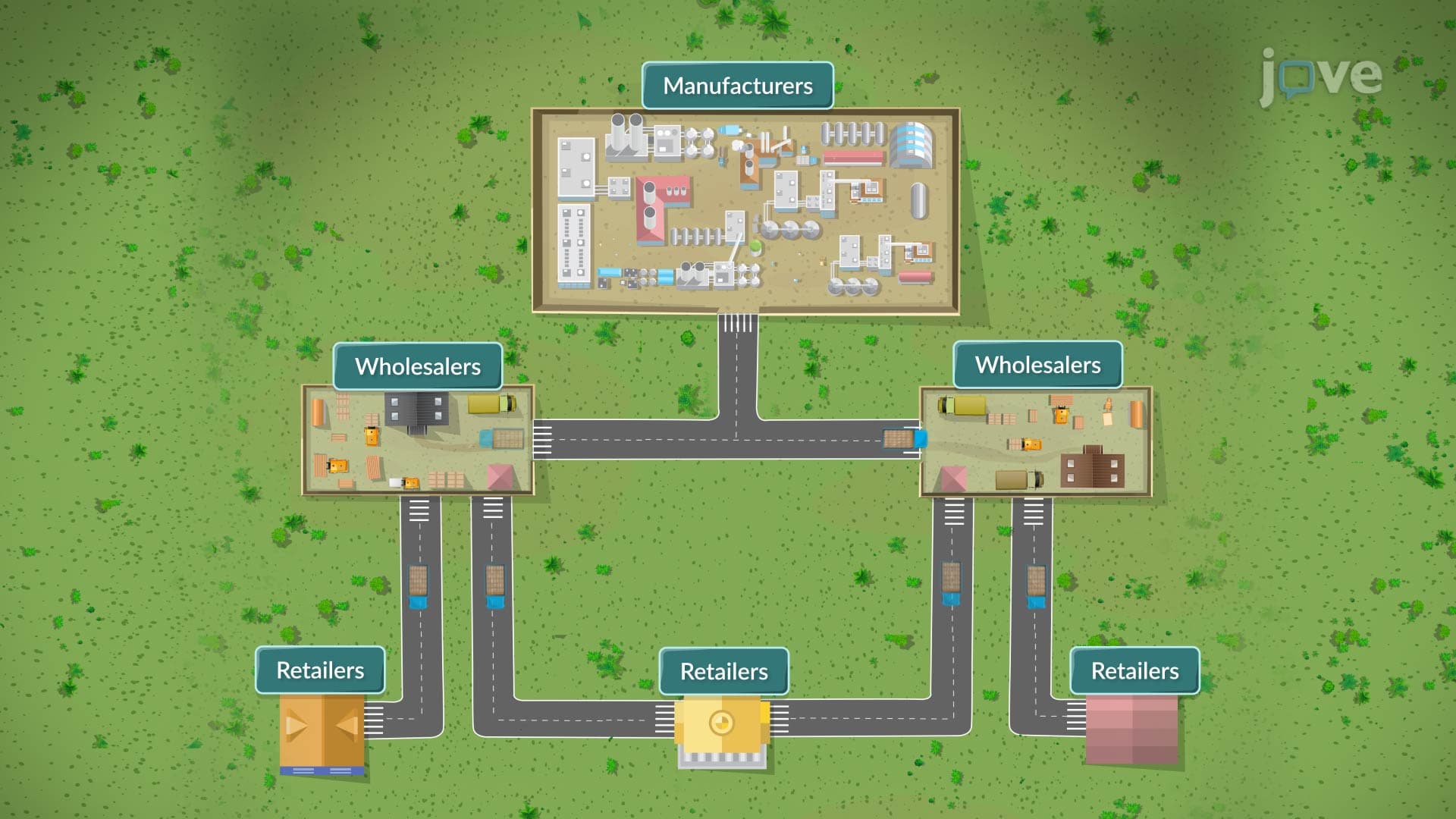
Place decisions now encompass complex omnichannel considerations. Successful retailers like Home Depot integrate physical stores, e-commerce platforms, and mobile applications to create seamless customer journeys while optimizing inventory management and fulfillment costs. Strategic store placement considers demographic analysis, competitor proximity, and supply chain efficiency.
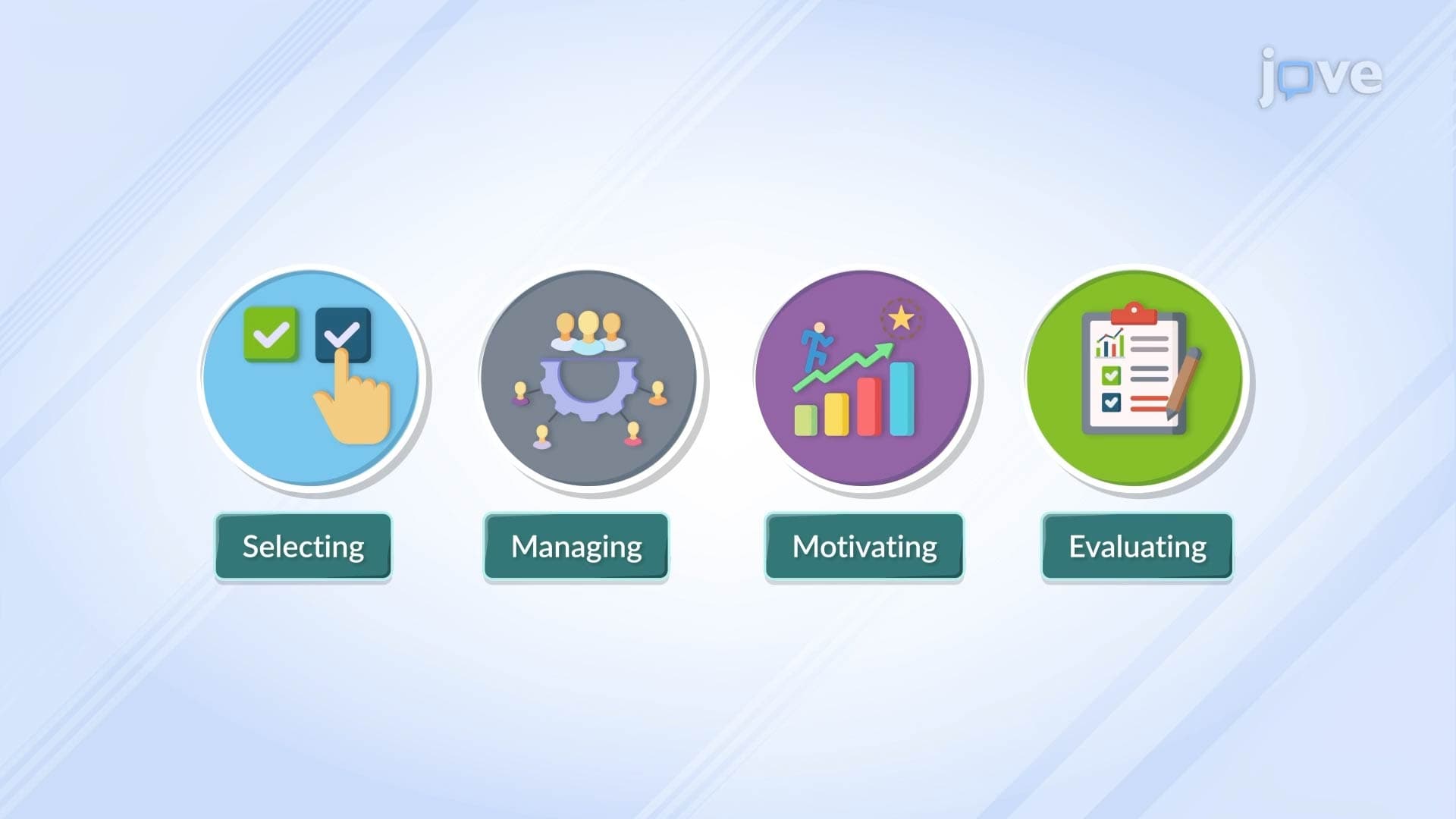
The human element distinguishes exceptional retail strategies from mediocre ones. Companies like Nordstrom built competitive advantage through employee empowerment and customer service excellence, creating differentiation that justifies premium pricing. Strategic workforce planning includes recruitment, training programs, compensation structures, and performance management systems that align employee behavior with business objectives.
Presentation strategy encompasses the entire customer experience ecosystem. Apple's retail stores revolutionized technology retail through minimalist design, hands-on product interaction, and educational focus rather than traditional sales pressure. These presentation decisions directly impact conversion rates, average transaction values, and customer loyalty metrics.
Effective promotional strategies coordinate advertising spend, sales promotions, public relations, and digital marketing to maximize return on marketing investment. Retailers must balance brand-building activities with performance marketing, measuring impact across customer acquisition costs, lifetime value, and brand equity development.
Related Micro-courses