Loading video…


 11 Concepts
 17.2K views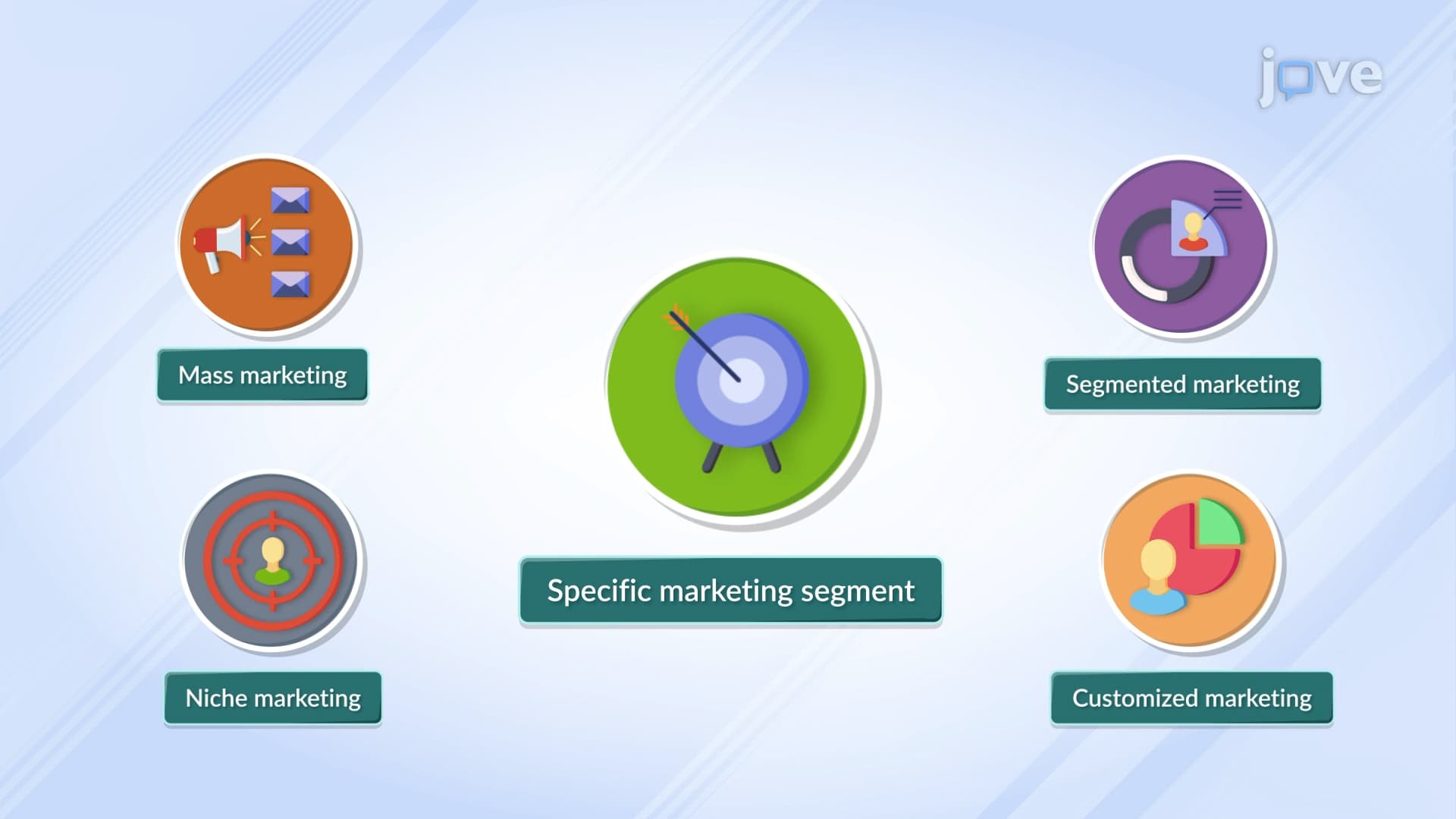

Video Summary: What are Targeting Strategies
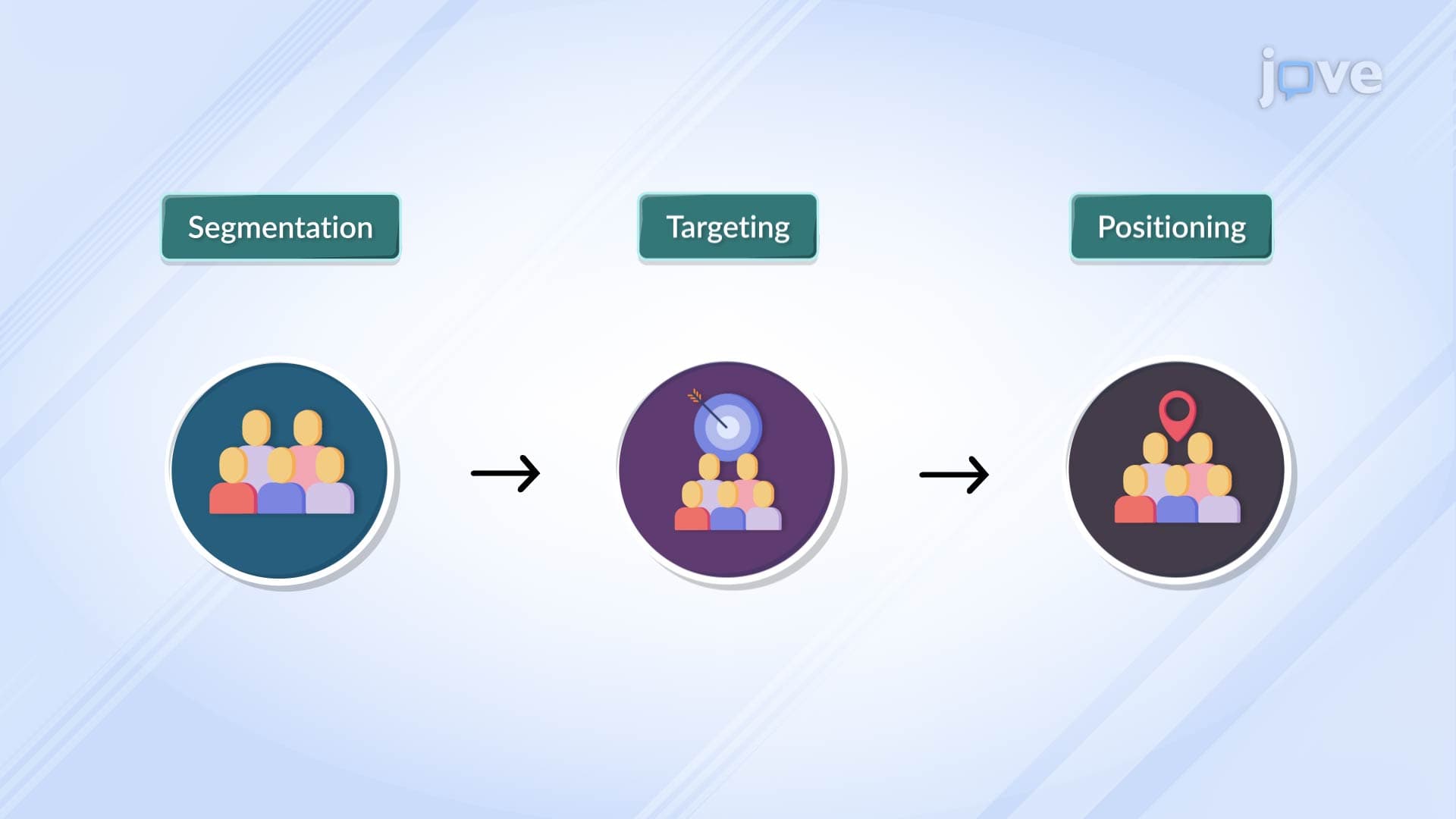
Modern CMOs face mounting pressure to optimize marketing spend while driving measurable growth across diverse customer segments. Targeting strategies serve as the strategic foundation for market segmentation decisions, enabling businesses to allocate resources efficiently and maximize ROI. Companies like Coca-Cola demonstrate masterful targeting through distinct approaches-from mass market campaigns for core products to concentrated strategies for premium offerings like Coca-Cola Energy. Watch the full video on JoVE Coach to master this concept with expert-led visuals and step-by-step explanations.
When Procter & Gamble's board evaluates its $7 billion annual marketing spend, targeting strategies drive every allocation decision. These frameworks determine how companies identify, prioritize, and engage specific market segments to maximize return on marketing investment while achieving sustainable competitive advantages.
Undifferentiated targeting, or mass marketing, leverages economies of scale to serve broad markets with standardized offerings. Companies like Walmart excel here, using consistent value propositions across diverse demographics. This approach minimizes complexity while maximizing reach, making it ideal for commodity products or universal needs. However, it sacrifices personalization for efficiency, requiring careful brand positioning to avoid commoditization.
The strategic appeal lies in cost structure optimization-single marketing campaigns, streamlined operations, and simplified inventory management. Yet market leaders must continuously defend against focused competitors who can better serve specific segments.
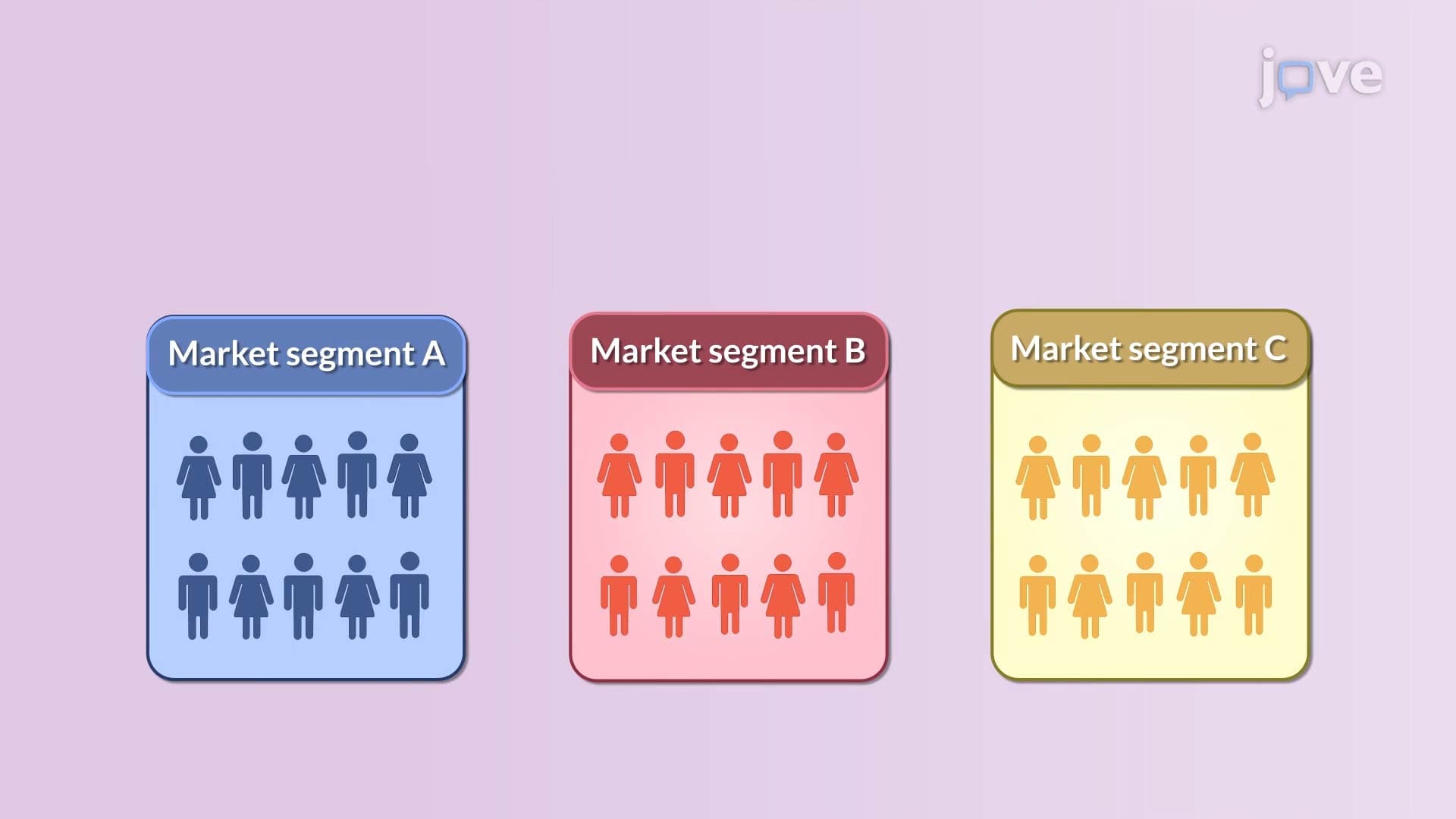
Differentiated targeting enables companies to capture multiple segments simultaneously through tailored value propositions. General Motors exemplifies this approach, offering Chevrolet for price-conscious buyers, Cadillac for luxury segments, and GMC for utility-focused customers. Each brand maintains distinct positioning while leveraging shared platforms and supply chains.
This strategy maximizes market coverage and revenue potential but demands sophisticated brand management, separate marketing budgets, and complex operational coordination. Success requires strong portfolio management capabilities and clear brand architecture to prevent cannibalization.
Concentrated targeting focuses resources on specific niches, enabling deep market penetration and premium positioning. Companies like Patagonia dominate outdoor enthusiast segments through authentic brand storytelling and specialized product development.
Micromarketing represents the ultimate personalization, with companies like Amazon using AI-driven targeting to create individualized experiences. This approach maximizes customer lifetime value but requires advanced analytics capabilities and scalable technology infrastructure.
Related Micro-courses