Loading video…


 11 Concepts
 17.2K views

Video Summary: What Is Market Segmentation Application
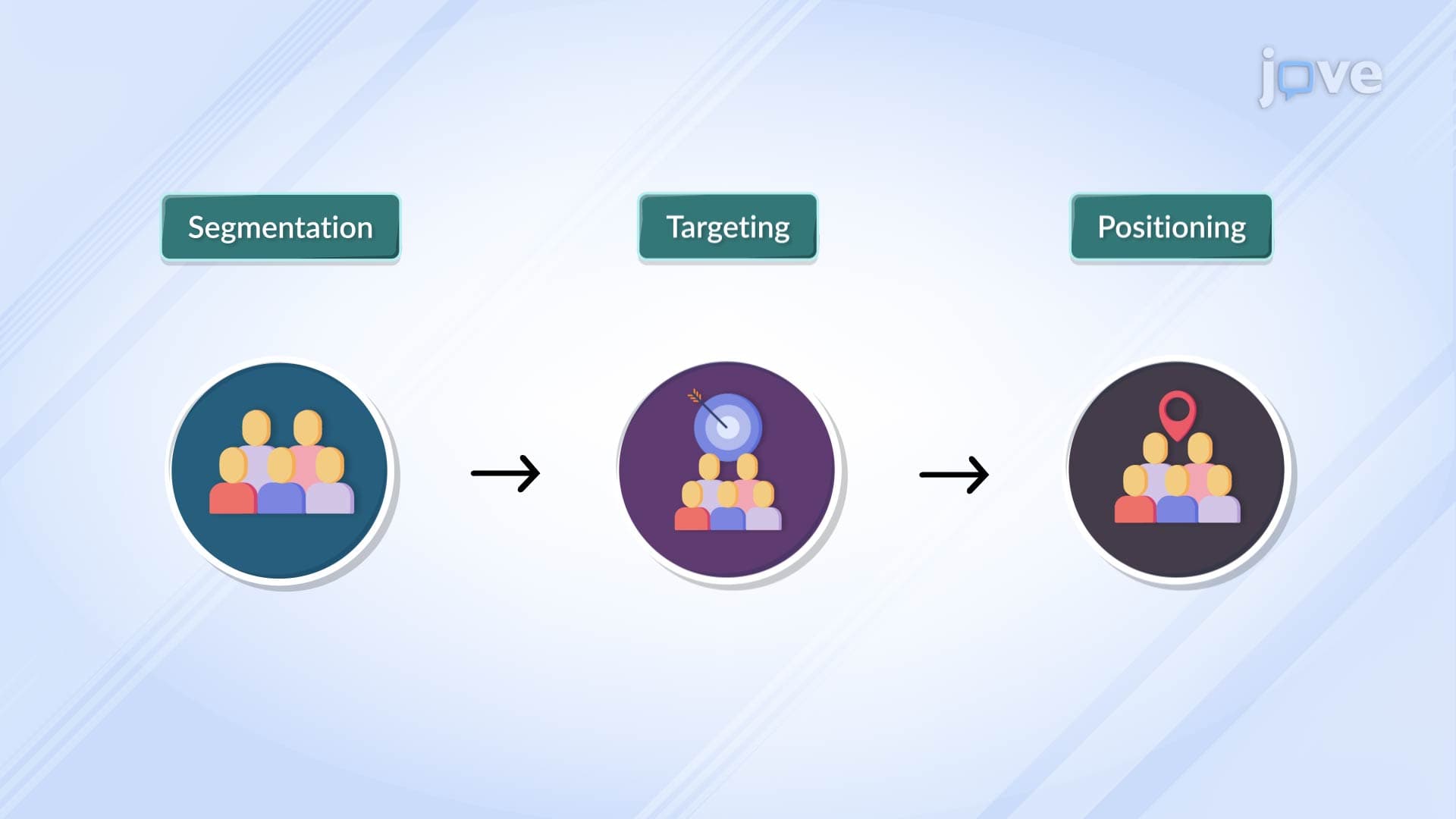
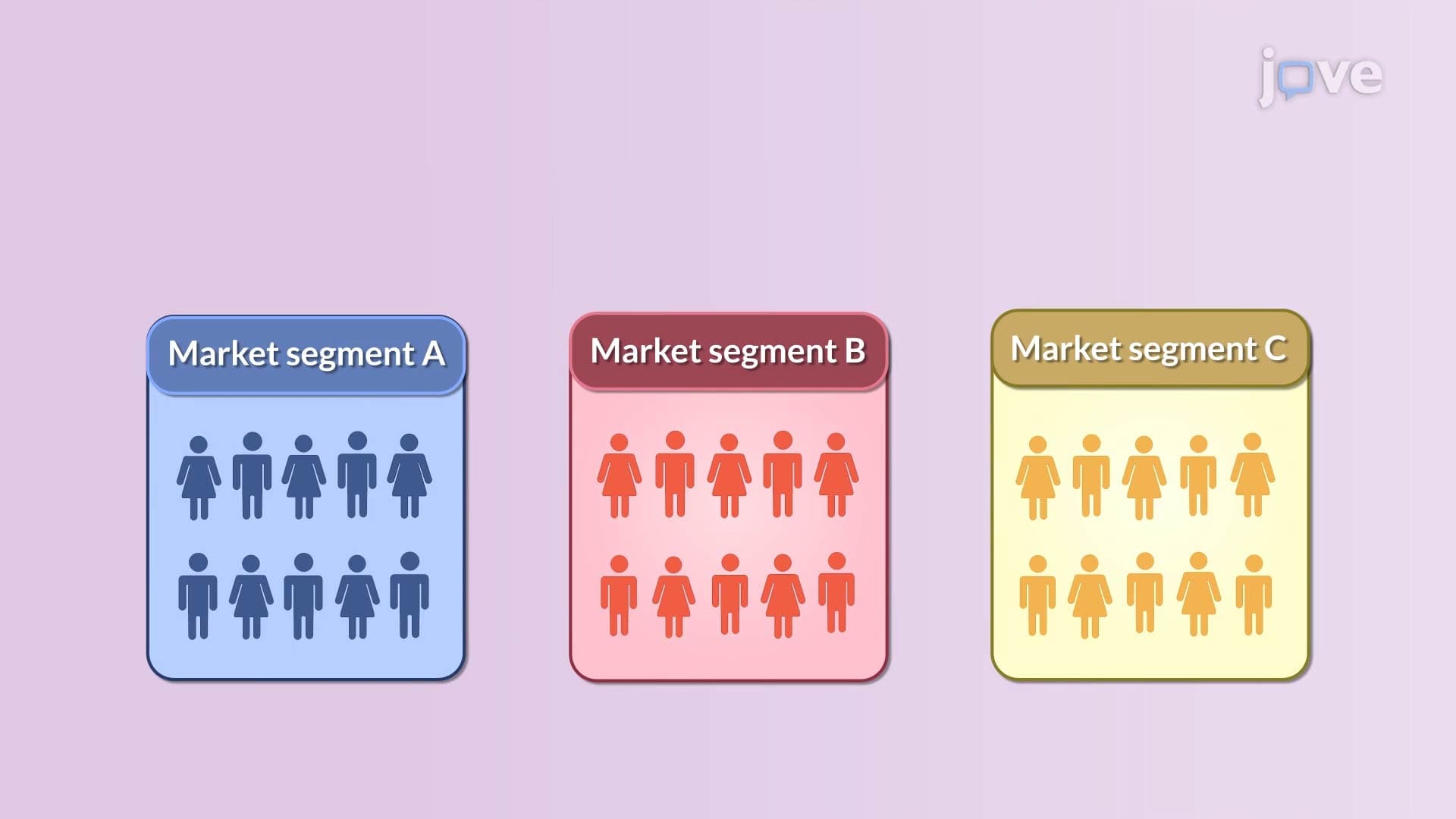
Effective market segmentation application drives revenue growth and competitive advantage across industries. Market segmentation application involves strategically dividing your customer base using demographic, geographic, psychographic, and behavioral criteria to maximize marketing ROI and product positioning. Companies like Gillette have mastered gender-based demographic segmentation, while Netflix leverages behavioral data to drive engagement and retention. Understanding what is market segmentation application enables business leaders to make data-driven decisions that directly impact market share and profitability. Watch the full video on JoVE Coach to master this concept with expert-led visuals and step-by-step explanations.
Market segmentation application represents the systematic process of dividing heterogeneous markets into distinct, actionable customer groups that drive measurable business outcomes. When PepsiCo's board evaluates market expansion strategies, they rely on sophisticated segmentation models that combine demographic trends, geographic consumption patterns, and behavioral insights to allocate billion-dollar marketing budgets effectively.
Demographic Segmentation for Revenue Optimization Demographic segmentation drives product development and pricing strategies across major corporations. Procter & Gamble's portfolio strategy exemplifies this approach-their Gillette division generates $6+ billion annually by creating distinct product lines for male and female consumers, each with differentiated pricing, packaging, and distribution strategies. This segmentation directly impacts gross margins and market share retention in competitive categories.
Geographic Segmentation for Competitive Advantage Geographic segmentation enables companies to adapt business models for local market conditions and regulatory environments. Starbucks leverages geographic data to determine store formats, menu offerings, and pricing strategies-their New York City locations feature different operational models than suburban stores, reflecting population density, real estate costs, and consumer behavior patterns that directly influence unit economics and profitability.
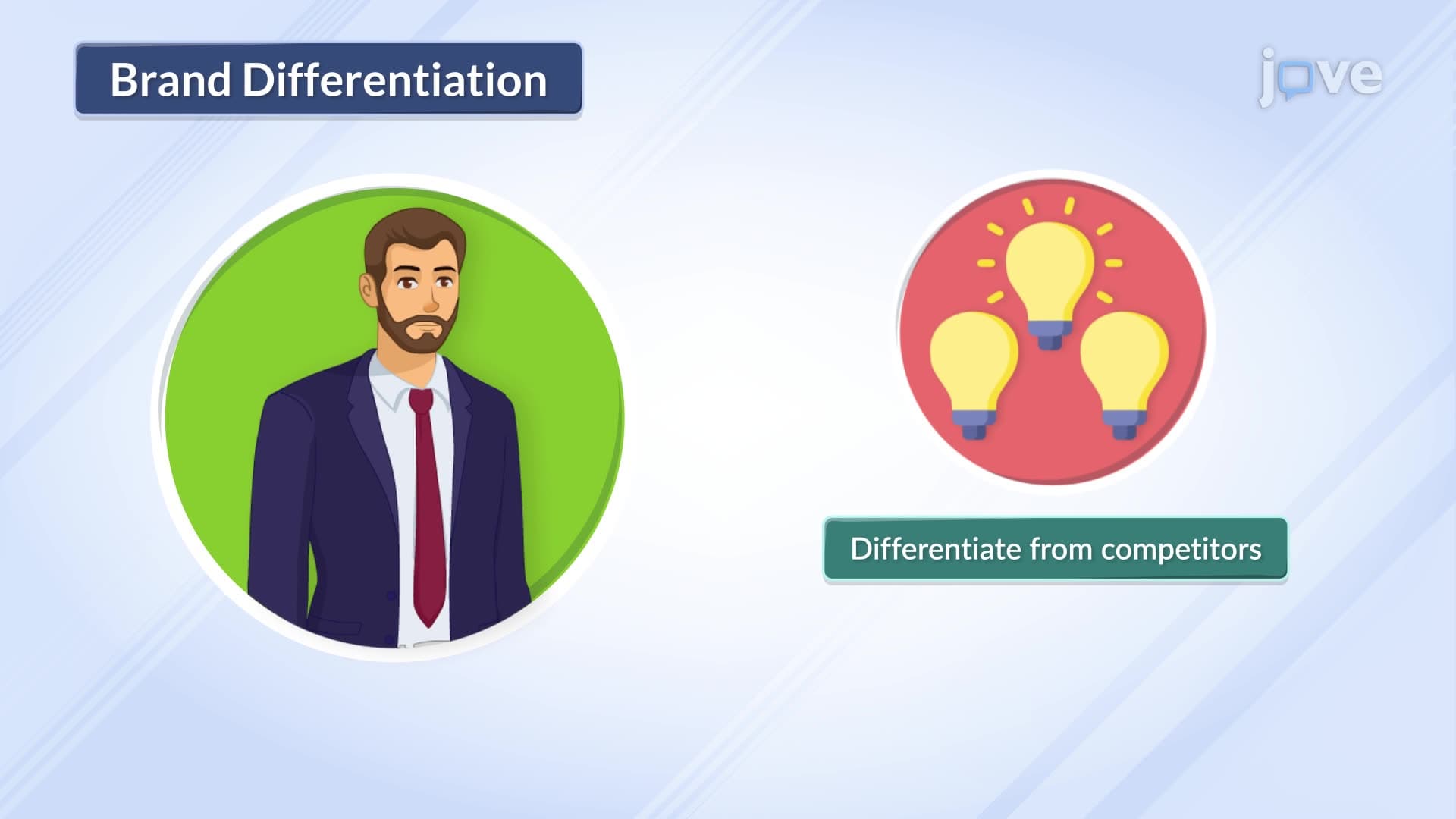
Psychographic Segmentation for Brand Differentiation Psychographic segmentation creates sustainable competitive moats through emotional brand connections. Apple's marketing strategy targets innovation-focused, design-conscious consumers willing to pay premium prices for integrated technology ecosystems. This segmentation approach has enabled Apple to maintain industry-leading profit margins while building one of the world's most valuable brands.
Behavioral Segmentation for Customer Lifetime Value Behavioral segmentation drives retention strategies and cross-selling opportunities that maximize customer lifetime value. Amazon's recommendation engine processes behavioral data to increase average order values and purchase frequency-their Prime membership program specifically targets high-frequency purchasers, creating a behavioral segment that generates disproportionate revenue and profit contribution.
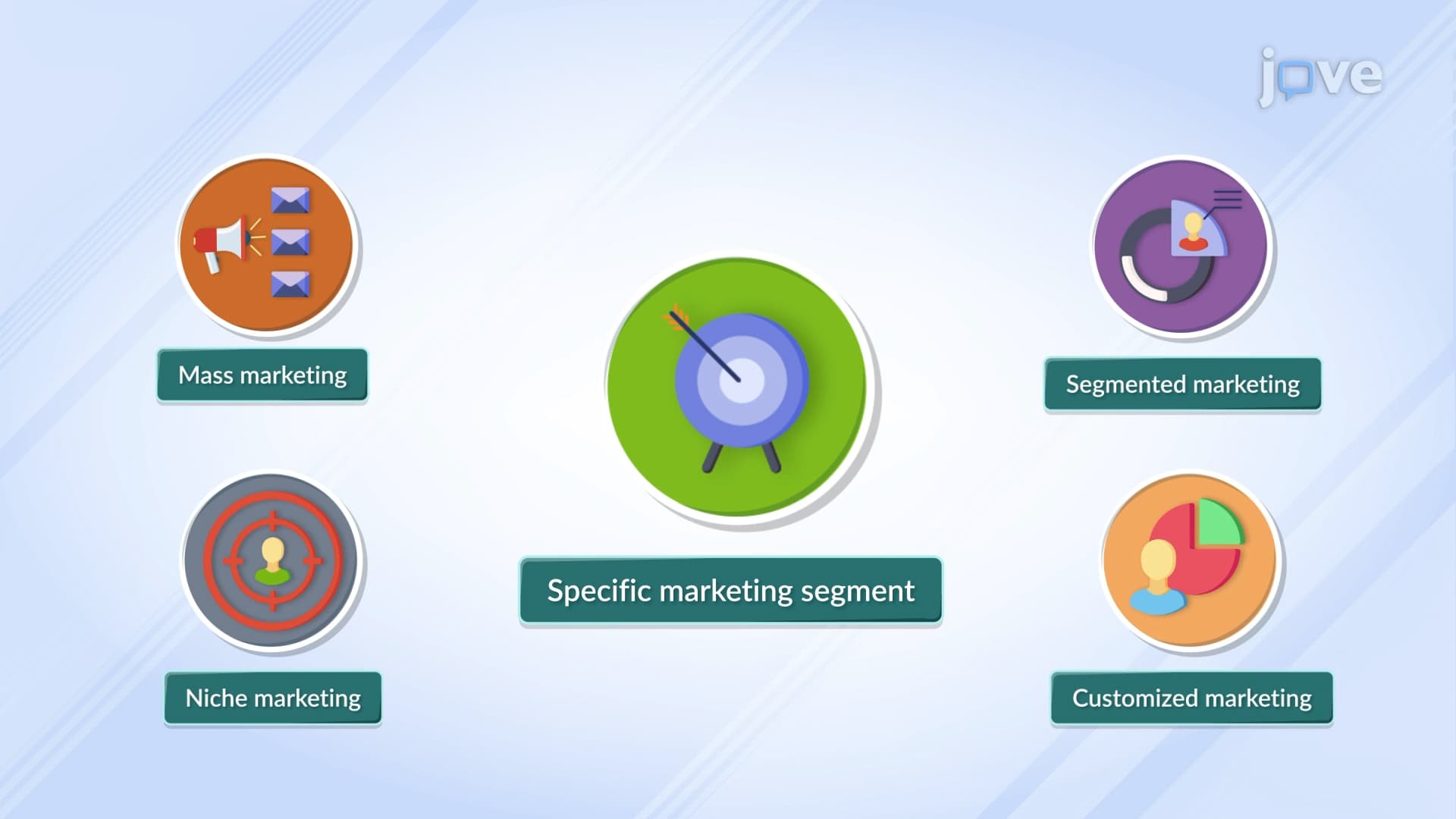
Leading companies combine multiple segmentation approaches to create comprehensive customer intelligence frameworks. Target's merchandising strategy integrates demographic data (family lifecycle stage), geographic insights (local market preferences), and behavioral patterns (purchase history) to optimize inventory management, promotional strategies, and store layout decisions that drive comparable store sales growth.
Related Micro-courses