Loading video…


 11 Concepts
 17.2K views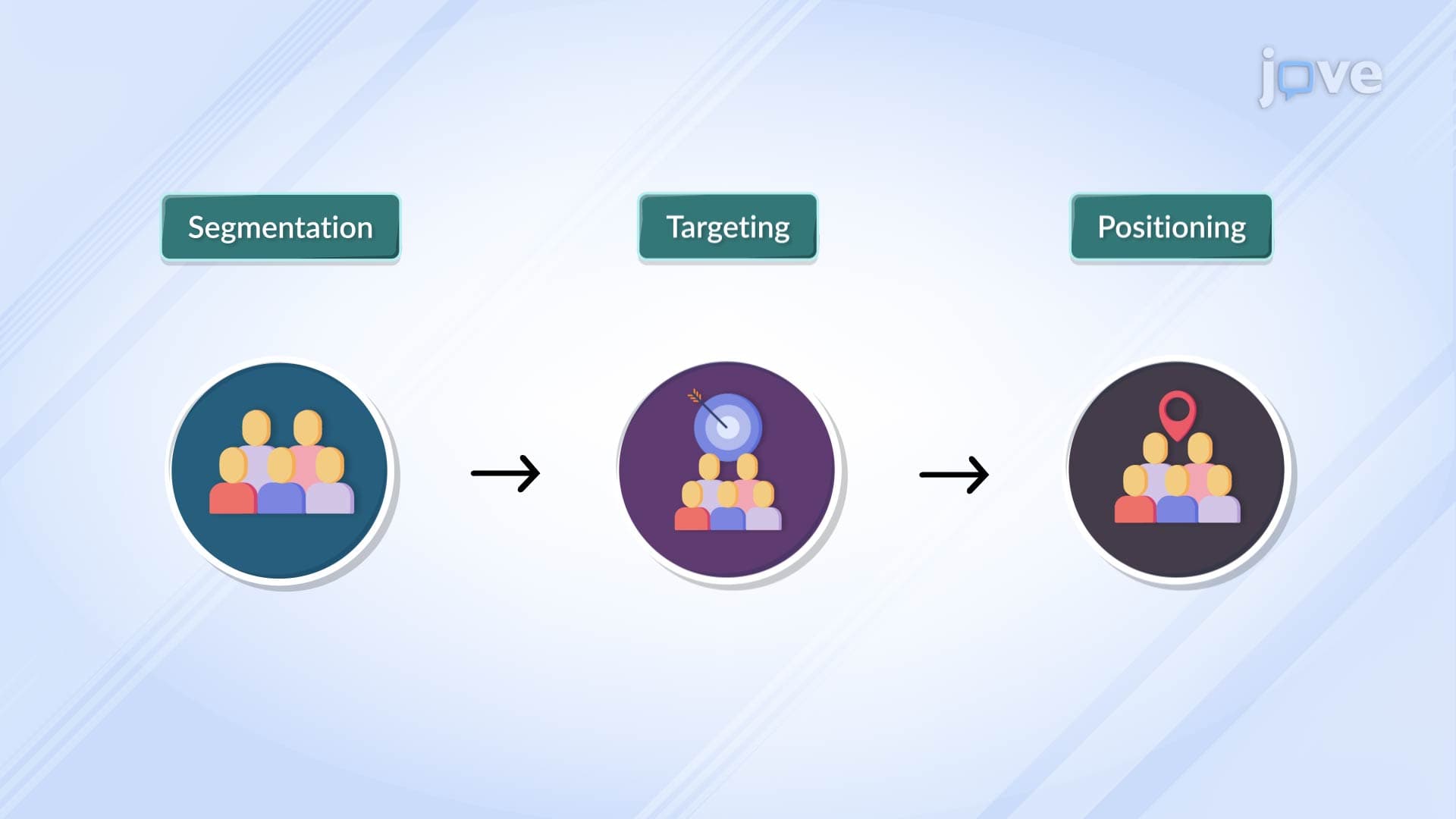

Video Summary: What Is Segmentation Targeting Positioning
When Amazon decided to expand beyond books in the late 1990s, they applied segmentation targeting positioning principles to systematically conquer new markets rather than spreading resources thin across all consumer categories. Segmentation targeting positioning enables businesses to allocate marketing resources strategically by identifying distinct customer groups, selecting the most profitable segments, and crafting unique value propositions. This framework transforms broad market approaches into focused strategies that drive higher ROI and competitive advantage. Watch the full video on JoVE Coach to master this concept with expert-led visuals and step-by-step explanations.
Modern businesses face the strategic challenge of competing effectively while managing finite resources. Segmentation targeting positioning (STP) provides a systematic framework for making these critical allocation decisions. Rather than pursuing broad market approaches that dilute impact, successful companies use STP to concentrate efforts where they can achieve sustainable competitive advantage.
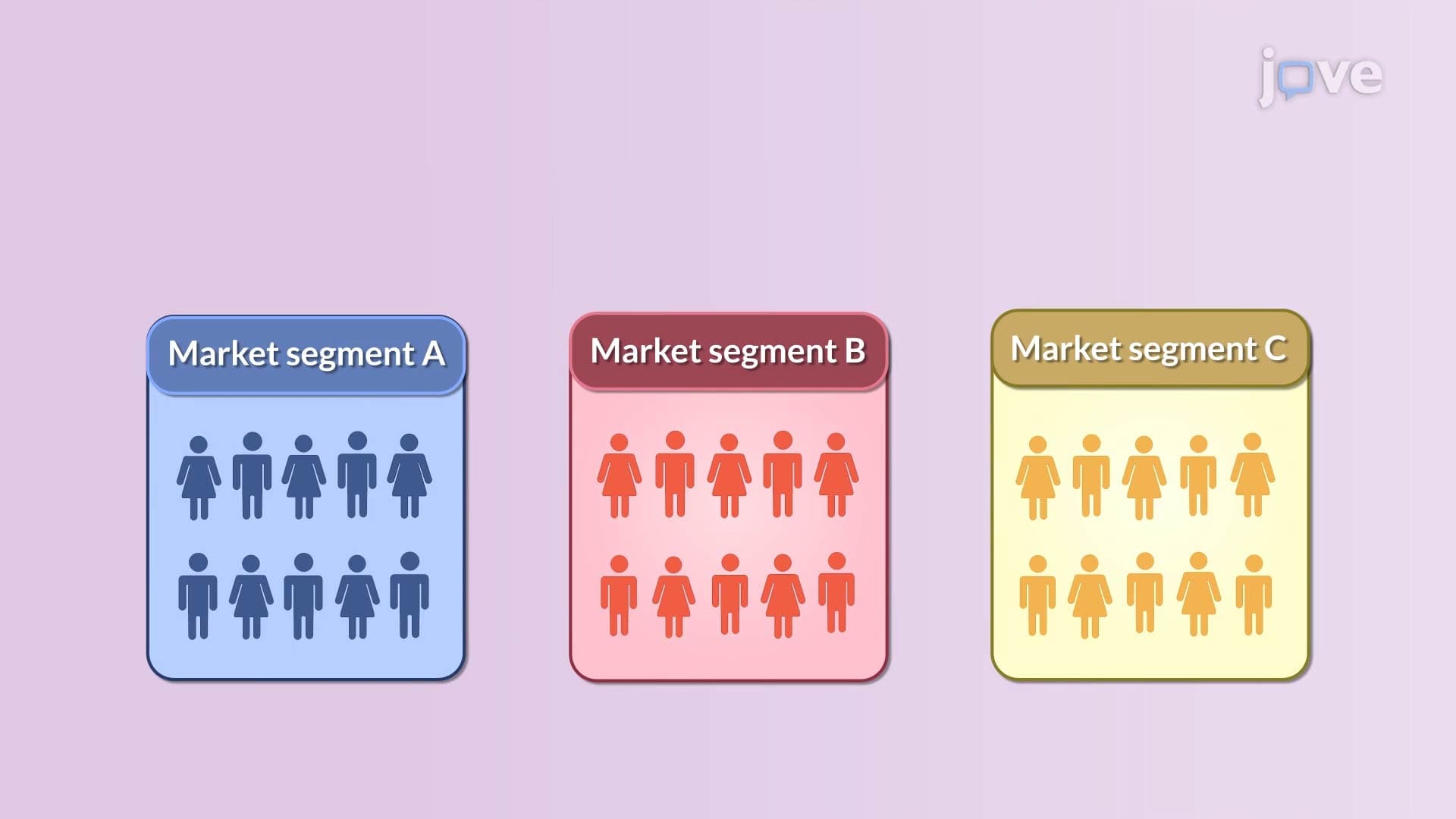
Market Segmentation involves dividing heterogeneous markets into homogeneous groups based on shared characteristics, needs, or behaviors. Netflix exemplifies sophisticated segmentation, using viewing patterns, device preferences, and content engagement metrics to create micro-segments that inform content acquisition and recommendation algorithms. This granular approach enables personalized experiences that drive subscriber retention and lifetime value.
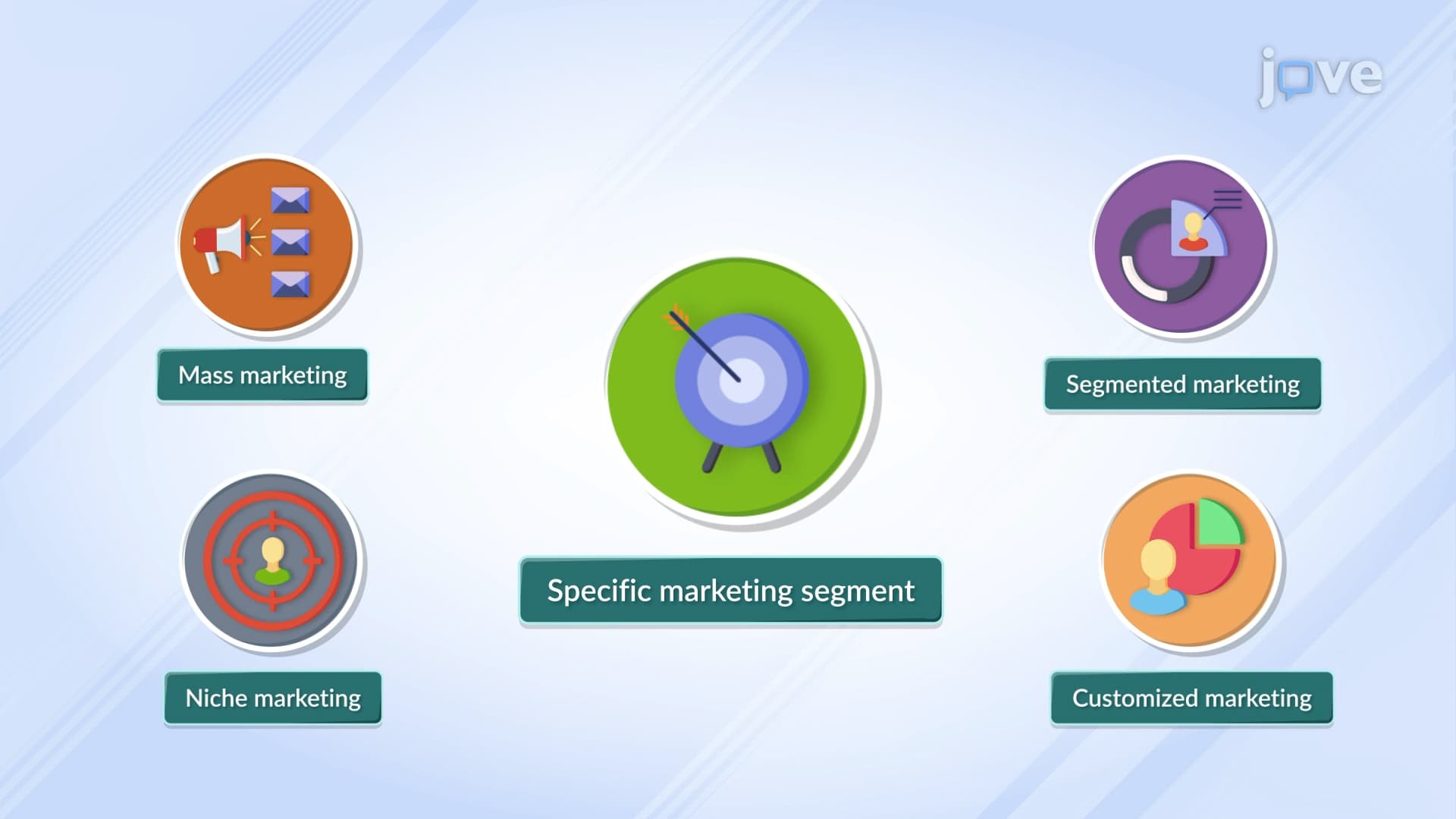
Strategic Targeting requires evaluating segment attractiveness and selecting those that align with company capabilities and growth objectives. When Starbucks expanded beyond premium coffee shops, they strategically targeted convenience-oriented consumers through grocery partnerships and drive-thru locations, rather than competing broadly across all beverage categories. This focused targeting enabled rapid market penetration while maintaining brand equity.
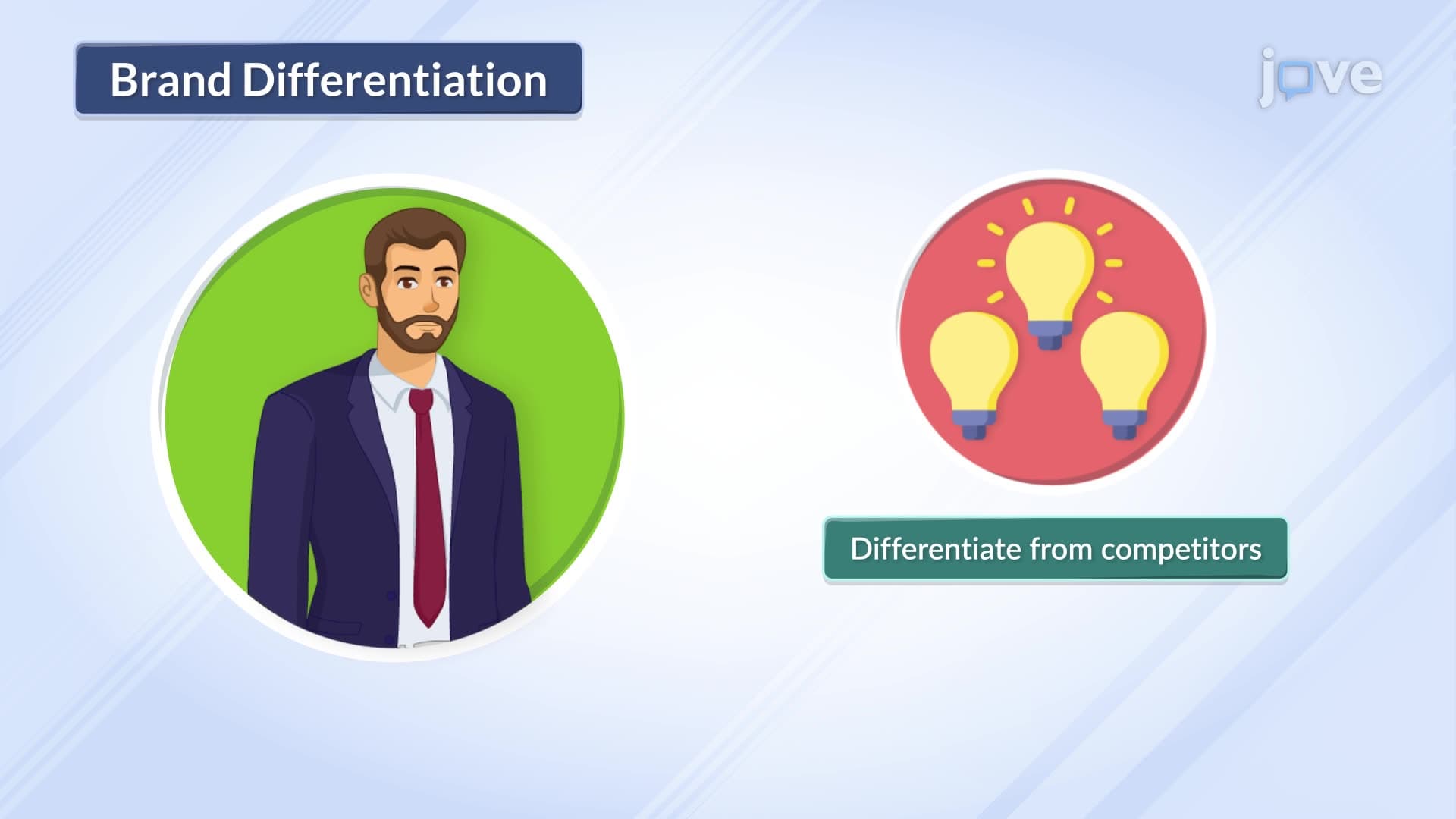
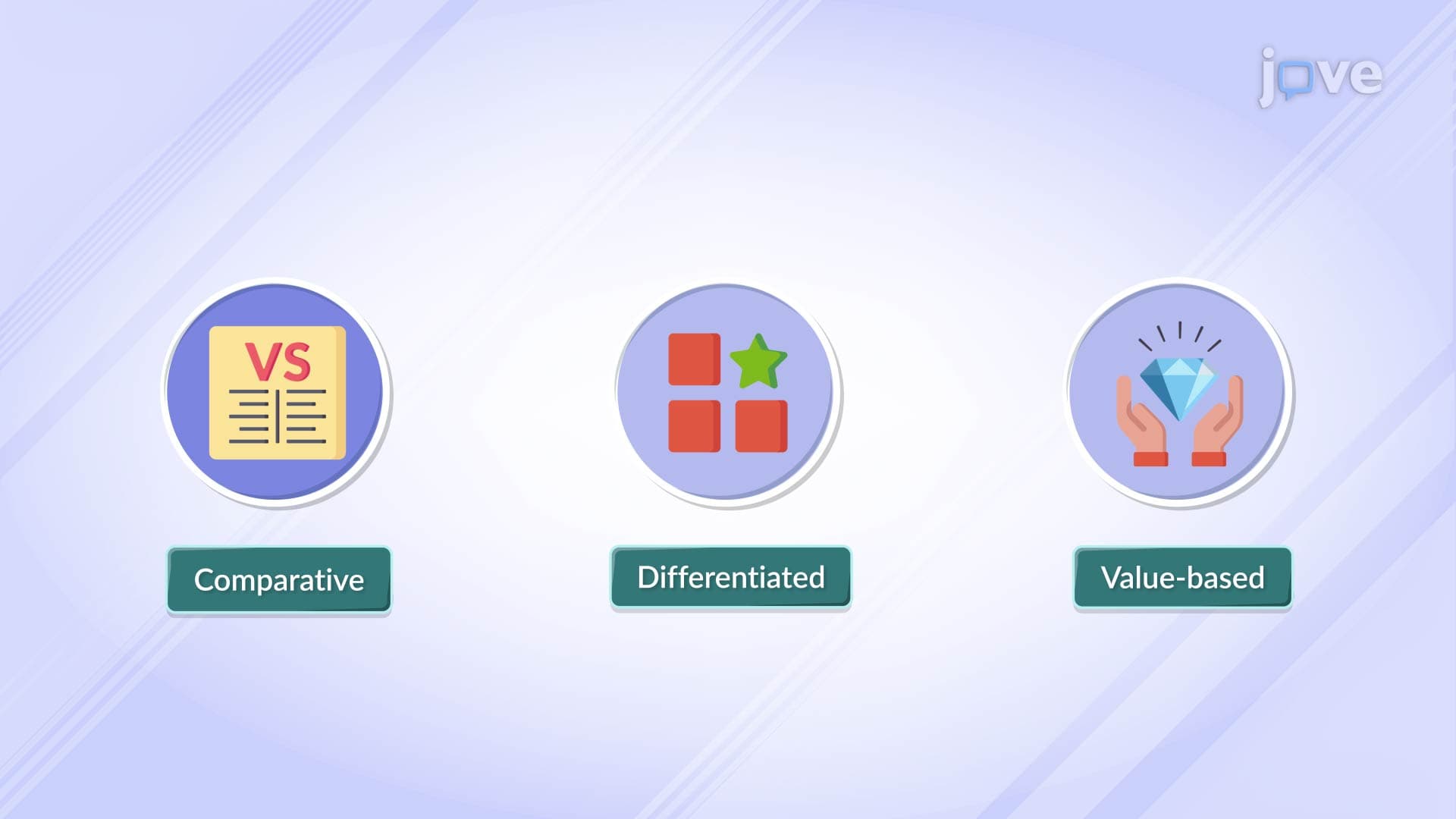
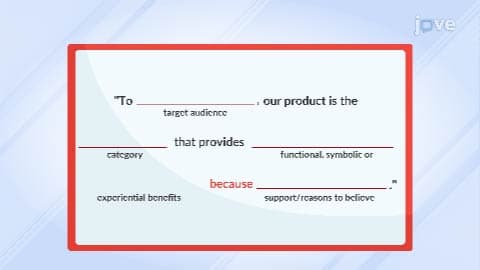
Competitive Positioning establishes a distinctive place in customers' minds relative to alternatives. Southwest Airlines positioned itself as the low-cost, high-frequency carrier for price-sensitive business and leisure travelers, fundamentally differentiating from full-service carriers through operational efficiency and cultural messaging. This clear positioning guided everything from route selection to employee training.
Successful STP implementation requires cross-functional coordination between marketing, operations, and finance teams. Companies must align product development roadmaps with segment needs, ensure operational capabilities support positioning promises, and establish metrics that track segment profitability over time. The most effective organizations treat STP as a dynamic process, regularly reassessing segments as markets evolve and competitive landscapes shift.
Related Micro-courses