Loading subject page…


17,192 views


Video Summary: What Is Creating Customer Persona
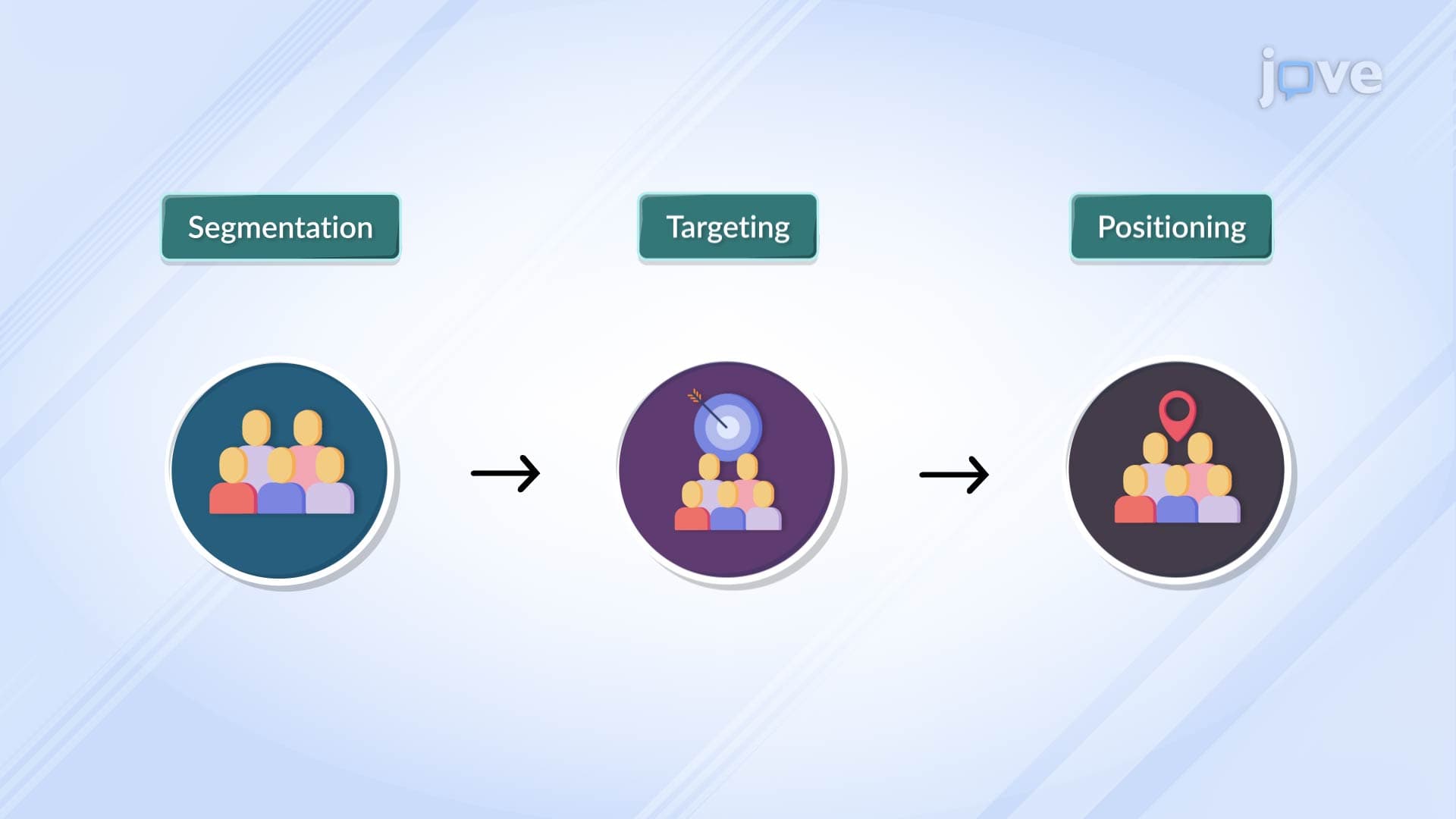
Companies like Target and Amazon generate billions in revenue by mastering creating customer persona development, transforming raw customer data into actionable market insights. Creating customer persona involves a systematic three-step process: comprehensive data collection through analytics and customer research, pattern identification across customer segments, and detailed persona profile development. What is creating customer persona becomes clear when businesses humanize their data into strategic decision-making tools that guide product development, marketing spend allocation, and customer acquisition strategies. Watch the full video on JoVE Coach to master this concept with expert-led visuals and step-by-step explanations.
Modern enterprises face an increasingly complex challenge: how to effectively target and engage customers in saturated markets where generic messaging fails to drive conversion. Netflix exemplifies this challenge perfectly-with over 230 million global subscribers generating diverse viewing behaviors, the streaming giant relies heavily on sophisticated customer persona development to personalize content recommendations and optimize subscriber retention strategies.
Creating customer persona represents a systematic approach to transforming disparate customer data points into strategic business intelligence. This process extends far beyond basic demographic profiling to encompass behavioral analytics, psychographic insights, and predictive modeling that drives P&L performance.
The foundation begins with comprehensive data aggregation from multiple touchpoints: CRM systems, web analytics, transaction histories, customer service interactions, and market research. Companies like Starbucks leverage this multi-source approach, combining mobile app usage data with in-store purchase behaviors to understand how different customer segments interact with their ecosystem across channels.
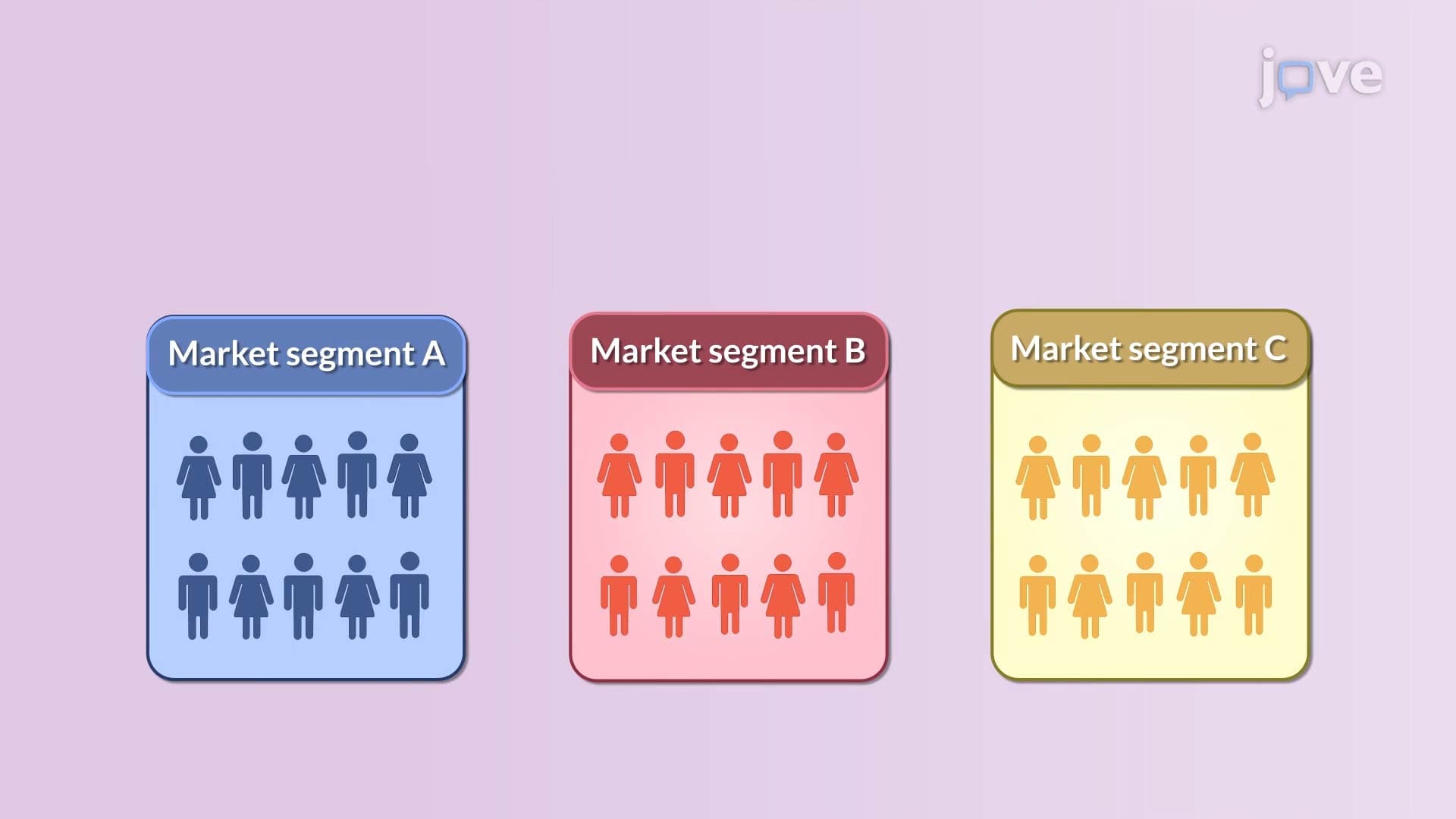
Pattern recognition follows data collection, where advanced analytics identify clustering behaviors that reveal distinct market segments. These patterns often uncover non-obvious correlations-such as how mobile app preference correlates with premium product adoption rates, or how specific communication channel preferences predict customer lifetime value.
The third critical component involves persona humanization through detailed profile development. Rather than presenting abstract data segments, effective personas receive names, job titles, lifestyle details, and narrative descriptions that enable marketing teams, product developers, and sales organizations to viscually understand their target customers.
Consider how Salesforce approaches this challenge: their persona development process creates detailed profiles like "Sarah, the Growth-Stage Startup CEO" or "Michael, the Enterprise IT Director," complete with specific pain points, technology preferences, and decision-making processes. These personas directly inform product roadmap decisions, sales methodology training, and marketing campaign development.
Organizations that excel at creating customer persona development gain significant competitive advantages through improved customer acquisition costs, higher conversion rates, and enhanced customer lifetime value. The key lies in connecting persona insights directly to business outcomes-measuring how persona-driven strategies impact revenue performance, market share growth, and customer satisfaction metrics across different segments.
Related Micro-courses