Loading video…


 11 Concepts
 17.2K views

Video Summary: What Is Positioning for Differentiation
In today's saturated markets, positioning differentiation determines whether your brand captures mindshare or gets lost in the competitive noise. Companies like Apple have mastered positioning for differentiation, transforming from a computer manufacturer to a lifestyle brand through strategic perceptual mapping and competitive positioning. This strategic framework enables businesses to establish unique market positions, identify white-space opportunities, and avoid commoditization. Watch the full video on JoVE Coach to master this concept with expert-led visuals and step-by-step explanations.
When Netflix faced the streaming wars against Disney+, HBO Max, and Amazon Prime, the company didn't just compete on content volume. Instead, Netflix leveraged sophisticated positioning for differentiation strategies, using data analytics and original programming to establish itself as the personalized entertainment platform. This strategic positioning exemplifies how modern businesses must think beyond features to create distinct market positions.
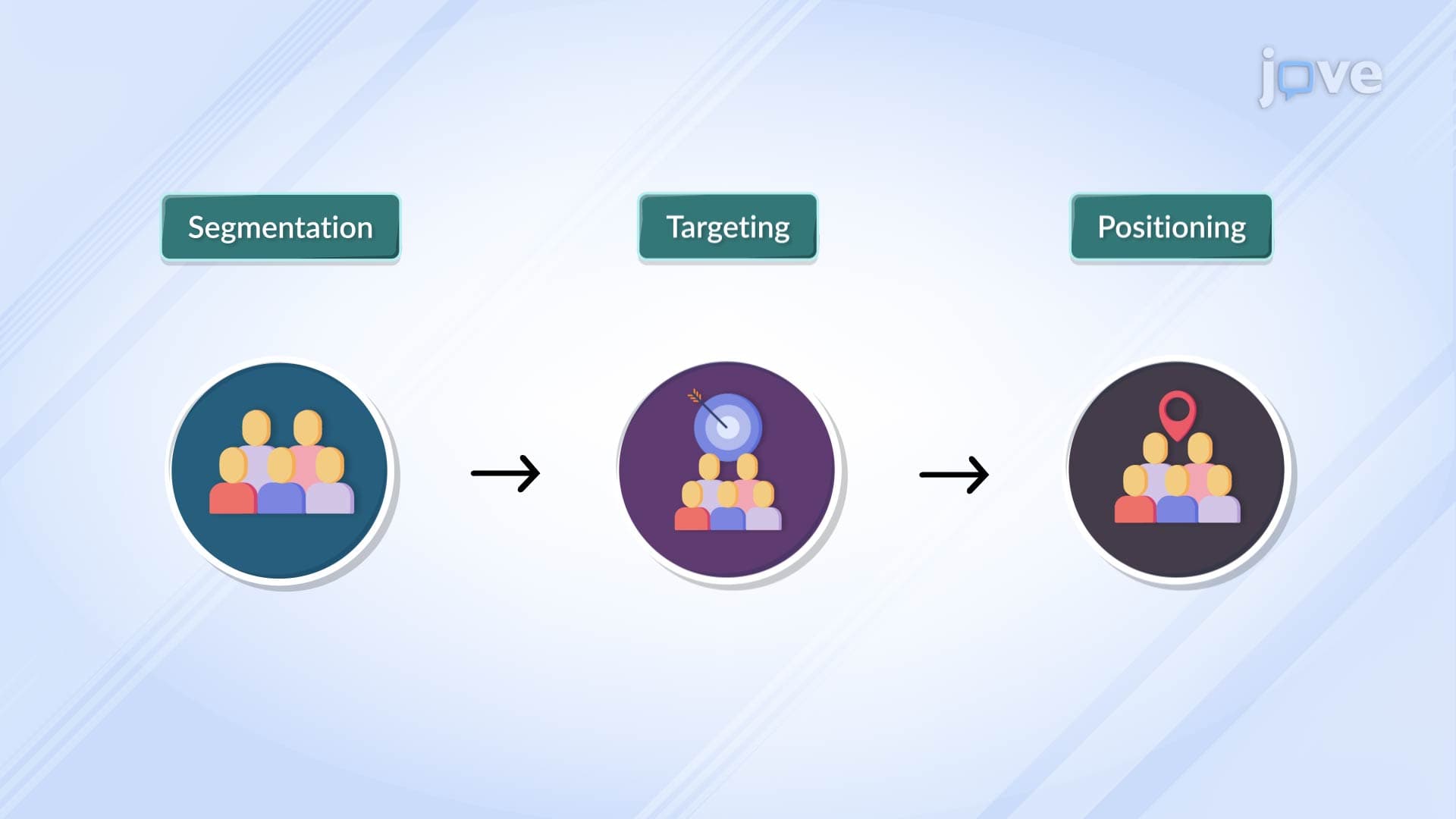
Positioning for differentiation operates as the third pillar of STP (Segmentation, Targeting, Positioning) strategy, focusing specifically on how organizations establish unique mindshare within target customer segments. Unlike basic product differentiation, strategic positioning creates perceptual value that competitors cannot easily replicate.
Perceptual mapping serves as the analytical backbone of this process, enabling executives to visualize competitive dynamics across multiple dimensions. Consider how Starbucks positioned itself not just as a coffee retailer, but as a "third place" between home and work-a positioning strategy that justified premium pricing and created customer loyalty that transcended traditional coffee shop competition.
Modern perceptual maps function as strategic dashboards for C-suite decision-making. These analytical frameworks identify four critical competitive insights: customer preference clusters, distinctive feature emphasis, market gap identification, and competitive avoidance strategies.
Tesla's market entry demonstrates masterful gap identification through perceptual mapping. While traditional automakers focused on reliability-versus-price positioning, Tesla identified the performance-sustainability quadrant as an underserved market space. This strategic insight enabled the company to avoid direct competition with established manufacturers while creating an entirely new luxury electric vehicle category.
The most sophisticated positioning strategies recognize market fluidity. Customer perceptions shift due to technological advances, economic conditions, and competitive responses. Companies like Microsoft have successfully repositioned from software licensing to cloud-first services, demonstrating how strategic positioning must evolve with market dynamics.
Effective positioning for differentiation requires continuous competitive monitoring, customer perception analysis, and strategic repositioning capabilities. Organizations that master this dynamic approach create sustainable competitive moats that generate superior financial performance and market leadership positions.
Related Micro-courses