Loading subject page…


22,796 views

Video Summary: What Is Swot Analysis Concept
When McKinsey reports that 70% of strategic initiatives fail due to poor situational analysis, mastering the SWOT analysis concept becomes essential for business leaders. This structured framework enables executives to systematically evaluate internal strengths and weaknesses alongside external opportunities and threats. Amazon's dominance exemplifies effective SWOT application-leveraging logistics strengths while addressing delivery speed weaknesses, capitalizing on e-commerce growth opportunities while mitigating retail disruption threats. Watch the full video on JoVE Coach to master this concept with expert-led visuals and step-by-step explanations.
When Starbucks faced declining same-store sales in 2008, CEO Howard Schultz didn't rely on intuition-he implemented a comprehensive SWOT analysis that revealed critical insights leading to the company's remarkable turnaround. This systematic approach to strategic evaluation has become indispensable for business leaders navigating complex market dynamics.
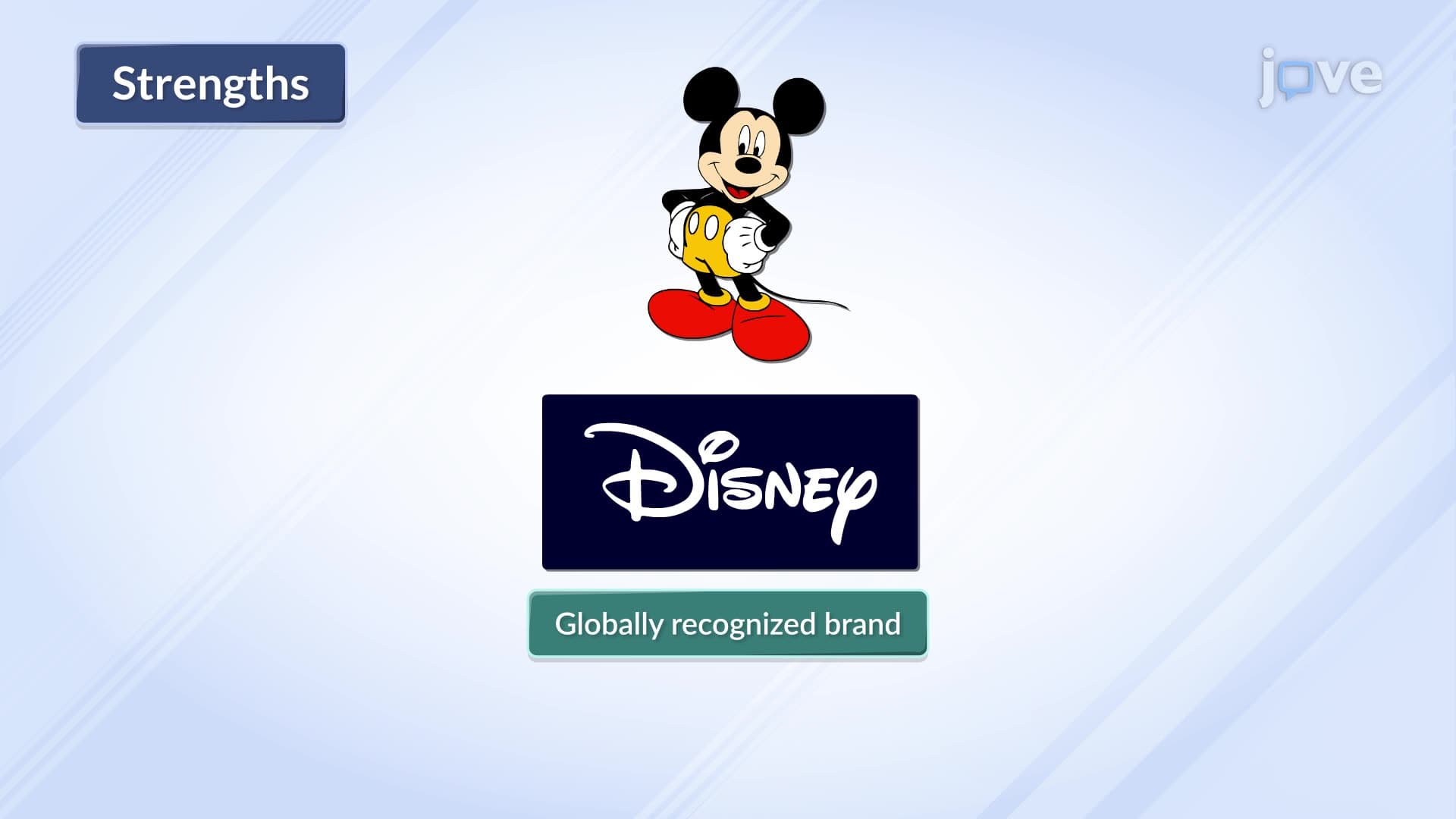
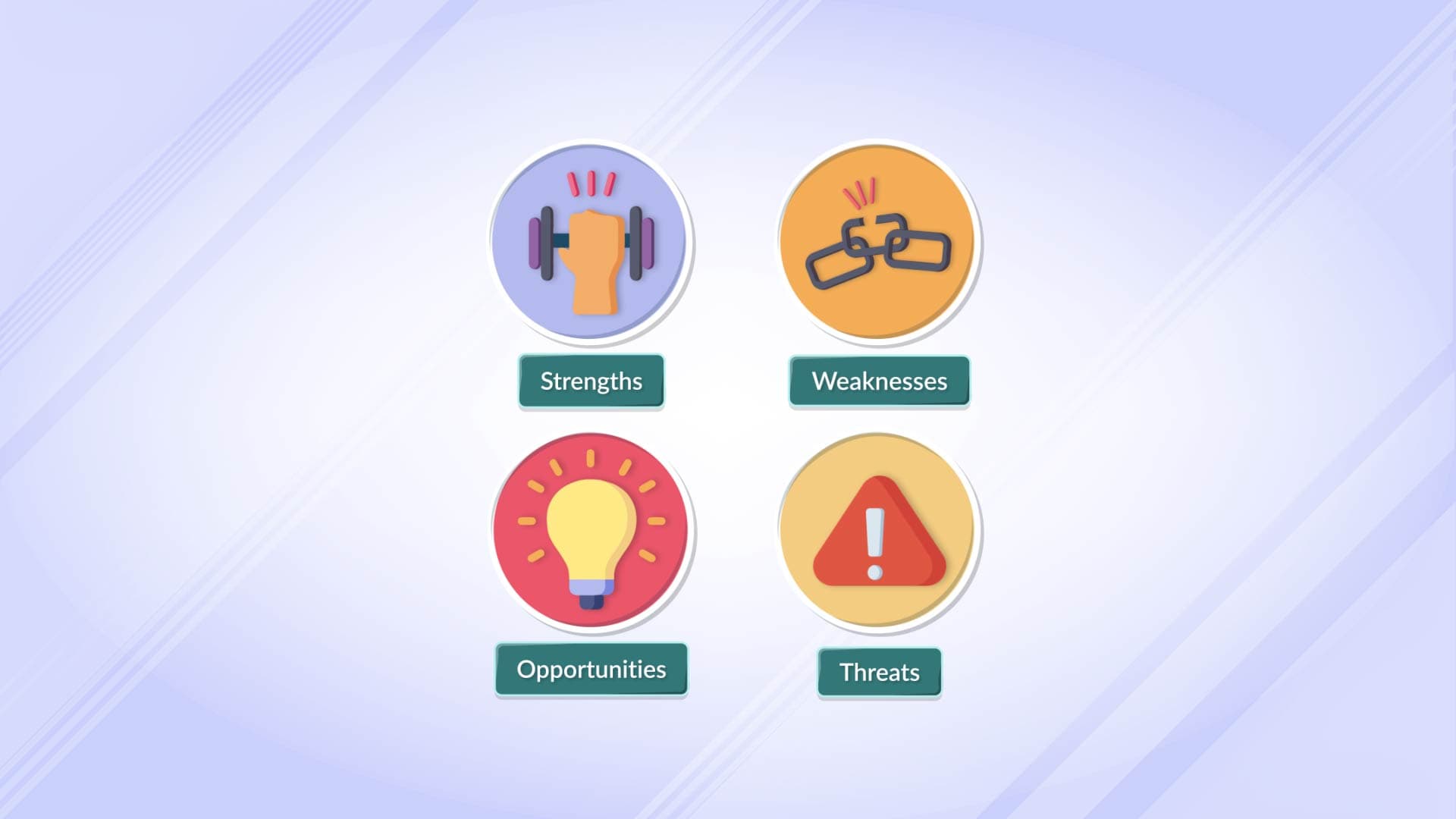
The SWOT analysis concept begins with internal evaluation, examining organizational capabilities and limitations. Strengths represent competitive advantages that drive superior performance-Disney's brand equity, Apple's innovation culture, or Walmart's supply chain efficiency. These assets require continuous investment and strategic leveraging to maintain market position.
Weaknesses expose vulnerabilities that competitors can exploit. Netflix's early weakness in content creation nearly cost them market leadership until they pivoted to original programming. Identifying these gaps enables proactive resource allocation and capability building before they become critical business threats.
External analysis captures market forces beyond organizational control. Opportunities emerge from demographic shifts, technological advances, or regulatory changes. Tesla capitalized on environmental concerns and government incentives to revolutionize automotive markets. Successful leaders monitor these trends and position their organizations to exploit emerging advantages.
Threats represent external challenges that can undermine business performance. Traditional retailers faced existential threats from e-commerce disruption, while taxi companies struggled against ride-sharing platforms. Early threat identification enables defensive strategies and business model adaptation.
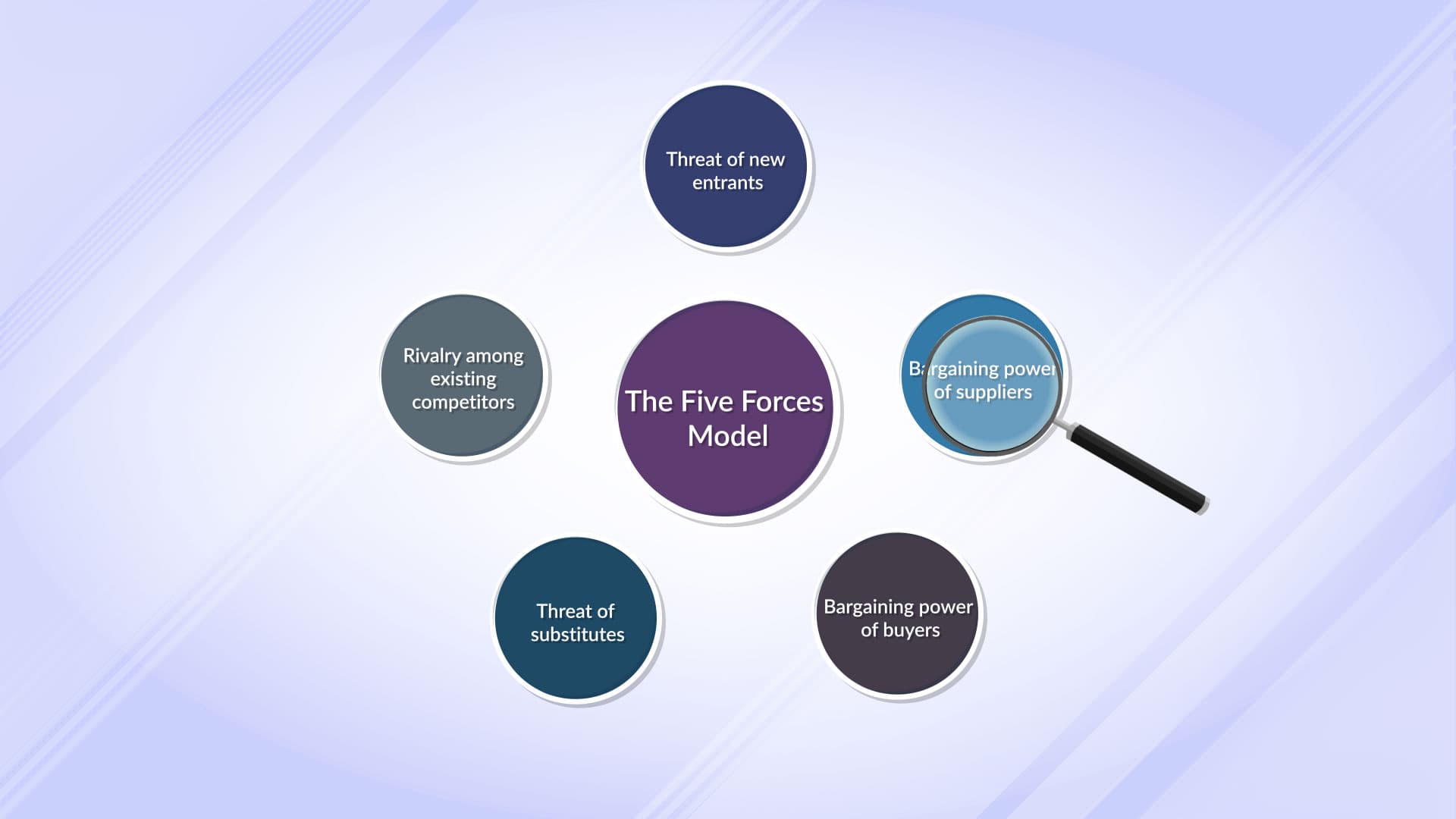
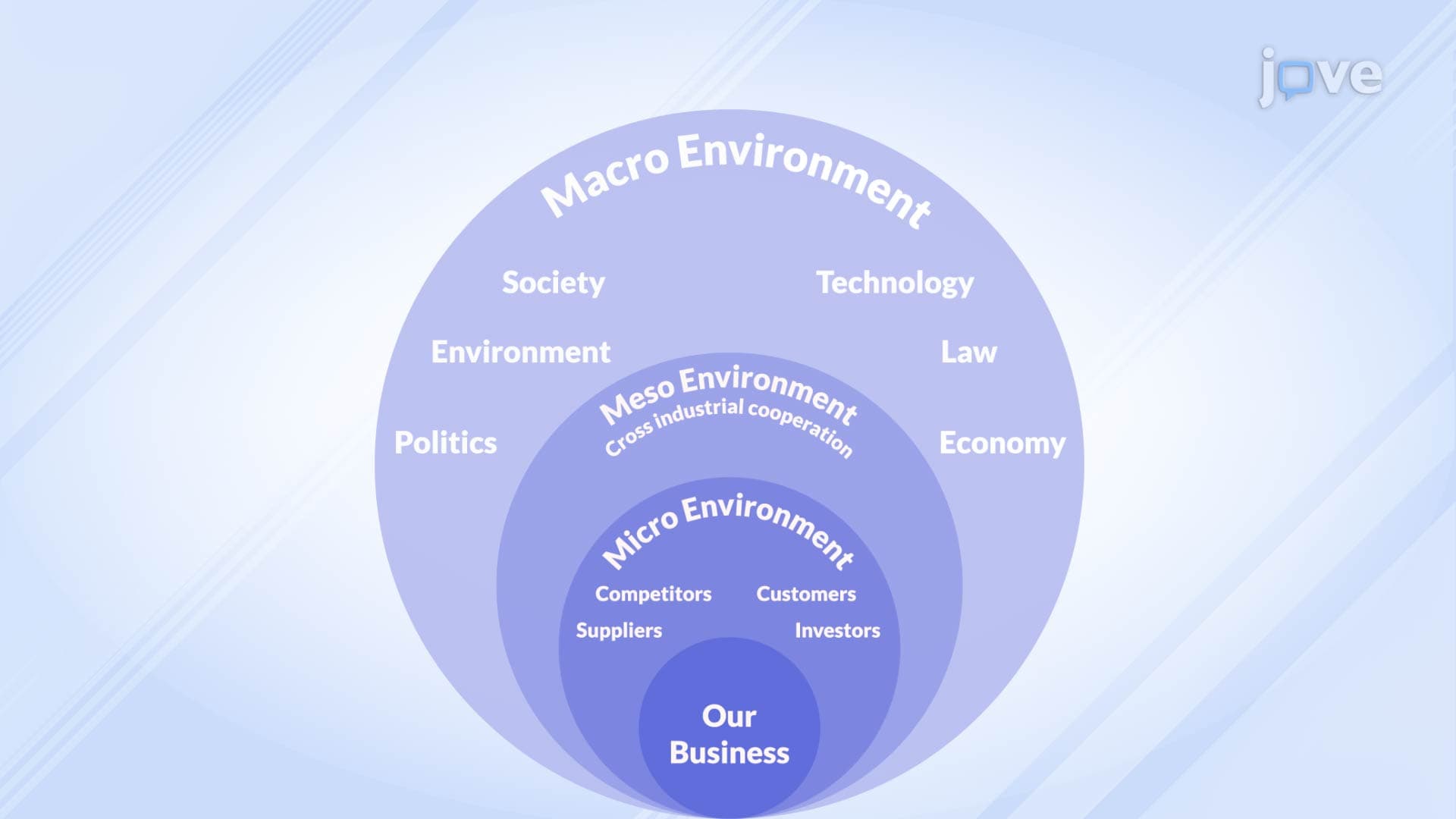
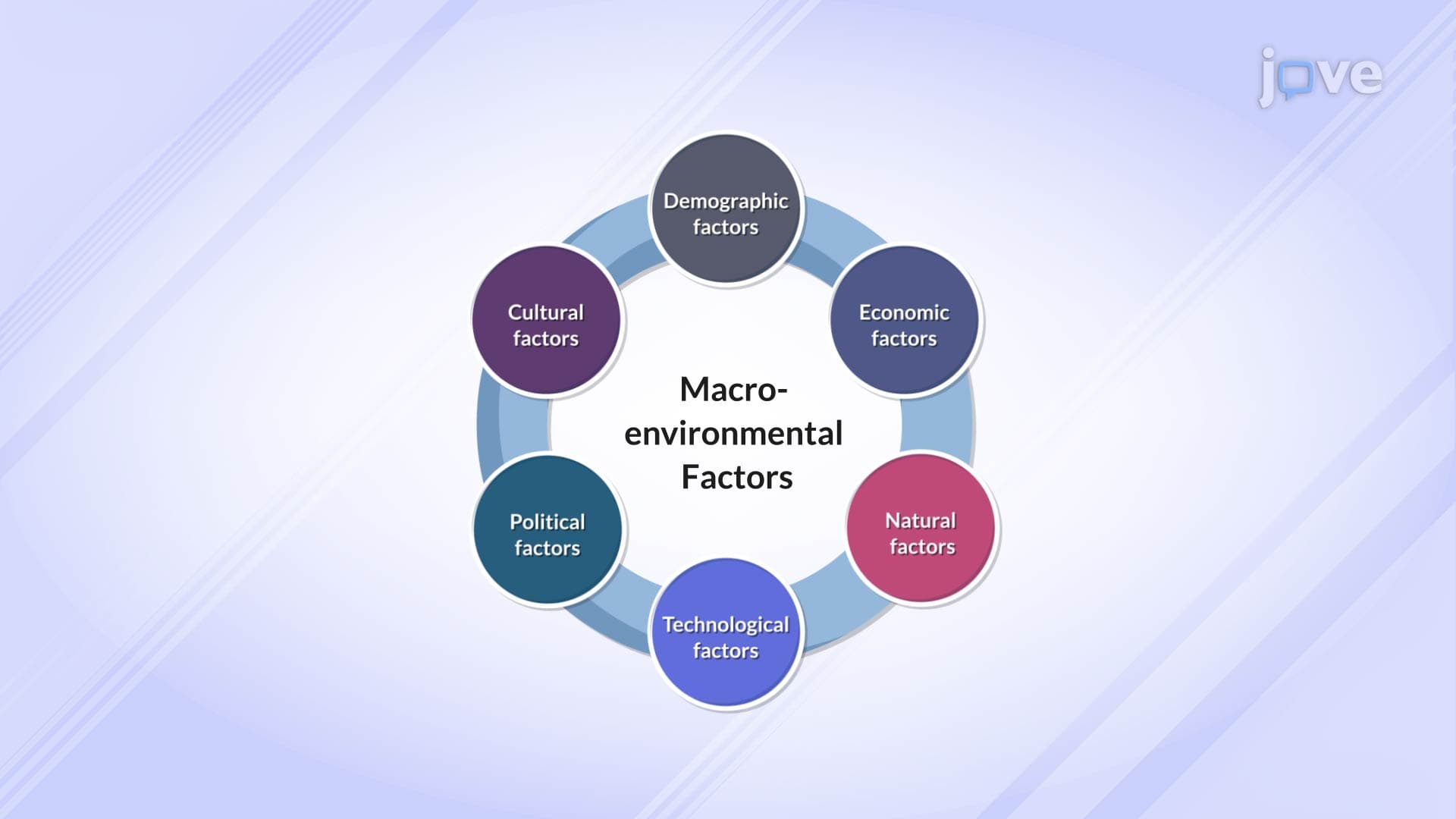
The SWOT analysis concept delivers maximum value when integrated with complementary analytical tools. VRIO analysis deepens strength evaluation by assessing resource sustainability, while Porter's Five Forces illuminates competitive dynamics underlying opportunities and threats. PESTEL analysis provides macro-environmental context that shapes strategic priorities.
Effective SWOT implementation requires cross-functional collaboration and data-driven insights. Leading organizations conduct quarterly SWOT reviews with executive teams, ensuring strategic agility and market responsiveness. This systematic approach transforms situational awareness into actionable competitive strategies.
Related Micro-courses