Loading video…


 16 Concepts
 22.8K views

Video Summary: What Is Competitor Analysis
Amazon's dominance didn't happen overnight-it required systematic competitor analysis to outmaneuver rivals like Barnes & Noble in books, then Walmart in retail. Competitor analysis involves systematically evaluating market rivals to identify strategic opportunities, assess competitive threats, and inform critical business decisions. This strategic framework enables executives to benchmark performance metrics, analyze pricing strategies, and uncover market gaps that drive sustainable competitive advantage. Watch the full video on JoVE Coach to master this concept with expert-led visuals and step-by-step explanations.
When Netflix shifted from DVD-by-mail to streaming, their competitor analysis revealed Blockbuster's reluctance to cannibalize profitable physical locations. This strategic insight enabled Netflix to capture market leadership while traditional competitors struggled with legacy business models. Competitor analysis represents the systematic evaluation of market rivals to inform strategic decision-making, resource allocation, and competitive positioning.
Professional competitor analysis begins with comprehensive competitive mapping. Direct competitors offer similar products to identical customer segments-think Coca-Cola versus PepsiCo in carbonated beverages. However, indirect competition often presents the greatest strategic threats. Consider how Uber's ride-sharing service competed not just with taxi companies, but with car ownership itself, public transportation, and even remote work trends that reduced commuting needs.
Tesla's competitive analysis exemplifies this multi-layered approach. While Model S directly competes with luxury electric vehicles like the Porsche Taycan and BMW i4, Tesla's broader competitive set includes traditional internal combustion vehicles, public transportation alternatives, and even urban mobility solutions like electric scooters and bike-sharing programs.
Effective competitor analysis requires systematic evaluation across multiple performance dimensions. Revenue growth rates, profit margins, and market share provide fundamental financial benchmarks. However, modern competitive intelligence extends to digital engagement metrics, customer acquisition costs, and brand sentiment analysis through social listening platforms.
Consider how Starbucks analyzes Dunkin' not just on store count and revenue, but on mobile app engagement, loyalty program effectiveness, and social media sentiment. These broader metrics reveal competitive advantages in customer experience and digital transformation that traditional financial analysis might miss.
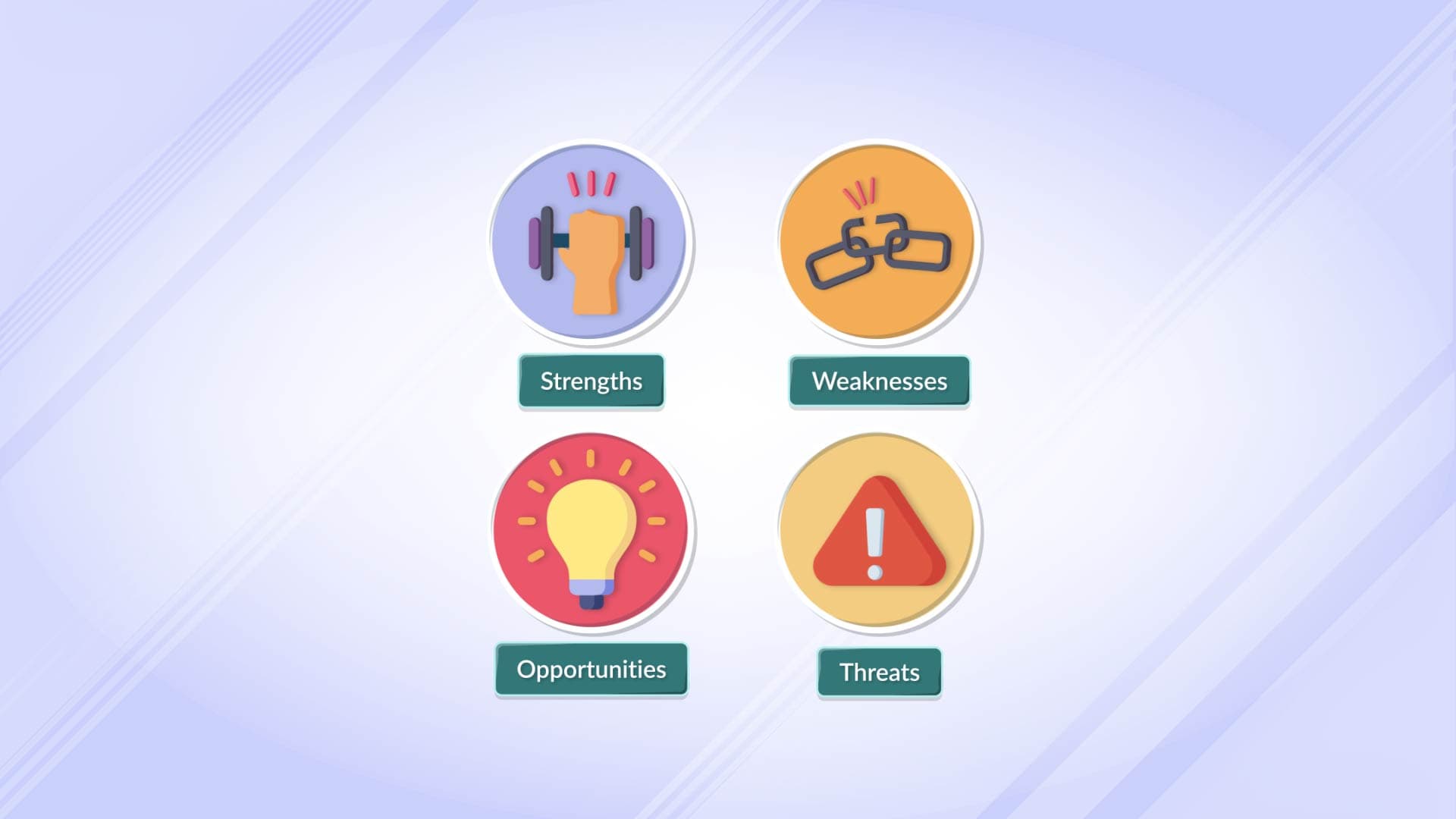
SWOT analysis remains foundational for competitor assessment, enabling systematic evaluation of competitor strengths, weaknesses, opportunities, and threats. Perceptual mapping visualizes competitive positioning across key customer decision factors-price versus quality, convenience versus service, innovation versus reliability.
Advanced competitive intelligence leverages digital analytics tools to monitor competitor website traffic, search engine rankings, and social media engagement. Market research firms like Nielsen and Kantar provide third-party validation of competitive performance across industries, while social listening platforms enable real-time monitoring of competitor activities and customer sentiment shifts.
Related Micro-courses