Loading video…


 16 Concepts
 22.8K views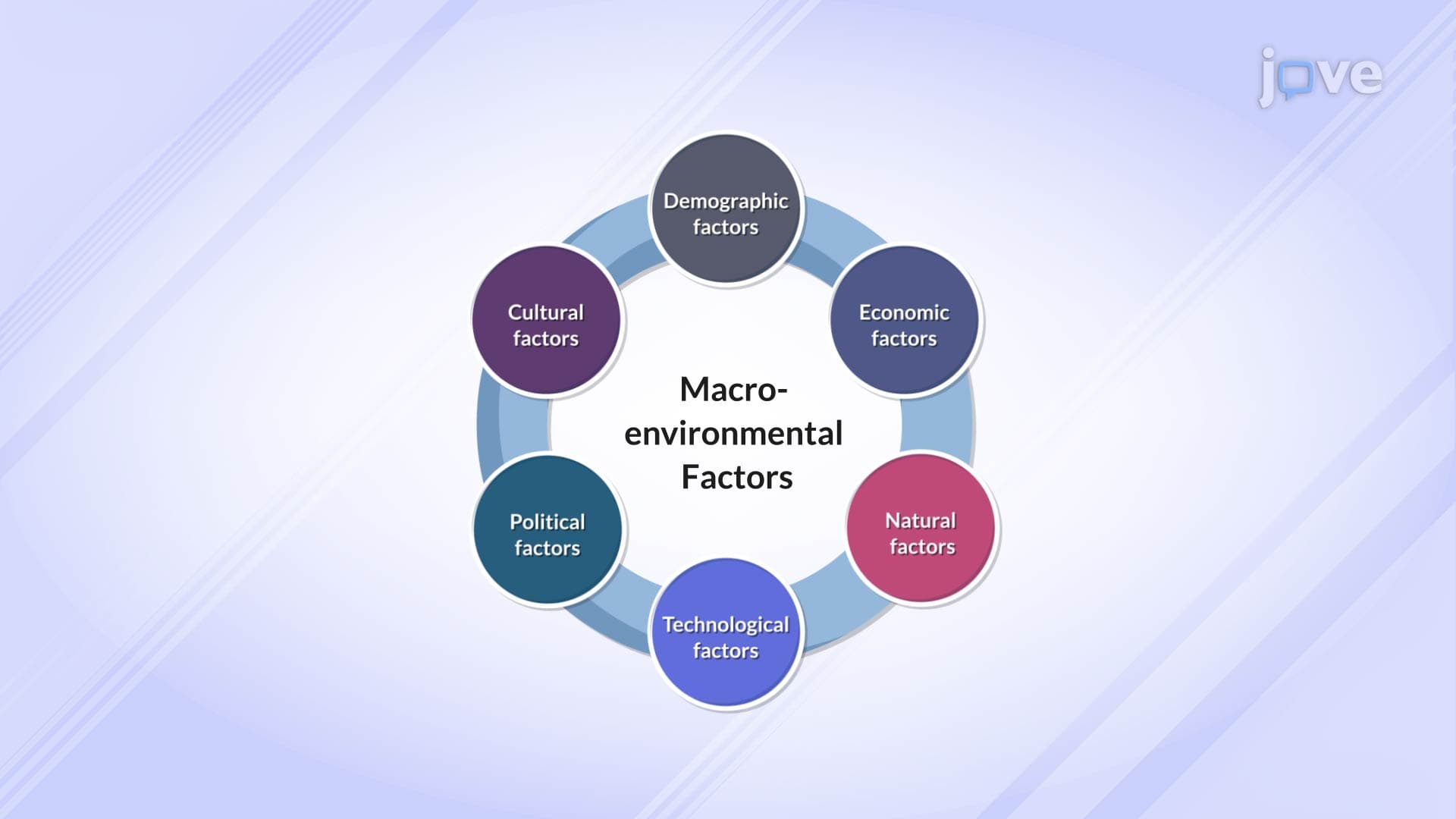

Video Summary: What Is Macro Environment
Understanding the macro environment is critical for business leaders navigating today's volatile markets, where external forces can make or break quarterly performance. The macro environment encompasses uncontrollable external factors-demographic shifts, economic cycles, technological disruptions, political changes, natural resources, and cultural trends-that directly impact strategic decision-making. Companies like Zoom capitalized on pandemic-driven remote work trends, while Delta Air Lines faced massive losses from travel restrictions, demonstrating how macro environment forces reshape entire industries overnight. Watch the full video on JoVE Coach to master this concept with expert-led visuals and step-by-step explanations.
When Peloton's stock plummeted 94% from its pandemic highs, executives learned a harsh lesson about macro environment forces beyond their control. The fitness company thrived during COVID-19 lockdowns but failed to anticipate how reopening economies would shift consumer behavior back to traditional gyms. This scenario illustrates why seasoned business leaders prioritize macro environment analysis as a cornerstone of strategic planning.
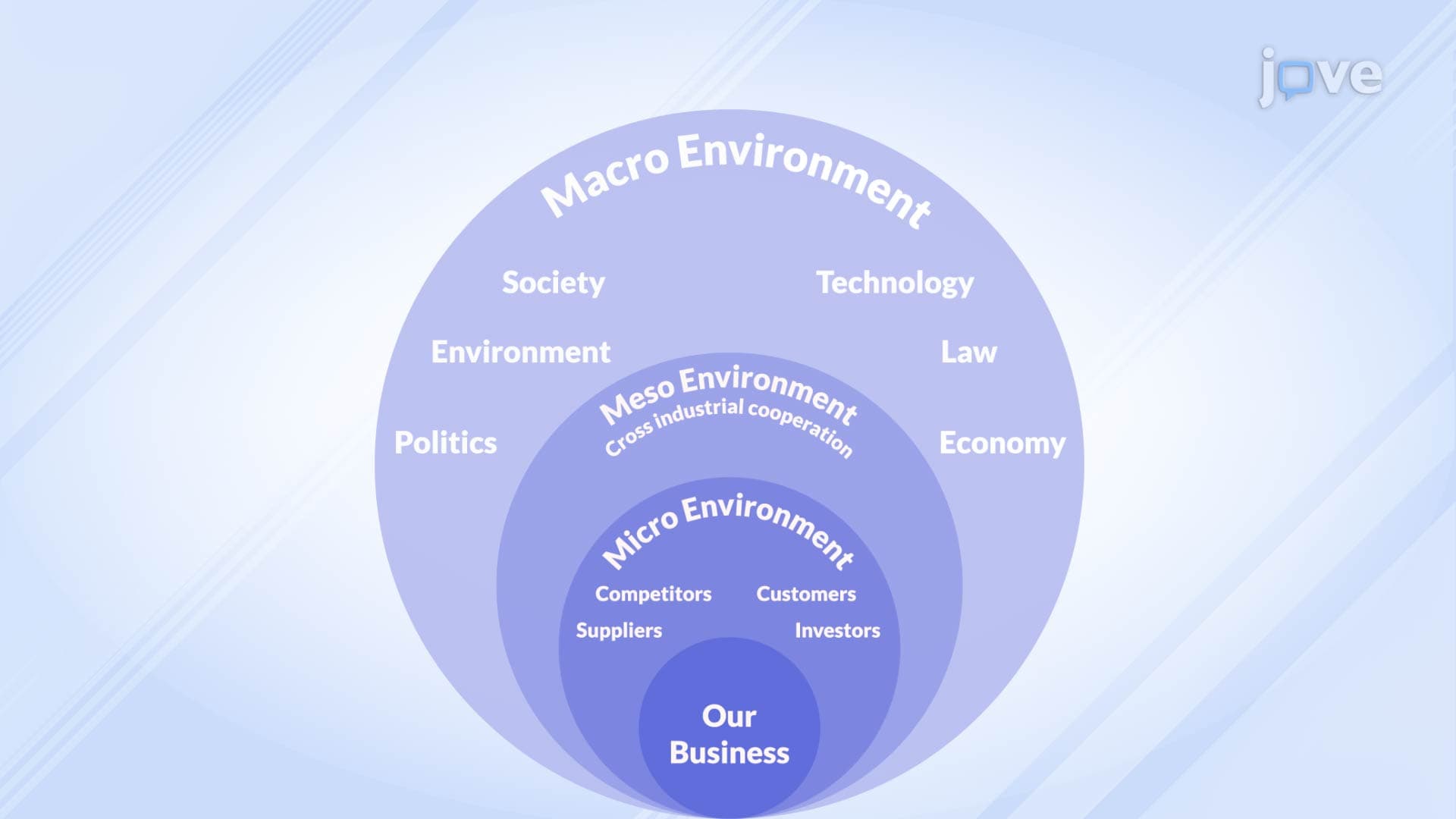
The macro environment framework encompasses six interconnected forces that shape market dynamics and competitive landscapes. Demographic factors include population age distribution, income levels, education patterns, and geographic concentration-all directly influencing target market sizing and customer acquisition strategies. Economic factors such as GDP growth rates, unemployment levels, inflation trends, and Federal Reserve monetary policy decisions impact consumer spending power and business investment cycles.
Technological forces create both disruption risks and growth opportunities, from artificial intelligence transforming customer service operations to blockchain revolutionizing supply chain transparency. Political and legal factors include regulatory changes, tax policy shifts, trade agreements, and government spending priorities that can reshape entire industry economics overnight. Natural environment considerations encompass resource availability, climate change impacts, and sustainability regulations that increasingly influence investor decisions and consumer preferences.
Fortune 500 companies integrate macro environment analysis into quarterly business reviews, annual strategic planning cycles, and major capital allocation decisions. For example, when Apple announced its $430 billion commitment to US manufacturing, leadership considered demographic trends (domestic job creation), economic factors (supply chain resilience), political dynamics (trade policy stability), and technological capabilities (advanced manufacturing processes).
Leading organizations establish cross-functional teams to monitor macro environment trends and translate insights into actionable business intelligence. This includes scenario planning exercises, competitive intelligence gathering, and stakeholder engagement strategies that position companies to capitalize on favorable trends while mitigating downside risks from adverse macro environment shifts.
Related Micro-courses