Loading video…


 16 Concepts
 22.8K views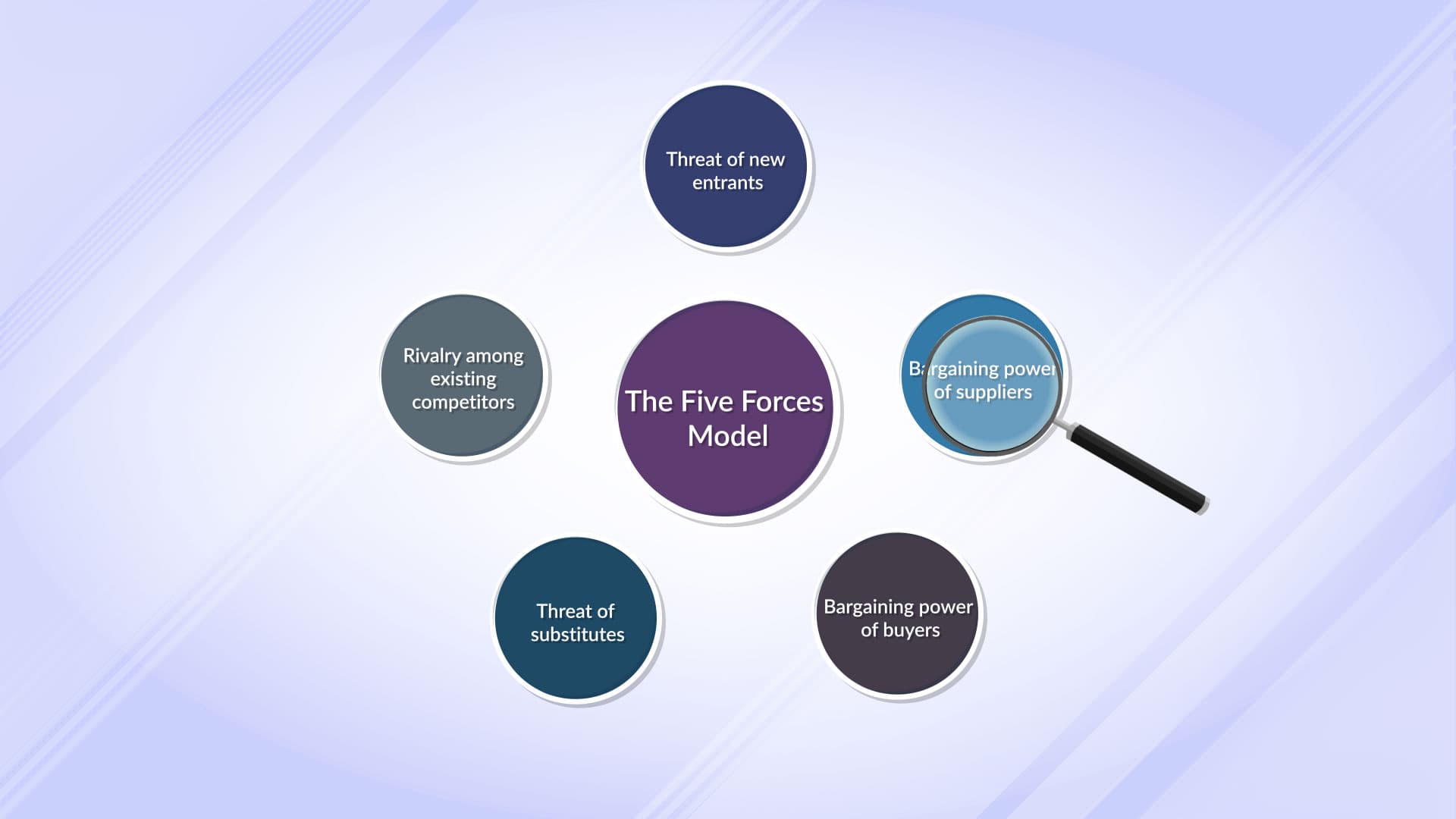

Video Summary: What Is 5 Forces Model Application
Strategic competitive analysis drives critical business decisions, yet many leaders struggle to systematically evaluate industry dynamics. 5 forces model application provides a proven framework for assessing competitive threats and market positioning. Southwest Airlines exemplifies how companies navigate supplier concentration, buyer power, and intense rivalry through strategic differentiation. This comprehensive analysis reveals why airlines face persistent margin pressure despite strong demand. Watch the full video on JoVE Coach to master this concept with expert-led visuals and step-by-step explanations.
When Boeing announced production delays for the 737 MAX, airlines worldwide faced supply chain disruptions that fundamentally shifted competitive dynamics. This scenario illustrates why executives need systematic frameworks for analyzing industry forces. 5 forces model application provides leaders with a structured approach to evaluate competitive environments, assess strategic risks, and identify opportunities for sustainable advantage.
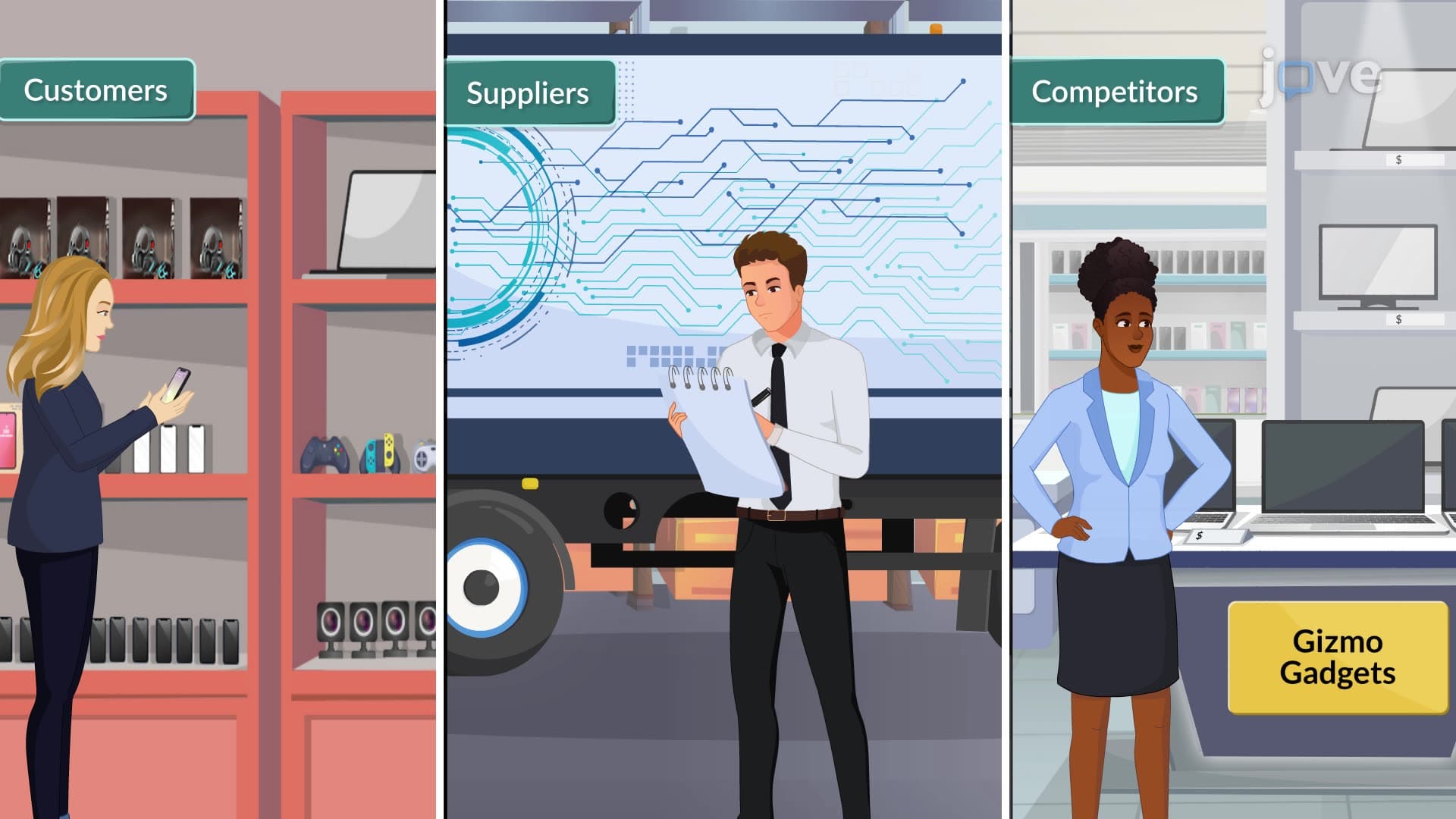
Supplier concentration creates significant strategic vulnerabilities for most industries. In aviation, Boeing and Airbus dominate aircraft manufacturing, giving them substantial leverage over airlines. However, Southwest Airlines demonstrates how volume commitments and strategic partnerships can mitigate supplier power. Large-scale orders provide negotiating leverage, while standardizing on single aircraft types (Boeing 737s) reduces complexity and maintenance costs. This approach offers valuable lessons for procurement leaders across industries: concentrated purchasing power, long-term partnerships, and operational standardization can offset supplier advantages.
Digital transformation has fundamentally shifted buyer power dynamics across industries. Customers now compare prices instantly, switch providers seamlessly, and demand personalized experiences. Airlines face particularly intense buyer power due to price transparency, low switching costs, and commoditized service offerings. Southwest's response-operational excellence, consistent low prices, and distinctive culture-illustrates how companies can differentiate beyond price competition. Leaders should assess how technology affects customer acquisition costs, retention rates, and pricing flexibility within their markets.
Intense competitive rivalry characterizes mature industries where growth slows and differentiation becomes challenging. The airline industry exemplifies this dynamic, with major carriers like Delta, American, and United competing aggressively on routes, pricing, and service quality. Southwest's success stems from operational focus, cost leadership, and strategic route selection rather than head-to-head competition on premium services. This strategic positioning demonstrates how companies can avoid destructive price competition by serving different customer segments or operating models.
Related Micro-courses