Loading video…


 15 Concepts
 7.9K views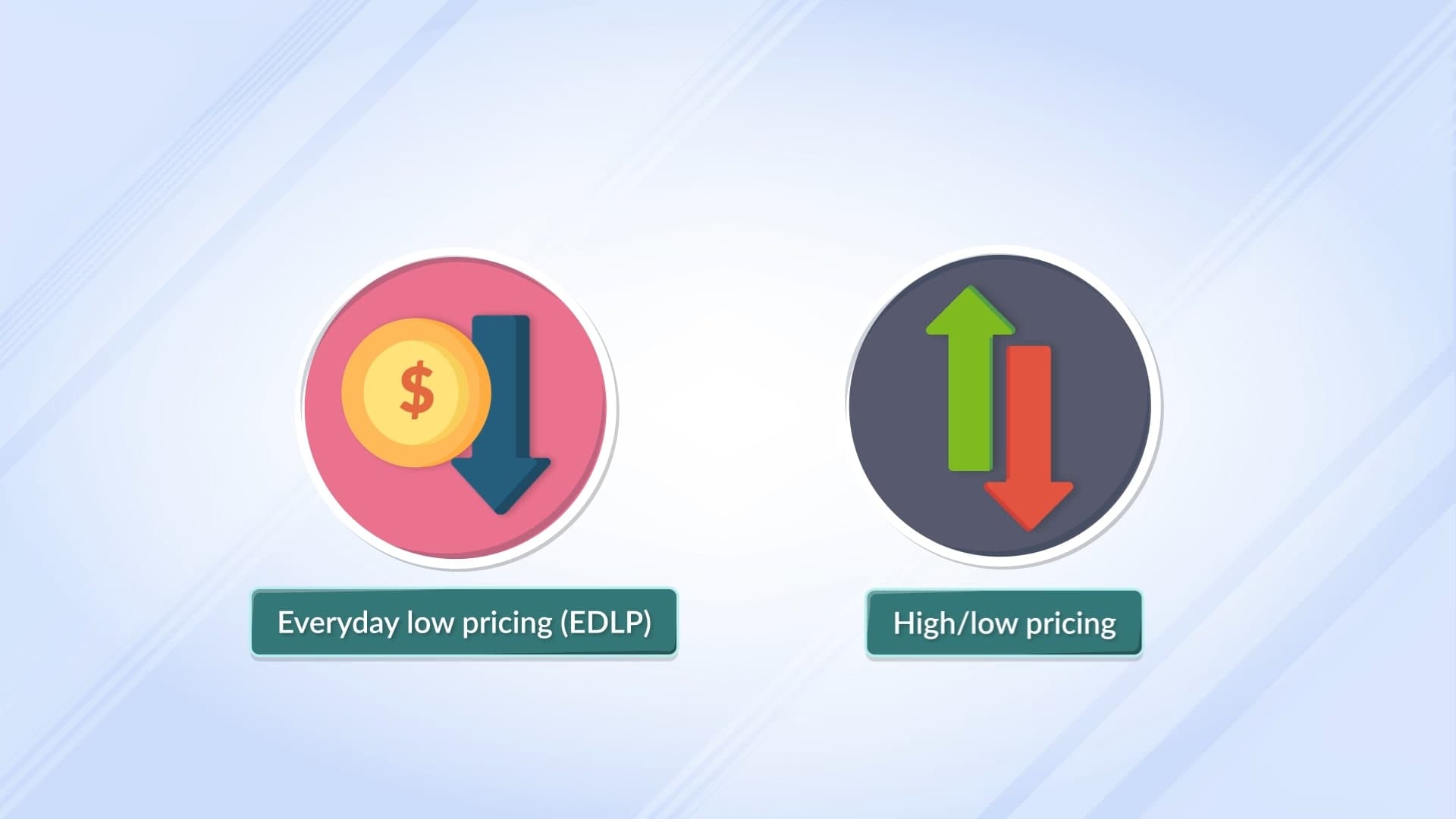

Video Summary: What are Pricing Strategies
Modern retailers face intense pressure to optimize pricing amid rising inflation and shifting consumer behavior, making strategic pricing decisions critical for maintaining market share. Effective pricing strategies determine whether businesses capture value or surrender margins to competitors. Two dominant approaches-Everyday Low Pricing (EDLP) used by Walmart and High/Low Pricing employed by retailers like Nike-represent fundamentally different philosophies for driving customer engagement and profitability. Watch the full video on JoVE Coach to master this concept with expert-led visuals and step-by-step explanations.
When Home Depot's leadership team reviews quarterly performance, pricing strategy discussions dominate boardroom conversations. The fundamental question isn't just "What should we charge?" but rather "How does our pricing approach create sustainable competitive advantage?" This strategic lens transforms pricing from a tactical decision into a core business capability that drives customer loyalty, market positioning, and long-term profitability.
Everyday Low Pricing represents more than cost leadership-it's a comprehensive business philosophy that reshapes customer relationships and operational efficiency. Walmart's mastery of EDLP demonstrates how consistent pricing eliminates customer uncertainty, reduces decision-making friction, and drives bulk purchasing behavior. For business leaders, EDLP offers compelling advantages: lower marketing costs due to reduced promotional spend, simplified inventory management, and stronger supplier relationships through predictable demand patterns.
However, EDLP requires exceptional operational discipline. Companies must maintain razor-thin margins while delivering consistent value, often triggering price wars with competitors who cannot match cost structures. The strategy also risks commoditizing premium brands, as consistent low prices may signal lower quality to value-conscious consumers seeking prestige purchases.
High/Low pricing transforms shopping into an event-driven experience, creating artificial scarcity that motivates immediate purchase decisions. Nike's strategic use of limited-time promotions and seasonal sales demonstrates how alternating between premium pricing and targeted discounts can maximize both profit margins and brand excitement. This approach particularly benefits businesses with strong brand equity and products that can command premium pricing outside promotional periods.
The psychological drivers behind High/Low pricing tap into fundamental consumer behaviors: loss aversion, social proof, and temporal urgency. When Target announces weekend flash sales, customers respond not just to price reductions but to the fear of missing exclusive opportunities. For executives managing seasonal businesses or launching new product categories, this strategy provides flexibility to adjust pricing based on inventory levels, competitive pressure, and market conditions.
Successful pricing strategy implementation requires alignment across multiple business functions. Finance teams must model cash flow implications of consistent versus variable pricing. Marketing departments need different campaign strategies for each approach. Operations must prepare for either steady demand patterns (EDLP) or demand volatility (High/Low pricing). Supply chain leaders face distinct challenges: maintaining consistent stock levels versus managing promotional surge capacity.
Related Micro-courses