Loading subject page…


7,908 views

Video Summary: External Considerations Affecting Price Decisions Explained
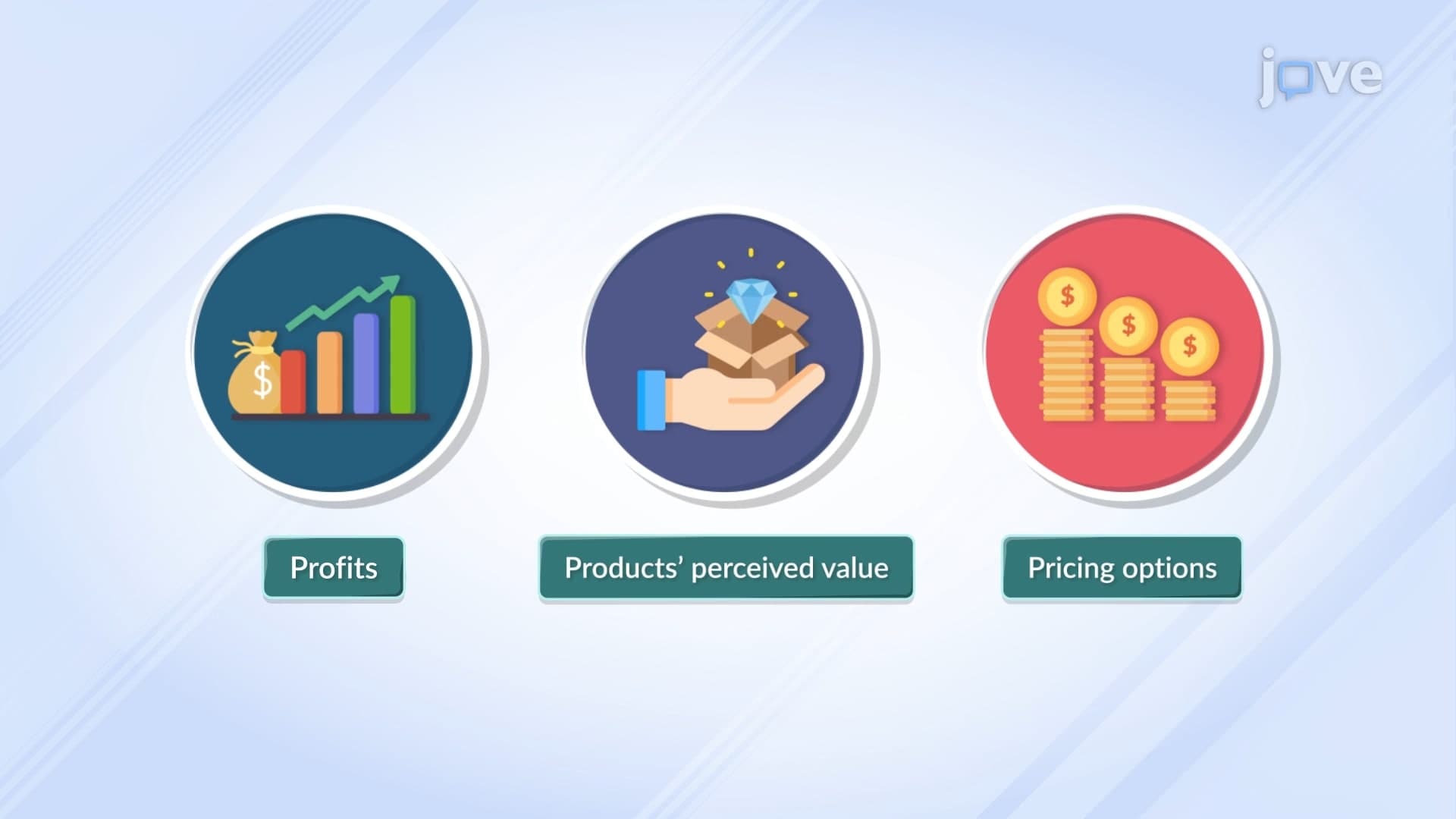
Strategic pricing decisions at companies like Apple or Southwest Airlines depend heavily on external considerations affecting price that extend far beyond internal cost structures. Market dynamics, regulatory pressures, and competitive landscapes fundamentally shape how businesses approach pricing strategy across industries. Understanding External Considerations Affecting Price Decisions Explained becomes critical when executives face quarterly pricing reviews, new product launches, or market entry decisions. Watch the full video on JoVE Coach to master this concept with expert-led visuals and step-by-step explanations.
When Starbucks raised prices by 10-15% in 2022 despite customer backlash, the decision reflected masterful navigation of external pricing pressures. Supply chain disruptions, labor cost inflation, and shifting consumer behaviors all demanded strategic pricing responses that balanced profitability with market position.
Market structure fundamentally determines pricing freedom and strategic options. In highly fragmented industries like restaurants, individual operators often compete primarily on price, limiting margin expansion opportunities. Conversely, technology giants like Microsoft leverage network effects and switching costs to maintain pricing power even in competitive markets.
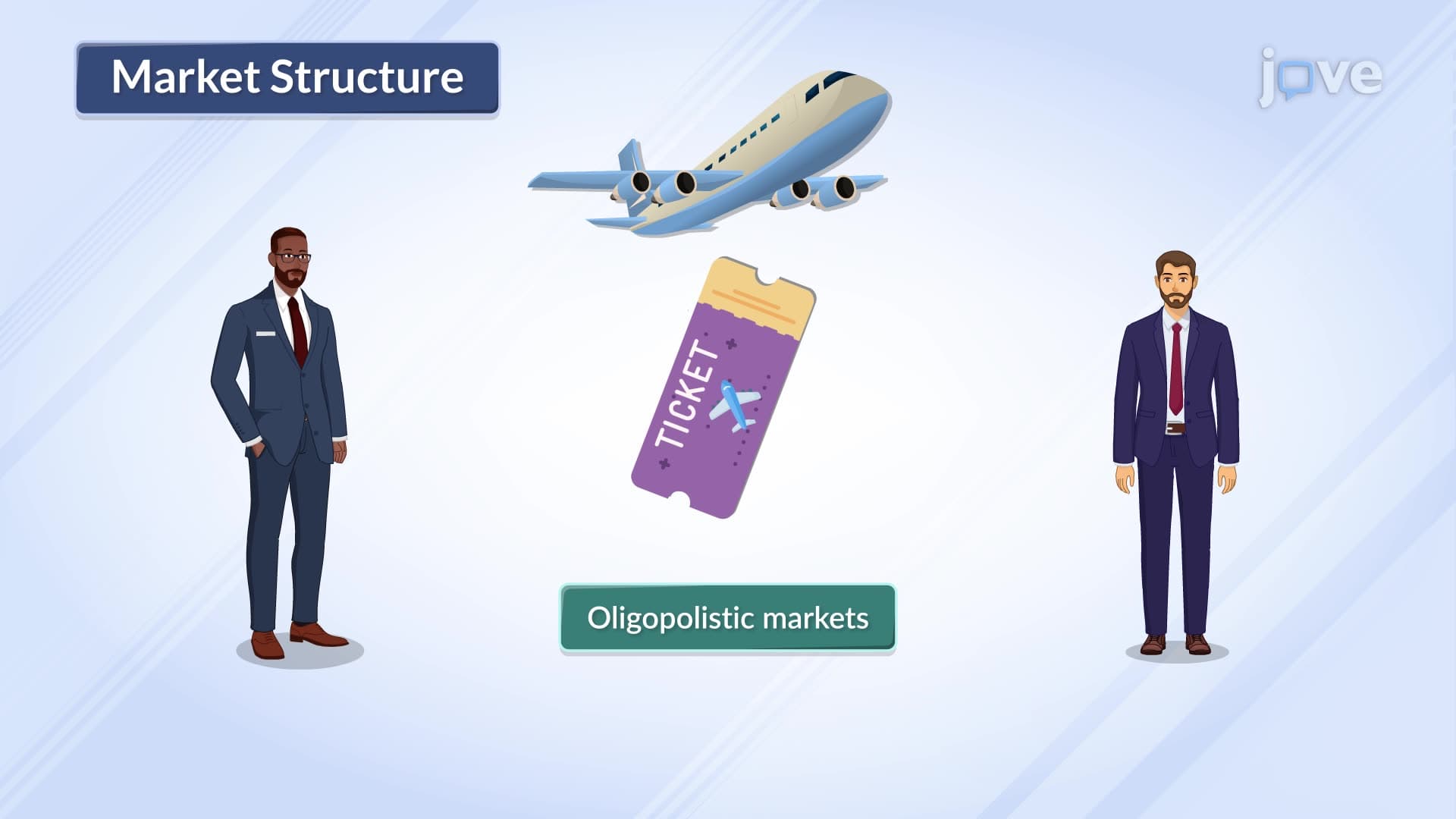
Consider the airline industry's oligopolistic structure: when American Airlines adjusts pricing on key routes, Delta and United typically respond within hours. This interdependence creates pricing discipline but also opportunities for coordinated value creation through service differentiation rather than pure price competition.
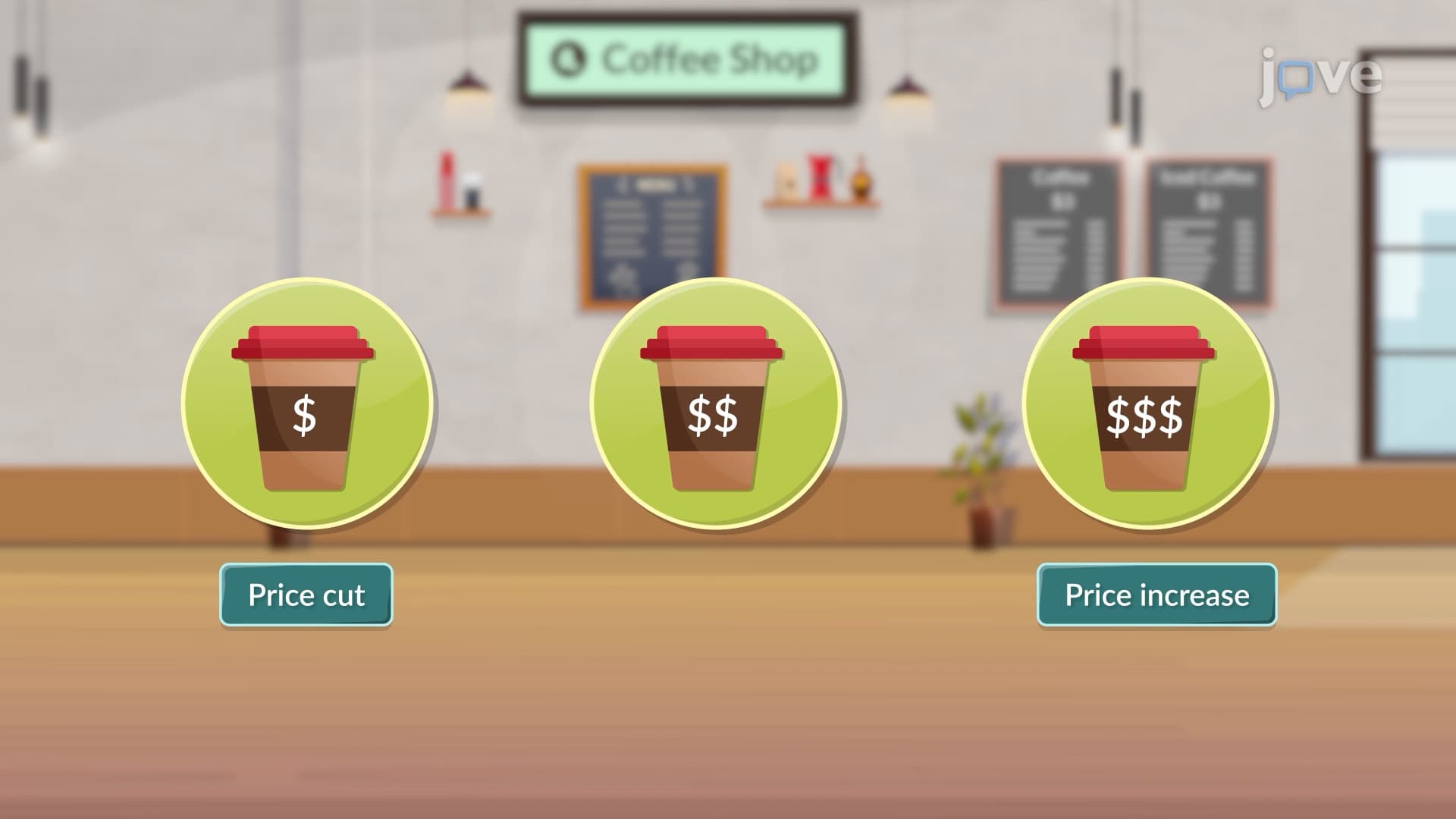
Understanding price elasticity enables sophisticated revenue management. Netflix demonstrates this principle by segmenting markets geographically and by service tier, recognizing that entertainment demand elasticity varies significantly across demographics and economic conditions.
Pharmaceutical companies like Pfizer operate in markets with highly inelastic demand for essential medications, enabling premium pricing strategies. However, even these companies must consider long-term elasticity as generic competition emerges and healthcare cost pressures intensify.
Federal Reserve interest rate decisions directly impact pricing strategies across industries. When rates rise, companies like Ford Motor Company face higher financing costs for both operations and customer purchases, often necessitating pricing adjustments or promotional financing programs.
Trade policies create additional complexity. When tariffs increase on imported steel, manufacturers like Caterpillar must decide whether to absorb costs, pass them through to customers, or accelerate domestic sourcing strategies. Each choice carries different competitive implications and customer relationship consequences.
Related Micro-courses