Loading subject page…


7,908 views

Video Summary: Internal Considerations Affecting Price Decisions Explained
When Tesla commands premium pricing for Model S while maintaining mass-market appeal for Model 3, internal considerations affecting price decisions drive these strategic moves. Internal considerations affecting price decisions encompass four critical business levers: marketing strategy alignment, organizational objectives, marketing mix optimization, and decision-making authority structures. Companies like Apple demonstrate how luxury positioning, exclusive distribution channels, and innovation-focused product development justify premium pricing strategies that maximize both profit margins and market penetration. Watch the full video on JoVE Coach to master this concept with expert-led visuals and step-by-step explanations.
Consider Netflix's evolution from DVD-by-mail to streaming giant-their pricing strategy transformation illustrates how internal business factors drive pricing decisions more than external market forces alone. When Reed Hastings repositioned Netflix as a technology platform rather than entertainment distributor, internal considerations affecting price decisions became the strategic foundation for sustainable competitive advantage.
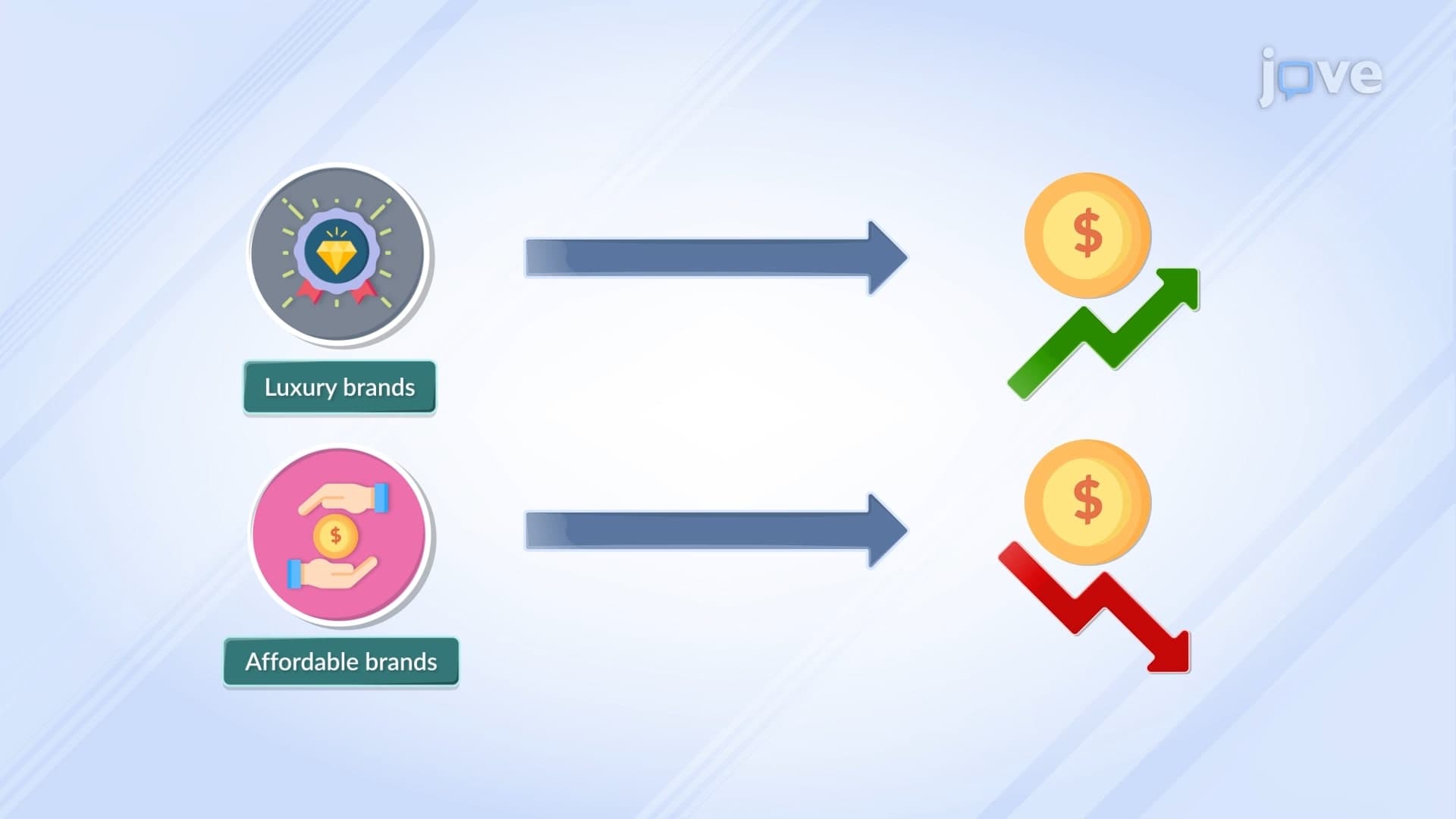
Marketing strategy forms the cornerstone of effective pricing decisions. Segmentation, targeting, and positioning (STP) frameworks directly influence price points across product portfolios. Luxury brands like Coach maintain premium pricing through selective distribution and aspirational positioning, while Target leverages "cheap chic" positioning to justify higher margins than traditional discount retailers. This strategic alignment ensures pricing decisions reinforce brand equity rather than undermining market perception.
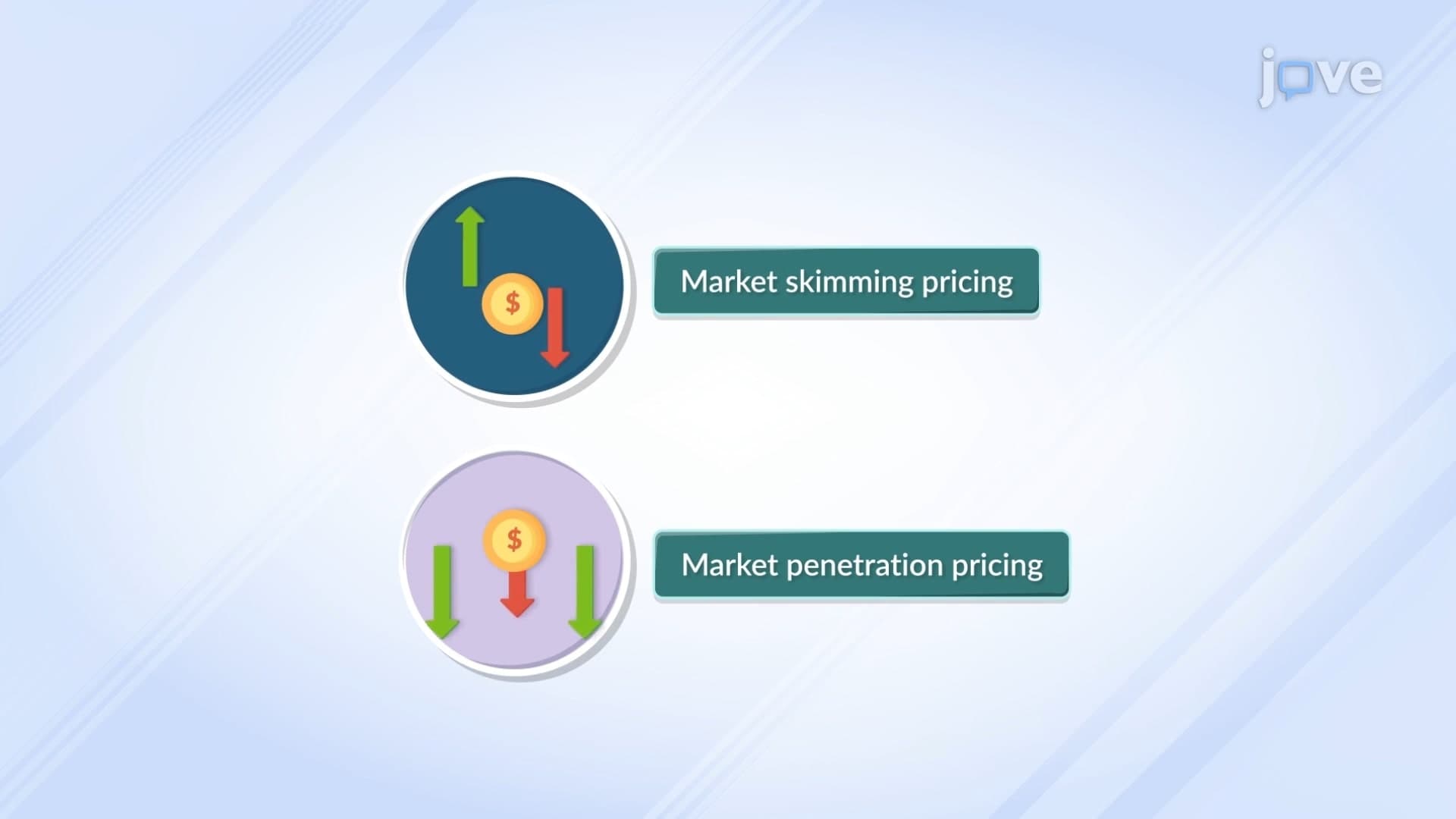
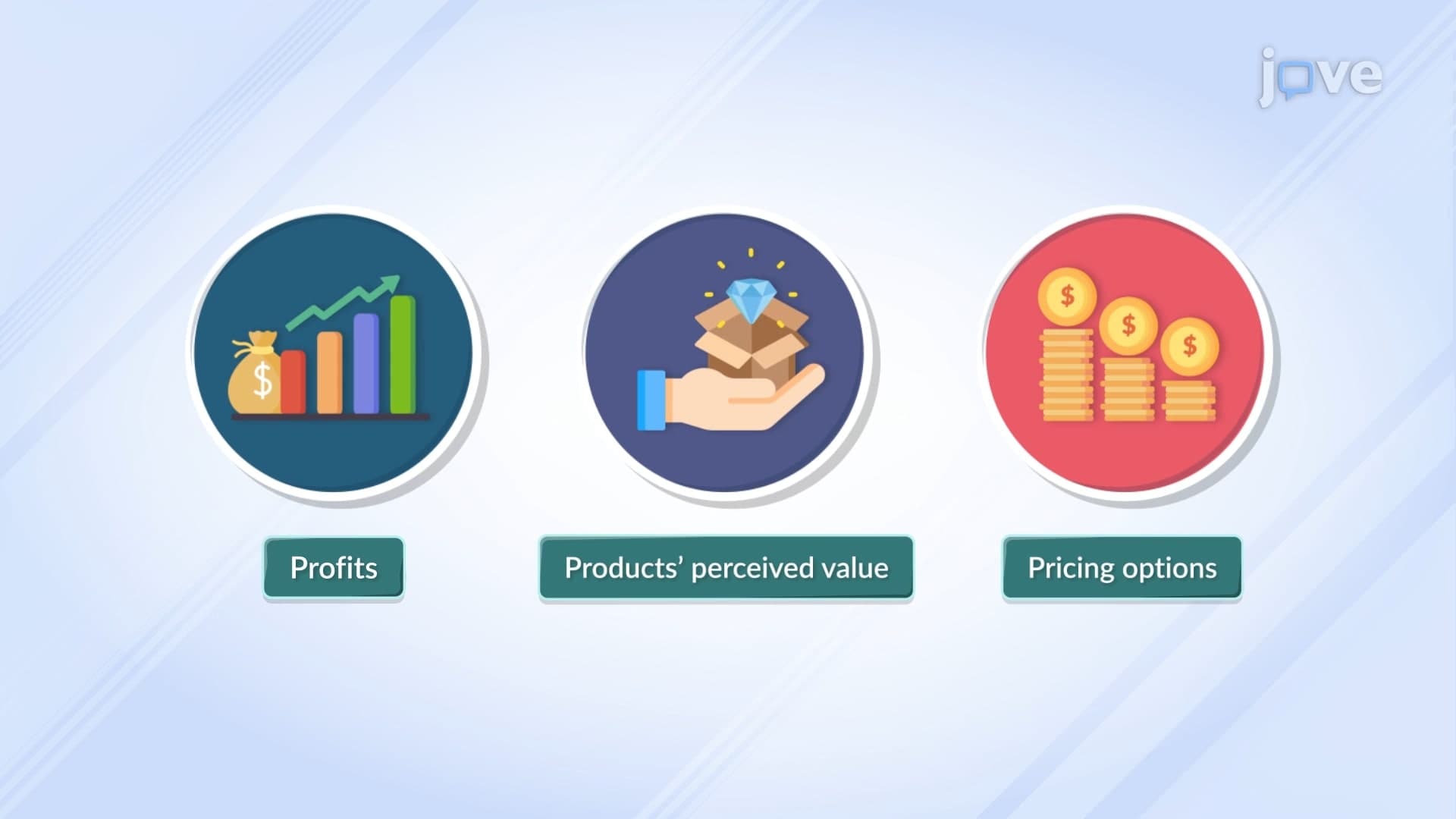
Company objectives fundamentally determine pricing approaches across three strategic orientations. Profit-oriented organizations like Microsoft prioritize margin optimization through competitive intelligence and value-based pricing models. Sales-oriented companies such as Amazon Web Services focus on market share expansion through aggressive penetration pricing and volume-driven strategies. Customer-oriented firms like Patagonia emphasize perceived value alignment and willingness-to-pay research to build long-term customer relationships while maintaining sustainable profit margins.
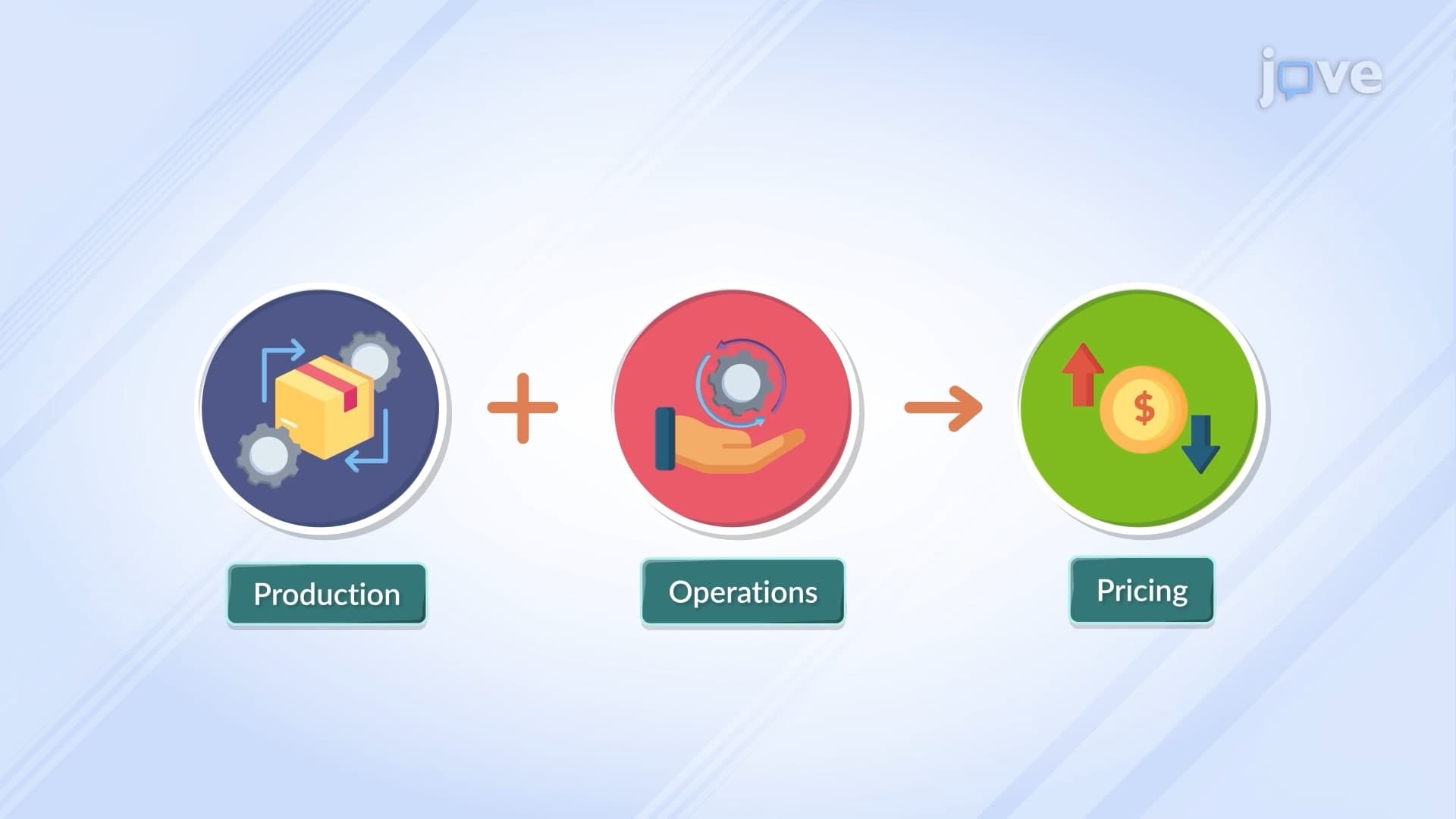
Product design, distribution channel selection, and promotional strategy investments directly impact pricing flexibility and market acceptance. Apple's iPhone pricing strategy demonstrates this integration-premium product engineering, exclusive launch partnerships, and significant promotional investments justify higher price points while maintaining mass market appeal. Distribution channel decisions particularly influence pricing authority, as exclusive partnerships with premium retailers support higher margins than mass distribution strategies.
Pricing governance structures determine implementation effectiveness across management levels. Fortune 500 companies typically establish pricing committees with cross-functional representation from finance, marketing, operations, and sales leadership. This collaborative approach ensures pricing decisions align with overall business strategy while maintaining adaptability to market conditions and competitive responses.
Related Micro-courses