Loading video…


 15 Concepts
 7.9K views

Video Summary: Product Mix Pricing Strategies I Explained
Modern businesses like Microsoft successfully leverage product mix pricing strategies to optimize revenue across their entire portfolio, from basic Office subscriptions to premium Enterprise solutions. These five strategic approaches-product line pricing, optional product pricing, captive product pricing, by-product pricing, and product bundle pricing-enable companies to capture maximum value while serving diverse customer segments. Product Mix Pricing Strategies | Explained demonstrates how pricing decisions across multiple products can drive profitability and competitive advantage. Watch the full video on JoVE Coach to master this concept with expert-led visuals and step-by-step explanations.
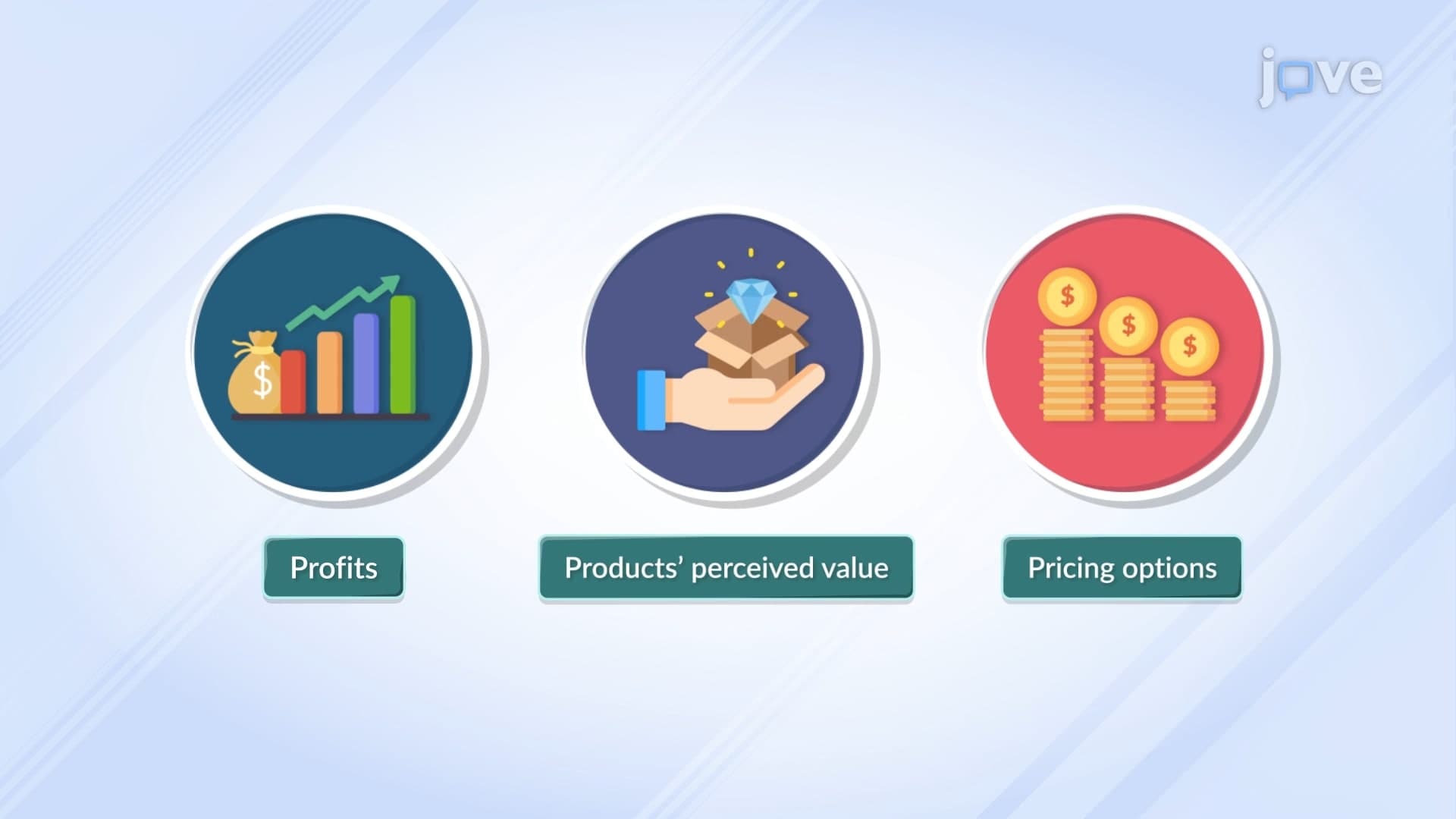
When Apple's board reviews quarterly performance, they're not just looking at individual product sales-they're evaluating how their entire ecosystem pricing strategy drives profitability. Product mix pricing strategies represent the sophisticated approach successful companies use to optimize revenue across their complete product portfolio, moving beyond simple cost-plus pricing to strategic value capture.
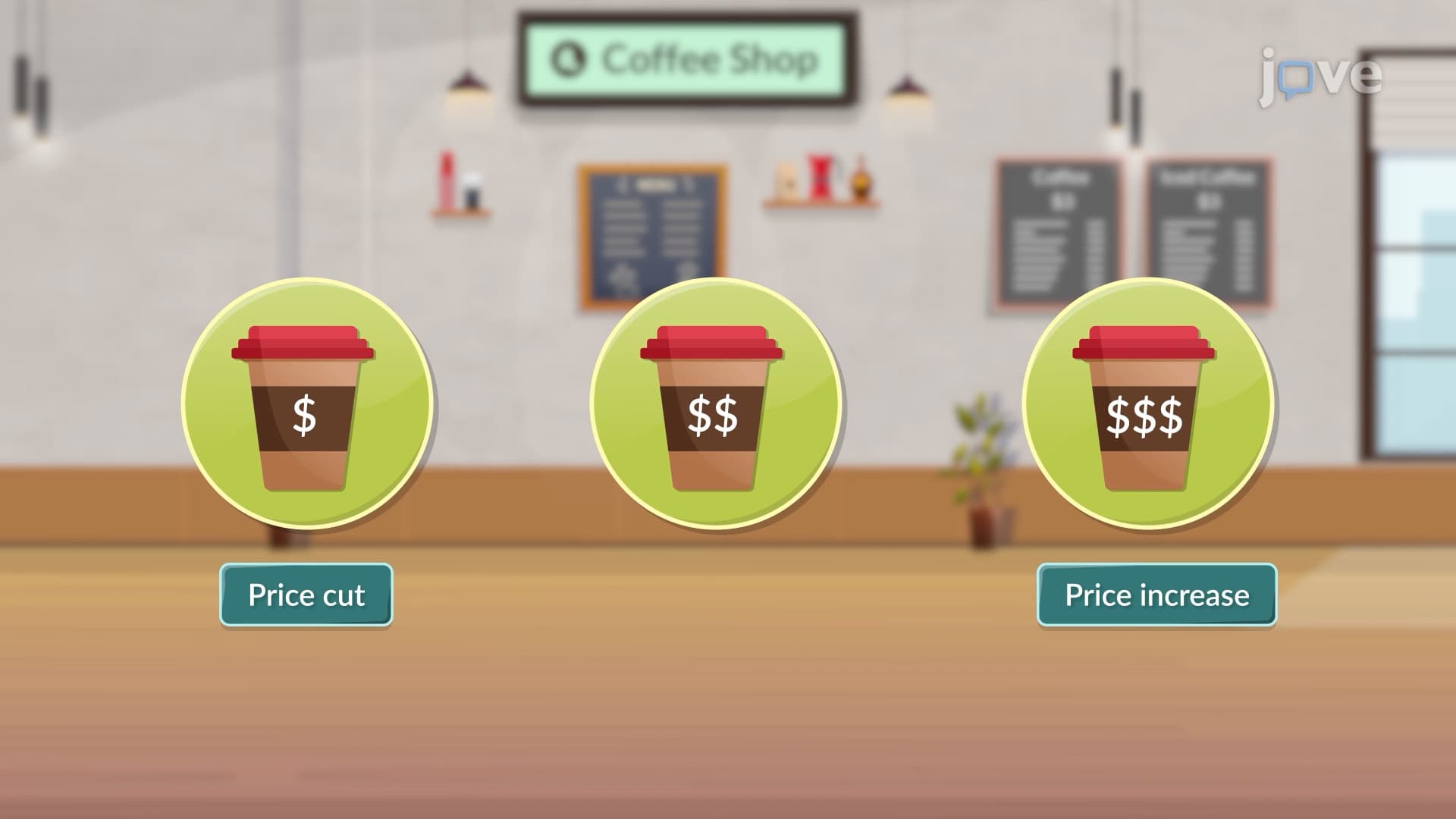
Product line pricing creates clear market segmentation while maximizing revenue potential. Tesla exemplifies this approach with their vehicle lineup: the Model 3 serves as an accessible entry point, while the Model S Plaid commands premium pricing for luxury features. This tiered structure captures value from price-sensitive customers while extracting maximum willingness-to-pay from premium segments.
Optional product pricing transforms base offerings into revenue multiplication engines. Amazon Prime represents masterful execution-the core membership appears reasonably priced, but additional services like Prime Video channels and faster delivery options generate substantial incremental revenue. This strategy appeals to budget-conscious buyers while providing clear upgrade paths for value-seeking customers.
Captive product pricing builds competitive moats by creating customer dependencies on proprietary components or services. Keurig's business model demonstrates this perfectly: competitively priced coffee makers drive hardware adoption, while proprietary K-Cup pods generate high-margin recurring revenue. This approach ensures sustained profitability and customer retention.
By-product pricing turns potential waste streams into profit centers. Major oil companies like ExxonMobil offset refining costs by monetizing by-products including petrochemicals, lubricants, and asphalt. This strategy improves overall operational efficiency while reducing the effective cost basis of primary products.
Product bundle pricing leverages portfolio synergies to increase transaction values and market penetration. Microsoft Office 365 bundles demonstrate how combining complementary products creates perceived value exceeding individual component costs while simplifying purchasing decisions for business customers. This approach accelerates new product adoption, clears slow-moving inventory, and increases customer switching costs through ecosystem dependency.
Related Micro-courses