Loading video…


 19 Concepts
 13.4K views

Video Summary: What Is Sample Design
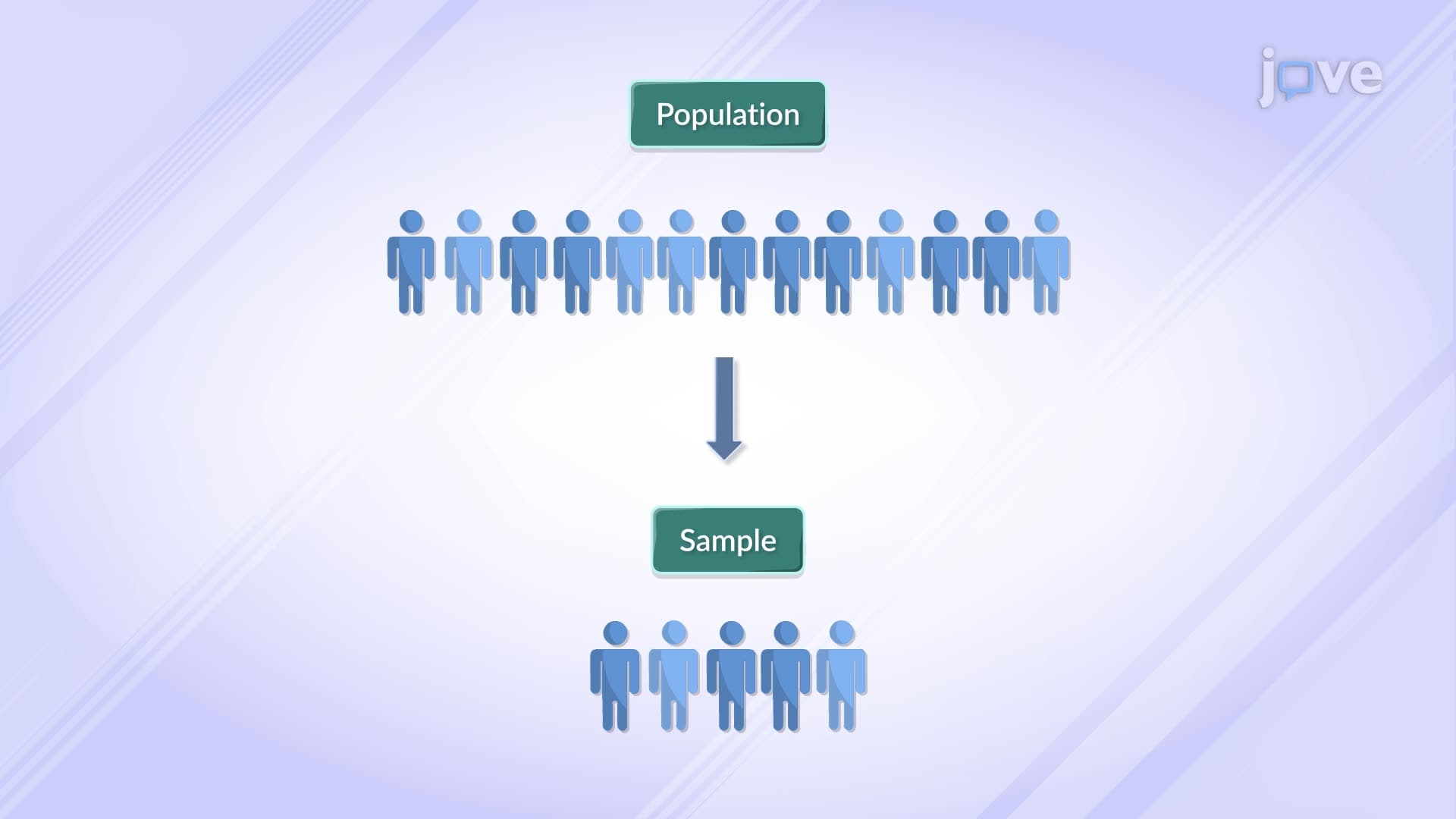
When Procter & Gamble launched Olay Regenerist, their market research team relied on sophisticated sample design to validate consumer demand before the $200 million product rollout. Sample design is the strategic framework that determines how organizations select representative groups from their target populations to make data-driven business decisions. This systematic approach reduces research costs while maximizing insights that drive revenue growth and competitive positioning. Watch the full video on JoVE Coach to master this concept with expert-led visuals and step-by-step explanations.
Sample design represents the strategic blueprint that transforms raw market data into actionable business intelligence. When Netflix decides to greenlight a $100 million original series, their data scientists don't survey all 230 million subscribers-they use sophisticated sample design to capture representative viewer preferences that predict content success with remarkable accuracy.
This systematic approach to data collection has become essential for Fortune 500 companies navigating increasingly complex market dynamics. Sample design eliminates the cost and logistical challenges of comprehensive population studies while delivering insights that drive billion-dollar decisions across product development, market expansion, and competitive strategy.
Modern sample design follows a proven methodology that aligns research objectives with business outcomes. The process begins with target audience identification, where marketing teams define specific demographic, psychographic, and behavioral characteristics that align with their ideal customer profile. Companies like Starbucks use this approach to segment their loyalty program data, identifying high-value customer segments for new product testing.
Sampling frame construction represents the operational foundation where organizations define their accessible population. McDonald's leverages their mobile app user base as a sampling frame for menu innovation research, ensuring their insights reflect actual purchasing behavior rather than hypothetical preferences.
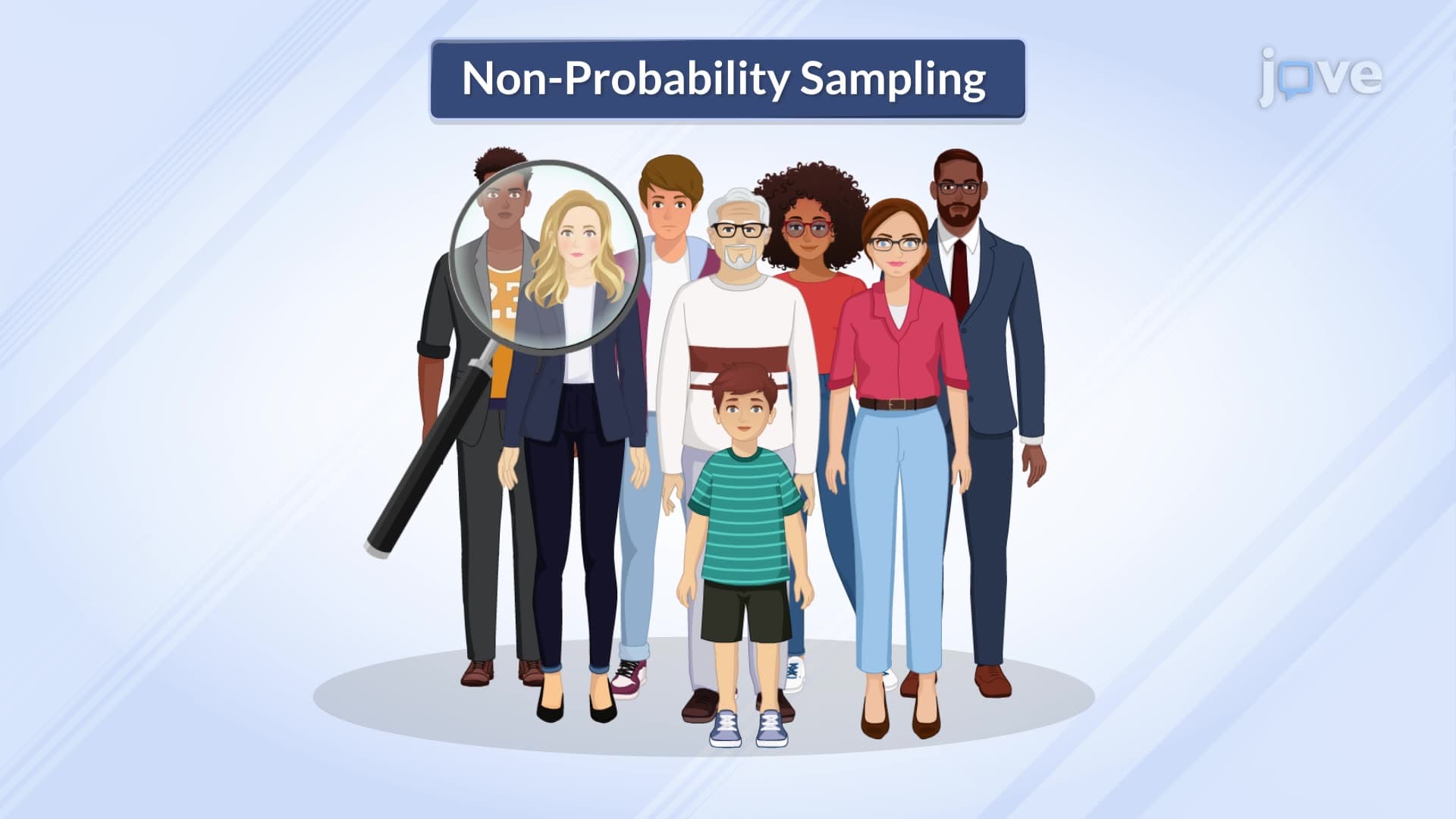
Method selection determines whether organizations use probability sampling (where every population member has a known chance of selection) or non-probability sampling (based on researcher judgment or convenience). Goldman Sachs typically employs probability sampling for market sentiment research that informs investment strategies, while startups might use non-probability methods for rapid product validation.
Sample size determination directly impacts both research budgets and decision confidence. Pharmaceutical companies like Pfizer invest millions in large-scale clinical trials because regulatory approval requires statistical power that smaller samples cannot provide. Conversely, technology companies conducting A/B tests on user interface changes might achieve actionable insights with smaller samples due to digital measurement precision.
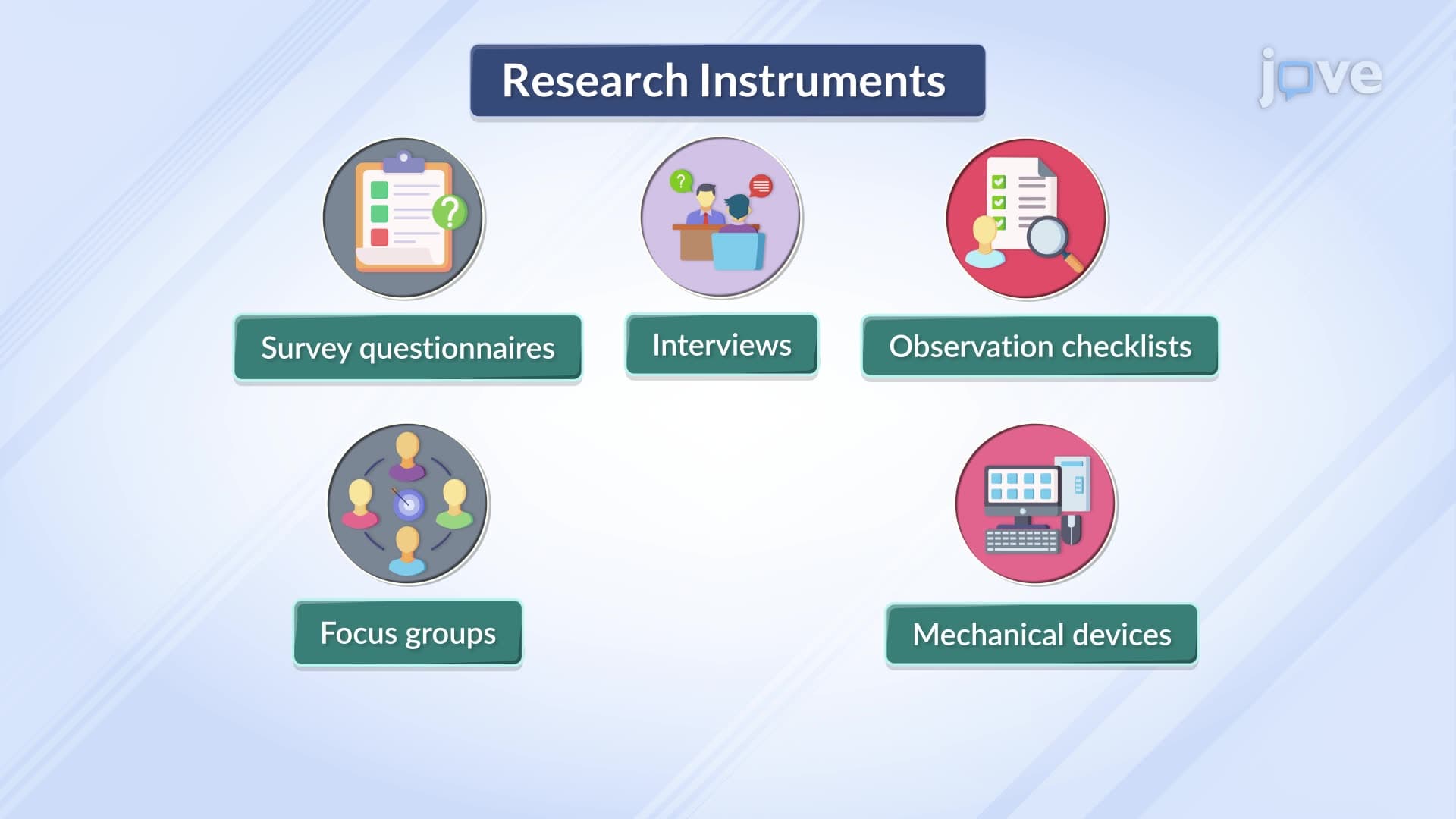
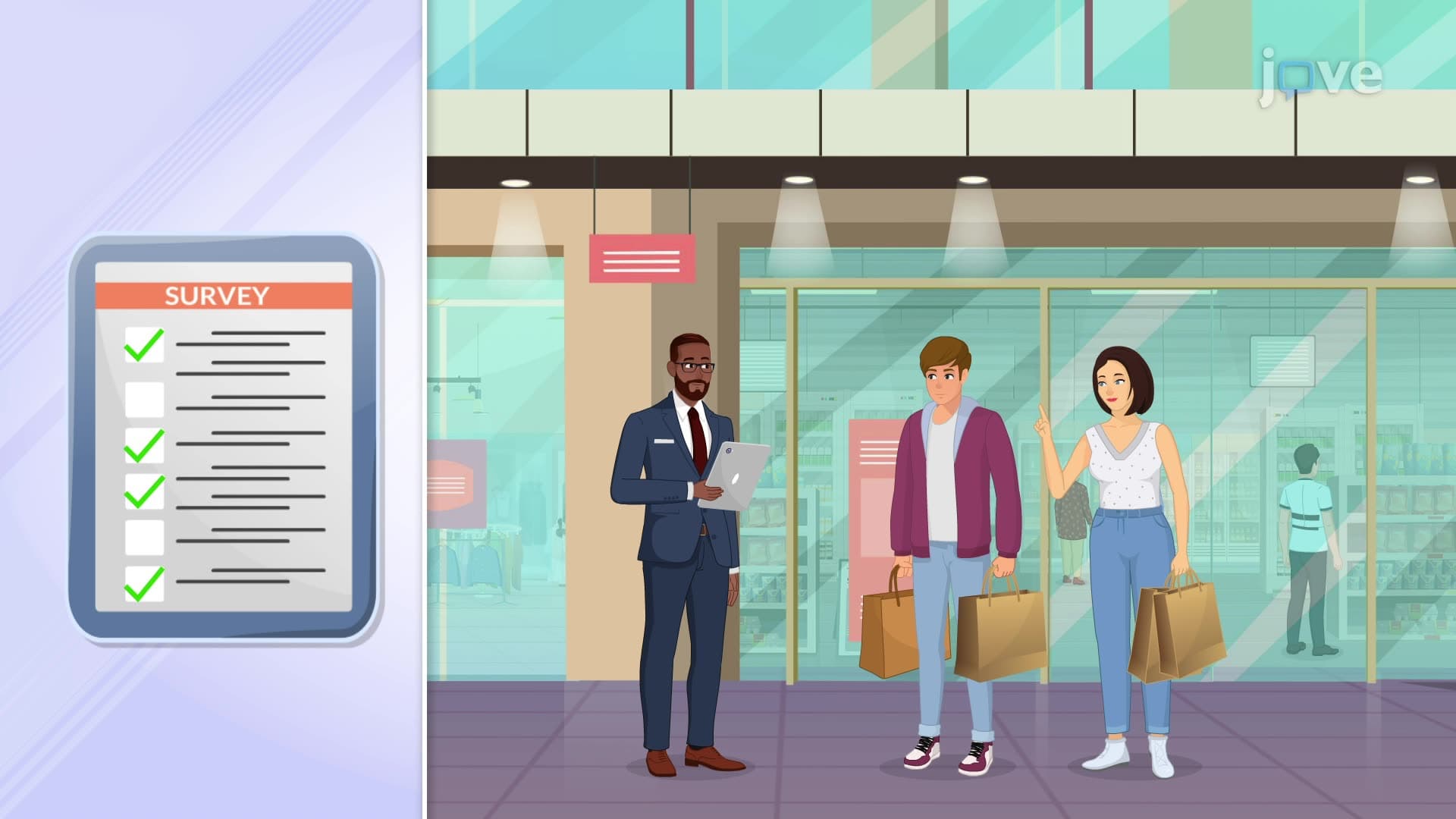
Data collection and validation ensure that research findings translate into reliable business intelligence. Amazon's recommendation algorithm continuously validates sample-based insights against actual purchasing behavior, creating a feedback loop that improves both sampling accuracy and revenue performance.
Related Micro-courses