Loading video…


 19 Concepts
 13.4K views

Video Summary: Primary Data Collection Methods I Guide
Modern business leaders face an avalanche of third-party market research, but the most impactful strategic decisions require primary data collection methods tailored to your specific competitive landscape. When Netflix pioneered data-driven content creation, they didn't rely on industry reports-they collected primary viewing behavior data directly from subscribers to inform billion-dollar production investments. This Primary Data Collection Methods guide breaks down the qualitative and quantitative approaches that drive informed decision-making across industries. Watch the full video on JoVE Coach to master this concept with expert-led visuals and step-by-step explanations.
Every quarter, executives face critical decisions with incomplete information. Should Amazon expand its grocery delivery service to new metropolitan areas? How should Ford position its electric vehicle lineup against Tesla? These strategic choices demand primary data collection methods that go beyond industry reports and competitor analysis.
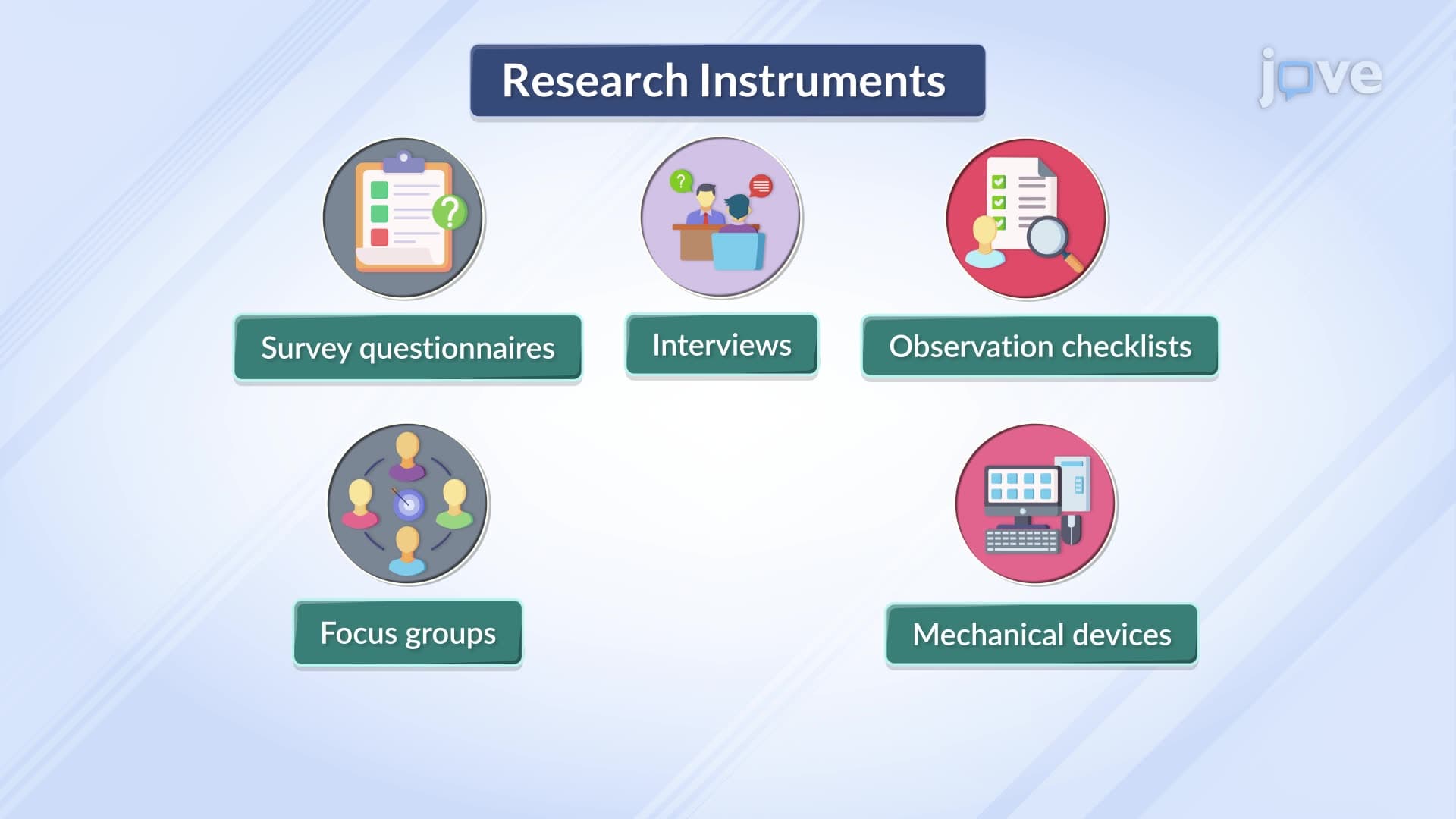
Qualitative primary data collection excels when you need to understand customer psychology, employee engagement drivers, or market perception shifts. Target Corporation's merchandising team regularly conducts focus groups before seasonal launches, gathering consumer reactions to product displays and pricing strategies. These sessions reveal emotional triggers that quantitative sales data alone cannot capture.
In-depth interviews prove invaluable for B2B decision-making research. When Salesforce develops enterprise software features, their product teams conduct one-on-one sessions with C-suite executives to understand workflow pain points and technology adoption barriers. This qualitative approach identifies opportunities worth millions in development resources.
Observational research provides unfiltered insights into actual behavior versus stated preferences. Starbucks pioneered store layout optimization by studying customer movement patterns, discovering that strategic product placement could increase average transaction values by 15-20%.
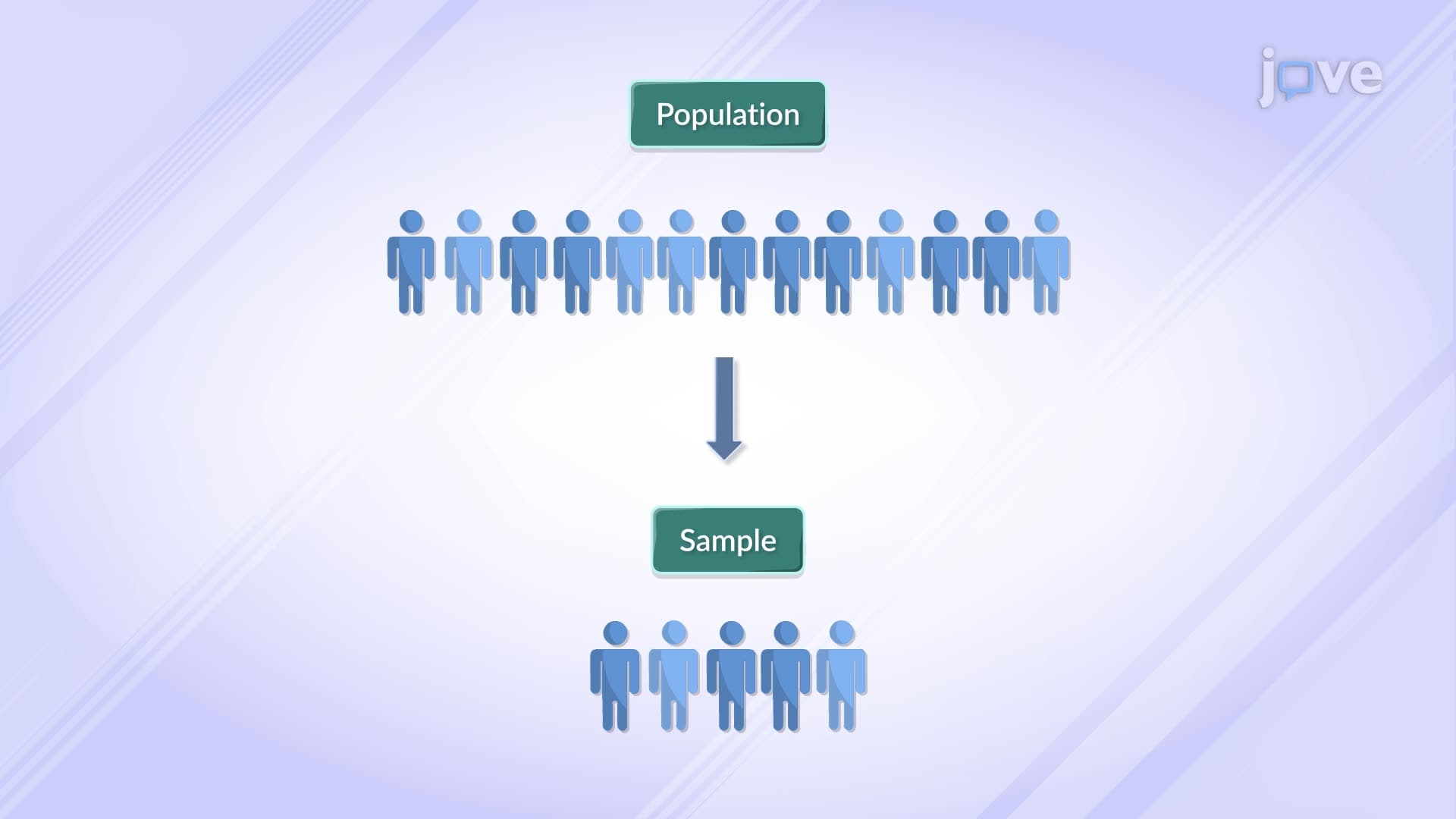
While qualitative research reveals the "why," quantitative primary data collection provides the statistical foundation for ROI projections and performance benchmarks. Survey methodologies help organizations scale insights across large customer segments, validating strategic hypotheses with mathematical precision.
Modern businesses generate massive digital footprints through social media, review platforms, and customer service interactions. Systematic content analysis transforms this unstructured data into competitive intelligence. McDonald's leverages sentiment analysis across social platforms to identify regional menu preferences and potential PR issues before they escalate.
The integration of multiple primary data collection methods creates comprehensive market intelligence that drives sustainable competitive advantages and informed resource allocation decisions.
Related Micro-courses