Loading video…


 19 Concepts
 13.4K views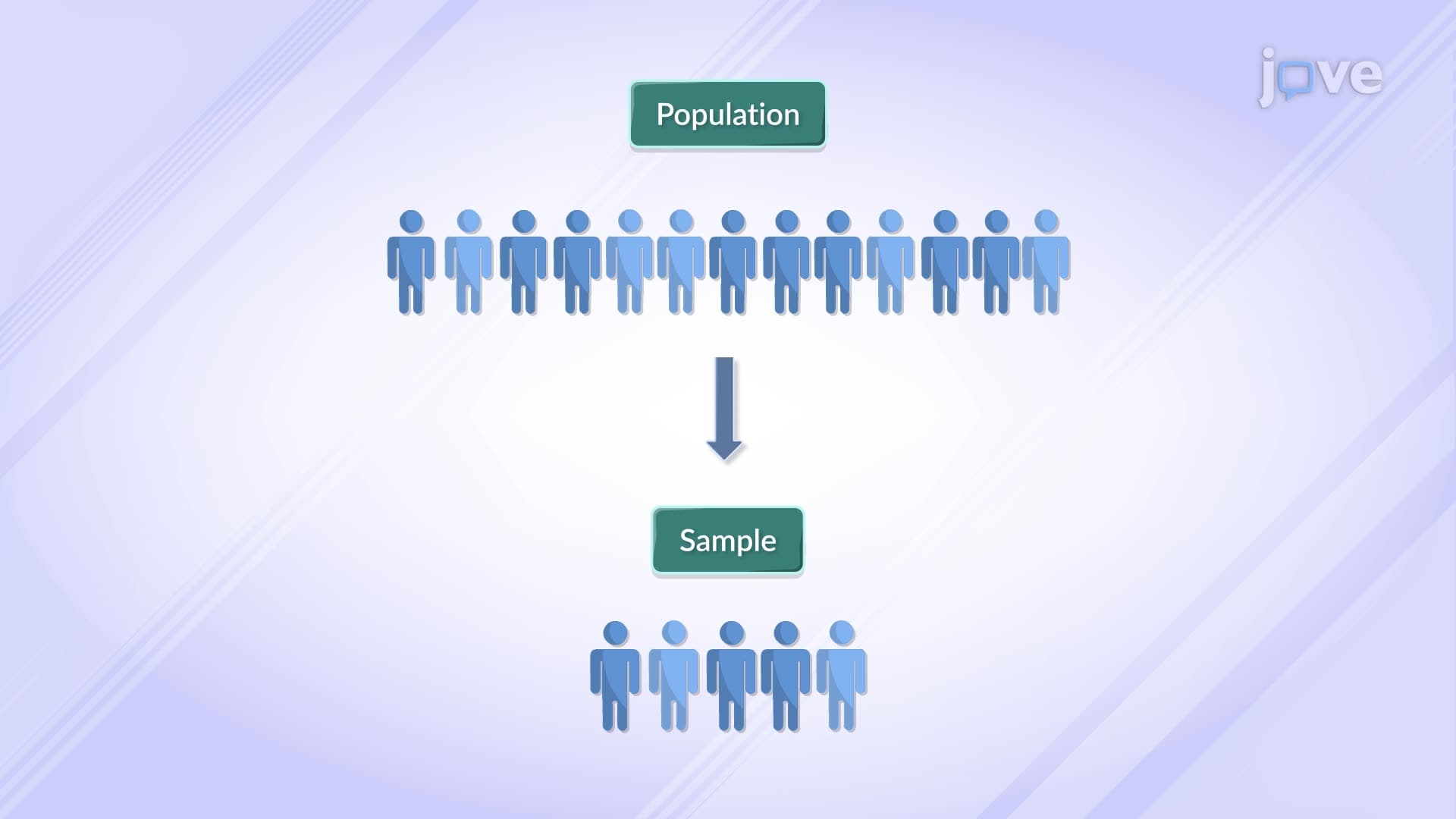

Video Summary: What Is Probability Sampling
Market research drives billion-dollar decisions at companies like Walmart, yet flawed sampling methods cost businesses millions in misguided strategies. Probability sampling provides the statistical foundation for reliable consumer insights, operational assessments, and strategic planning across industries. This methodology ensures every participant has a known selection chance, eliminating bias that could derail product launches or market expansions. Watch the full video on JoVE Coach to master this concept with expert-led visuals and step-by-step explanations.
When Netflix decides which original content to produce or Amazon evaluates new market opportunities, they rely on data-driven insights rooted in sound statistical methodology. Probability sampling forms the backbone of reliable business intelligence, providing executives with confidence that their multi-million-dollar decisions reflect genuine market conditions rather than statistical anomalies.
Market Research and Consumer Insights: Fortune 500 companies like Procter & Gamble use stratified sampling to understand how different demographic segments respond to product innovations. By ensuring representative samples across age, income, and geographic boundaries, P&G can predict nationwide product performance before investing in full-scale manufacturing and distribution.
Operational Excellence and Quality Control: Manufacturing leaders at General Electric implement systematic sampling to monitor production quality across multiple facilities. Rather than inspecting every component-which would be cost-prohibitive-GE selects every nth item produced, maintaining quality standards while optimizing resource allocation.
Financial Risk Assessment: JPMorgan Chase employs cluster sampling when evaluating regional loan portfolios or assessing market risk across different metropolitan areas. This approach allows the bank to understand localized economic conditions without conducting exhaustive market analysis in every community they serve.
The key to successful probability sampling lies in matching methodology to business objectives. Simple random sampling works effectively for broad organizational surveys-such as employee satisfaction assessments or company-wide policy feedback. However, when understanding nuanced customer preferences or regional market variations, stratified sampling provides deeper insights by ensuring adequate representation across critical demographic or geographic segments.
Smart executives recognize that sample size directly impacts decision confidence. While larger samples increase accuracy, they also increase costs. The optimal balance depends on the financial stakes involved-a potential $100 million market entry requires more rigorous sampling than routine customer satisfaction monitoring.
Related Micro-courses