Loading video…


 19 Concepts
 13.4K views

Video Summary: What Is Non Probability Sampling
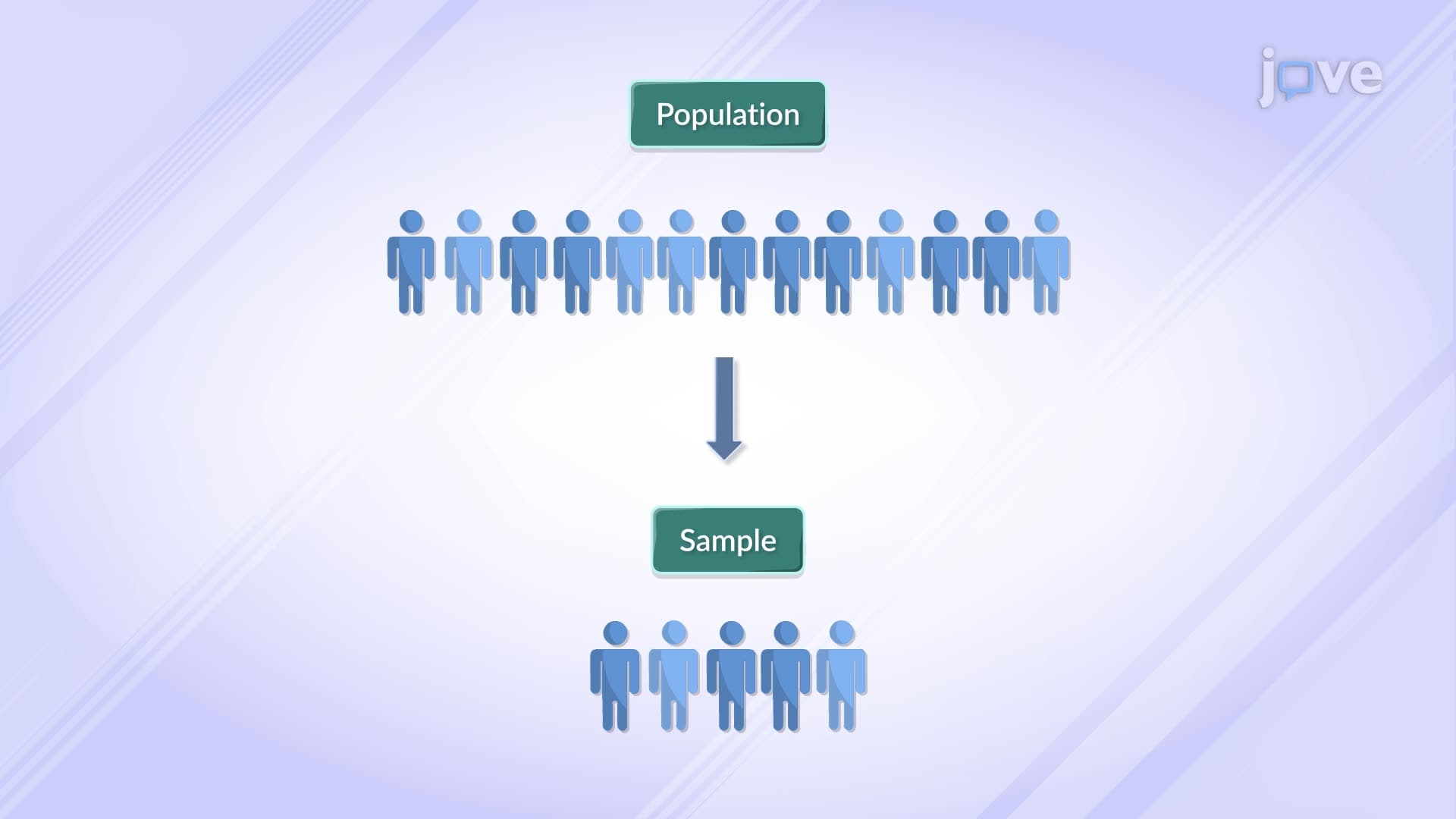
When Amazon needs to rapidly assess customer satisfaction during a flash sale, or when McKinsey requires quick market insights for a time-sensitive client proposal, non probability sampling becomes the go-to research methodology. This sampling technique allows professionals to gather actionable business intelligence without the time and cost constraints of traditional probability methods. Unlike random sampling, non probability sampling prioritizes accessibility and speed over statistical precision, making it invaluable for business decisions requiring immediate data. While it introduces potential bias, savvy managers leverage convenience, judgmental, quota, and snowball sampling methods to inform strategic initiatives across industries from retail to financial services. Watch the full video on JoVE Coach to master this concept with expert-led visuals and step-by-step explanations.
When Starbucks launched its mobile ordering platform, the company needed rapid customer feedback to optimize the user experience before competitors could respond. Traditional probability sampling would have taken months and consumed significant resources. Instead, Starbucks employed non probability sampling to gather immediate insights from easily accessible customers at high-traffic locations, enabling swift product iterations that maintained their market leadership.
Convenience Sampling for Operational Excellence Convenience sampling proves invaluable when time-to-market pressures demand immediate customer insights. Retail giants like Target regularly deploy this method during seasonal campaigns, surveying shoppers in-store to gauge promotional effectiveness. While this approach sacrifices randomness for accessibility, it provides actionable data for real-time operational adjustments. Marketing managers use convenience sampling to test advertising concepts, while operations teams gather feedback on service delivery improvements.
Judgmental Sampling for Targeted Market Intelligence Enterprise software companies like Salesforce employ judgmental sampling to understand decision-making processes within specific customer segments. By selecting participants based on company size, industry, or technology adoption patterns, product managers gain deep insights into feature preferences and buying behaviors. This targeted approach enables more precise product positioning and competitive differentiation strategies.
Quota and Snowball Sampling for Market Expansion Financial services firms leverage quota sampling to ensure representative coverage across demographic segments when launching new products. JPMorgan Chase might structure quotas by age, income, and geographic distribution when testing mortgage products, ensuring insights reflect their target market's diversity. Snowball sampling becomes particularly powerful for reaching specialized professional networks-consulting firms use this method to understand decision-making patterns within C-suite communities, where initial contacts refer other executives, creating access to otherwise difficult-to-reach populations.
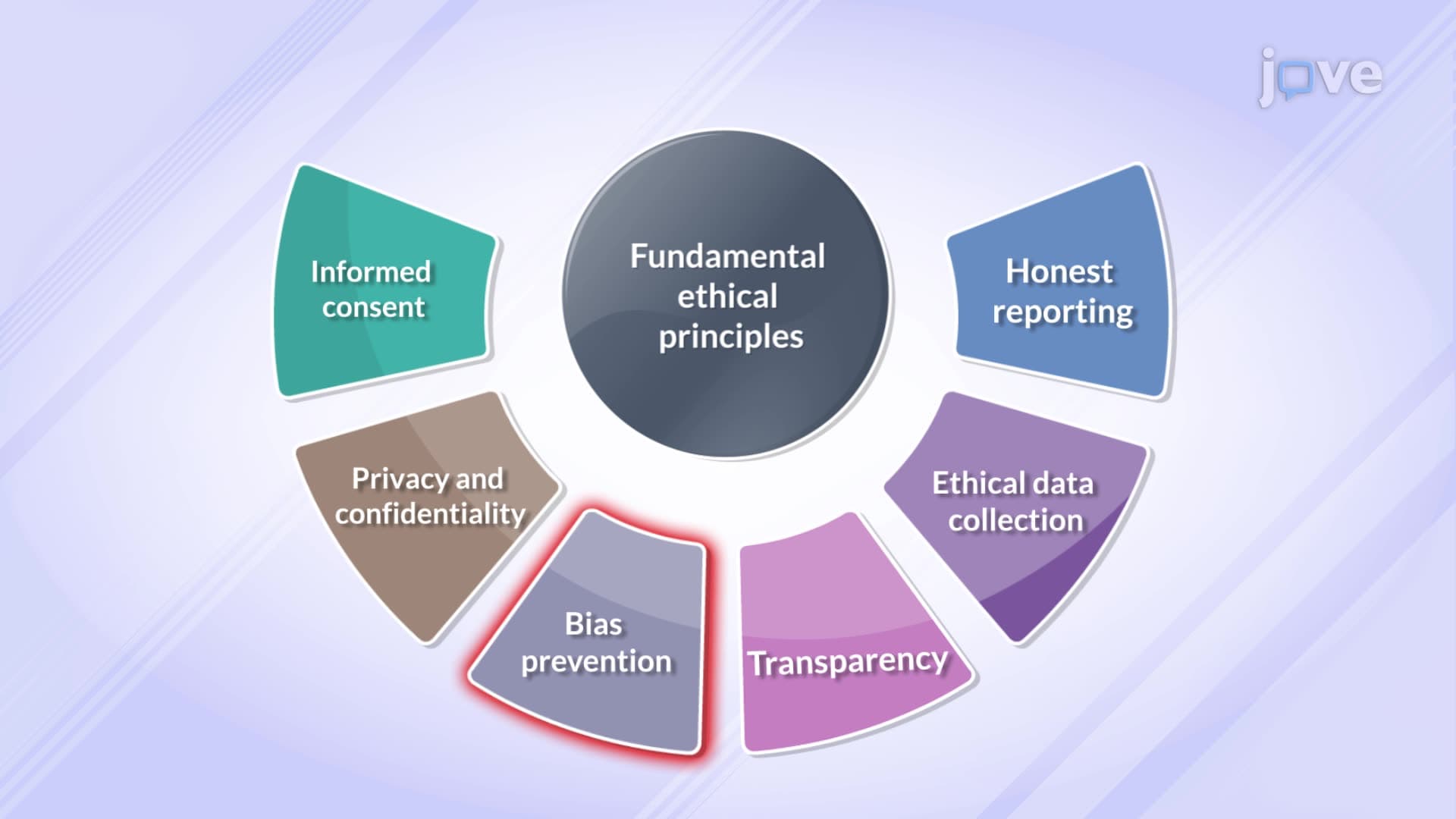
While non probability sampling offers speed and cost advantages, successful implementation requires careful bias management. Companies must balance the urgency of business decisions against potential sample limitations, often using triangulation methods to validate findings across multiple sampling approaches.
Related Micro-courses