Loading video…


 19 Concepts
 13.4K views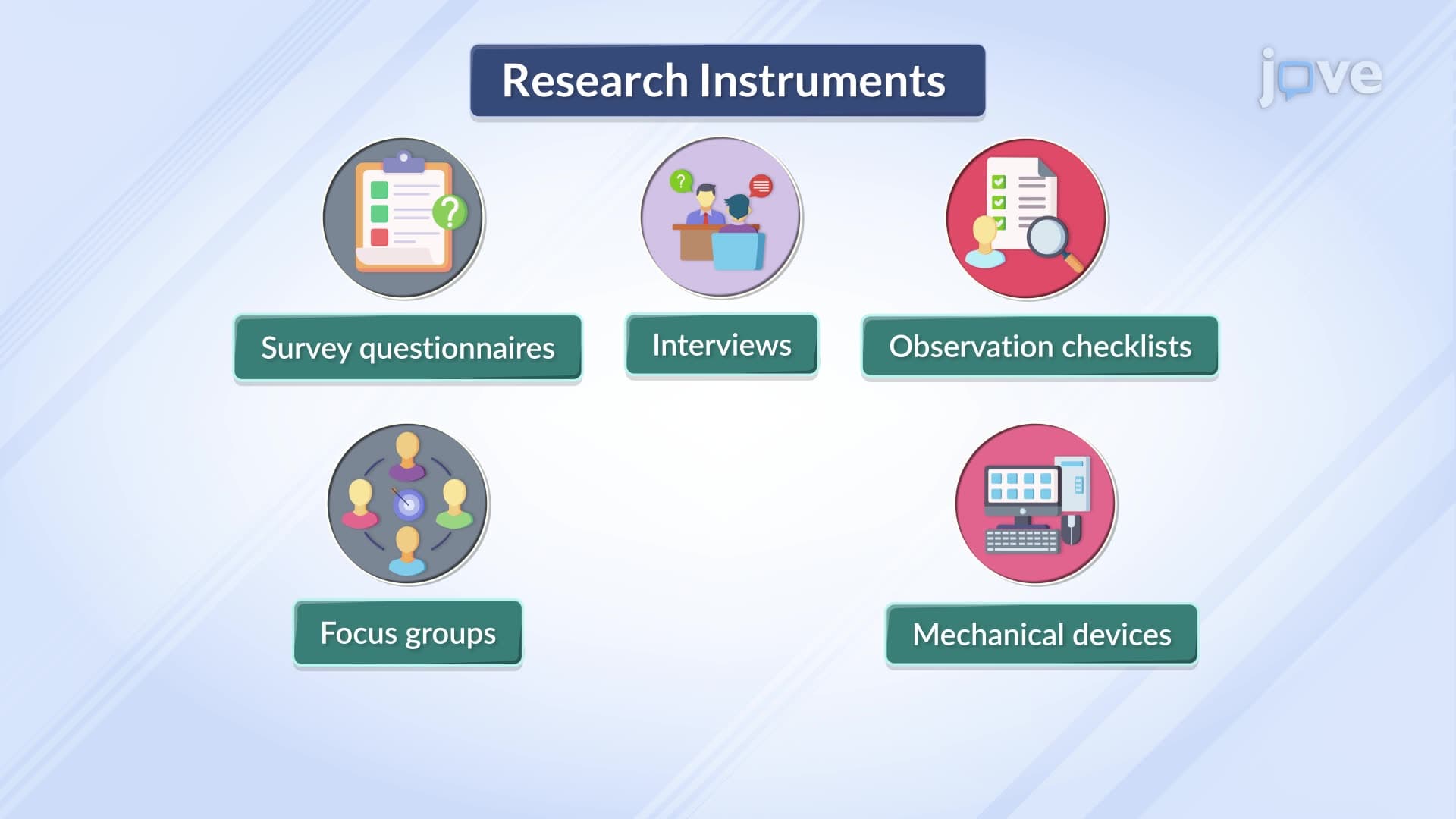

Video Summary: What Is Research Instruments
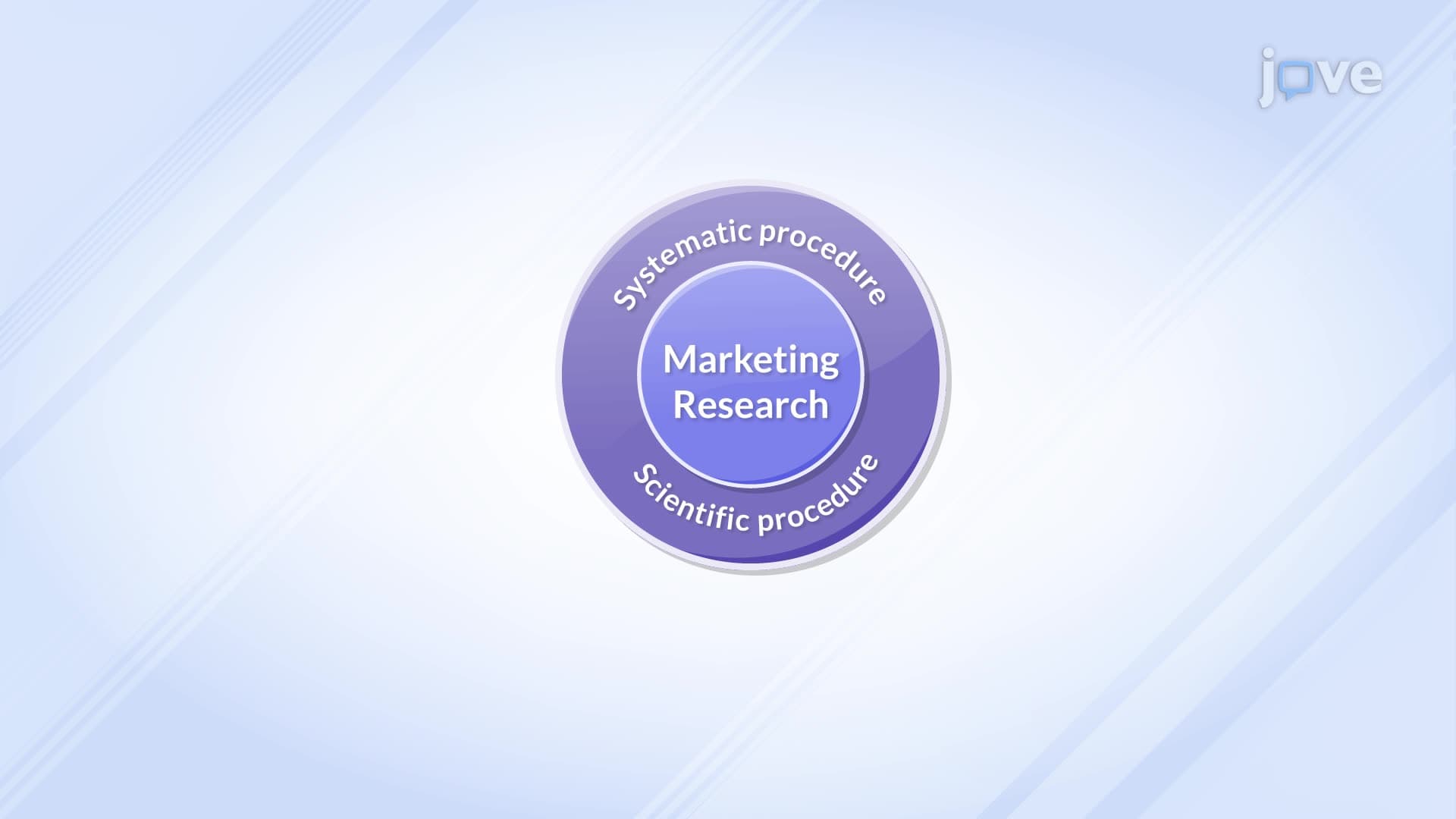
When Procter & Gamble launches a new consumer product, they rely on research instruments-systematic data collection and measurement tools that drive multi-million-dollar market decisions. Research instruments encompass survey questionnaires, interviews, observation checklists, focus groups, and mechanical measurement devices that generate reliable, valid business intelligence. Smart deployment of these tools transforms raw consumer insights into actionable product development and marketing strategies that determine market success or failure. Watch the full video on JoVE Coach to master this concept with expert-led visuals and step-by-step explanations.
Research instruments represent the systematic toolkit that separates successful market leaders from companies that rely on gut instinct. When Amazon decides to enter a new product category or when Apple evaluates consumer response to potential iPhone features, they deploy carefully selected research instruments to minimize risk and maximize market opportunity. These tools transform abstract consumer preferences into concrete data points that inform million-dollar strategic decisions.
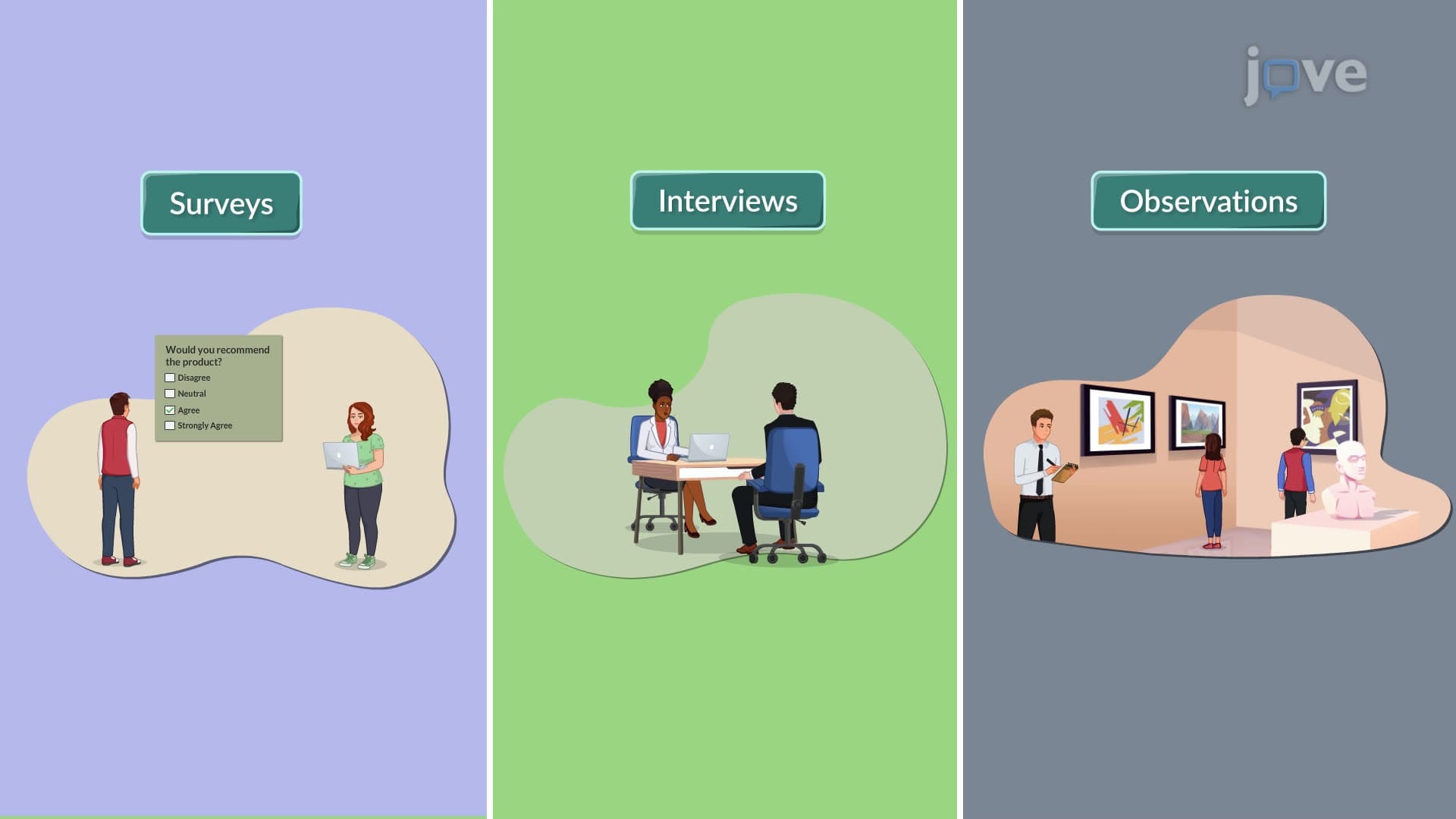
Modern business leaders have five primary research instrument categories at their disposal. Survey questionnaires provide scalable quantitative insights-think of how Netflix uses customer rating surveys to refine their recommendation algorithms and content acquisition strategies. In-depth interviews deliver nuanced qualitative understanding that surveys cannot capture, similar to how Microsoft conducts executive interviews to understand enterprise software needs before major product updates.
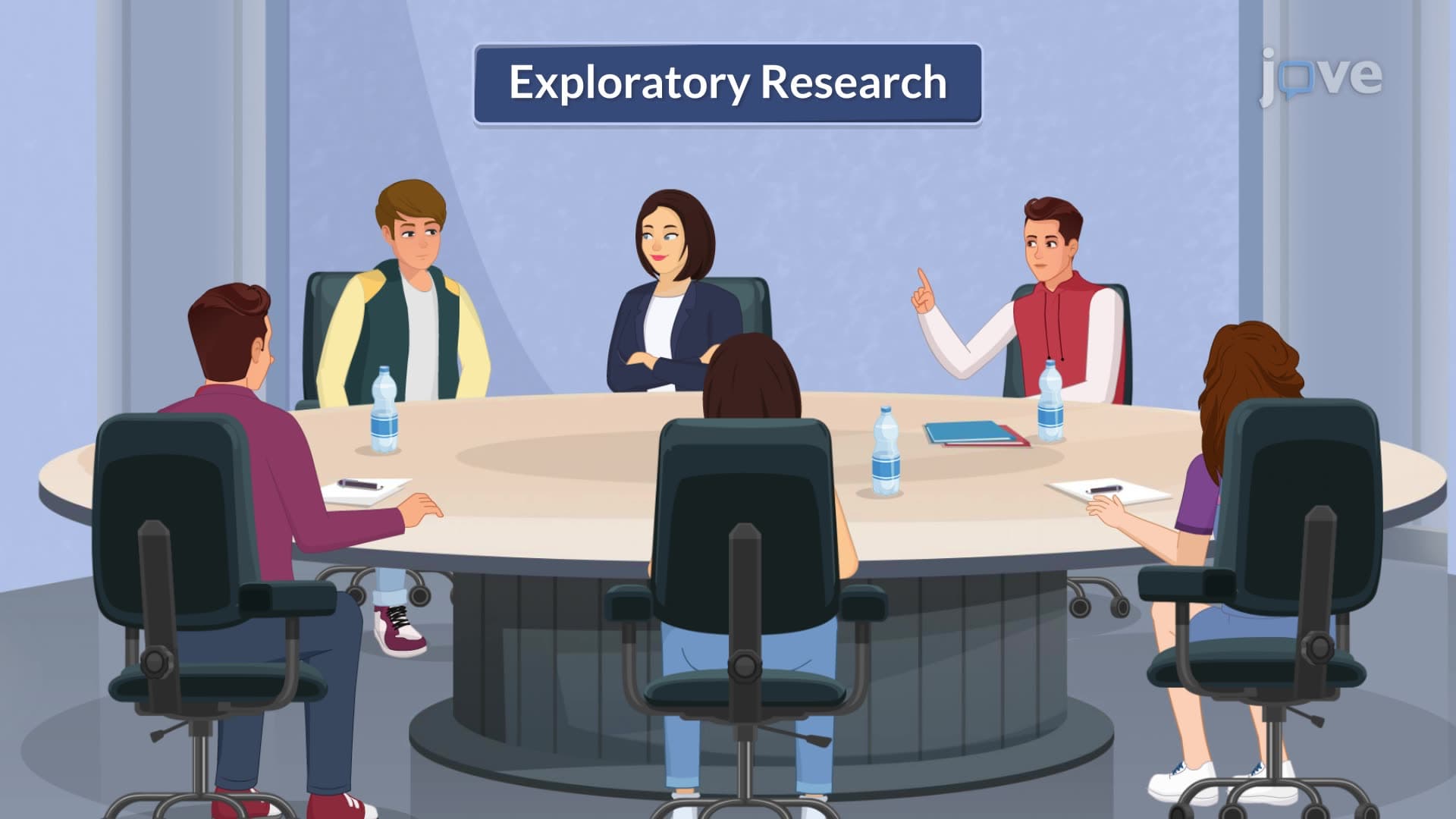
Observation checklists enable real-time behavioral analysis without the bias of self-reported data. Starbucks famously uses observational research to optimize store layouts and identify peak usage patterns for different locations. Focus groups facilitate group dynamics that reveal collective opinions and social influences on purchasing decisions-a technique Coca-Cola relies on heavily when testing new flavor profiles or marketing campaigns.
Sophisticated research instruments extend beyond traditional surveys and interviews. Eye-tracking technology, biometric sensors, and digital analytics platforms provide unprecedented insight into consumer engagement patterns. Target uses heat-mapping technology and shopping behavior analysis to optimize store layouts and product placement, directly impacting sales performance and customer satisfaction metrics.
Effective research instrument deployment requires strategic alignment with business objectives. Early-stage market research typically combines broad surveys with focused interviews to establish market size and identify key customer segments. As products mature, companies shift toward observational studies and mechanical measurement tools to optimize user experience and identify expansion opportunities. The key lies in understanding which instruments generate the highest ROI for your specific industry context and decision-making timeline.
Related Micro-courses