Loading video…


 19 Concepts
 13.4K views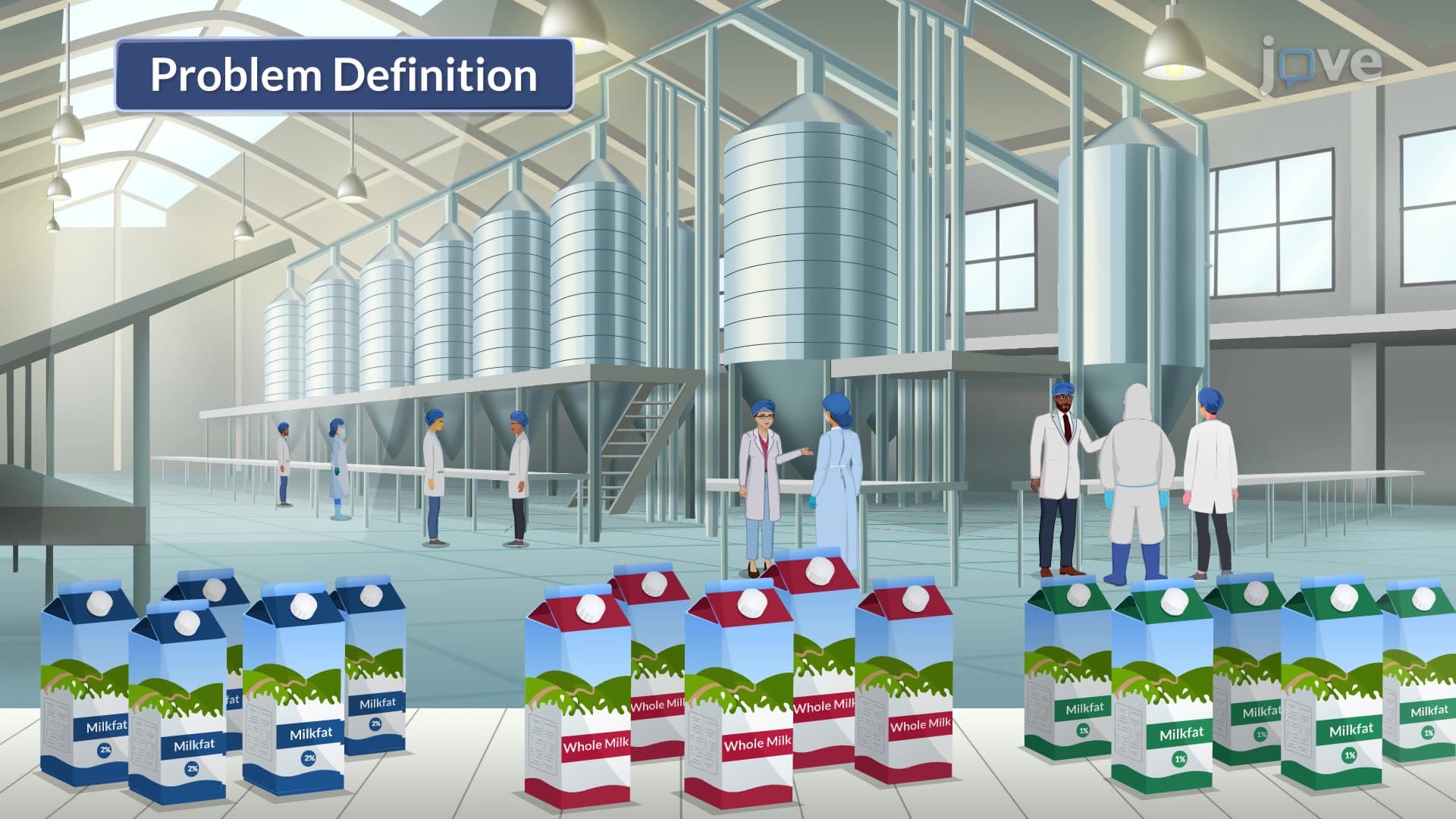

Video Summary: What Is Problem Definition
When Starbucks faced declining traffic in 2018, their turnaround began with rigorous problem definition-the foundational step that transforms vague business challenges into actionable research frameworks. Problem definition involves clearly articulating the specific issue, understanding its scope, and establishing measurable research objectives that drive strategic decision-making. This systematic approach prevents costly missteps and ensures resources target root causes rather than symptoms. Watch the full video on JoVE Coach to master this concept with expert-led visuals and step-by-step explanations.
When Netflix shifted from DVD-by-mail to streaming in 2007, their success hinged on precise problem definition. Rather than defining their challenge as "how to improve DVD delivery," they reframed it as "how to provide instant entertainment access." This strategic problem definition fundamentally altered their research objectives and competitive positioning.
Problem definition serves as the cornerstone of effective business research, determining whether organizations solve the right challenges or waste resources addressing symptoms. For working professionals, mastering this discipline means the difference between reactive firefighting and proactive strategic advantage.
Problem Statement Clarity begins with articulating the specific business challenge in measurable terms. When Target experienced data breach fallout in 2013, their problem wasn't simply "customer trust issues"-it was "quantifying customer retention impact and identifying specific trust-building mechanisms to restore purchase frequency within 18 months."
Scope Determination involves establishing clear boundaries around what factors are included or excluded from investigation. Amazon's entry into healthcare through Amazon Pharmacy required defining whether their problem was "prescription delivery logistics" or the broader challenge of "healthcare ecosystem disruption." The scope decision fundamentally shaped their research priorities and resource allocation.
Root Cause Analysis distinguishes between surface-level symptoms and underlying drivers. When Ford faced quality issues in the early 2000s, effective problem definition required looking beyond manufacturing defects to examine supplier relationships, quality control processes, and organizational culture factors contributing to the challenges.
Research Objective Alignment ensures that problem definition connects directly to measurable business outcomes. Wells Fargo's cross-selling scandal required problem definition that addressed both immediate regulatory compliance and long-term cultural transformation-objectives requiring entirely different research methodologies and success metrics.
The most effective problem definitions incorporate competitive intelligence, market dynamics, and internal capability assessments. This comprehensive approach prevents organizations from solving problems in isolation, ensuring solutions remain viable within broader market contexts.
Related Micro-courses