Loading subject page…


11,405 views

Video Summary: What Is Advertising Ii
Modern advertising decisions directly impact your company's market penetration and revenue growth, with print and outdoor campaigns representing critical touchpoints in customer acquisition strategies. Understanding advertising fundamentals becomes essential when evaluating media spend allocation and measuring campaign ROI across traditional channels. Companies like Coca-Cola leverage both print advertising through magazine placements and outdoor advertising via iconic Times Square billboards to maximize brand exposure and drive consumer engagement. What is Advertising II provides the strategic framework for comparing these advertising approaches and their business implications. Watch the full video on JoVE Coach to master this concept with expert-led visuals and step-by-step explanations.
When marketing executives at major retailers face declining foot traffic, they must quickly evaluate traditional advertising channels to drive immediate customer acquisition. This scenario highlights the critical importance of understanding both print and outdoor advertising strategies, as these foundational approaches continue delivering measurable business results despite digital transformation trends.
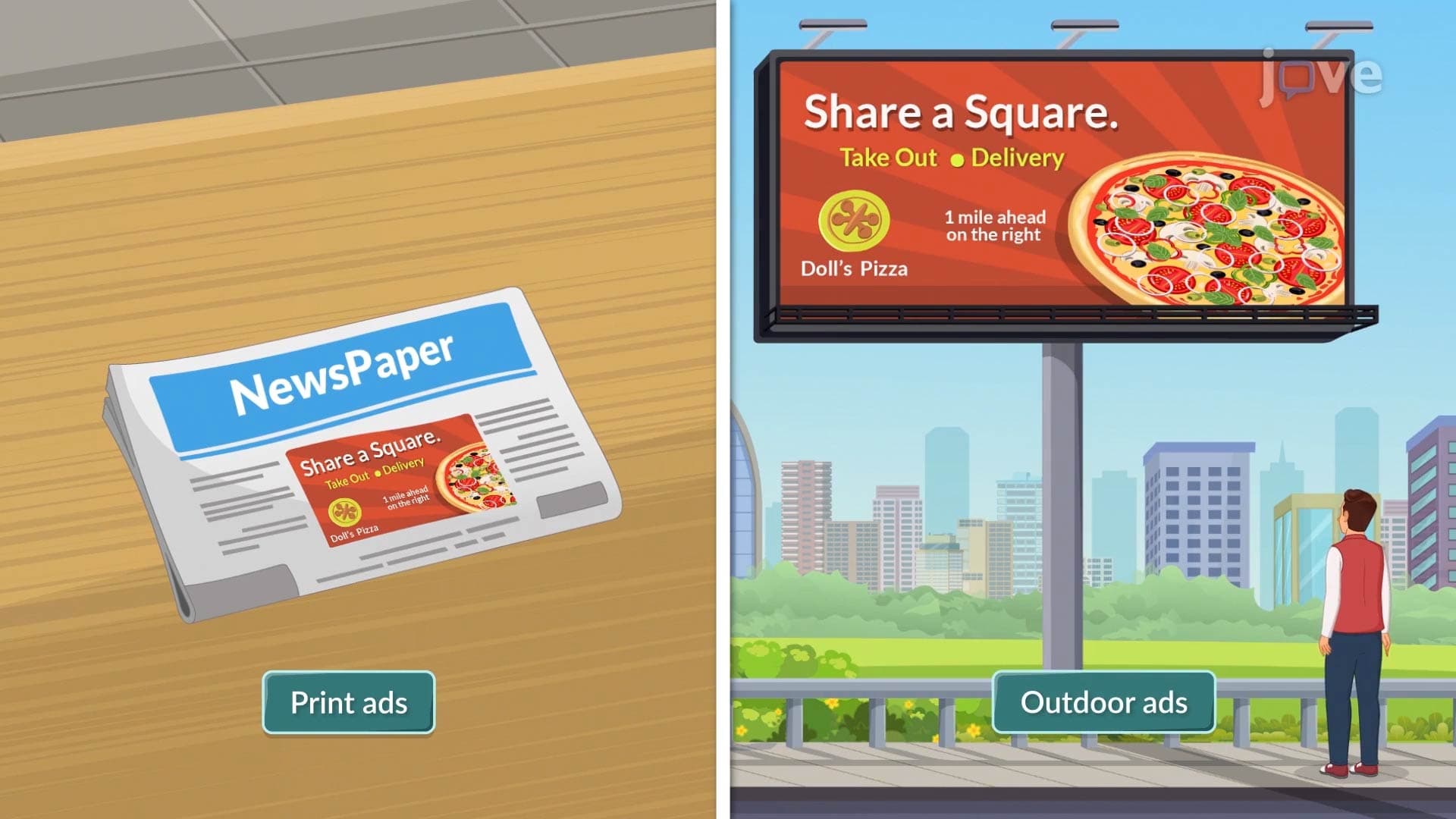
Print advertising encompasses newspaper placements, magazine insertions, direct mail campaigns, brochures, catalogs, and product packaging elements. Each format serves distinct business objectives within comprehensive marketing strategies. Newspaper advertising delivers broad market reach but requires significant budget allocation-major retailers like Target invest millions annually in Sunday circular campaigns to drive weekend shopping behavior.
Magazine advertising offers enhanced targeting capabilities through publication demographics, allowing luxury brands like Rolex to reach affluent audiences through lifestyle publications. Direct mail campaigns, including postcards and catalogs, provide measurable response rates and enable precise geographic targeting. However, print advertising presents control challenges regarding distribution timing and audience verification, making performance measurement complex for marketing teams.
Outdoor advertising creates unavoidable brand encounters through billboards, transit advertisements, point-of-sale displays, guerrilla marketing activations, and poster campaigns. McDonald's exemplifies effective outdoor advertising through strategic highway billboard placement near restaurant locations, directly influencing immediate purchase decisions.
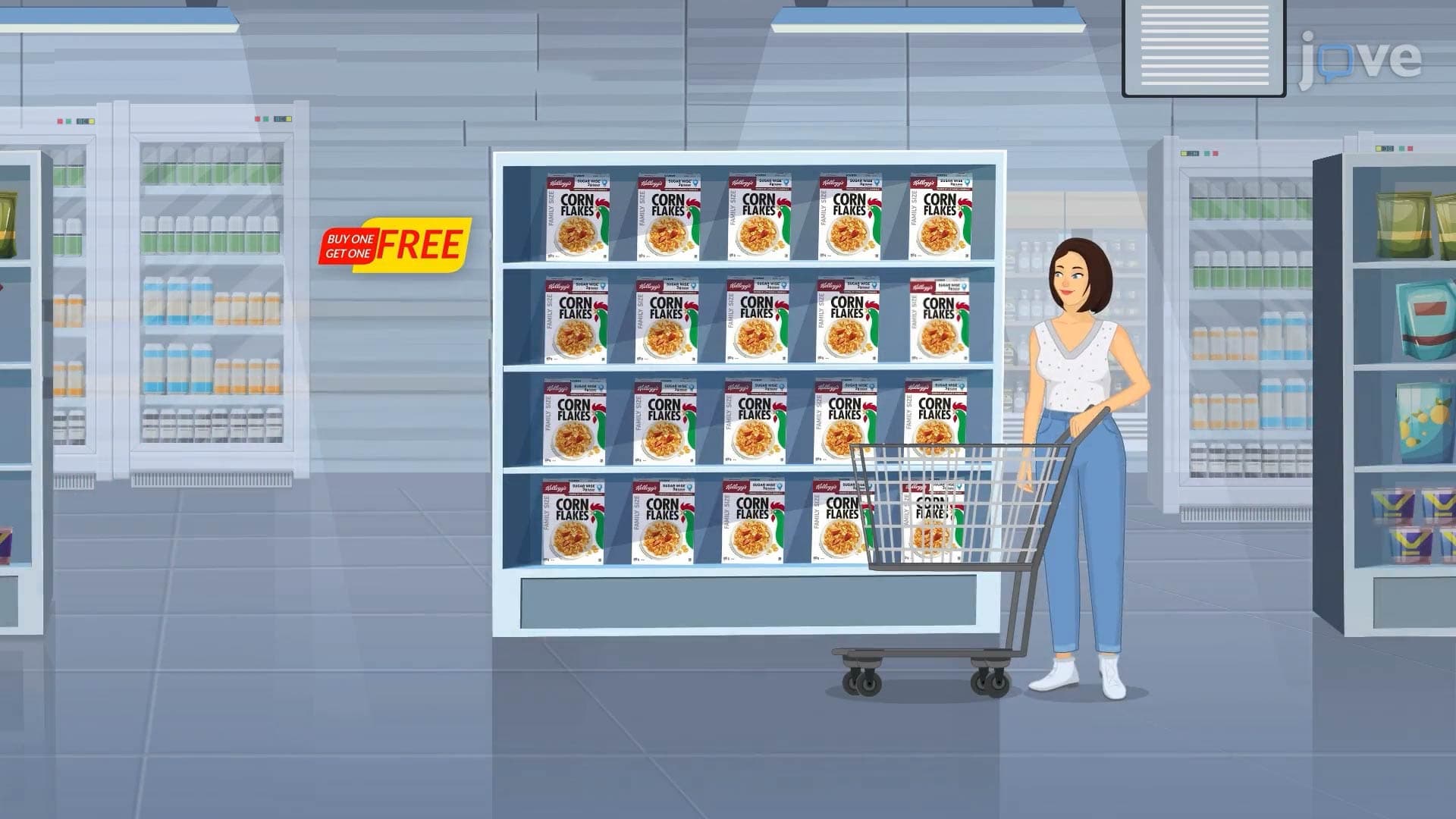
Transit advertising reaches commuter audiences during extended exposure periods, while point-of-sale displays capitalize on purchase-ready consumer moments. However, regulatory constraints significantly impact outdoor advertising execution, requiring legal compliance expertise and permit management capabilities.
Successful advertising campaign development requires evaluating budget parameters, target demographic characteristics, campaign timeline requirements, and competitive landscape dynamics. Cost-effectiveness analysis should consider both immediate reach metrics and long-term brand impact measurement. Companies achieving optimal results typically integrate print and outdoor approaches within coordinated multichannel strategies rather than relying on single-format campaigns.
Related Micro-courses