Loading subject page…


11,405 views


Video Summary: What Is Advertising Iii
Modern advertising decisions drive billions in revenue, with TV and radio remaining cornerstone channels despite digital transformation. Companies like Coca-Cola allocate over $4 billion annually across traditional advertising platforms, balancing reach with cost efficiency. Understanding What is Advertising III enables executives to optimize media mix strategies, evaluate channel effectiveness, and maximize ROI across mass-market campaigns. This analysis covers television and radio advertising fundamentals, format variations, and strategic trade-offs that impact budget allocation decisions. Watch the full video on JoVE Coach to master this concept with expert-led visuals and step-by-step explanations.
When McDonald's launches a new menu item, executives face critical decisions about television versus radio investment allocation. This scenario illustrates the strategic complexity behind traditional advertising channels that continue driving consumer behavior despite digital media growth. Television and radio advertising represent foundational mass-market tools requiring sophisticated understanding of reach, frequency, production costs, and creative limitations.
Television advertising delivers unmatched visual storytelling capability, combining sight, sound, and motion to create memorable brand experiences. Major corporations like Apple invest heavily in TV commercials because visual demonstration proves essential for complex product positioning. The platform supports multiple formats including 30-second brand spots, long-form infomercials, and integrated product placement within programming content.
However, television's power comes with significant cost implications. Production budgets often exceed $500,000 for national campaigns, while prime-time placement costs reach millions per 30-second slot. Additionally, message lifespan remains limited, requiring sustained investment in repetition to maintain consumer recall and drive purchasing decisions.
Radio advertising excels in rapid deployment and cost-effective market penetration. Local businesses and national brands alike leverage radio's quick turnaround times-often 24-48 hours from concept to broadcast-making it ideal for promotional campaigns, seasonal offers, and crisis communications. Formats range from live endorsements by popular hosts to produced jingles that build audio brand recognition.
The medium's strength lies in building intimate listener relationships. Companies like GEICO have successfully used consistent radio campaigns to establish brand personality and trust through repeated audio exposure. Production costs remain dramatically lower than television, often under $10,000 for professional campaigns, enabling smaller businesses to access mass-market advertising.
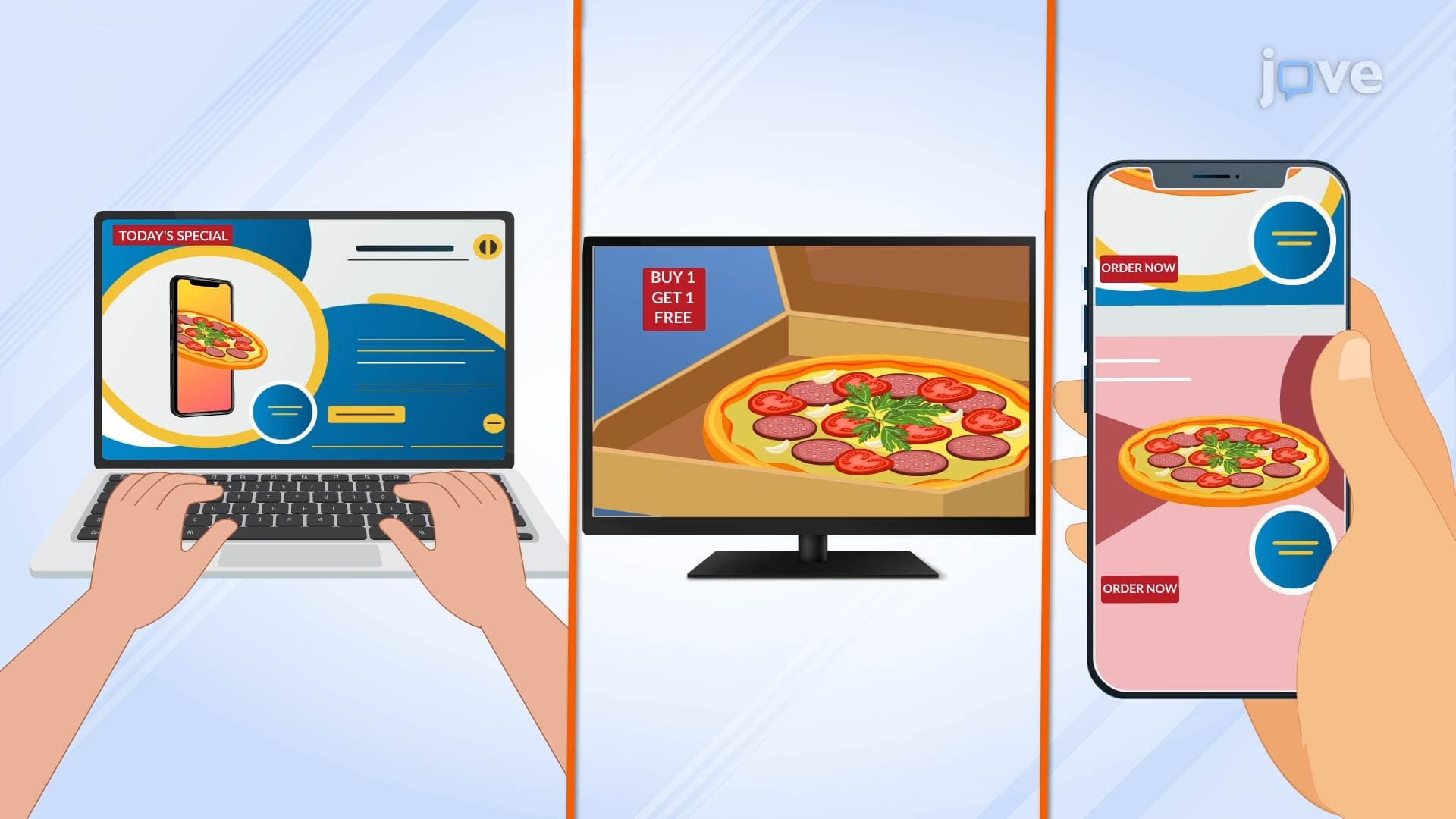
Successful advertising strategies often combine both channels strategically. Television builds visual brand equity and demonstrates product benefits, while radio reinforces messaging with higher frequency at lower cost. The key lies in understanding when visual elements justify television's premium pricing versus situations where audio-only messaging achieves comparable results through repeated exposure and strategic timing.
Related Micro-courses