Loading subject page…


11,405 views


Video Summary: What Is Effective Marketing Communication
In today's fragmented media landscape, companies like Amazon execute hundreds of touchpoints across channels, yet many marketing professionals struggle with message consistency and resource allocation. Effective marketing communication serves as the strategic foundation that transforms scattered marketing efforts into cohesive, results-driven campaigns. This systematic approach encompasses seven critical steps: audience identification, objective setting, message design, media selection, budget allocation, promotional tool integration, and feedback collection. Companies that master effective marketing communication see measurably higher ROI and brand equity growth. Watch the full video on JoVE Coach to master this concept with expert-led visuals and step-by-step explanations.
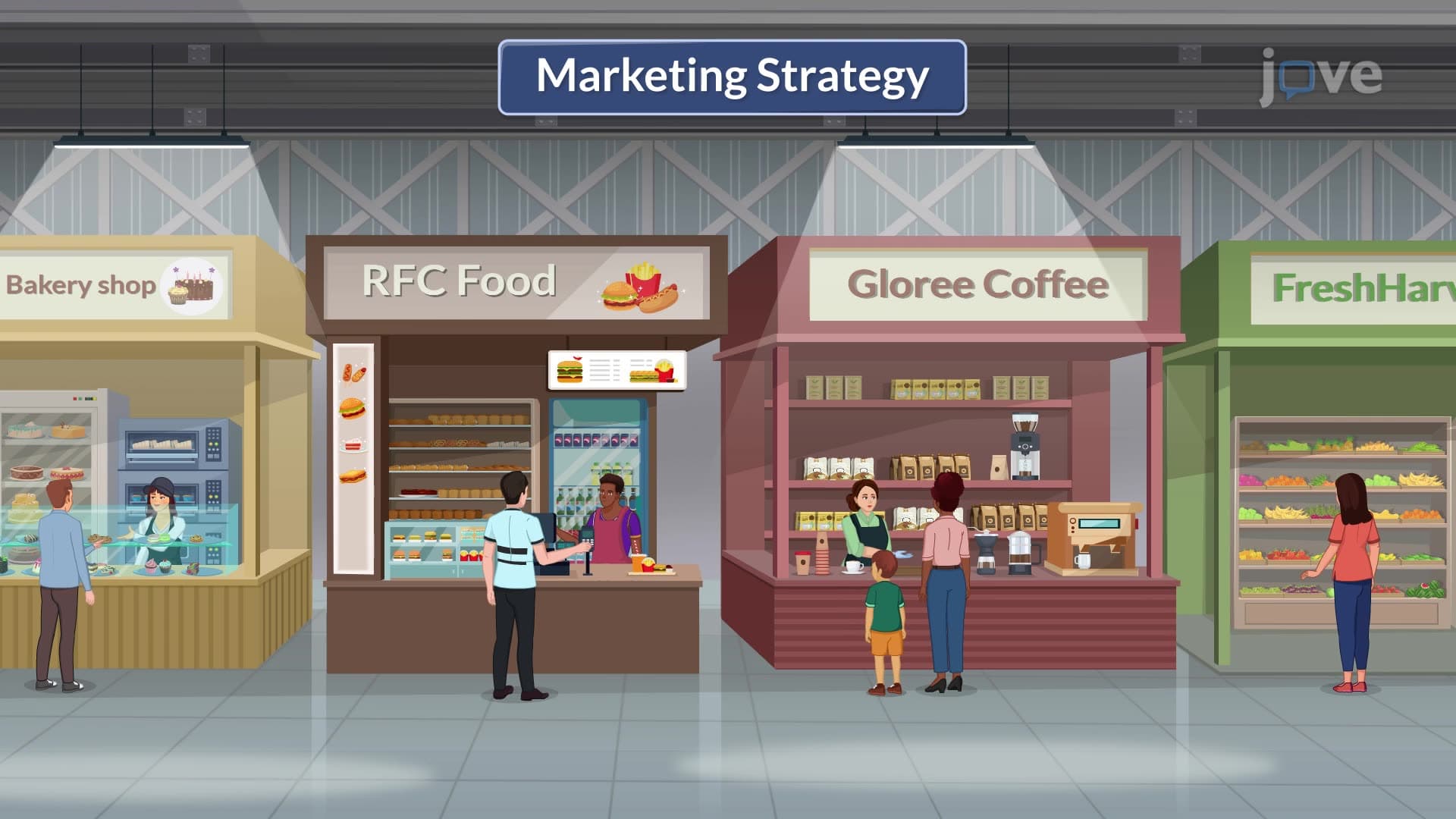
When Nike's leadership faced declining market share in the early 2000s athletic footwear segment, their response exemplified effective marketing communication principles. Rather than increasing ad spend randomly, they implemented a systematic integrated marketing communication (IMC) approach that rebuilt brand dominance through strategic message coordination across all consumer touchpoints.
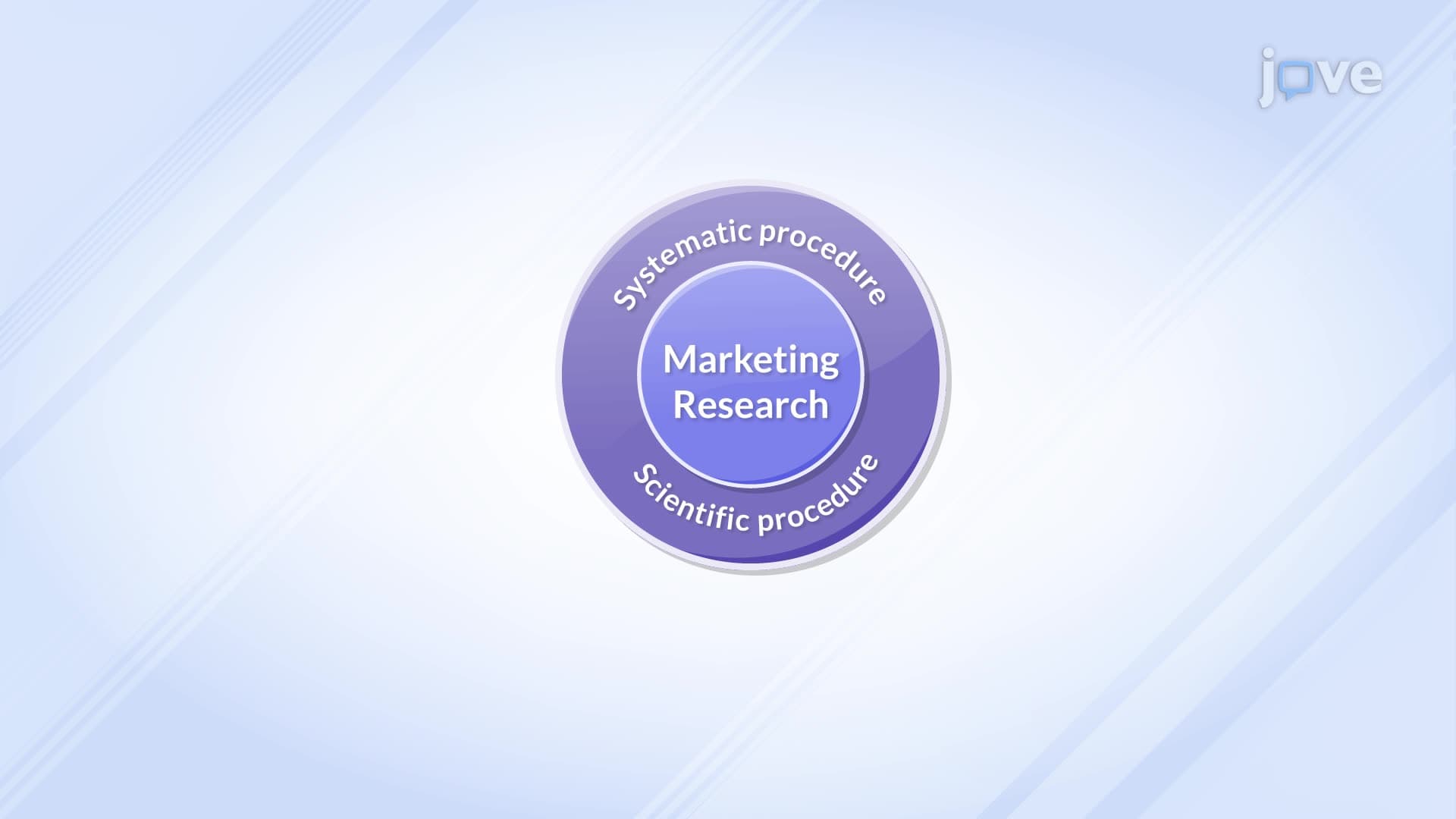
Effective marketing communication definition encompasses a systematic methodology that transforms fragmented marketing efforts into cohesive business results. The framework begins with precise target audience identification-moving beyond demographic data to understand psychographic triggers, purchase behaviors, and decision-making processes that drive revenue outcomes.
Communication objective setting forms the strategic backbone, linking marketing activities directly to P&L impact. Whether pursuing market penetration, brand differentiation, or customer retention, these objectives must translate into measurable business metrics that board members and investors can evaluate. Companies like Salesforce demonstrate this principle by tying every marketing communication initiative to specific customer acquisition costs and lifetime value targets.
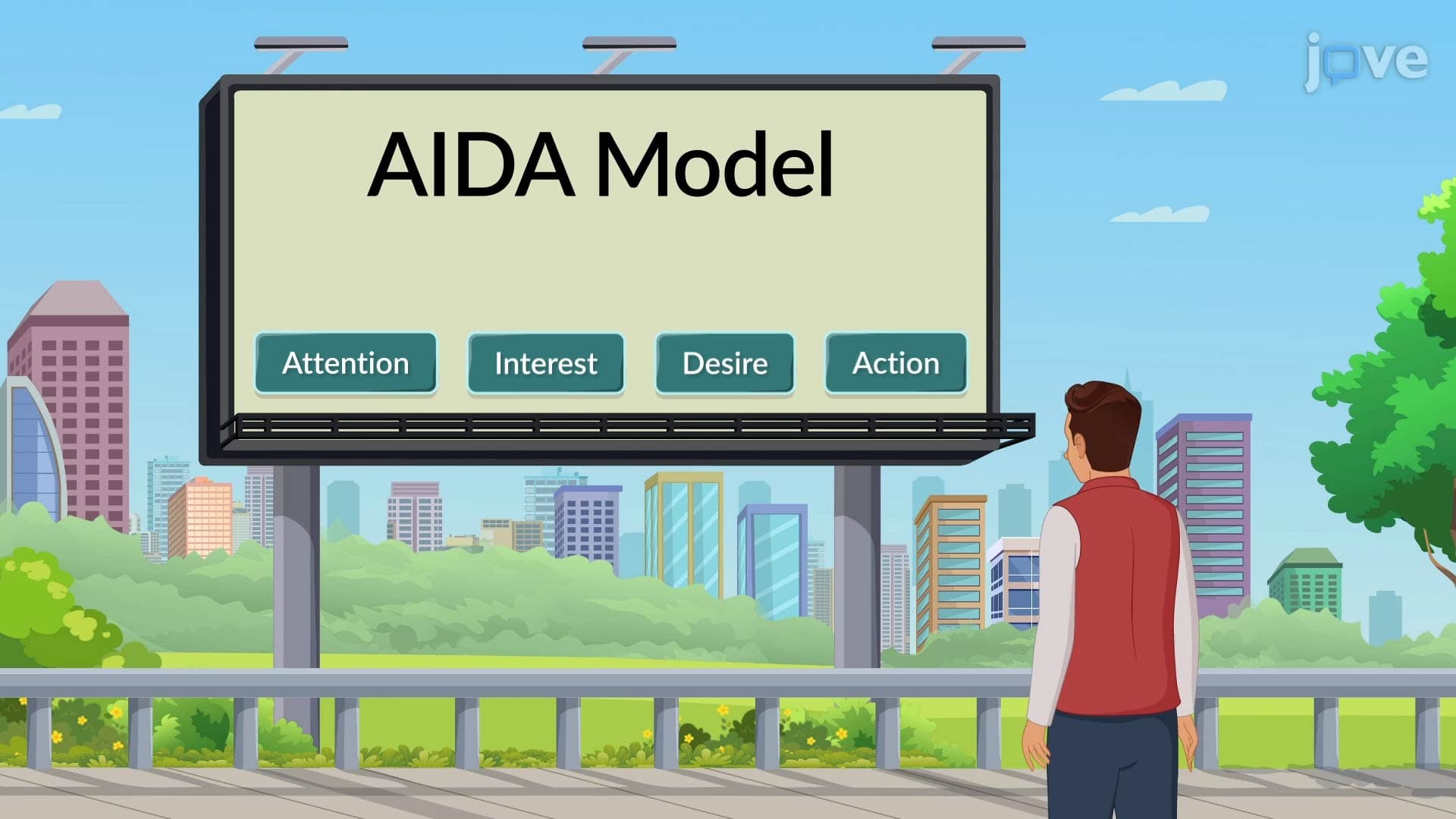
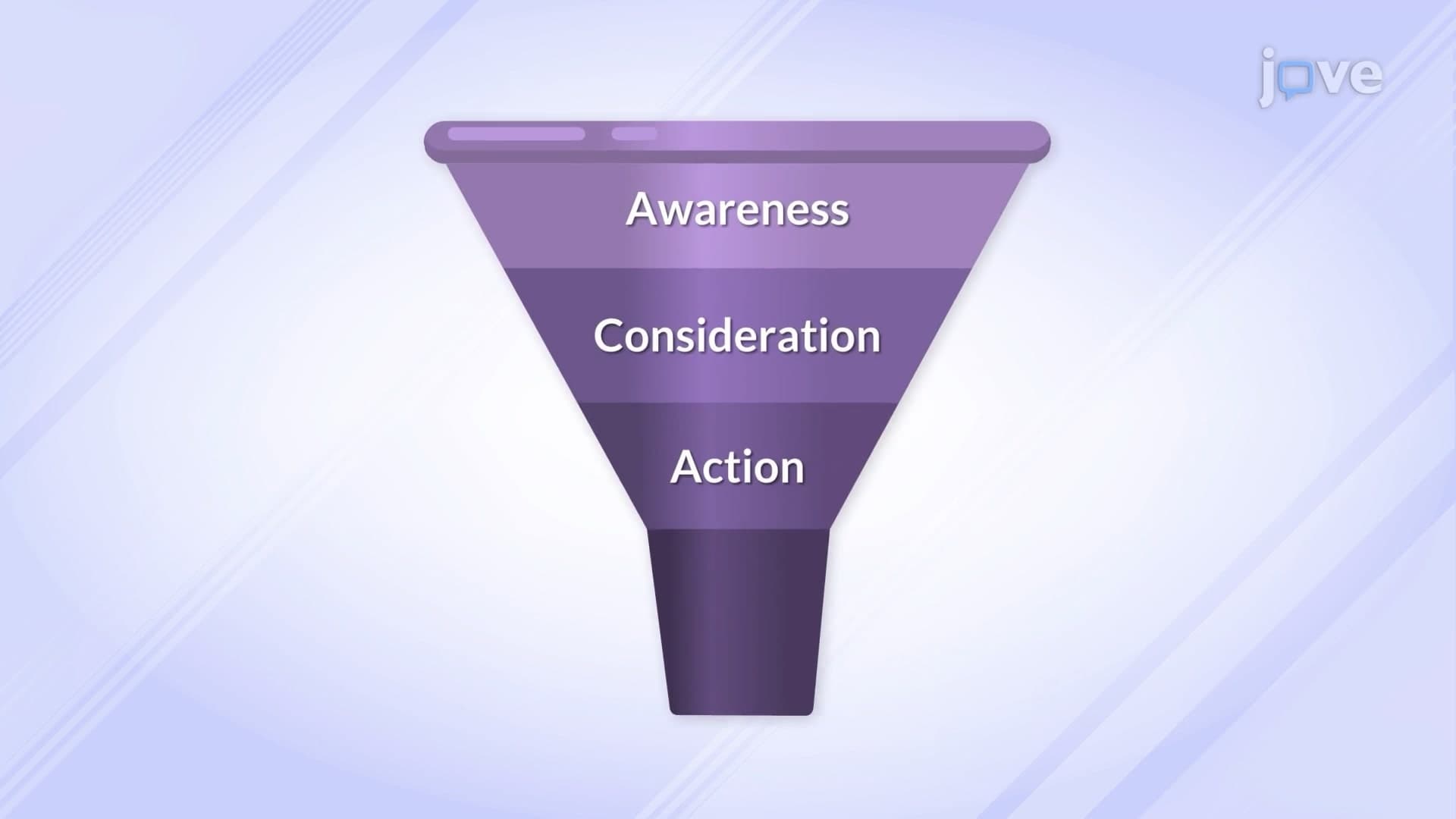
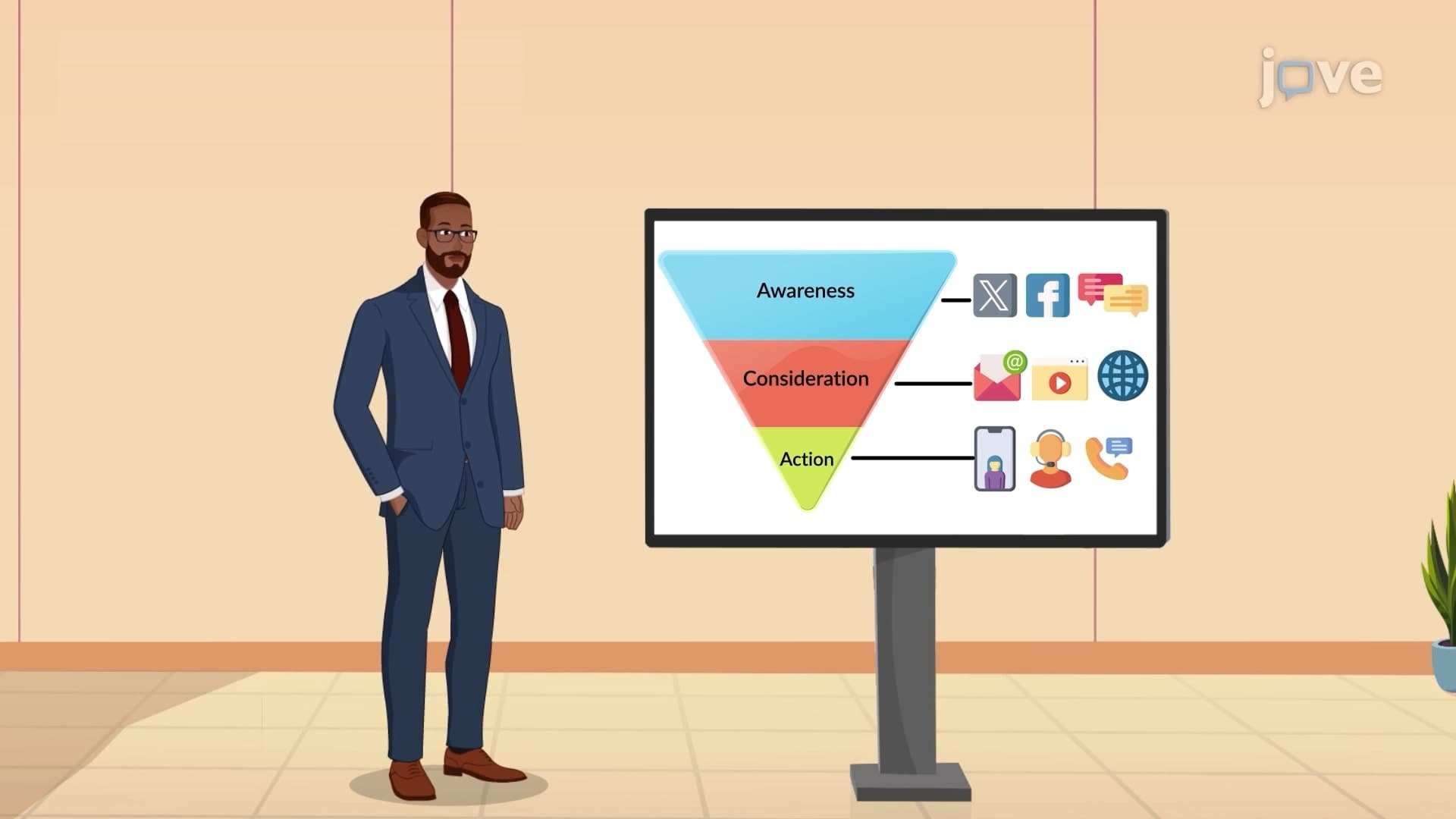
Message design represents where creativity meets strategy. The most effective campaigns create content that captures attention in crowded marketplaces, generates genuine interest among target prospects, builds desire that overcomes competitive alternatives, and prompts immediate action that drives revenue conversion. This isn't about artistic expression-it's about engineering predictable business outcomes through strategic communication.
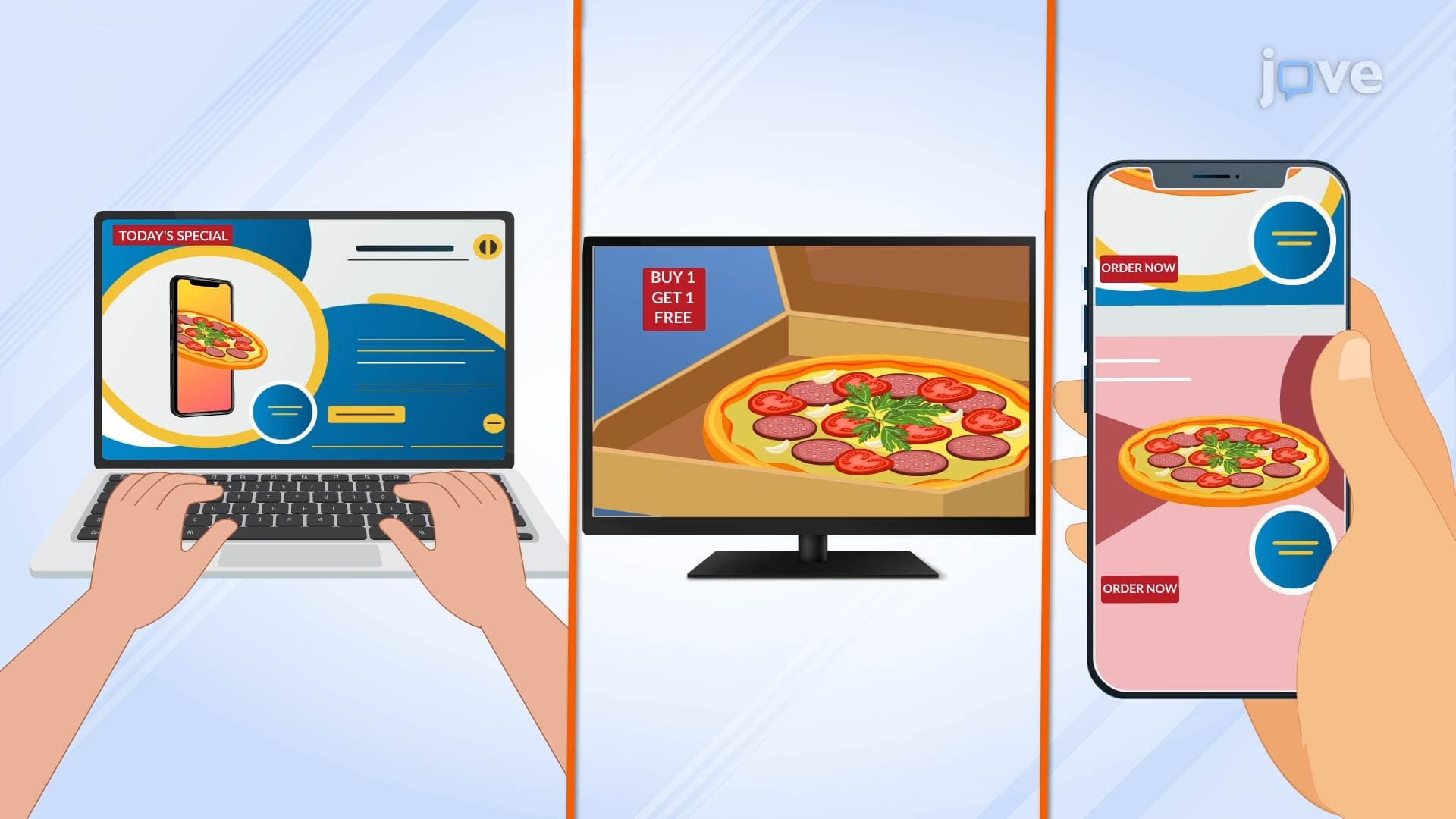
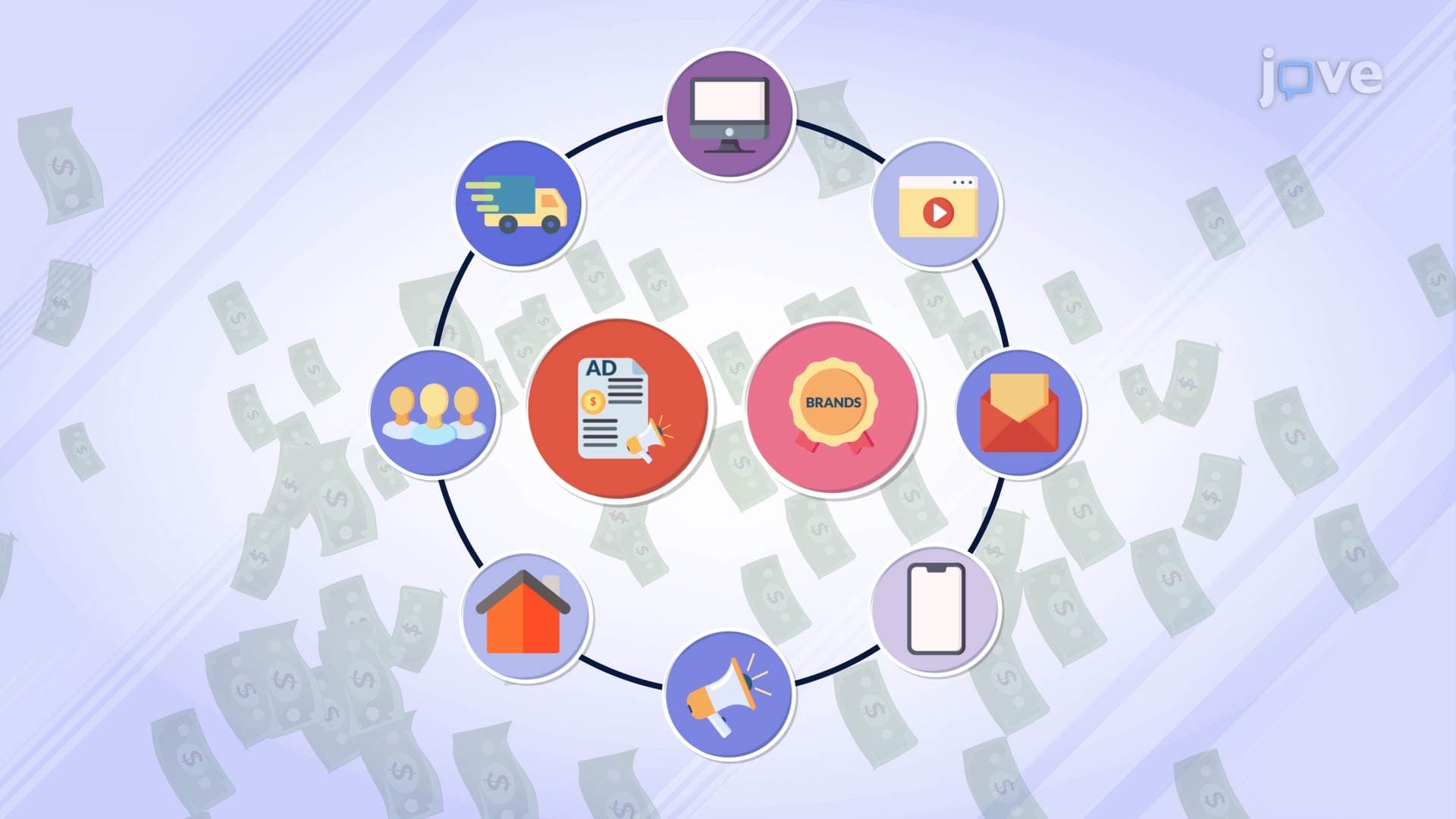
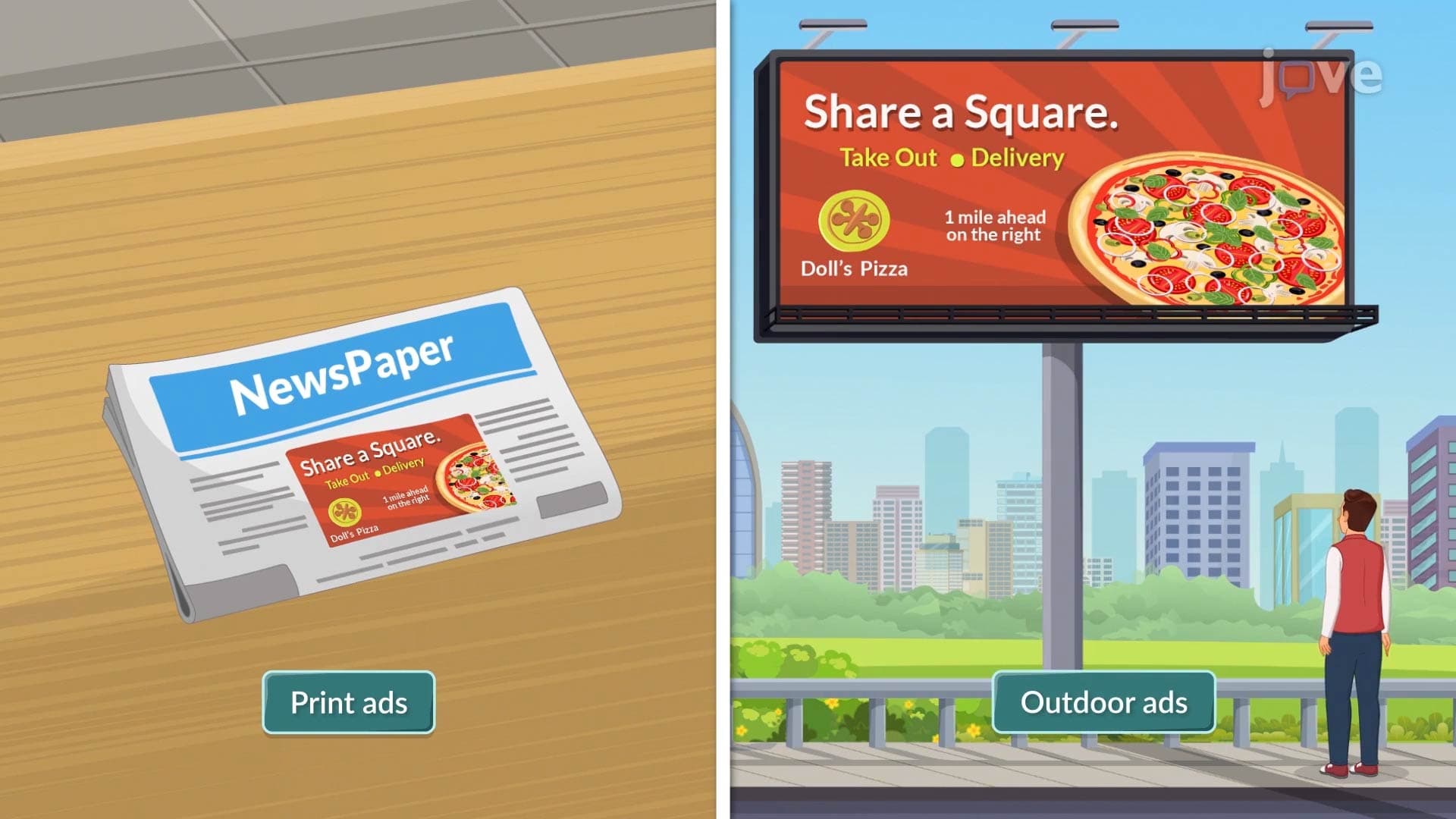
Modern media selection requires portfolio thinking. Just as investment managers diversify across asset classes, marketing professionals must balance traditional and digital channels based on audience behavior data and campaign objectives. Companies like Procter & Gamble excel at this multi-channel orchestration, adjusting media mix based on real-time performance analytics and market feedback.
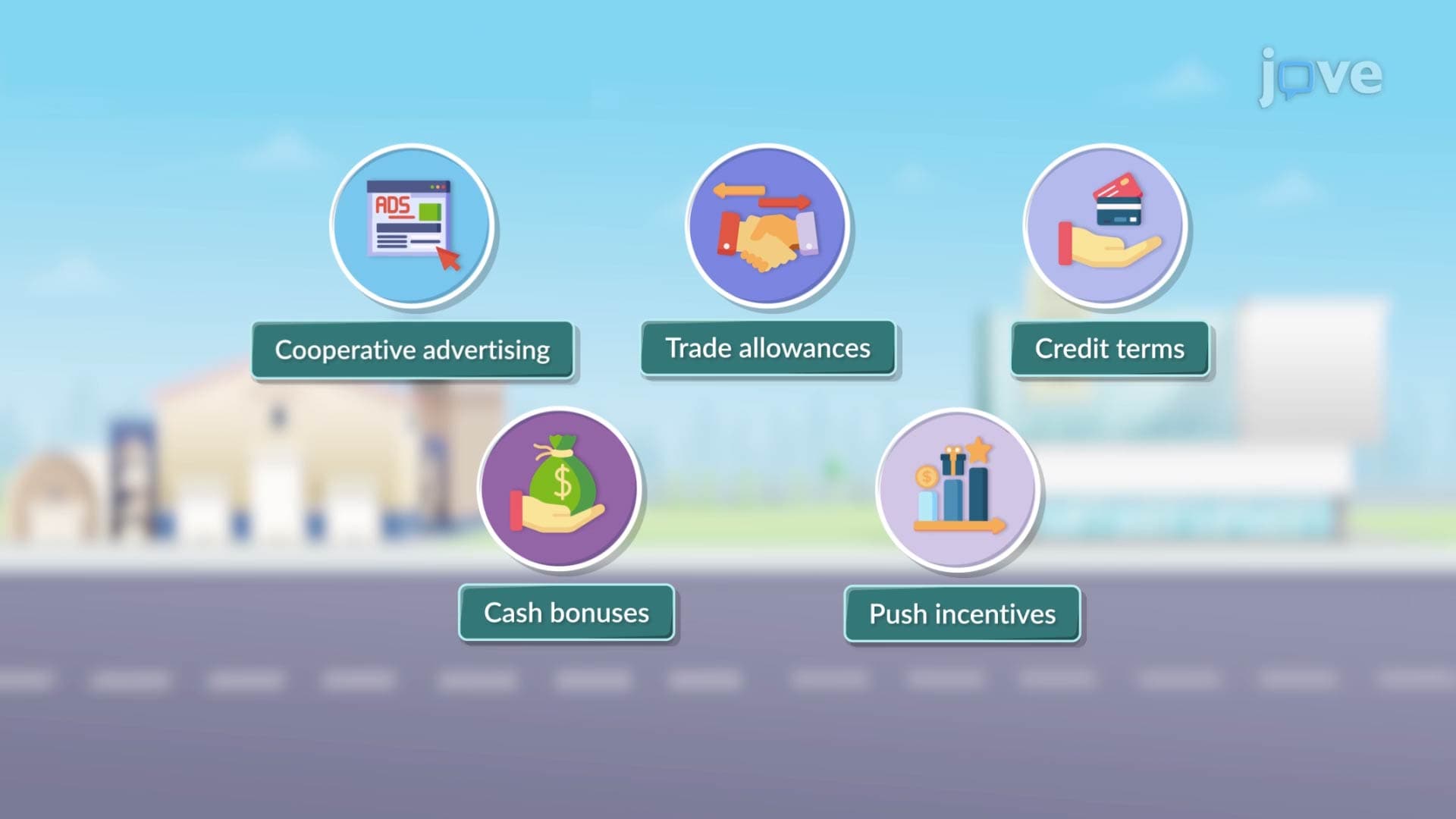
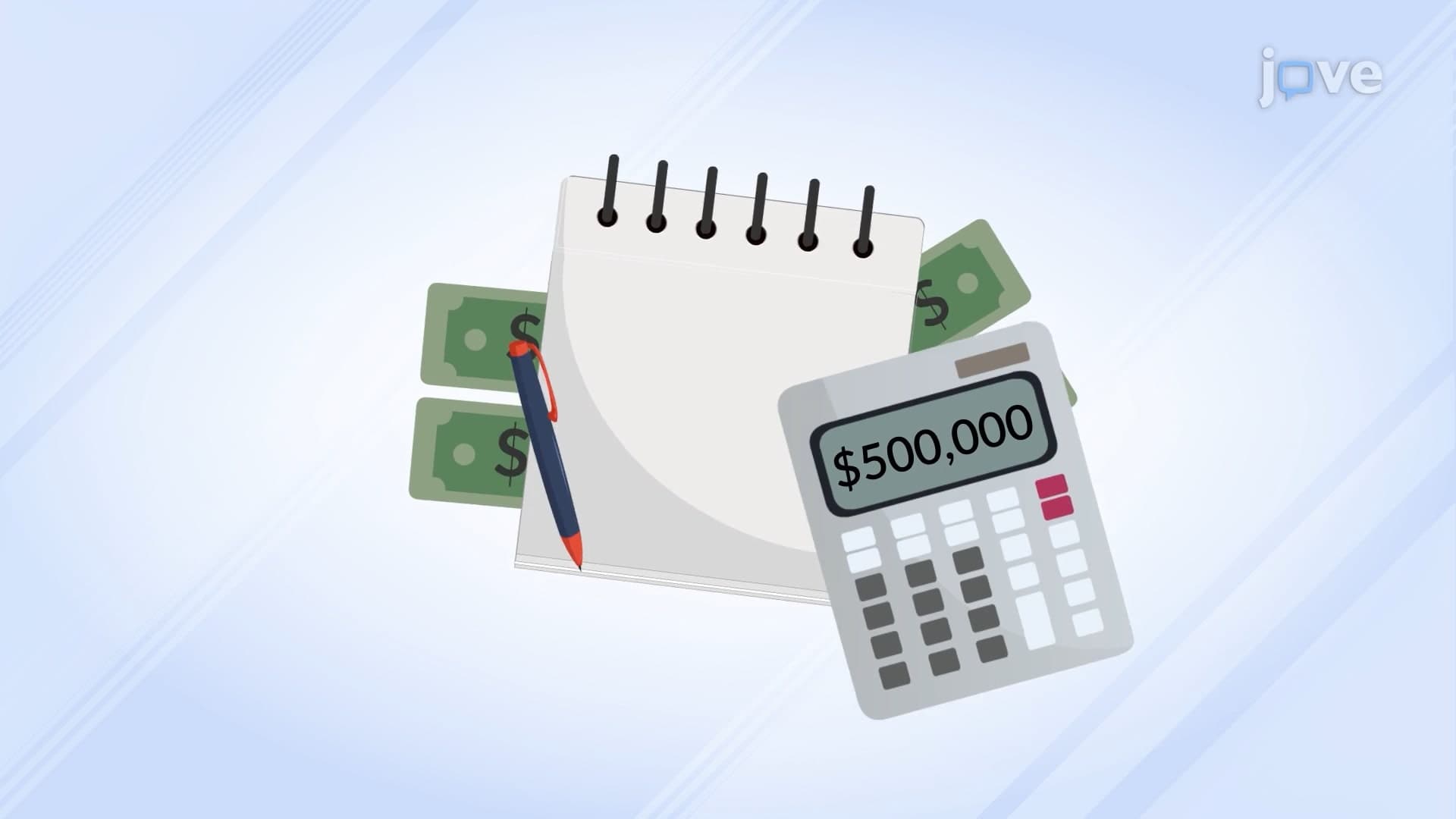
Budget allocation and promotional tool integration demand financial discipline combined with creative flexibility. The most successful implementations treat marketing communication as an investment portfolio, with clear ROI expectations for each channel and tactical adjustment based on performance data.
Related Micro-courses