Loading subject page…


11,405 views

Video Summary: What Is Integrated Marketing Communication
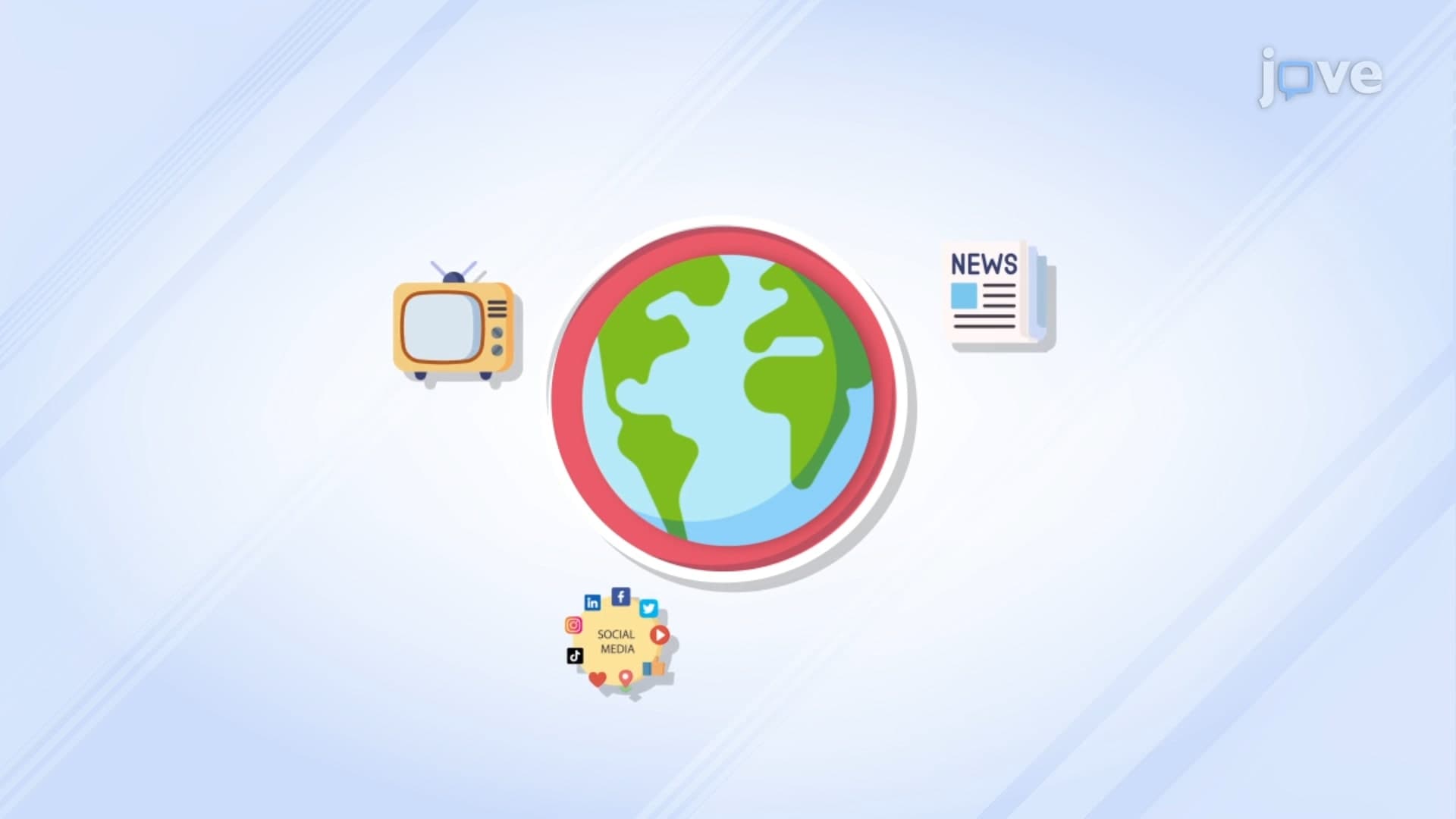
Modern marketers face fragmented customer touchpoints across digital and traditional channels, making message consistency a critical competitive advantage. Integrated marketing communication serves as the strategic framework that unifies diverse promotional channels-from television advertising to social media campaigns-ensuring cohesive brand messaging that drives measurable business results. Companies like Procter & Gamble leverage this approach across multiple platforms to build consumer confidence and trust, while maintaining consistent brand positioning that directly impacts market share and customer loyalty. Watch the full video on JoVE Coach to master this concept with expert-led visuals and step-by-step explanations.
Picture a Fortune 500 company launching a new product line while simultaneously running separate campaigns managed by different agencies-TV spots emphasizing premium quality, social media highlighting affordability, and sales teams pushing convenience features. This fragmented approach confuses customers and dilutes brand equity, costing companies millions in lost sales and market share.
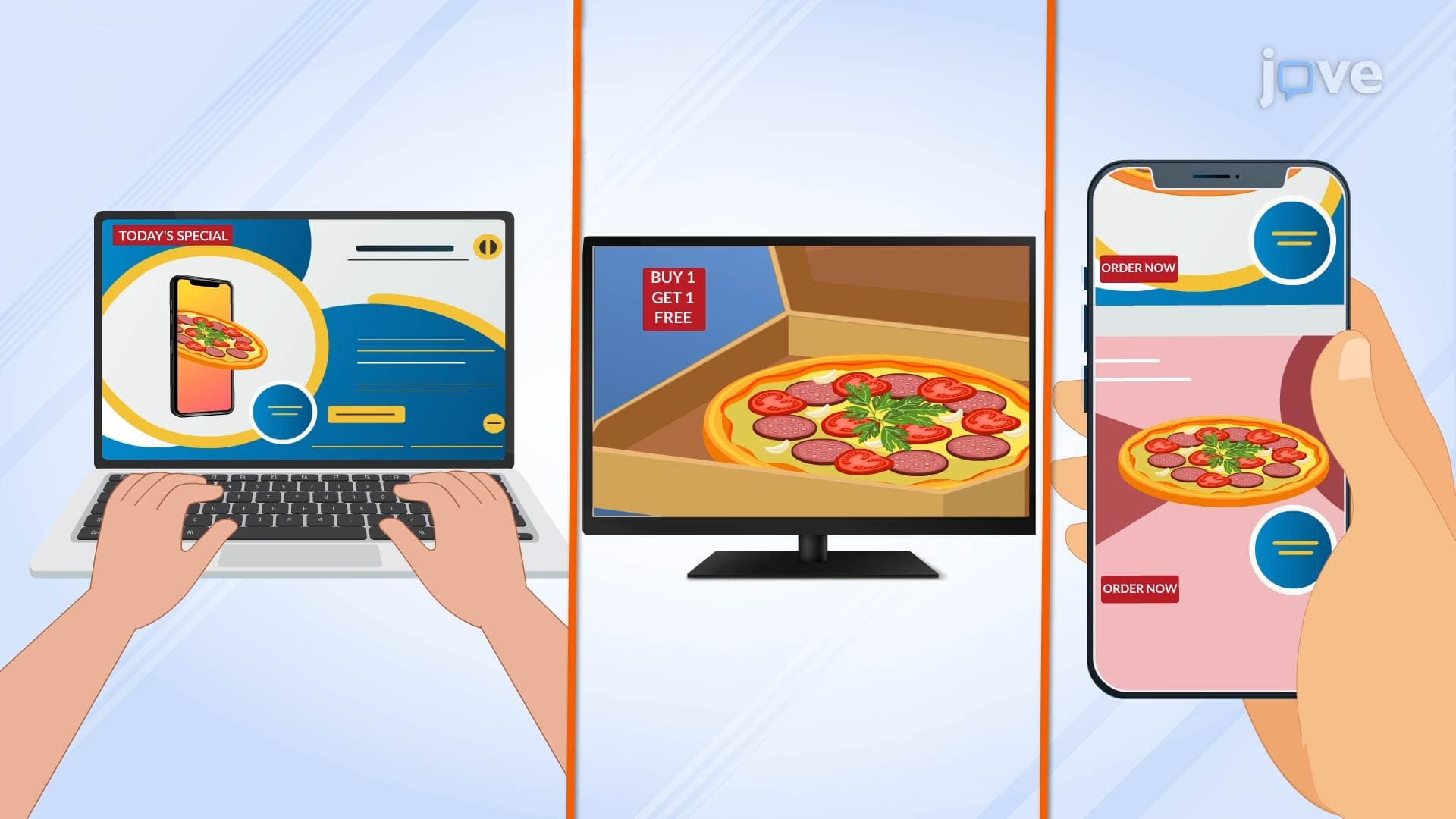
Integrated marketing communication eliminates this costly disconnect by strategically orchestrating all customer touchpoints to deliver unified, compelling messages that drive business results. This approach transforms marketing from a collection of isolated activities into a coordinated system that maximizes every dollar spent on customer acquisition and retention.
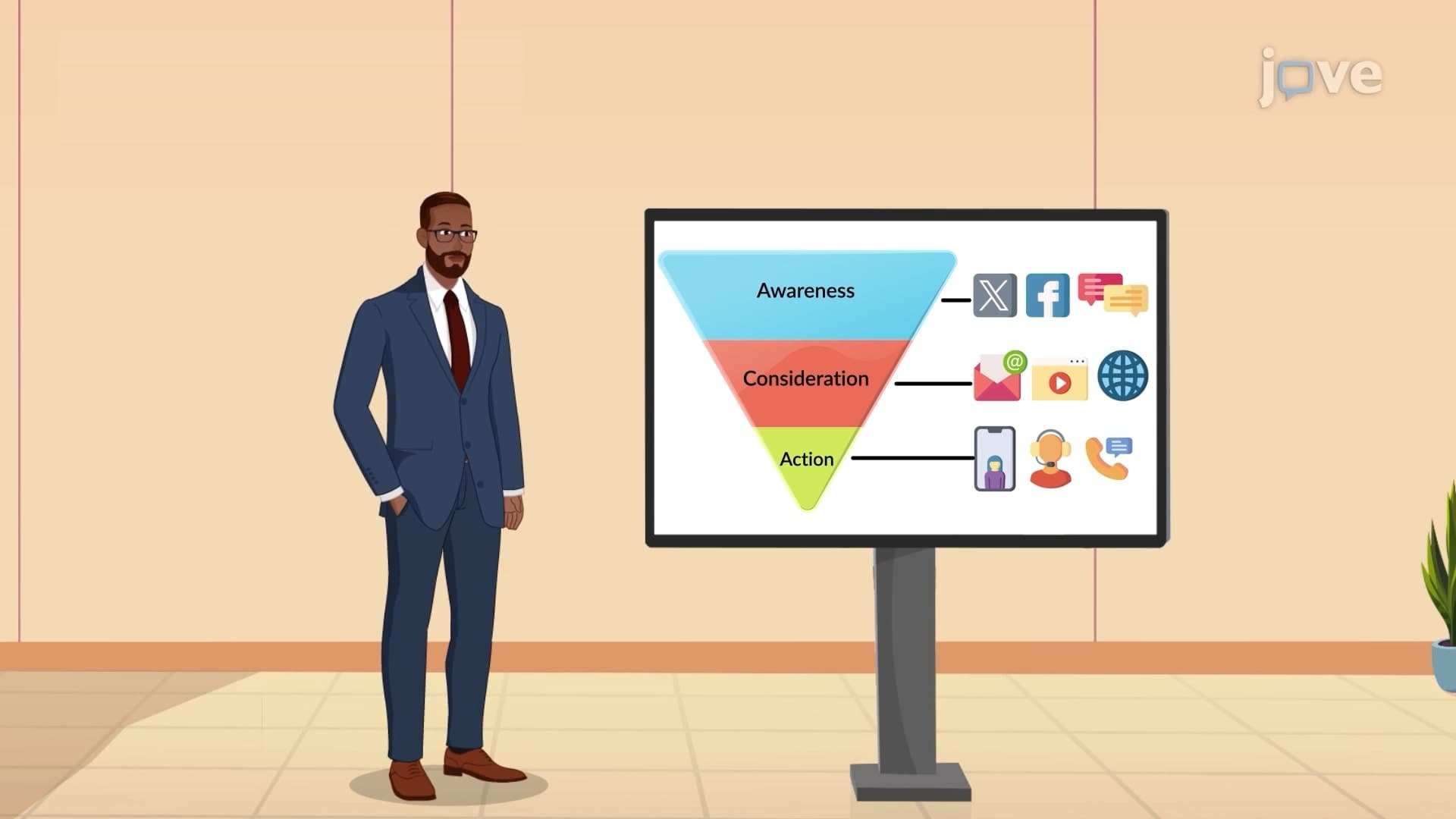
IMC operates on three fundamental principles that directly impact P&L performance. First, message consistency ensures that whether customers encounter your brand through a LinkedIn ad, trade show presentation, or customer service interaction, they receive identical value propositions and brand positioning. Second, channel optimization leverages each platform's unique strengths while maintaining thematic unity-using television for broad awareness building while deploying targeted digital campaigns for conversion optimization.
Third, timing synchronization coordinates campaign launches across channels to create market momentum rather than competing for internal attention. When Apple launches a new iPhone, their television commercials, retail displays, online advertising, and PR efforts launch simultaneously with identical messaging themes, creating an unavoidable market presence that competitors struggle to counter.
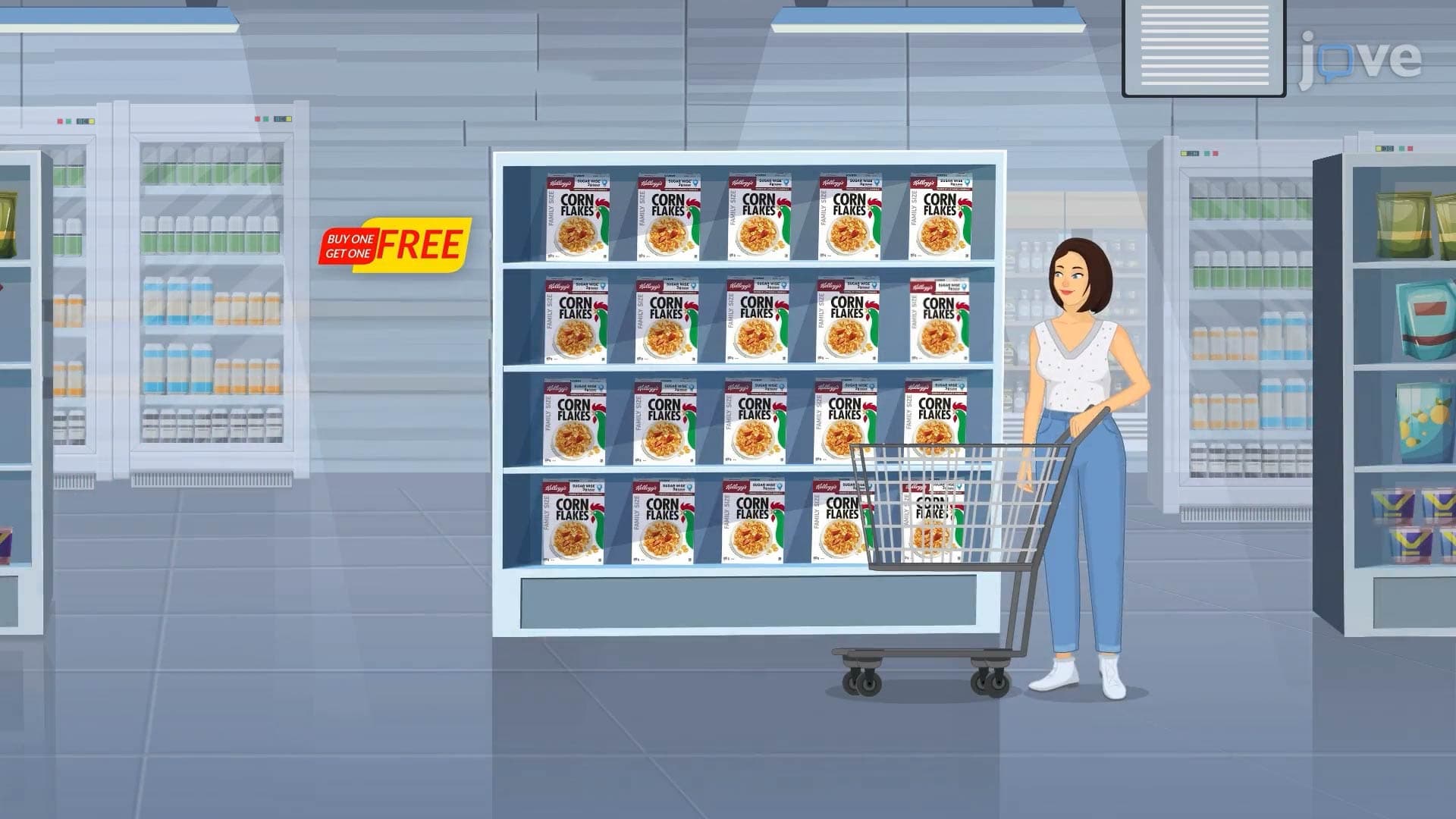
Different sectors require distinct IMC approaches based on purchase cycles and customer decision-making processes. Consumer packaged goods companies like General Mills use integrated campaigns combining mass media awareness with point-of-purchase promotions and digital sampling programs. Their approach coordinates broad-reach television advertising with targeted social media content and retailer partnerships to drive both brand awareness and immediate sales conversion.
B2B technology companies like Microsoft employ IMC differently, integrating thought leadership content, trade publication advertising, conference presentations, and direct sales outreach to build credibility throughout lengthy enterprise sales cycles. Their integrated approach ensures consistent messaging whether prospects encounter Microsoft through industry white papers, LinkedIn advertising, or direct sales presentations.
Successful IMC implementation requires sophisticated measurement frameworks that track cross-channel attribution and campaign synergies. Leading organizations establish unified customer data platforms that monitor how television advertising influences digital engagement, or how content marketing affects sales team conversion rates. This data-driven approach enables marketing leaders to demonstrate clear connections between integrated campaigns and revenue growth, securing continued investment in comprehensive communication strategies.
Related Micro-courses