Loading subject page…


11,405 views
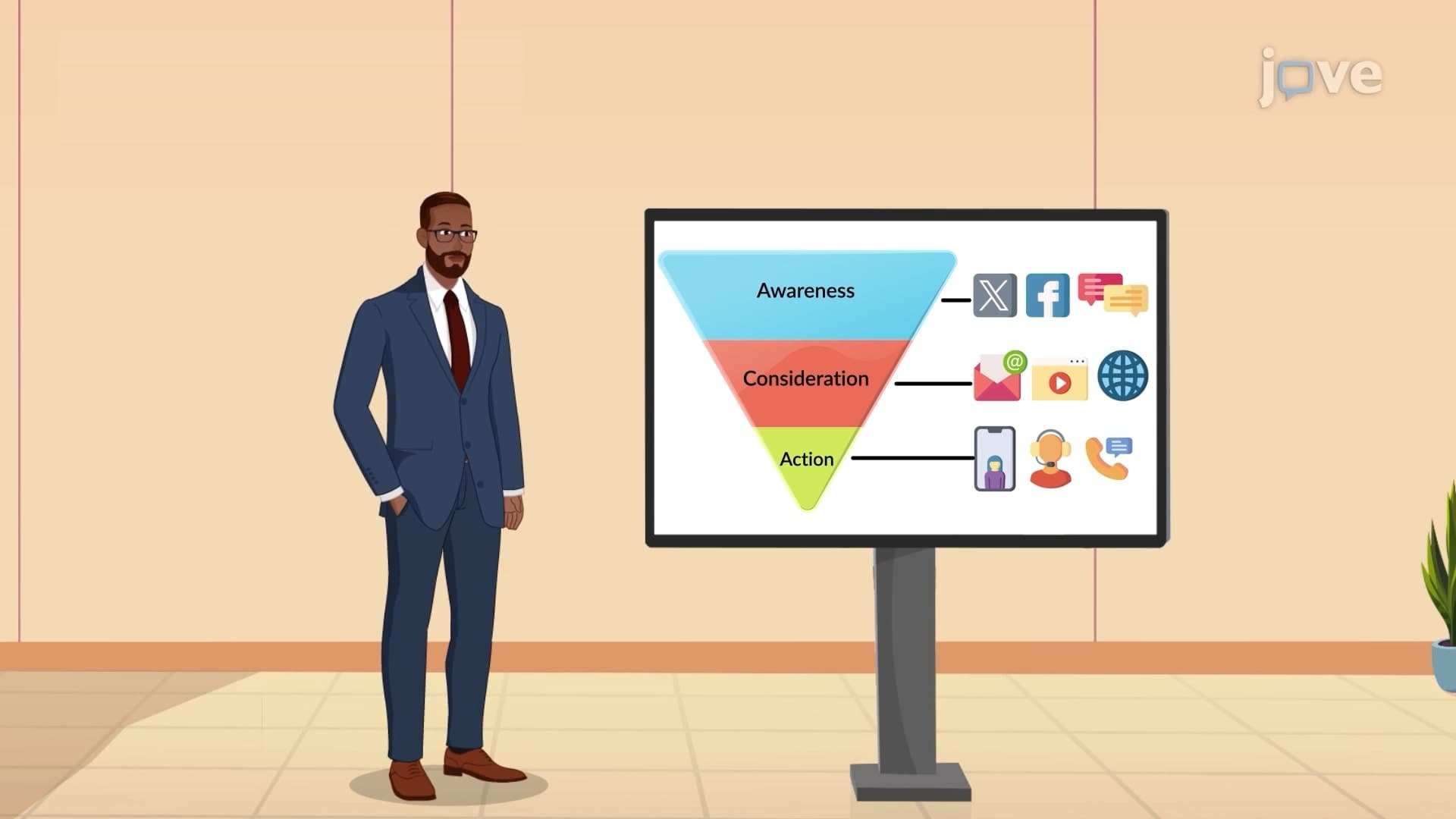

Video Summary: What Is Marketing Funnel Application
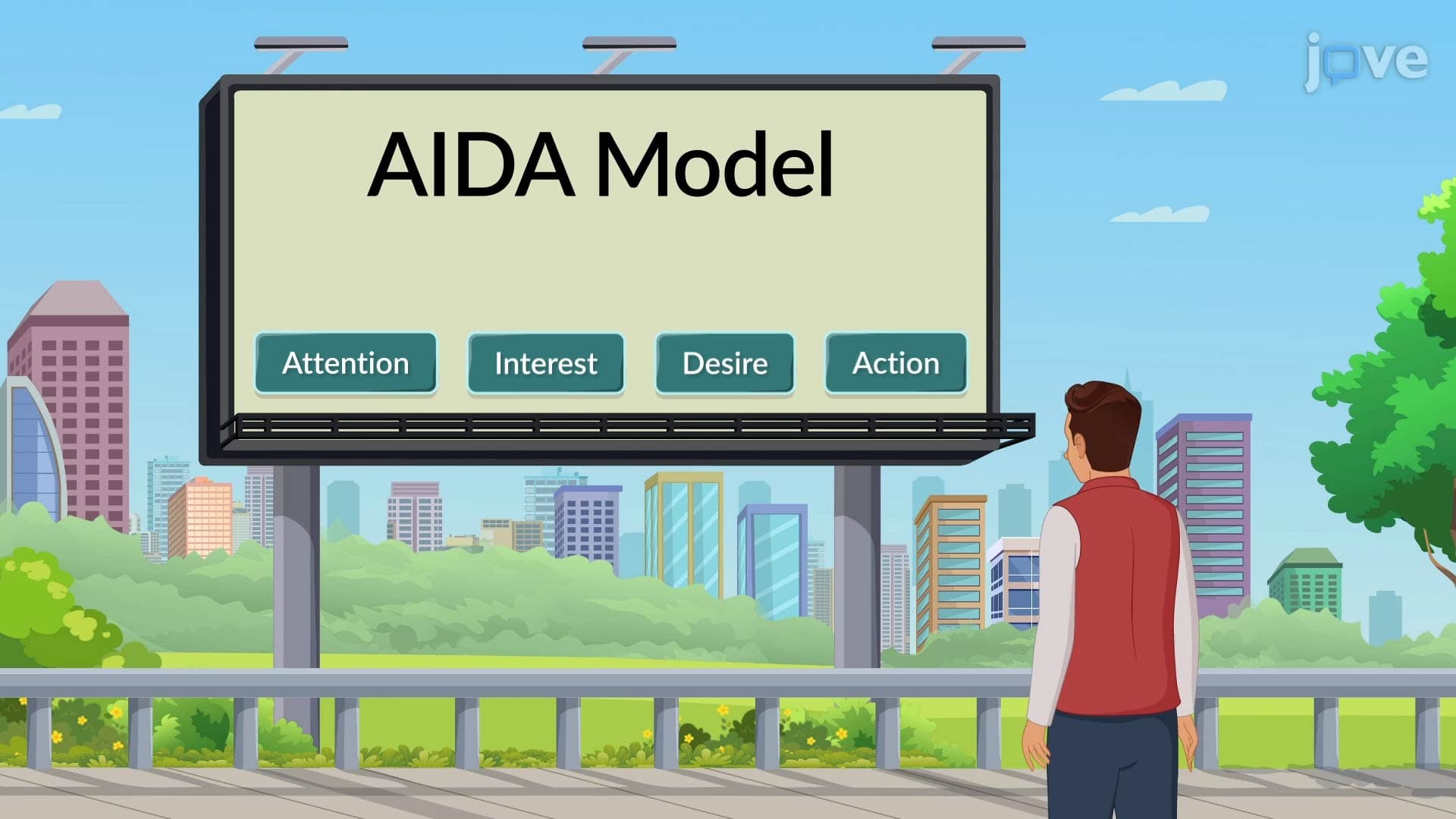
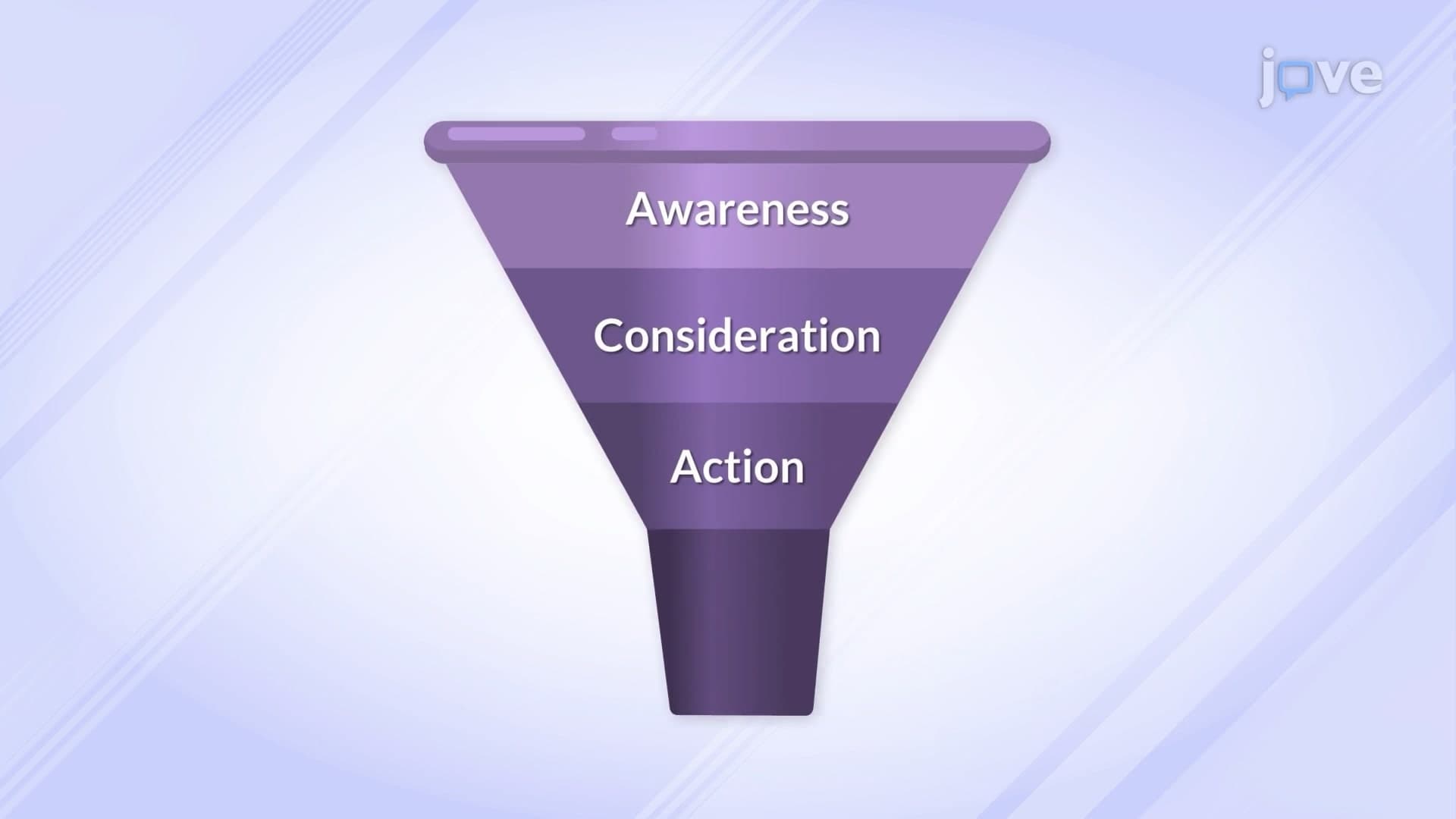
Marketing funnel application serves as the strategic framework that determines optimal media selection and resource allocation at each customer journey stage. Companies like Target demonstrate effective marketing funnel application by using broad-reach channels for awareness (national TV campaigns), targeted digital retargeting for consideration, and personalized mobile offers for conversion. This systematic approach ensures marketing dollars generate maximum ROI while guiding prospects through awareness, consideration, and action phases. Watch the full video on JoVE Coach to master this concept with expert-led visuals and step-by-step explanations.
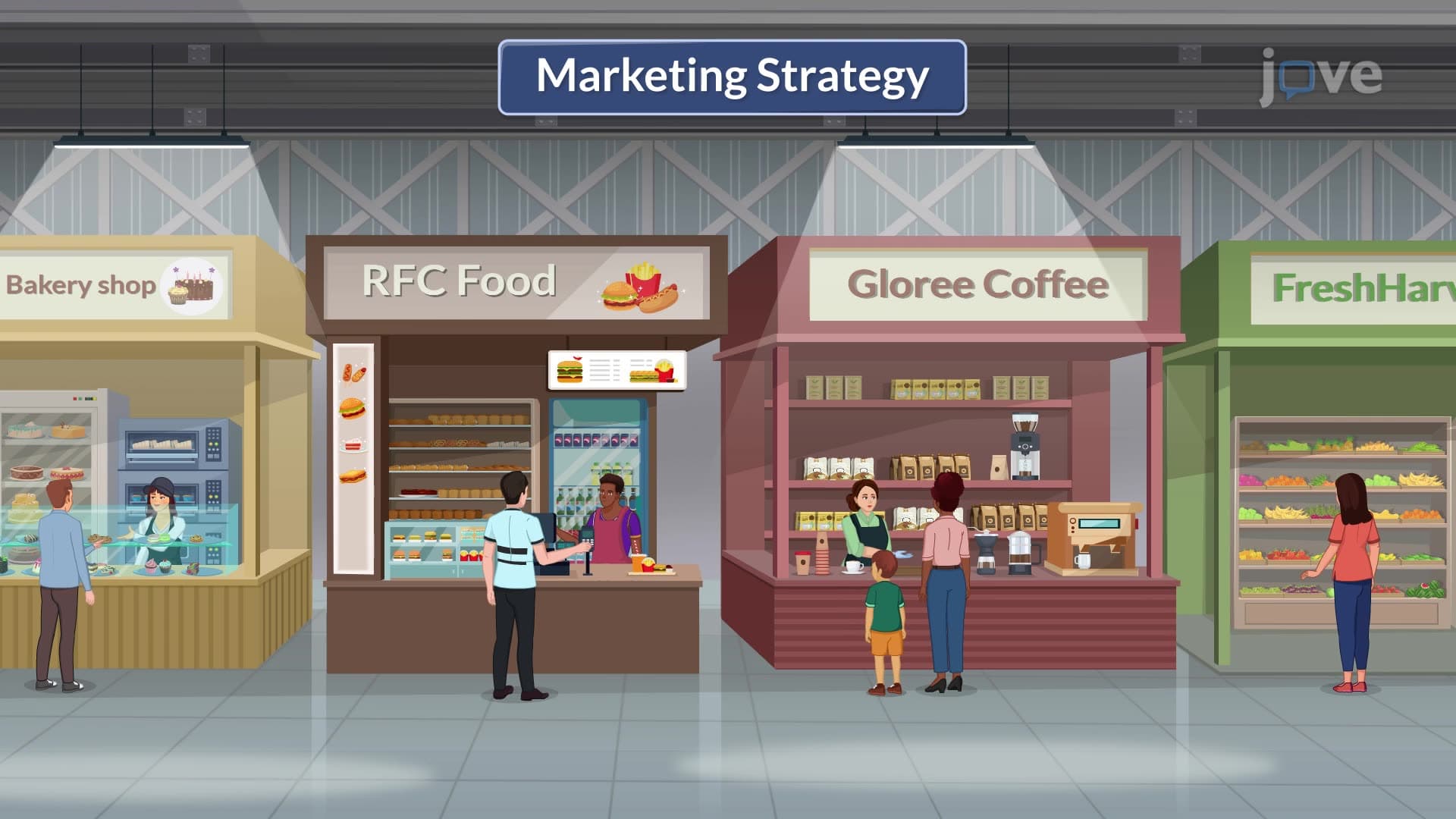
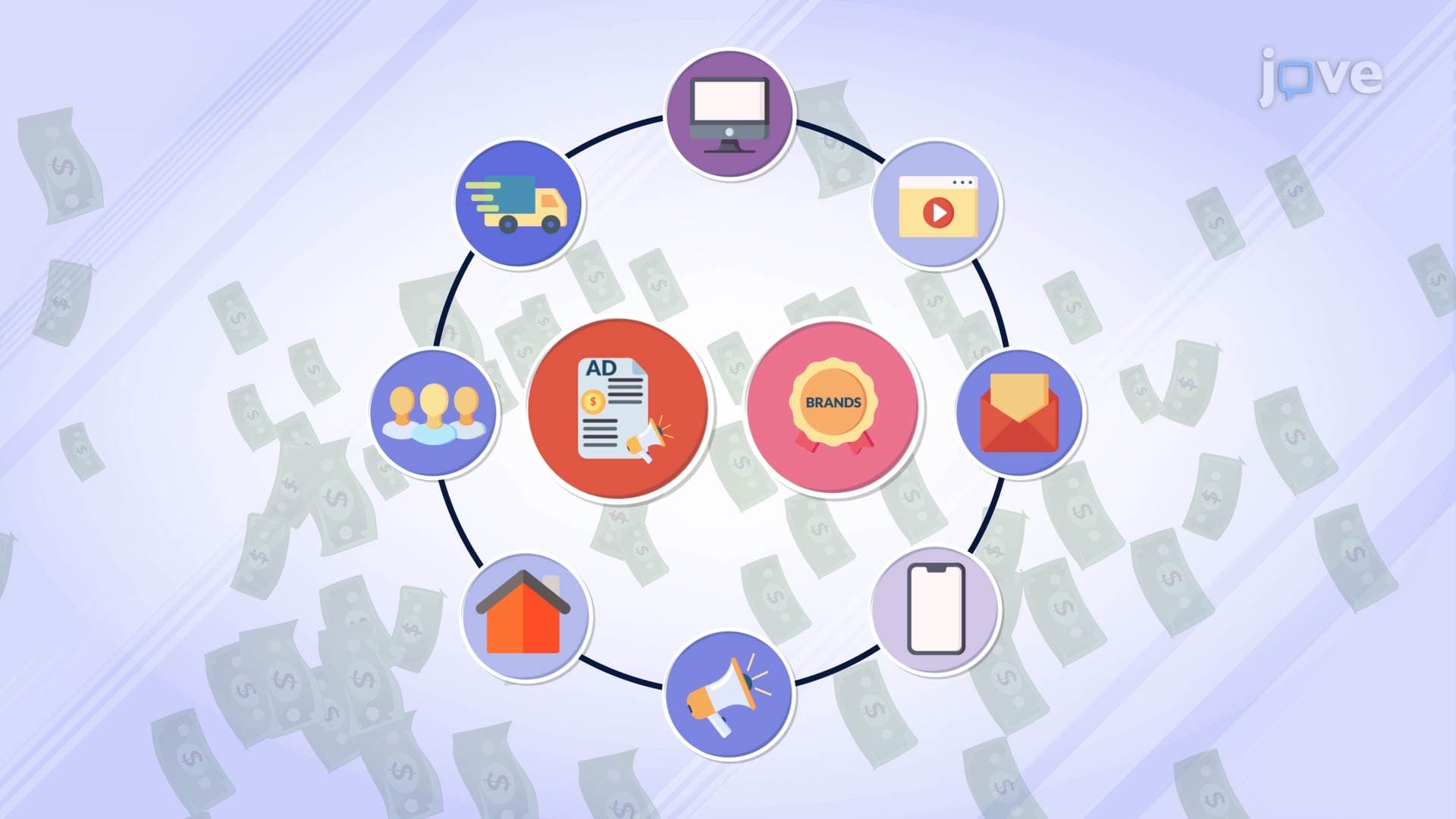
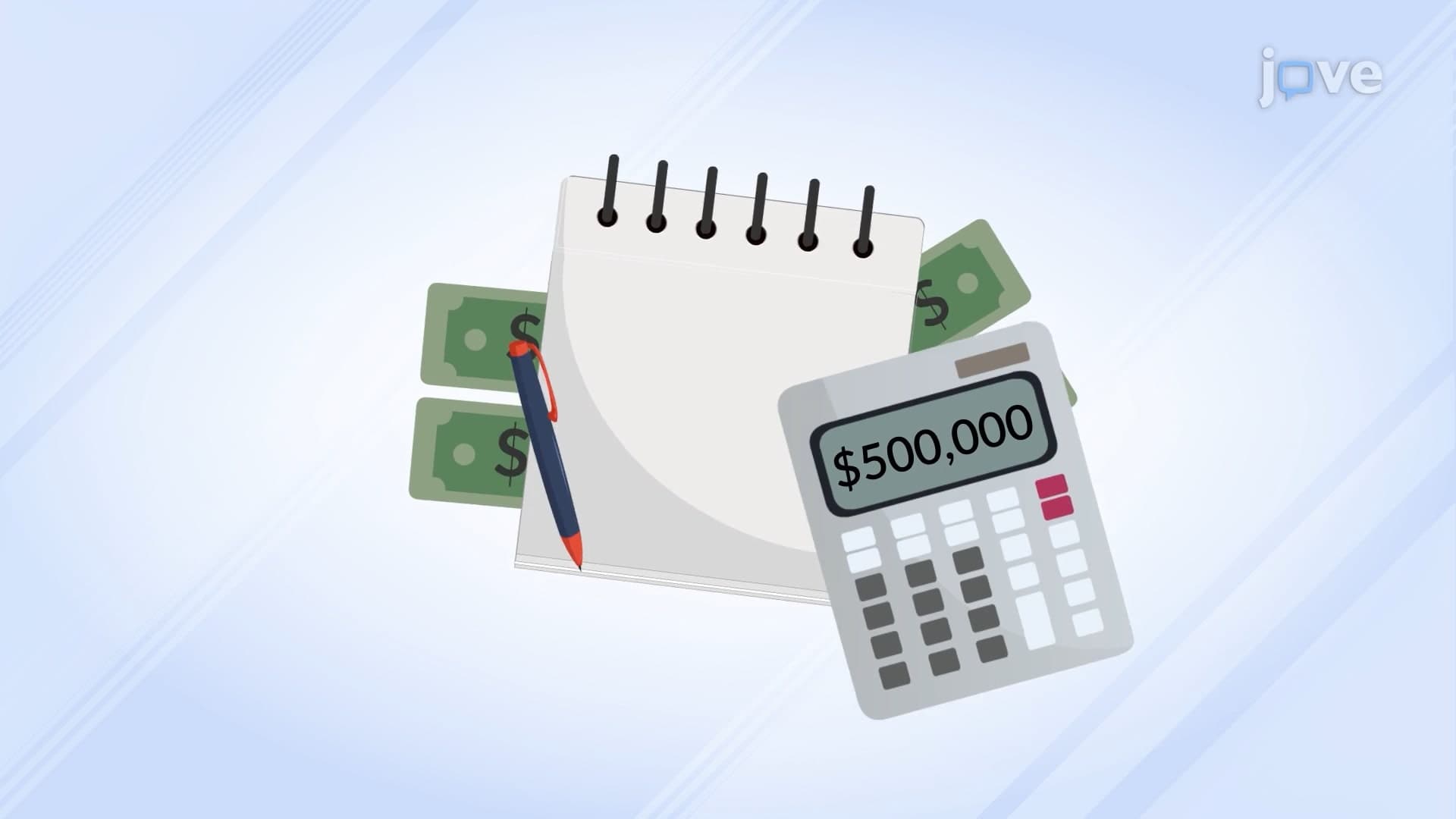
When Best Buy's marketing team allocates their $2.3 billion annual marketing budget, they rely on marketing funnel application to determine where each dollar delivers maximum impact. This strategic framework guides media selection and customer engagement tactics across three critical stages: awareness, consideration, and action.
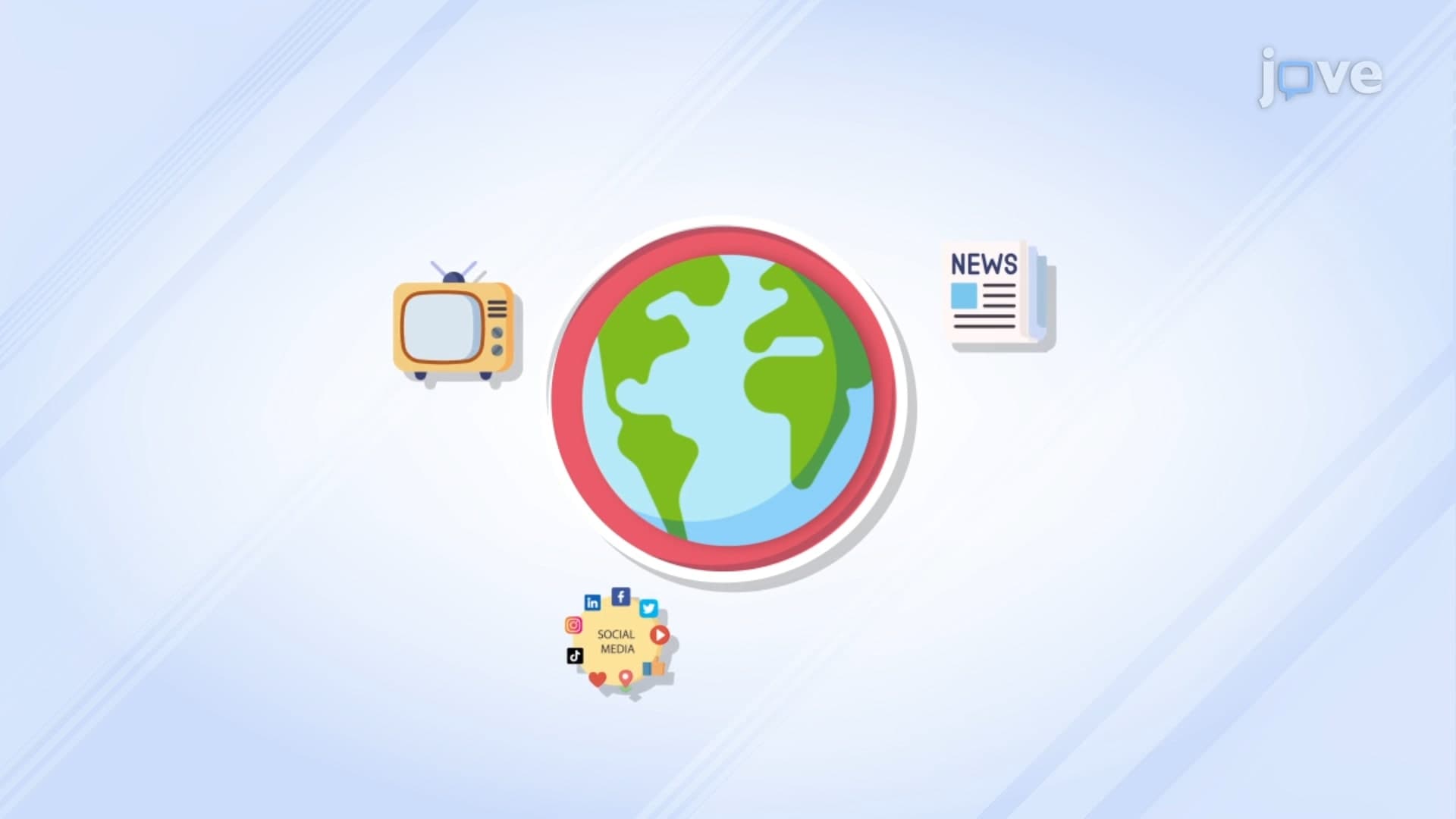
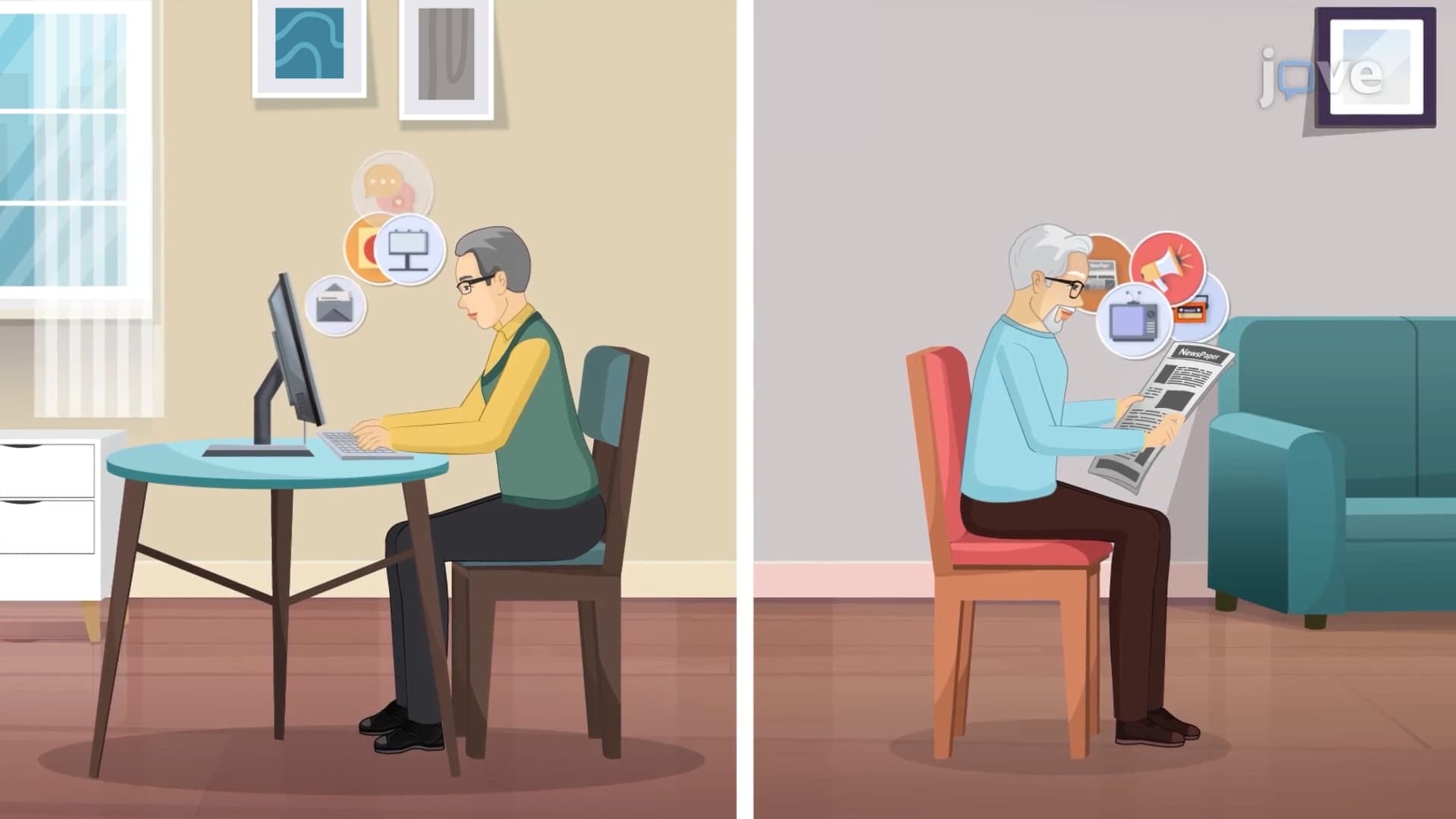
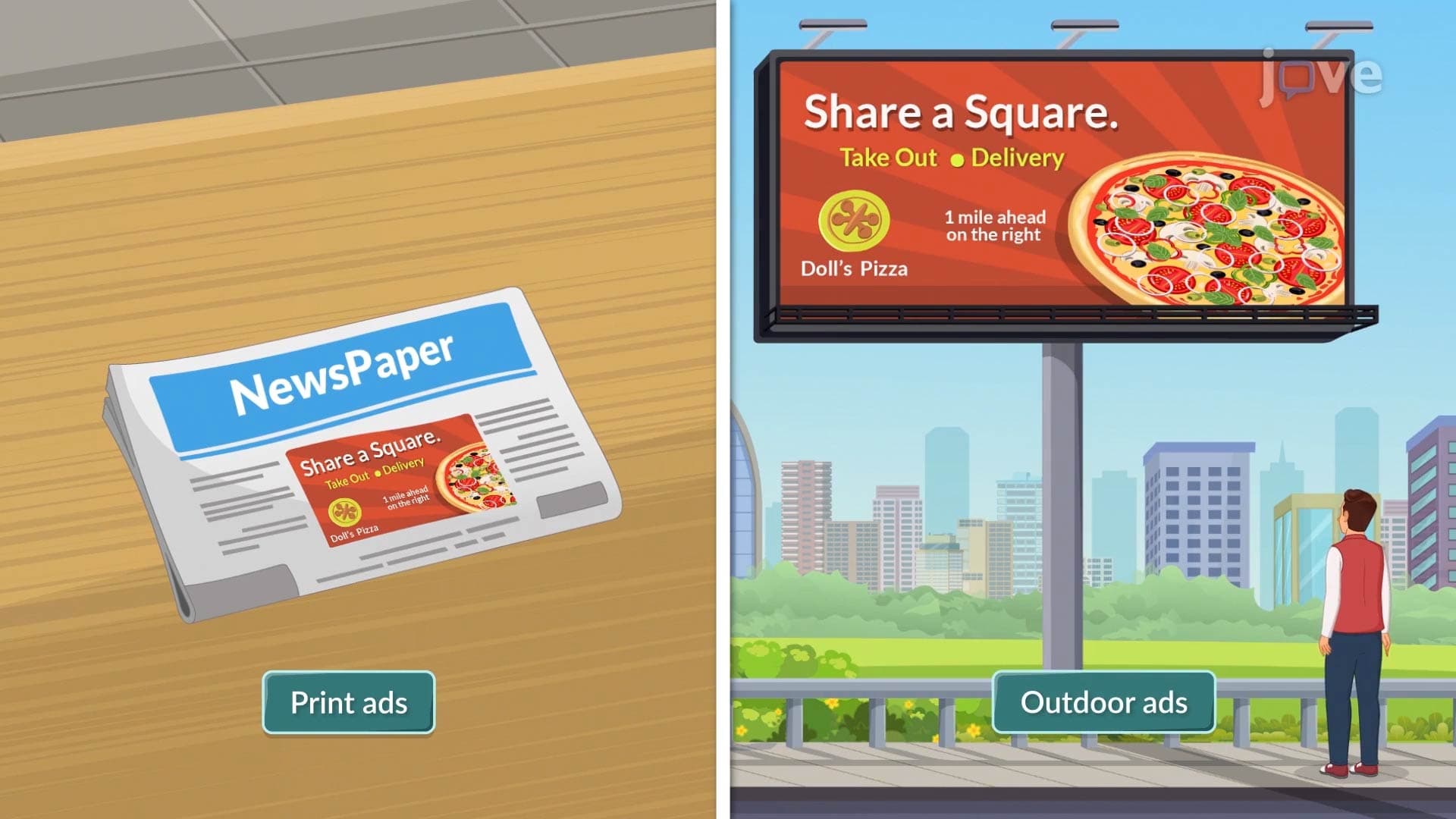
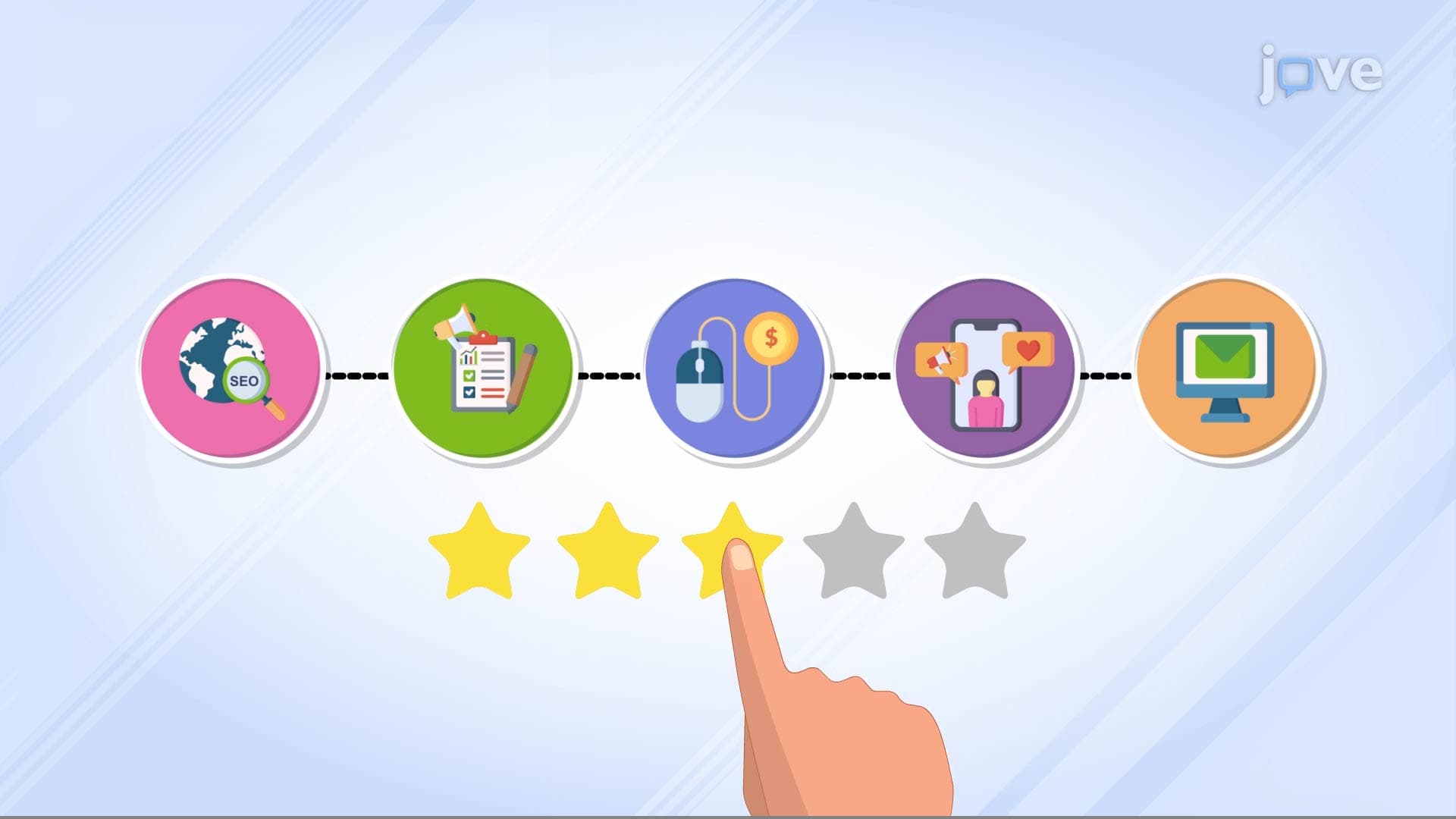
At the awareness stage, marketing funnel application focuses on broad-reach media that maximizes brand exposure among target demographics. Companies like Home Depot invest heavily in national television advertising, digital display campaigns, and local radio sponsorships to capture attention during peak home improvement seasons. The key principle involves casting a wide net through diverse channels-social media advertising, search engine marketing, outdoor billboards, and content marketing-to ensure brand visibility when customers first recognize a need.
Smart marketers analyze customer data to determine which channels generate the highest-quality awareness. For instance, a SaaS company might discover that LinkedIn advertising produces more qualified leads than Facebook, leading to budget reallocation decisions that directly impact quarterly performance.
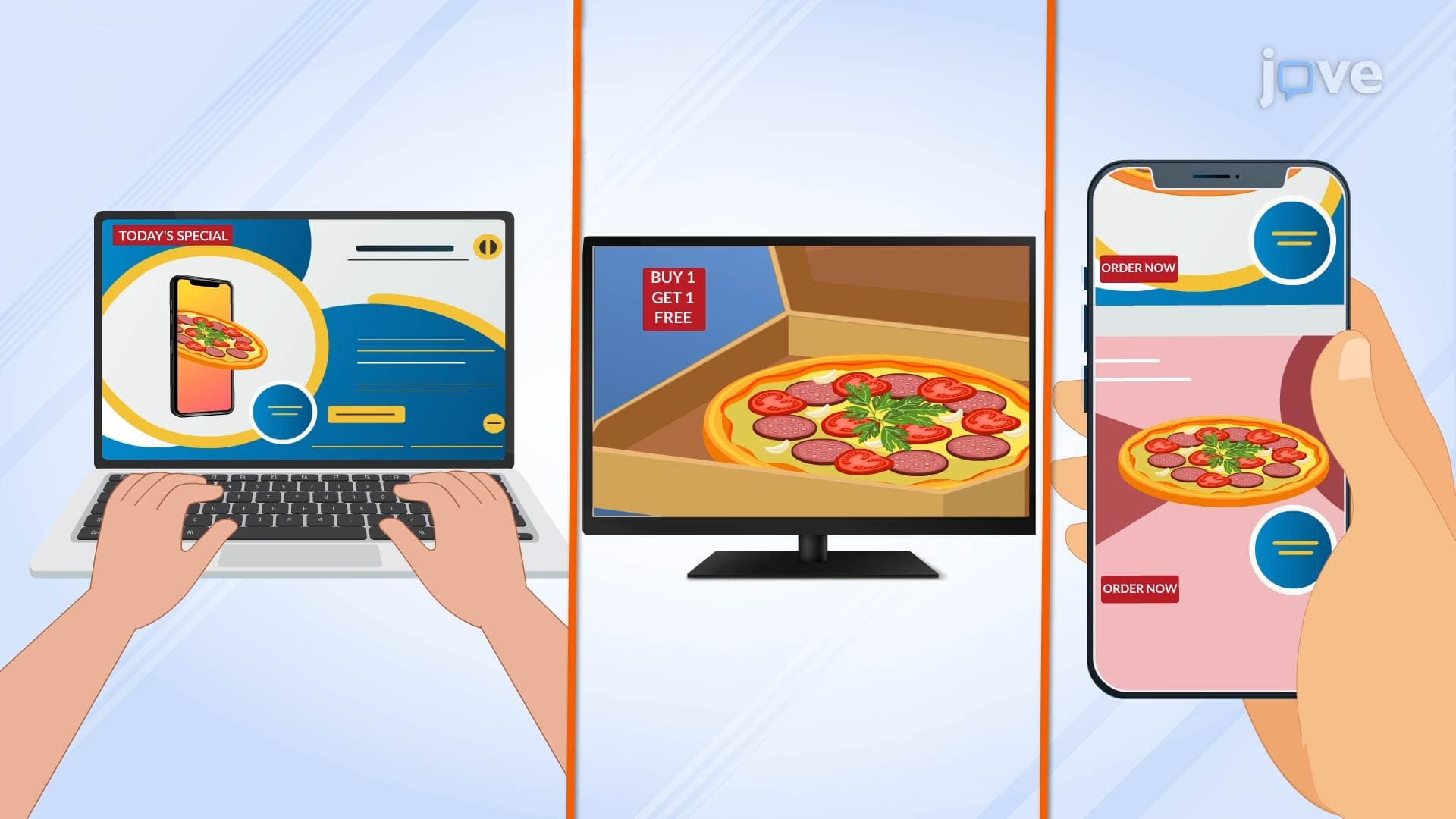
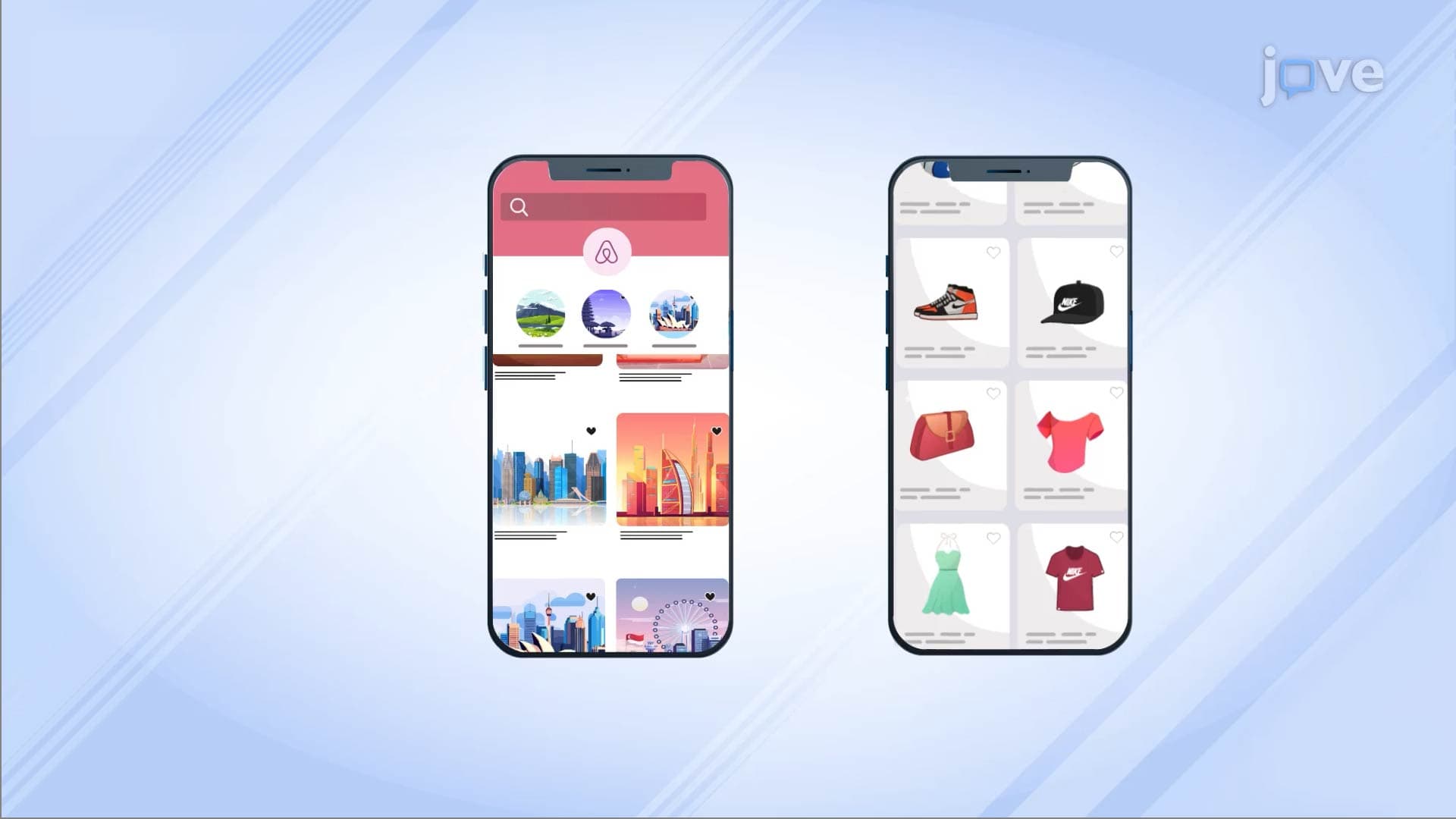
Once prospects enter the consideration phase, marketing funnel application shifts toward more targeted, personalized approaches. Amazon exemplifies this through sophisticated retargeting campaigns that serve specific product recommendations based on browsing behavior. Email marketing sequences, influencer partnerships, and detailed product comparisons become primary tools for nurturing interest.
Professional services firms often leverage thought leadership content, case studies, and webinar series to demonstrate expertise during this critical stage. The goal transitions from awareness to establishing credibility and positioning against competitors.
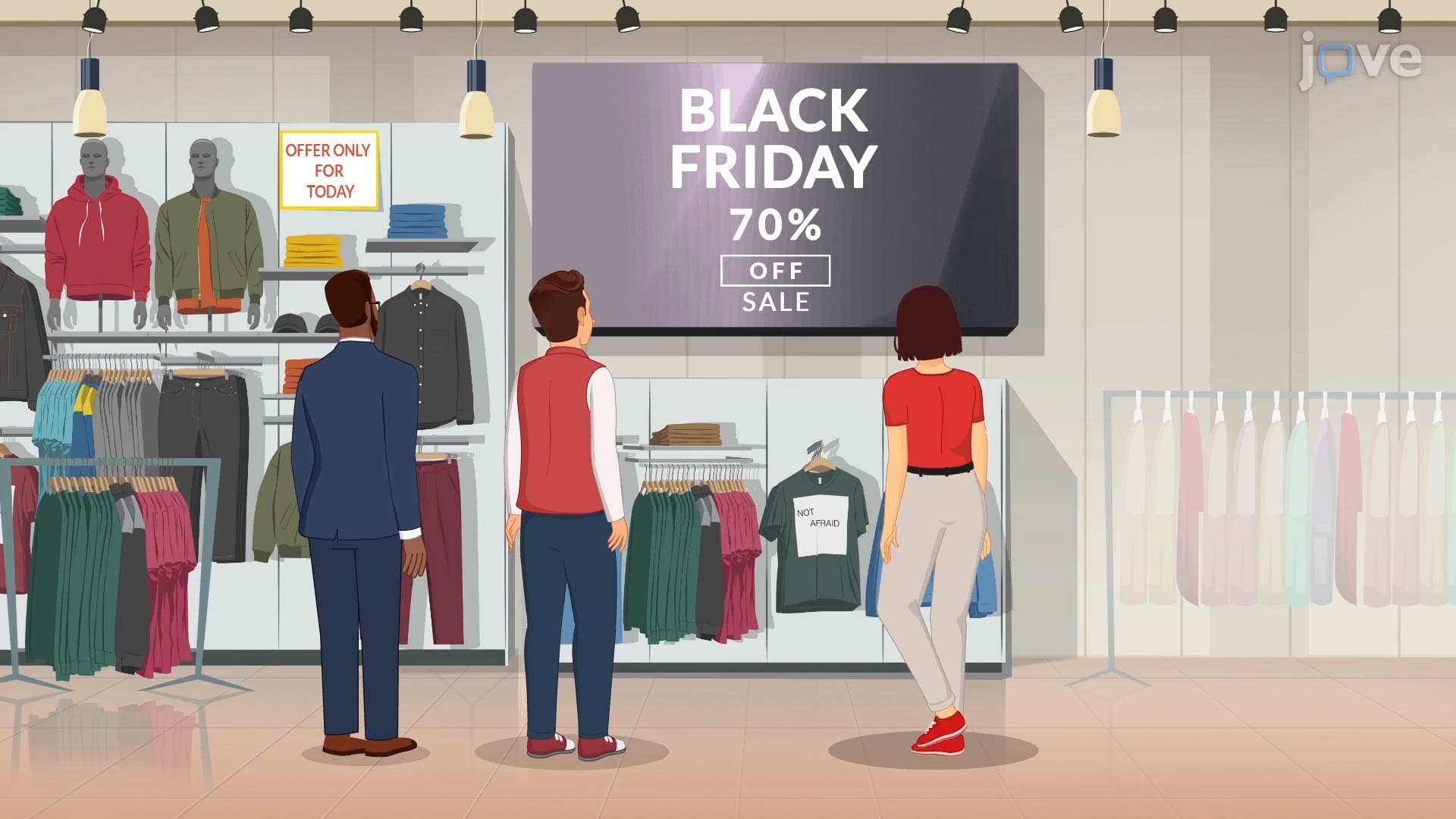
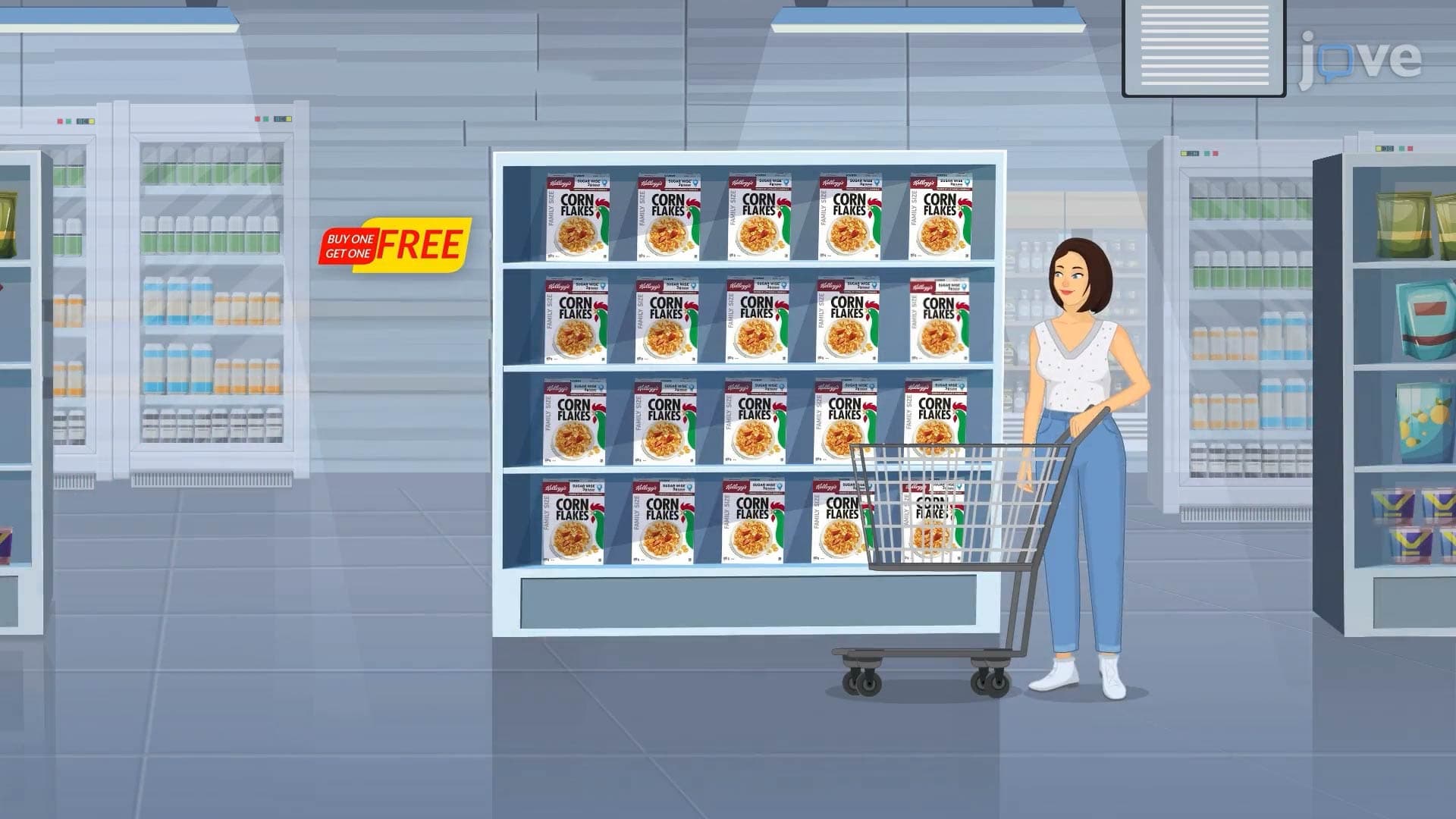
The action stage represents where marketing funnel application directly impacts P&L performance. Companies implement conversion-optimized landing pages, streamlined checkout processes, limited-time offers, and live chat support to remove purchase barriers. Salesforce revolutionized this approach by creating seamless trial-to-purchase experiences supported by dedicated customer success teams.
Post-purchase, marketing funnel application extends into retention strategies-loyalty programs, upselling campaigns, and customer advocacy initiatives that transform single transactions into long-term customer relationships. This comprehensive approach ensures marketing investments generate sustained revenue growth rather than one-time sales spikes.
Related Micro-courses