Loading subject page…


11,405 views

Video Summary: What Is Online Marketing I
In today's digital-first economy, online marketing has become the cornerstone of competitive business strategy, with 84% of US companies increasing digital marketing budgets post-2020. Understanding What is Online Marketing I is critical for professionals navigating customer acquisition, brand positioning, and revenue growth. Companies like Amazon demonstrate how effective online marketing drives both customer engagement and measurable ROI through integrated digital channels, data-driven targeting, and real-time campaign optimization. Watch the full video on JoVE Coach to master this concept with expert-led visuals and step-by-step explanations.
When Starbucks faced declining foot traffic in 2018, their strategic pivot to comprehensive online marketing-including mobile app integration, personalized email campaigns, and social media engagement-drove a 7% same-store sales increase within 18 months. This transformation exemplifies why online marketing definition explained has become essential knowledge for today's business leaders.
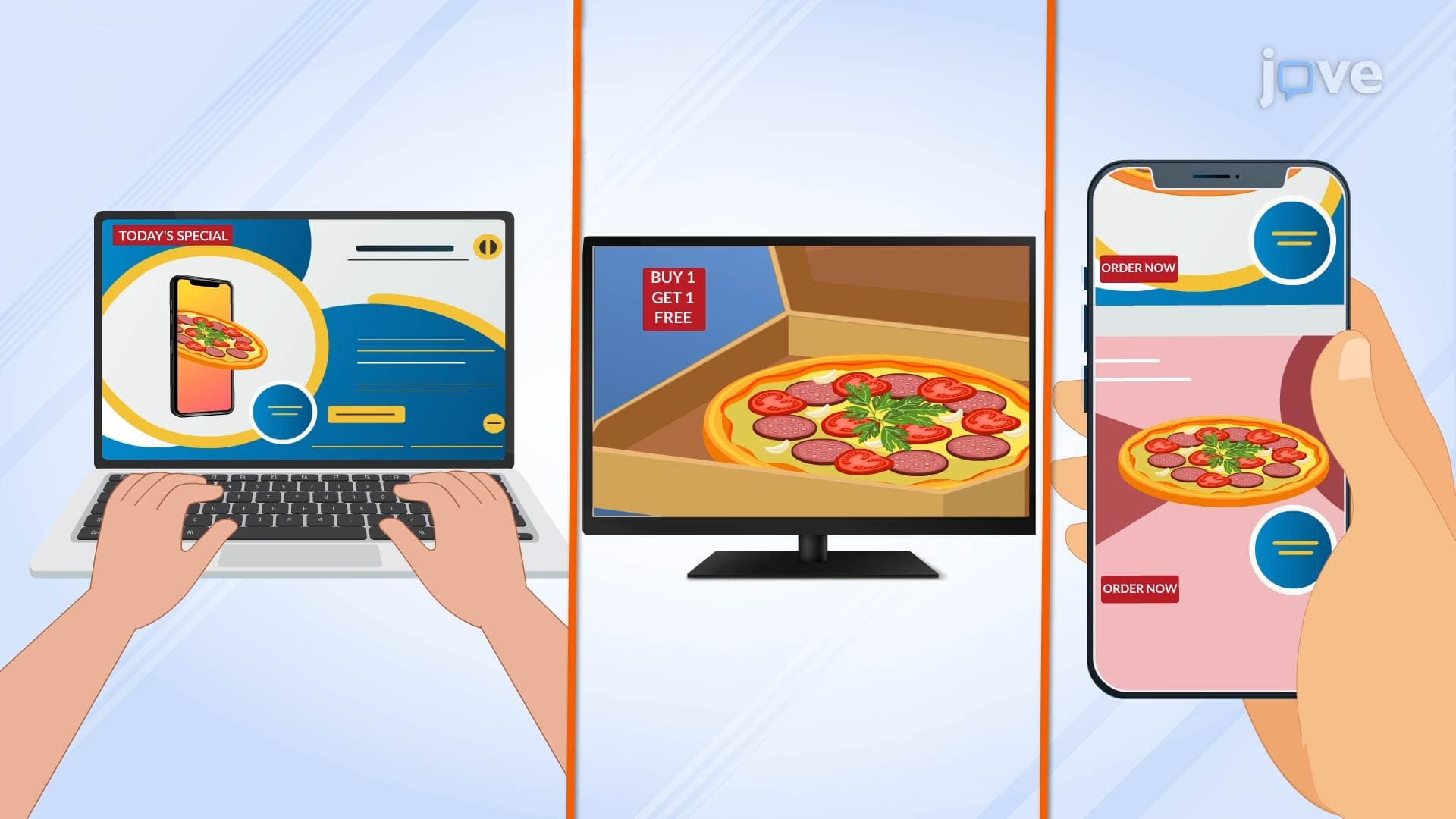
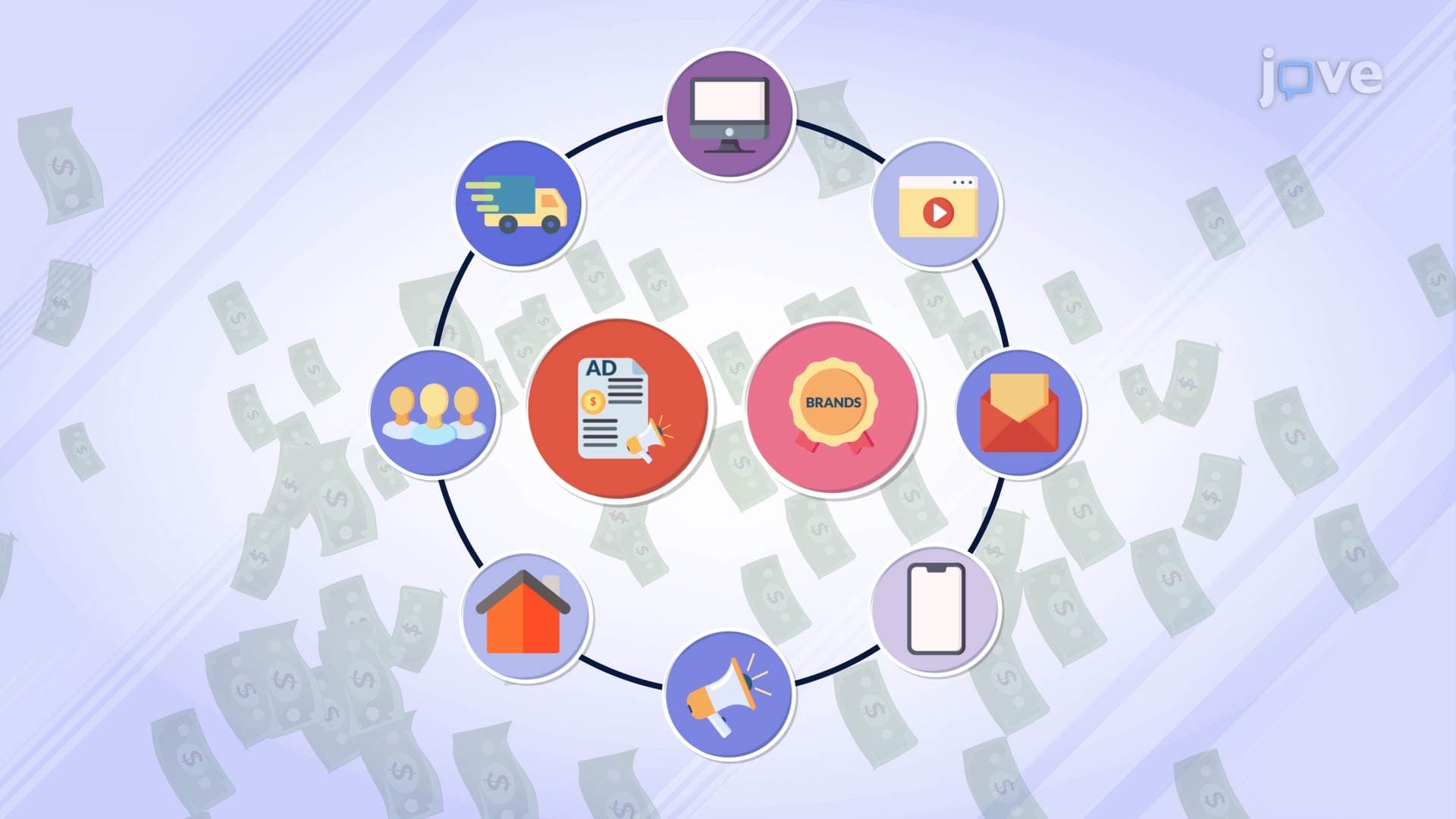
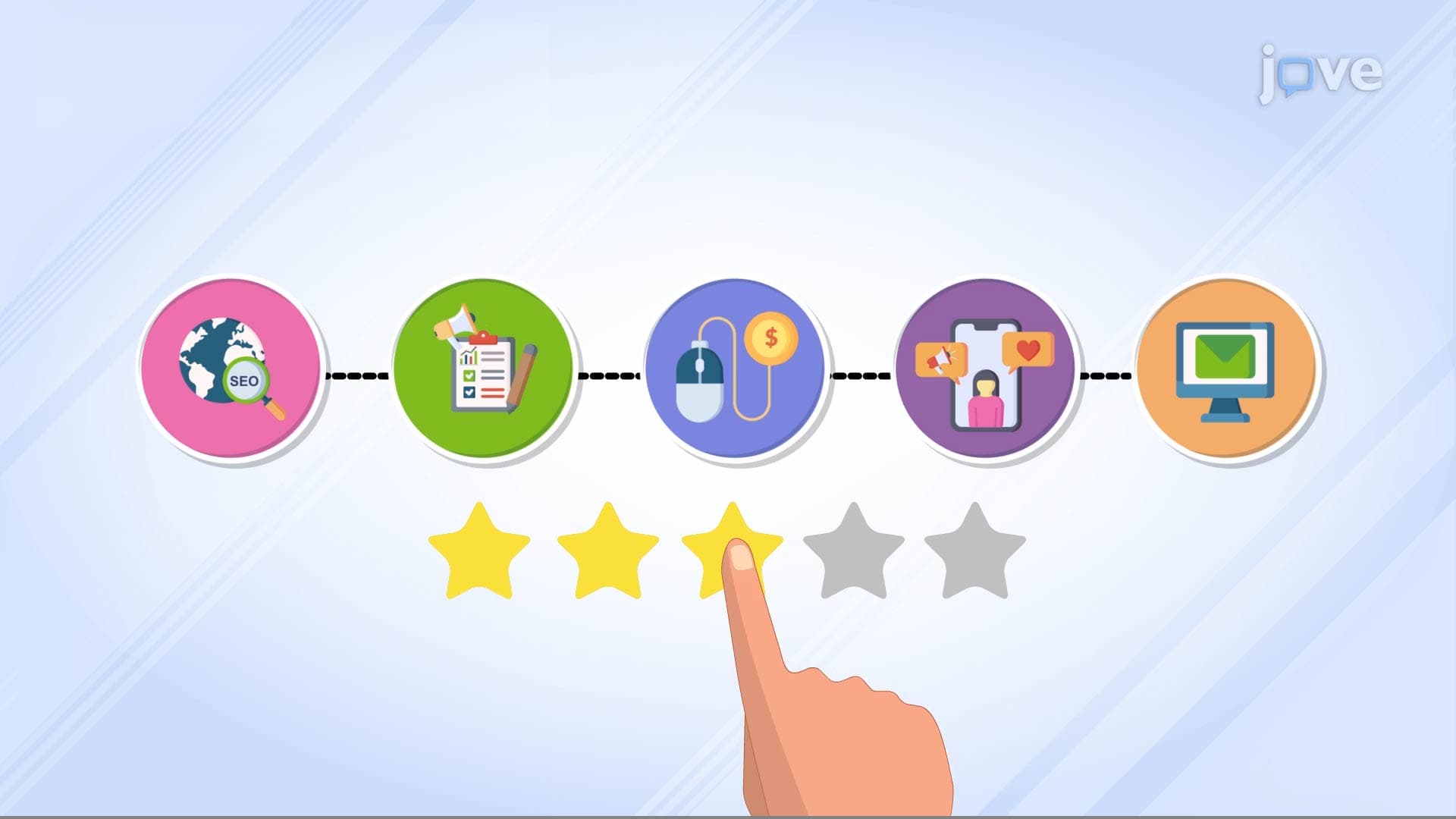
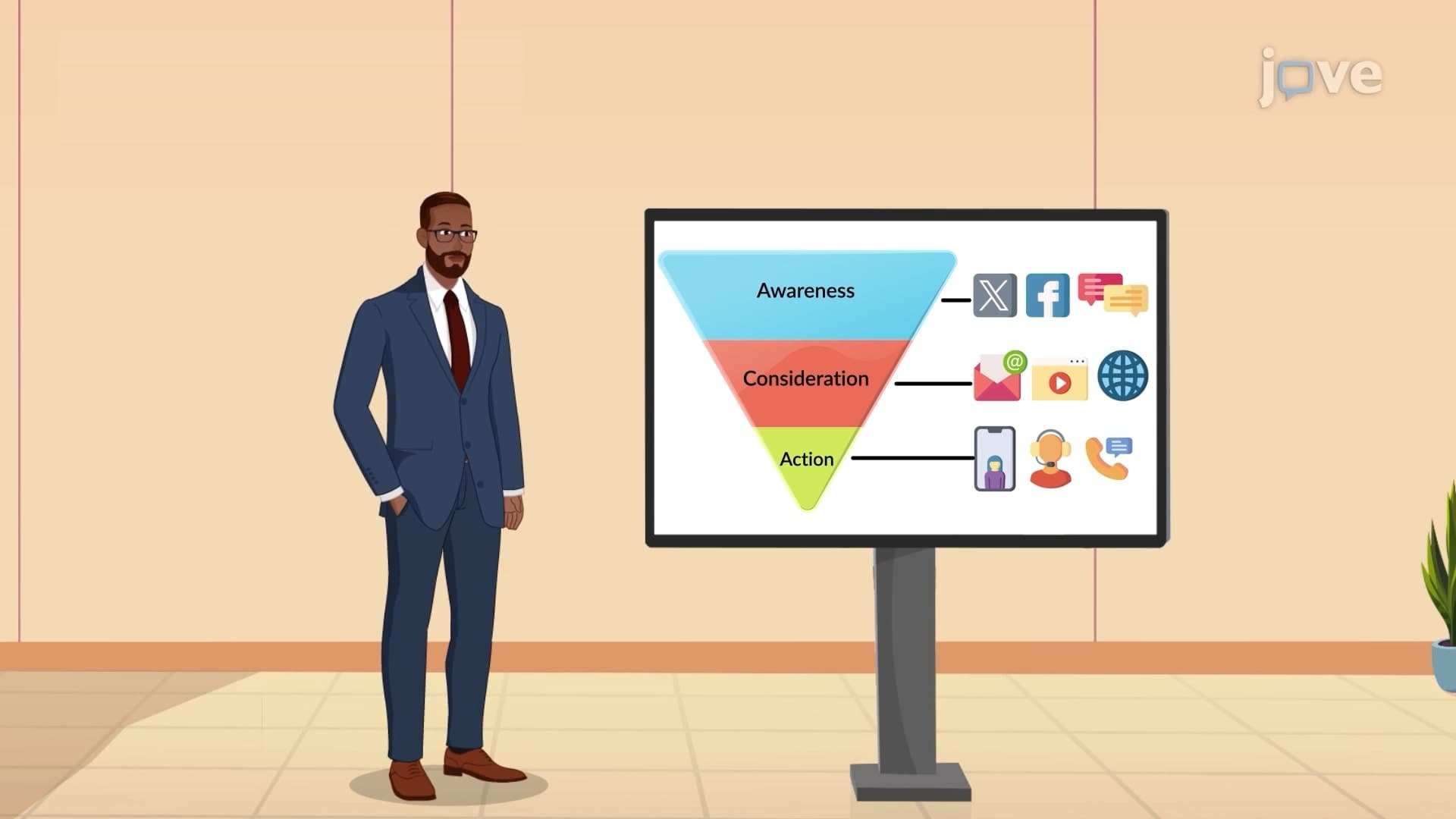
Online marketing overview encompasses multiple interconnected channels that work synergistically to drive business results. Unlike traditional advertising's one-way communication, digital marketing creates dynamic customer relationships through websites, social media platforms, email campaigns, and targeted banner advertisements. Companies like Target have mastered this integration, using data analytics to personalize customer experiences across all digital touchpoints, resulting in increased customer lifetime value and improved profit margins.
The online marketing concept explained centers on three core business advantages: scalability, measurability, and agility. Scalability allows companies to expand reach without proportional cost increases. Measurability provides real-time ROI tracking through sophisticated analytics platforms. Agility enables rapid campaign adjustments based on performance data-capabilities traditional marketing simply cannot match.
However, effective online marketing requires strategic risk assessment. Cybersecurity threats, data privacy regulations like CCPA, and intense digital competition demand robust governance frameworks. Companies must balance aggressive digital expansion with compliance requirements and brand protection strategies.
The competitive landscape has fundamentally shifted. Businesses relying solely on traditional marketing methods face declining market share as consumers increasingly research, compare, and purchase through digital channels. This online marketing study guide reality means that digital proficiency isn't optional-it's survival.
Successful online marketing implementation requires cross-functional collaboration between marketing, IT, legal, and finance teams. Leaders must establish clear KPIs, budget allocation frameworks, and performance monitoring systems. Companies like Microsoft demonstrate this approach, integrating online marketing metrics directly into quarterly business reviews and strategic planning processes.
Related Micro-courses