Loading subject page…


11,405 views


Video Summary: What Is Personal Selling I
In today's digital-first marketplace, personal selling remains a critical revenue driver for high-value transactions, with companies like Tesla and Mercedes-Benz relying heavily on face-to-face interactions to close complex deals. Personal selling involves direct, relationship-focused sales interactions where representatives understand customer needs and guide purchase decisions through personalized engagement. This approach proves essential when buyers need expert guidance on sophisticated products or services requiring significant investment. Watch the full video on JoVE Coach to master this concept with expert-led visuals and step-by-step explanations.
When Berkshire Hathaway's subsidiaries evaluate major capital equipment purchases, or when Goldman Sachs wealth managers guide high-net-worth clients through complex investment strategies, they rely on personal selling's unique ability to navigate sophisticated decision-making processes. This direct, relationship-centric approach transforms traditional transactional selling into strategic partnership building.
Personal selling operates on fundamentally different economics than digital marketing. While companies like Amazon excel with automated recommendation engines, businesses selling enterprise software, luxury goods, or professional services often find personal selling delivers superior customer lifetime value. The key lies in understanding when the higher cost per interaction-typically 10-20 times more expensive than digital touchpoints-generates proportionally higher revenue returns.
Consider IBM's approach to selling cloud infrastructure solutions. Rather than competing solely on price through online channels, their sales teams invest significant time understanding each client's specific technical requirements, compliance needs, and integration challenges. This investment in personal selling allows IBM to command premium pricing while building long-term client relationships that generate recurring revenue streams.
Personal selling proves most effective in three critical business scenarios: complex product ecosystems requiring expert guidance, high-consideration purchases where trust drives decisions, and customized solutions demanding collaborative development. Real estate firms like Coldwell Banker leverage personal selling because property purchases involve emotional and financial complexity that automated systems cannot adequately address.
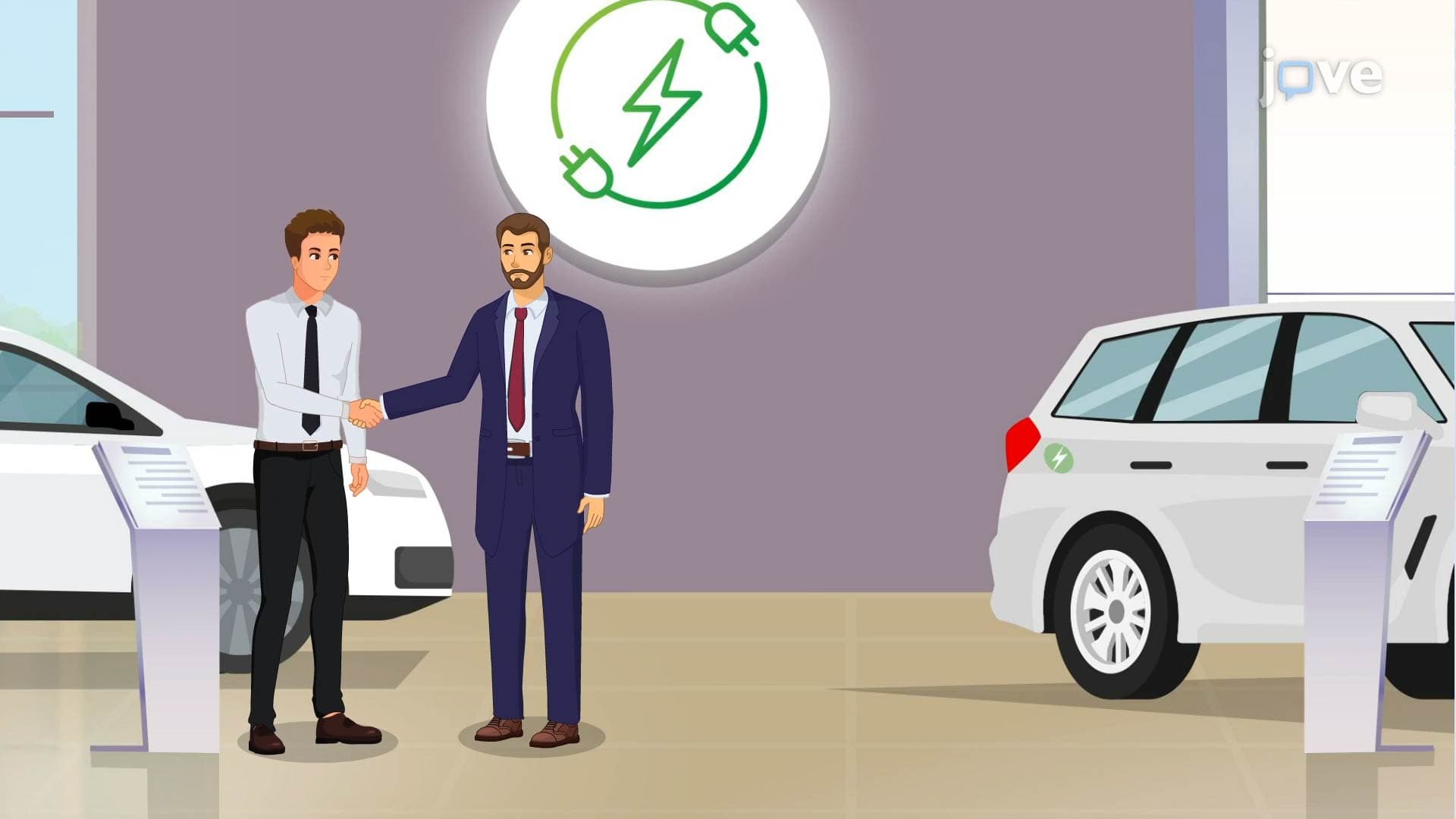
The automotive industry exemplifies personal selling's evolution. While Tesla initially disrupted traditional dealership models, they've increasingly invested in personal selling capabilities as their product line expanded into commercial vehicles and energy storage systems. Their sales specialists now provide technical consultations that help businesses evaluate total cost of ownership and integration requirements.
Smart organizations measure personal selling success beyond simple conversion metrics. Leading companies track relationship quality indicators, customer lifetime value progression, and referral generation rates. These metrics help justify the higher costs associated with personal selling while identifying opportunities for process optimization and territory management improvements.
Related Micro-courses