Loading subject page…


11,405 views

Video Summary: What Is Personal Selling Ii
Sales teams at companies like Tesla and Ford are discovering that personal selling remains their most powerful tool for converting prospects into customers, especially in high-consideration purchases. Personal selling involves a structured, relationship-based approach where sales professionals guide individual prospects through a customized buying journey. This "What is Personal Selling II?" framework demonstrates how elite sales teams build lasting customer relationships through strategic prospecting, tailored presentations, and systematic follow-up processes. Watch the full video on JoVE Coach to master this concept with expert-led visuals and step-by-step explanations.
When Salesforce consistently achieves industry-leading conversion rates, it's not through automated marketing alone-it's through sophisticated personal selling processes that their account executives execute with precision. Personal selling represents the direct, face-to-face communication between a sales professional and individual prospects, designed to influence purchasing decisions through customized relationship-building and problem-solving.
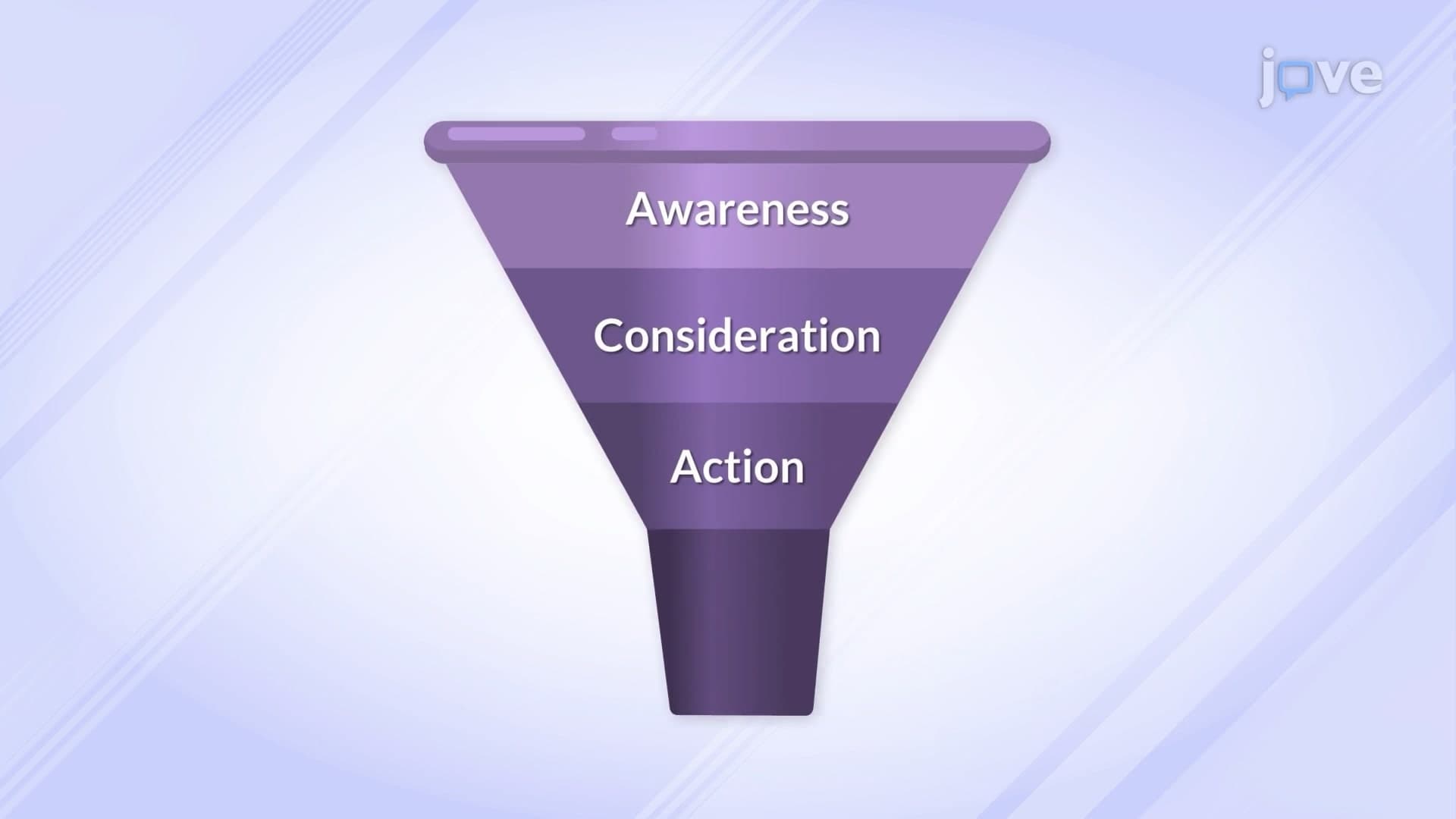
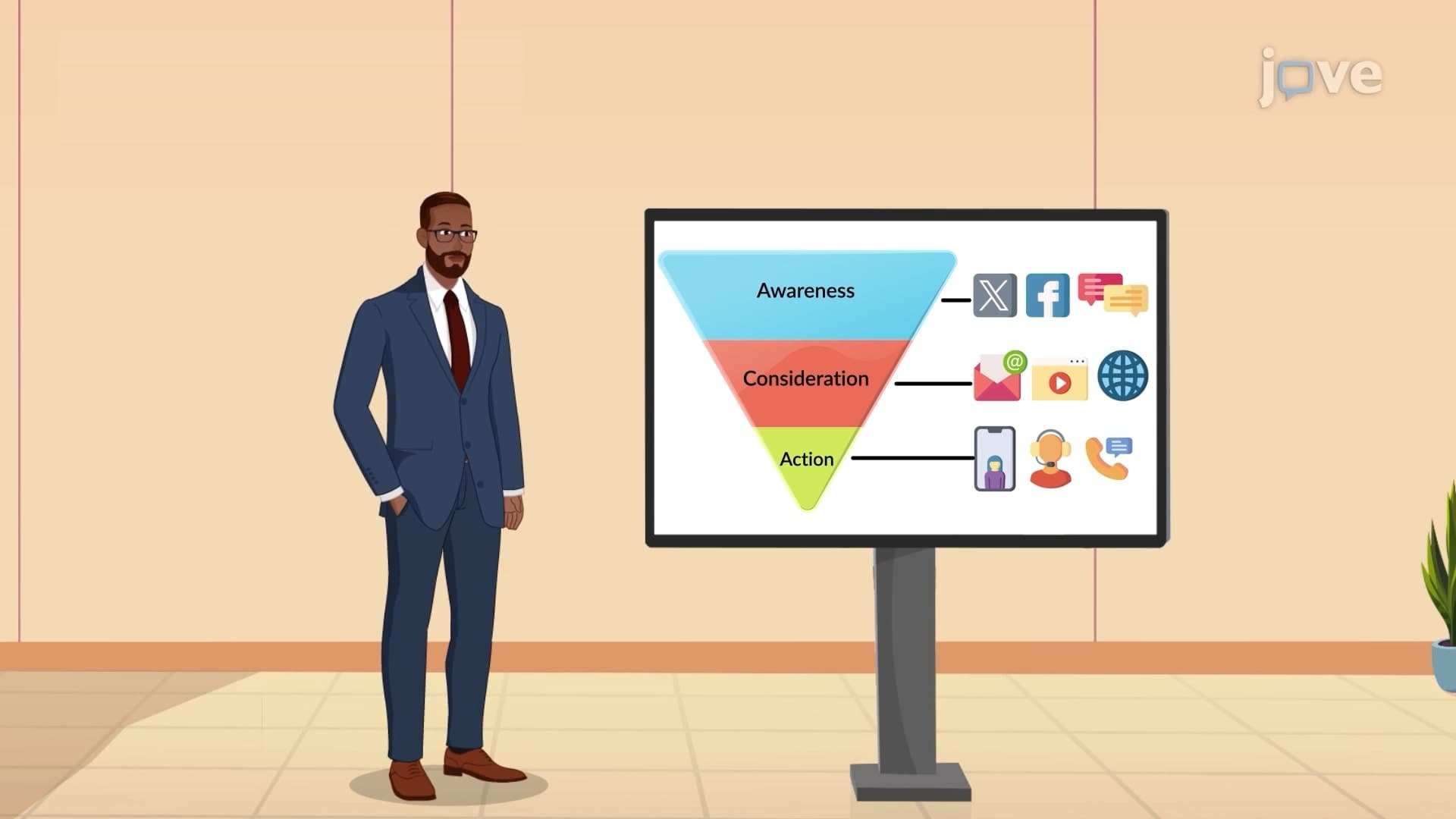
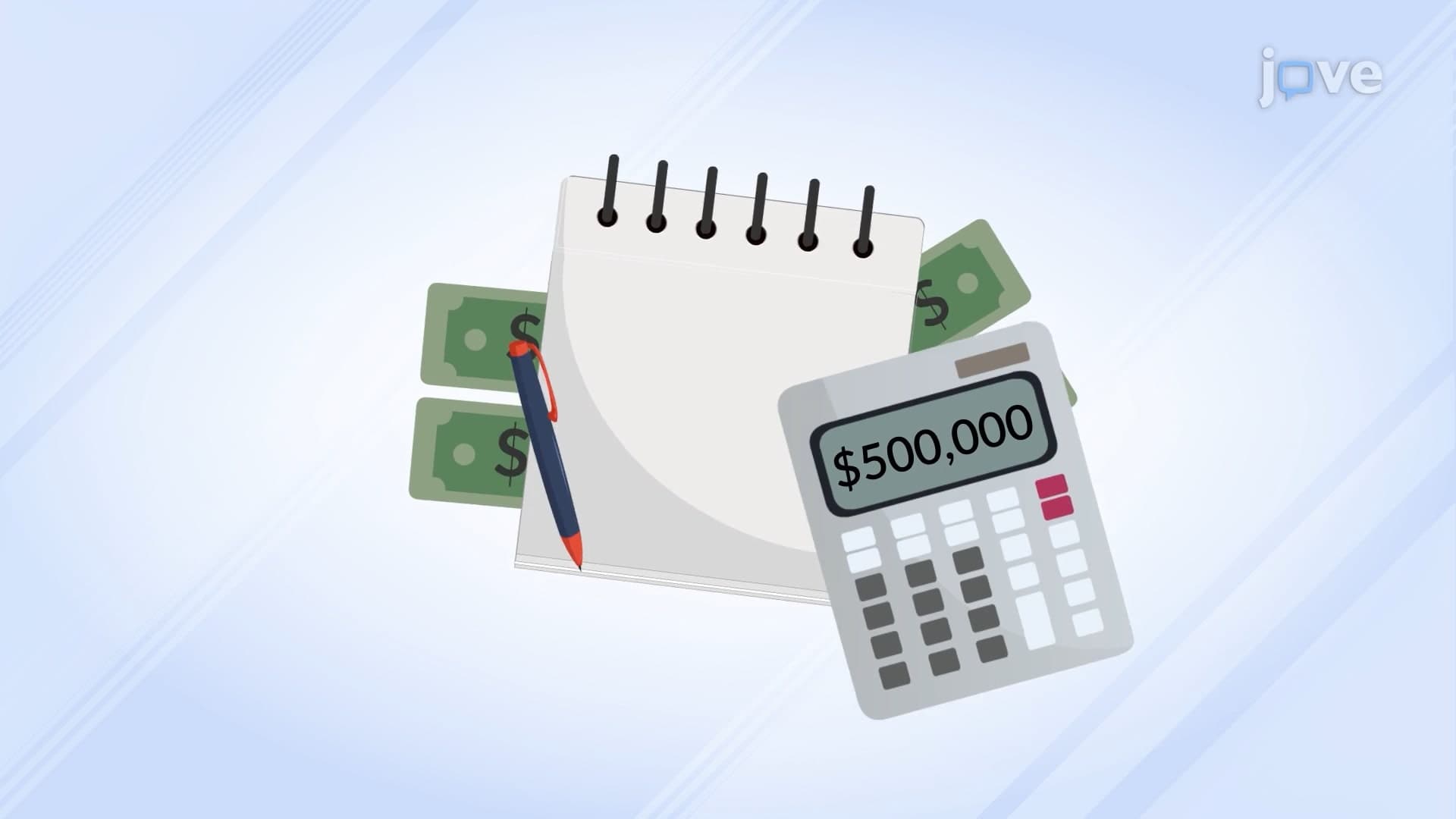
The personal selling process follows a systematic approach that transforms cold prospects into loyal customers. This methodology begins with prospecting and qualifying, where sales professionals identify decision-makers with genuine purchasing authority and budget allocation. Consider how enterprise software companies like Microsoft approach Fortune 500 accounts-their sales teams spend months researching organizational structures, technology pain points, and competitive landscapes before making initial contact.
The pre-approach phase involves deep intelligence gathering about prospect preferences, current solutions, and strategic initiatives. Top-performing sales organizations invest heavily in CRM systems and market intelligence tools to support this research phase, understanding that customization drives conversion rates significantly higher than generic pitches.
During the approach and presentation phases, elite sales professionals demonstrate consultative selling skills rather than product-focused pitches. They position their solutions as strategic investments that address specific business challenges. For instance, when IBM sells enterprise AI solutions to healthcare systems, their sales teams present ROI models tailored to each hospital's patient volume, operational efficiency goals, and regulatory compliance requirements.
Successful objection handling requires preparing for predictable concerns about pricing, implementation complexity, and competitive alternatives. Sales professionals who master this phase don't just respond to objections-they proactively address concerns within their initial presentations, demonstrating deep market knowledge and customer empathy.
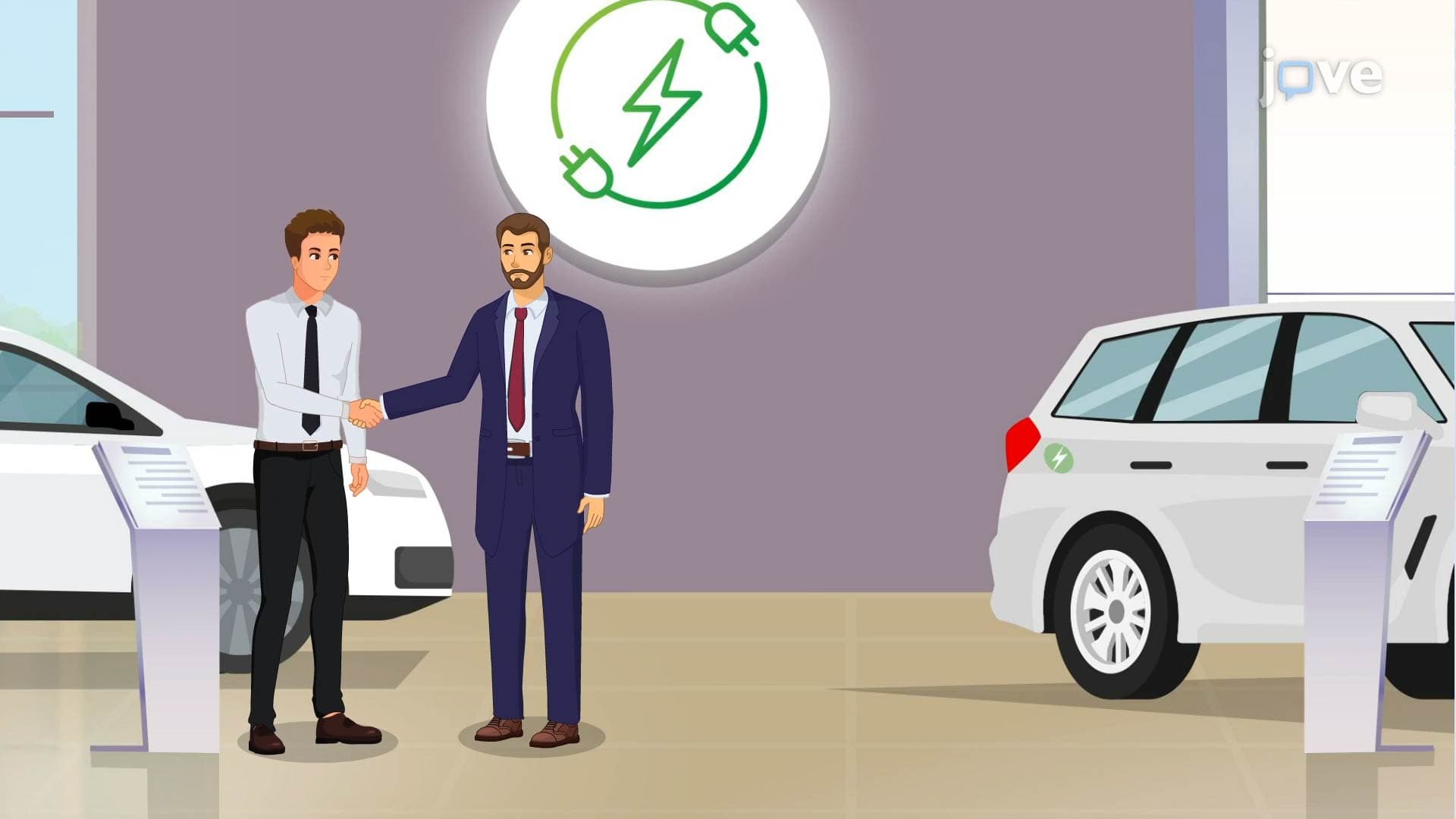
The closing phase involves presenting compelling calls-to-action supported by financing options, implementation timelines, and risk mitigation strategies. However, the follow-up stage often differentiates exceptional sales organizations from average performers. Companies like Oracle maintain dedicated customer success teams that ensure post-sale satisfaction, identify expansion opportunities, and generate referral business-understanding that customer lifetime value extends far beyond the initial transaction.
Related Micro-courses