Loading subject page…


11,405 views


Video Summary: What Is Planning a Campaign
Modern marketing executives report that 73% of campaign failures stem from inadequate planning and poor coordination across channels. Planning campaign strategies requires a systematic approach that aligns tactical execution with strategic business objectives, as demonstrated by Puma's "Forever Faster" campaign, which leveraged coordinated social media activities to drive measurable brand awareness and market share growth. What is Planning A Campaign becomes critical when marketing budgets average $11.2 million for Fortune 500 companies, making strategic coordination essential for ROI optimization. Watch the full video on JoVE Coach to master this concept with expert-led visuals and step-by-step explanations.
In today's competitive marketplace, marketing executives face mounting pressure to deliver measurable results from increasingly complex multi-channel initiatives. A Fortune 500 CMO recently noted that uncoordinated campaigns waste an average of 27% of marketing budgets-a costly oversight that planning campaign methodologies directly address through systematic strategic coordination.
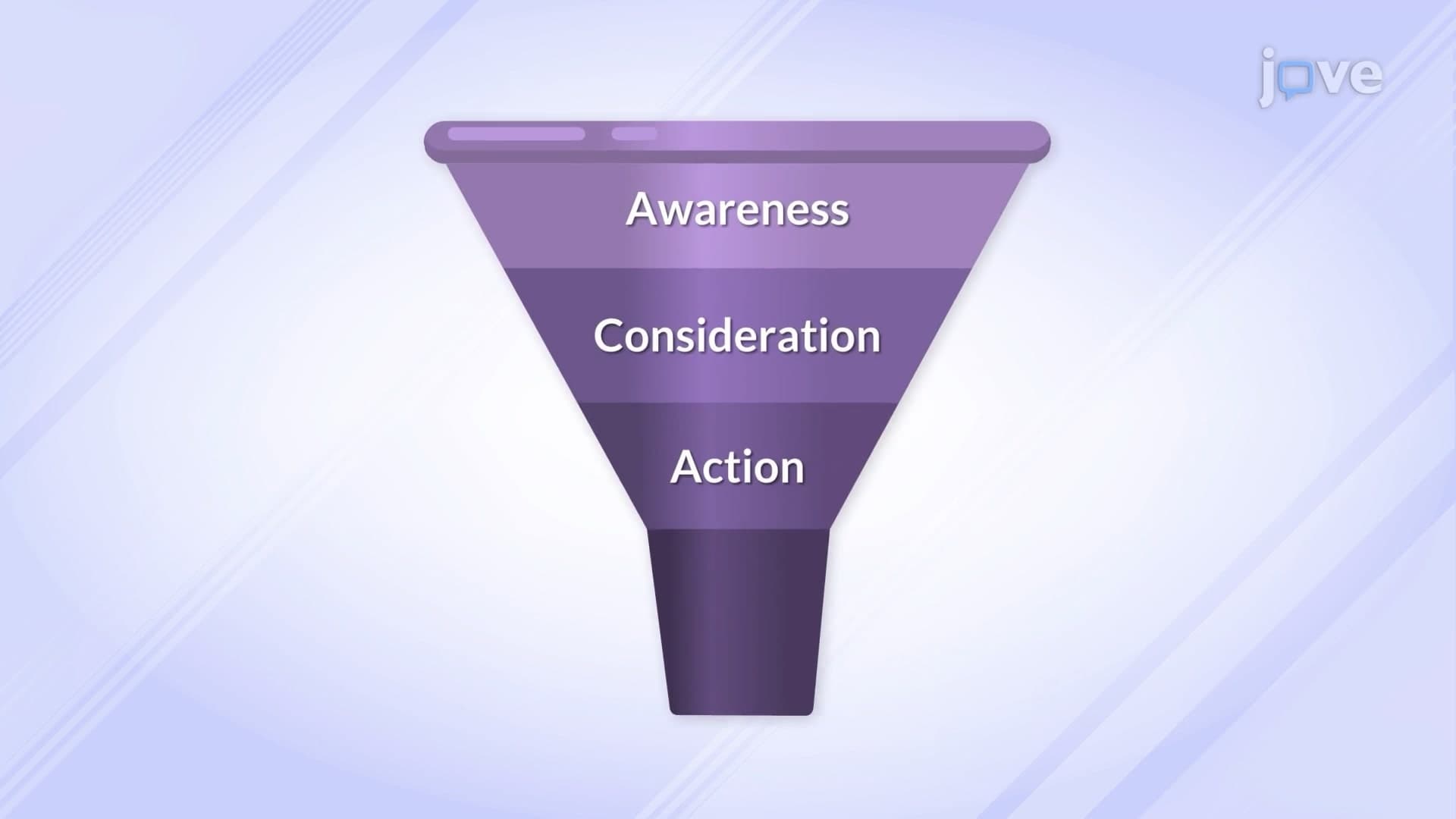
Professional campaign planning transcends simple task management, requiring sophisticated coordination of business objectives, market dynamics, and resource constraints. The framework begins with objective definition-whether driving brand awareness, product launches, or customer retention-each requiring distinct strategic approaches and success metrics.
Target audience analysis forms the foundation of effective campaigns, utilizing advanced demographic segmentation and psychographic profiling. Companies like Nike invest heavily in consumer behavior analytics, enabling precise targeting that drives their premium pricing strategy and market leadership position. This data-driven approach informs budget allocation decisions, where experienced marketing leaders balance aggressive growth investments against conservative ROI requirements.
Crafting compelling messages requires deep understanding of brand positioning within competitive landscapes. Successful campaigns like Apple's product launches demonstrate how consistent messaging across channels reinforces brand equity while driving immediate sales impact. The message must resonate with target segments while differentiating from competitor offerings-a balance requiring both creative insight and strategic analysis.
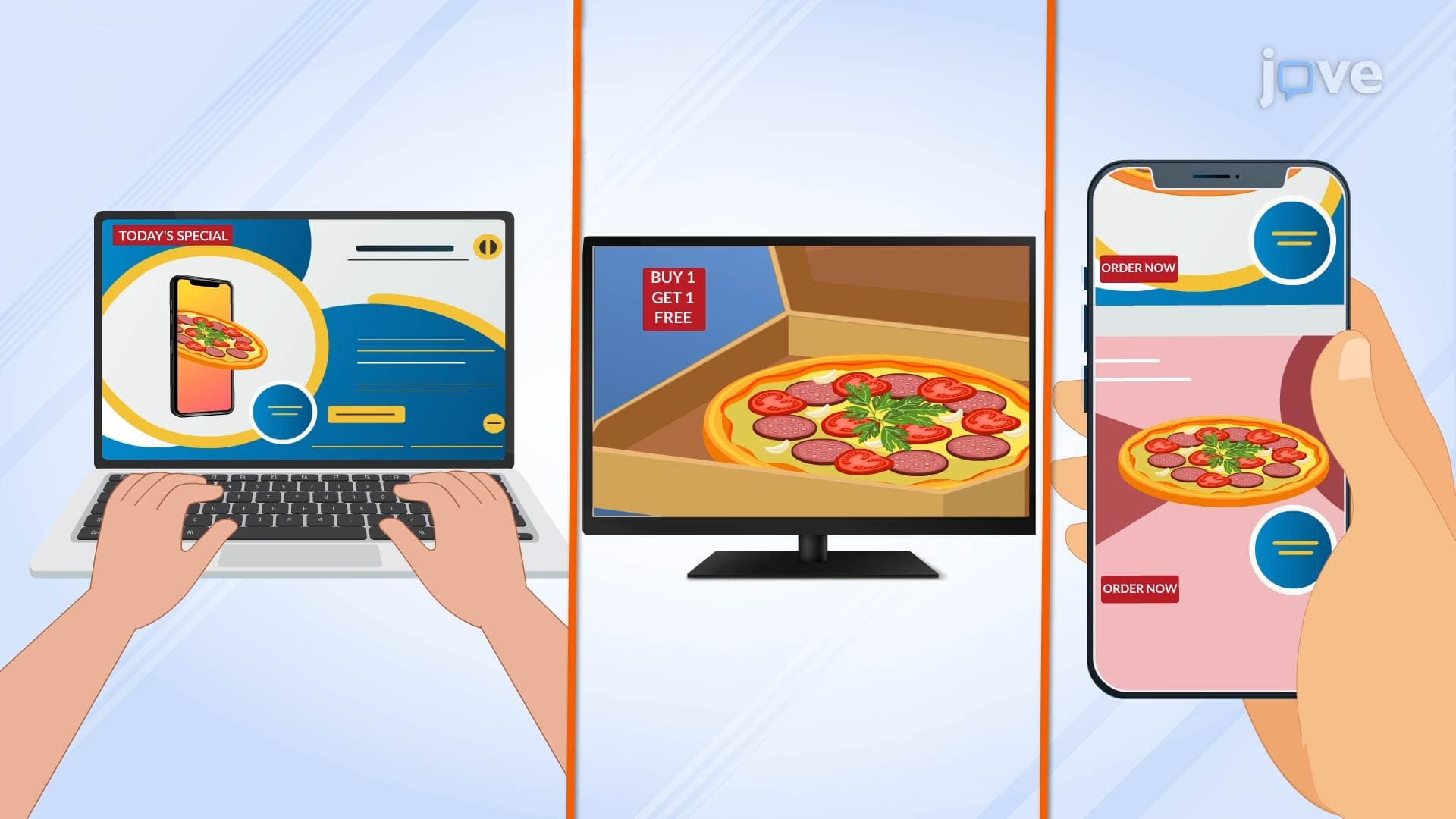
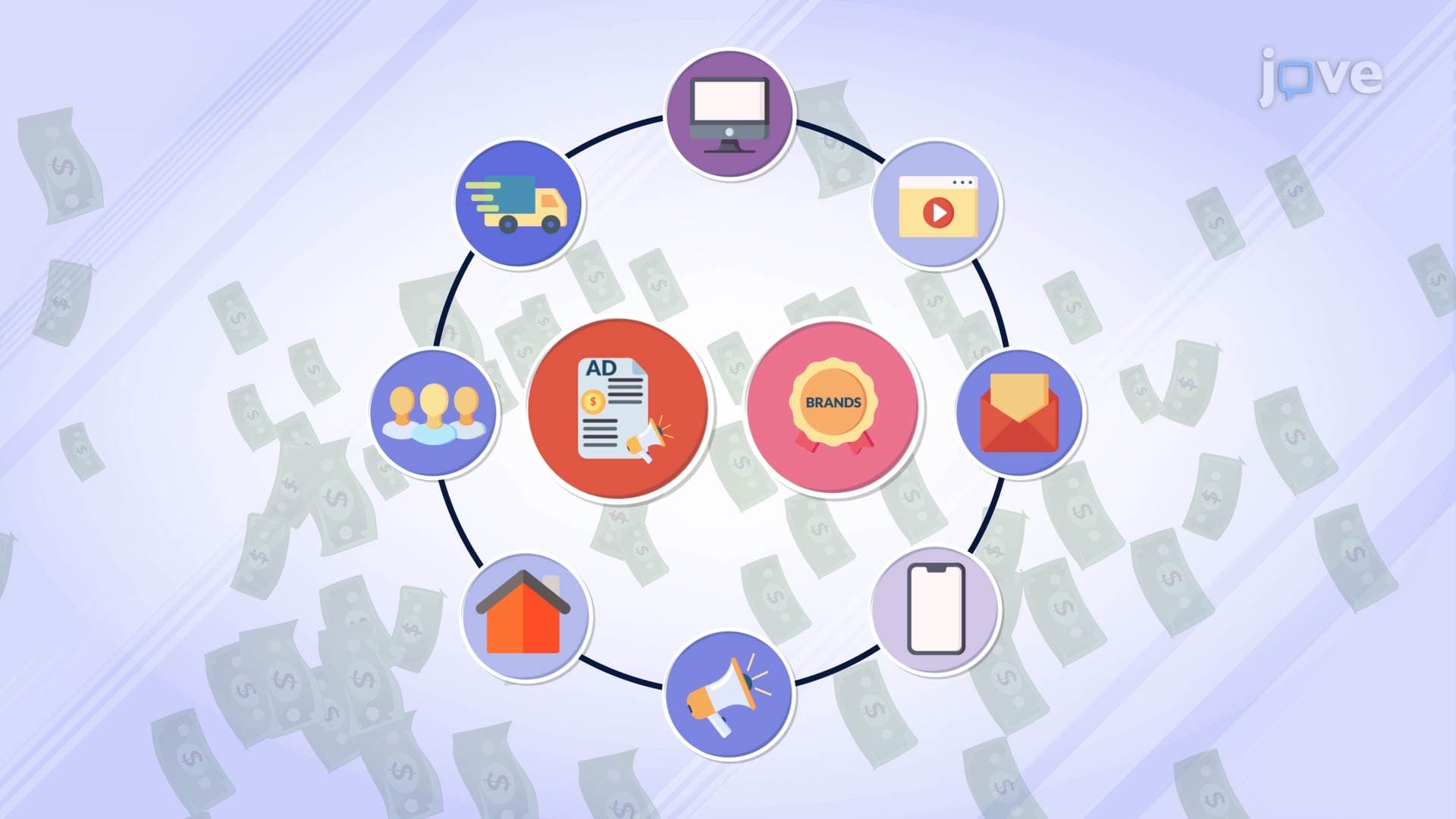
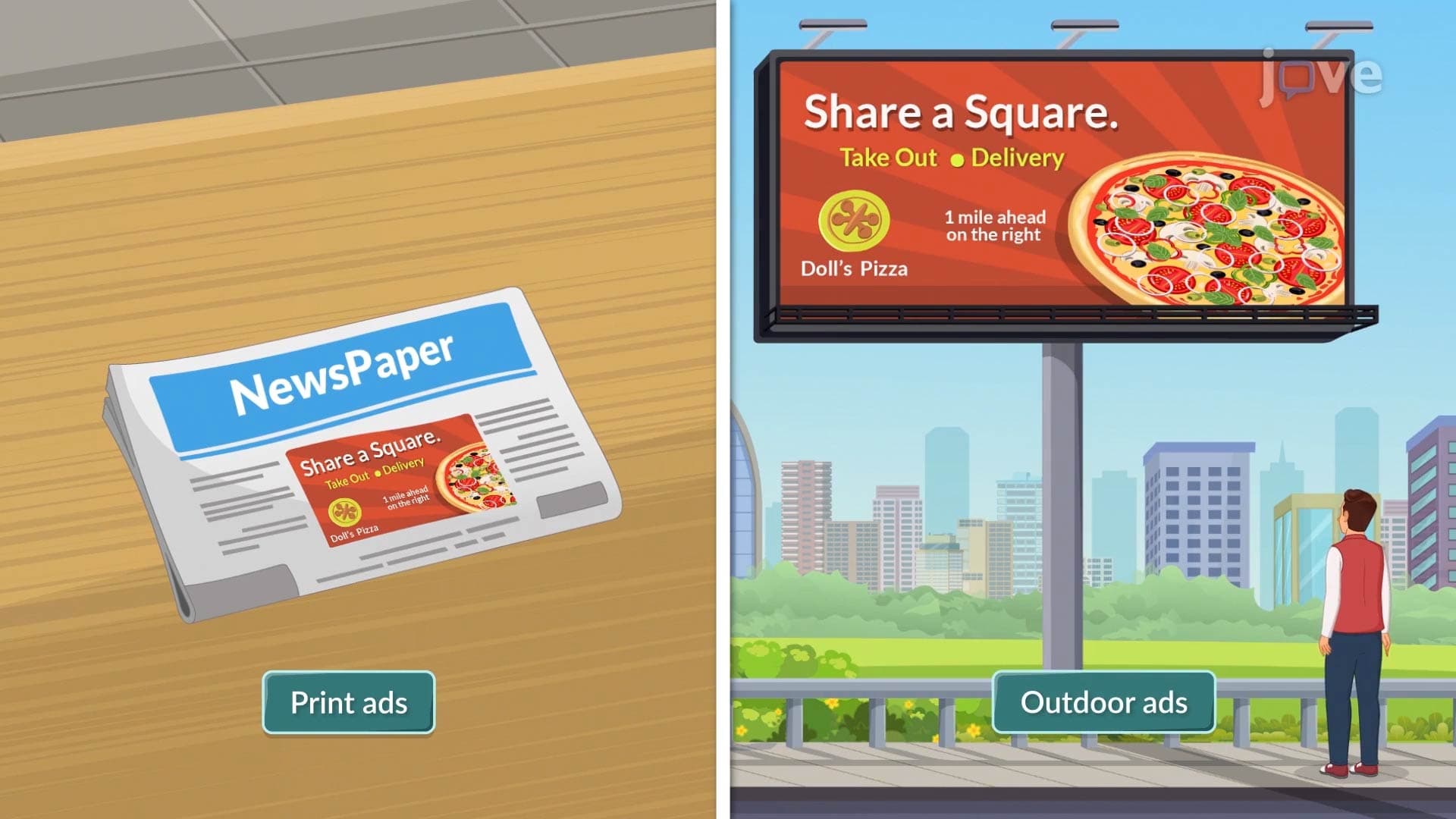
Channel selection demands thorough understanding of media consumption patterns and cost-per-acquisition metrics across platforms. Digital transformation has expanded options exponentially, yet traditional channels remain vital for certain demographics. Smart marketers leverage portfolio approaches, optimizing channel mix based on audience behavior and competitive positioning.
Campaign execution requires real-time monitoring capabilities and rapid response protocols. Leading companies establish command centers during major launches, enabling immediate tactical adjustments based on performance data. This agility often determines campaign success, particularly in dynamic markets where consumer sentiment shifts rapidly.
Performance evaluation extends beyond traditional metrics, incorporating brand sentiment analysis, customer lifetime value impact, and competitive market share effects. These comprehensive assessments inform future planning cycles and justify marketing investments to executive leadership and board members.
Related Micro-courses