Loading subject page…


11,405 views

Video Summary: What Is Sales Promotion I
With 73% of US retailers planning to increase promotional spending this year, understanding sales promotion strategy has become critical for driving revenue growth and market share. Sales promotion encompasses tactical short-term incentives that stimulate immediate purchase behavior, from Amazon's Prime Day flash sales to Target's seasonal clearance events. Modern business leaders leverage these tools to launch products, capture customer data, and outmaneuver competitors in saturated markets. Watch the full video on JoVE Coach to master this concept with expert-led visuals and step-by-step explanations.
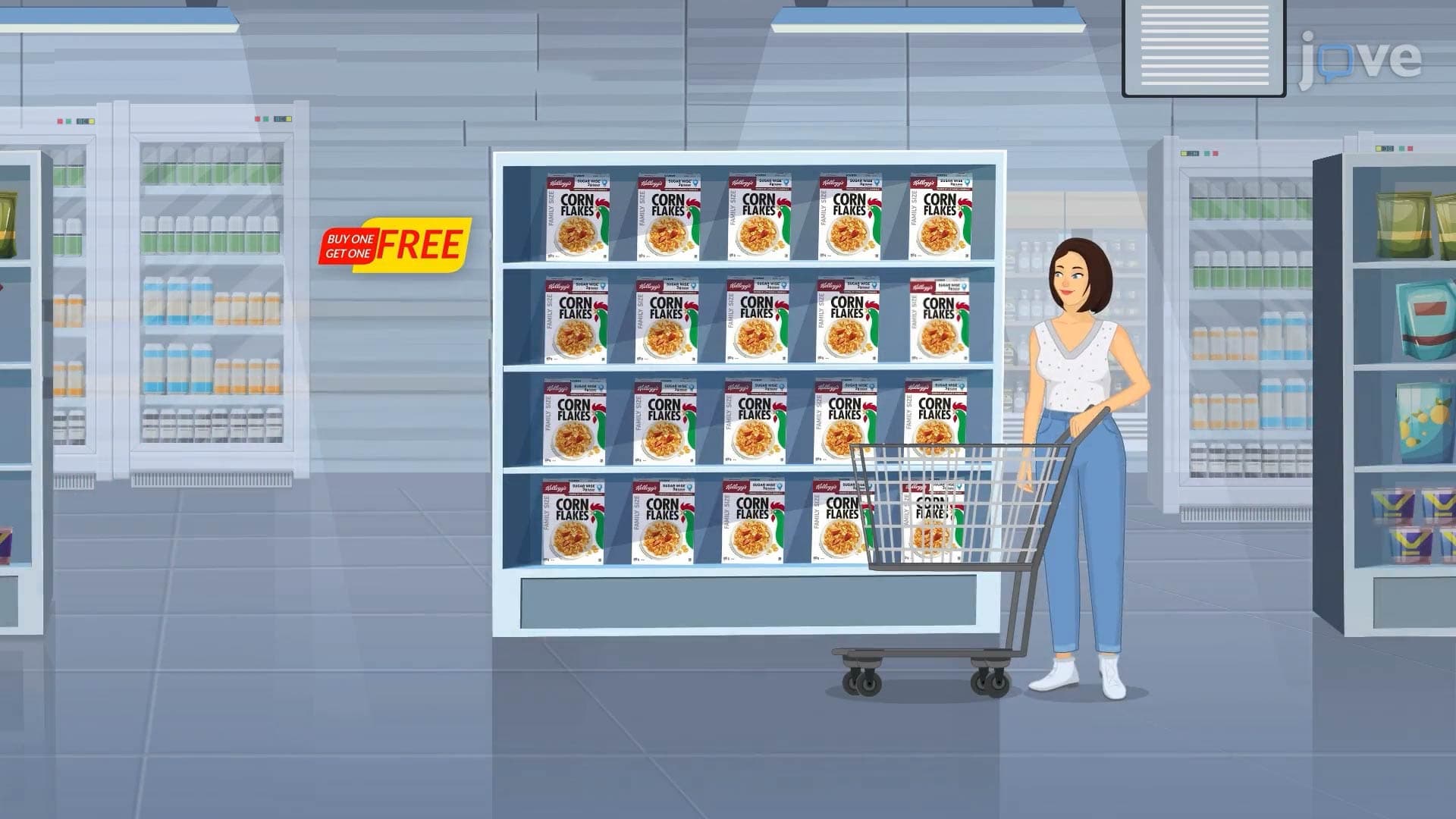
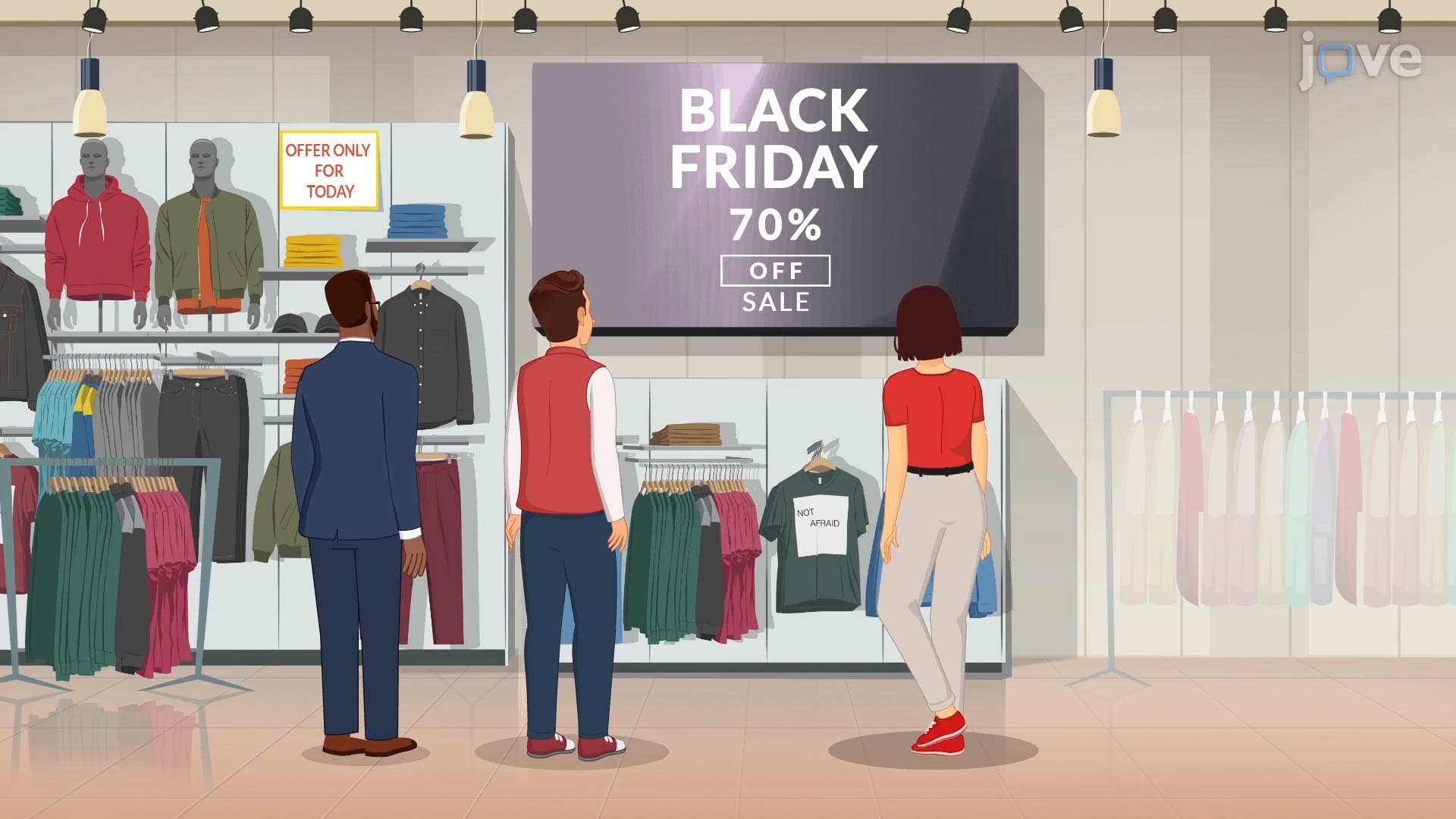
When Walmart executives plan their Black Friday strategy, they're deploying one of marketing's most powerful tactical weapons: sales promotion. This strategic approach goes far beyond simple discounting-it represents a sophisticated method for driving immediate behavioral change while achieving broader business objectives.
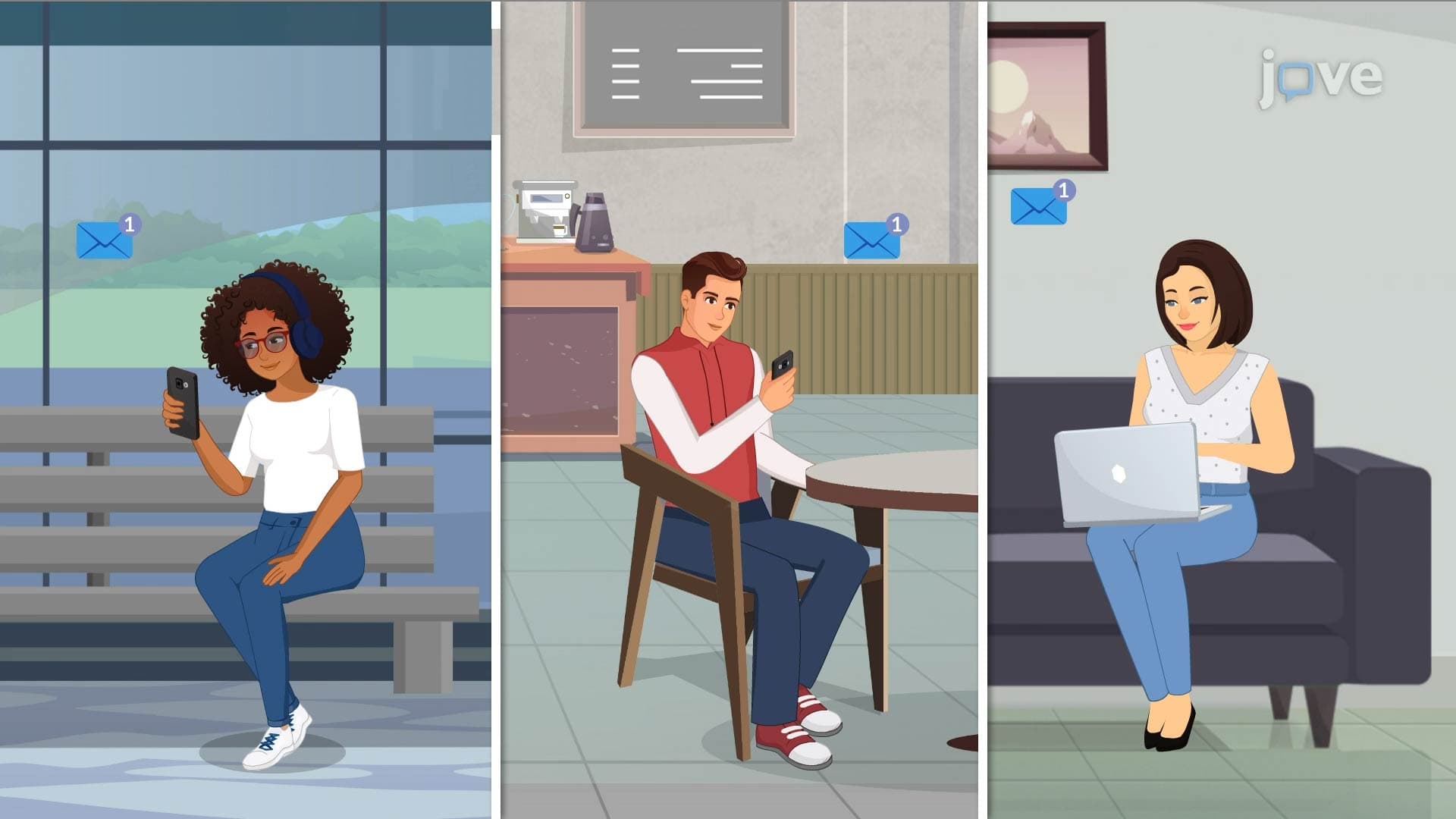
Sales promotion serves multiple strategic purposes in today's competitive landscape. Companies like Best Buy use promotional tactics not just to move inventory, but to capture customer email addresses, test new product categories, and gather competitive intelligence. During their annual back-to-school campaigns, they combine price incentives with exclusive access offers, creating a comprehensive customer acquisition strategy.
The financial implications are substantial. Home Depot's spring promotional campaigns typically generate 15-20% of their annual revenue, demonstrating how concentrated promotional periods can drive disproportionate business results. However, executives must balance this short-term revenue boost against potential long-term brand dilution-a critical strategic consideration.
Smart promotional strategy involves understanding competitor behavior and market timing. When Apple launches new iPhones, competitors like Samsung immediately deploy trade-in promotions and upgrade incentives to retain market share. This reactive promotional approach requires sophisticated planning and budget allocation decisions at the executive level.
Successful promotional campaigns require integrated planning across multiple business functions. Marketing teams design the customer-facing elements, while operations ensures inventory availability and fulfillment capacity. Finance teams model the P&L impact, considering not just immediate revenue but also customer acquisition costs and lifetime value calculations.
Companies like Starbucks have mastered this integration through their rewards program, which functions as an ongoing promotional platform. Their mobile app promotions drive both immediate sales and valuable customer behavior data, creating compound business value that extends far beyond traditional promotional ROI metrics.
Related Micro-courses