Loading subject page…


11,405 views

Video Summary: What Is Sales Promotion Ii
Sales promotion drives immediate customer action and revenue growth, making it a critical tool for quarterly performance targets. Leading retailers like Target leverage strategic sales promotion tactics-from limited-time discounts to exclusive member rewards-to boost market share and customer acquisition. Understanding What is Sales Promotion II enables professionals to design cost-effective campaigns that maximize ROI while building brand loyalty. The concept encompasses seven core promotional strategies, each with distinct cost structures and business applications. Watch the full video on JoVE Coach to master this concept with expert-led visuals and step-by-step explanations.
Modern businesses face intense pressure to drive immediate results while building long-term customer relationships. Sales promotion serves as the tactical bridge between brand awareness and purchase decisions, offering measurable ways to influence consumer behavior and accelerate revenue growth.
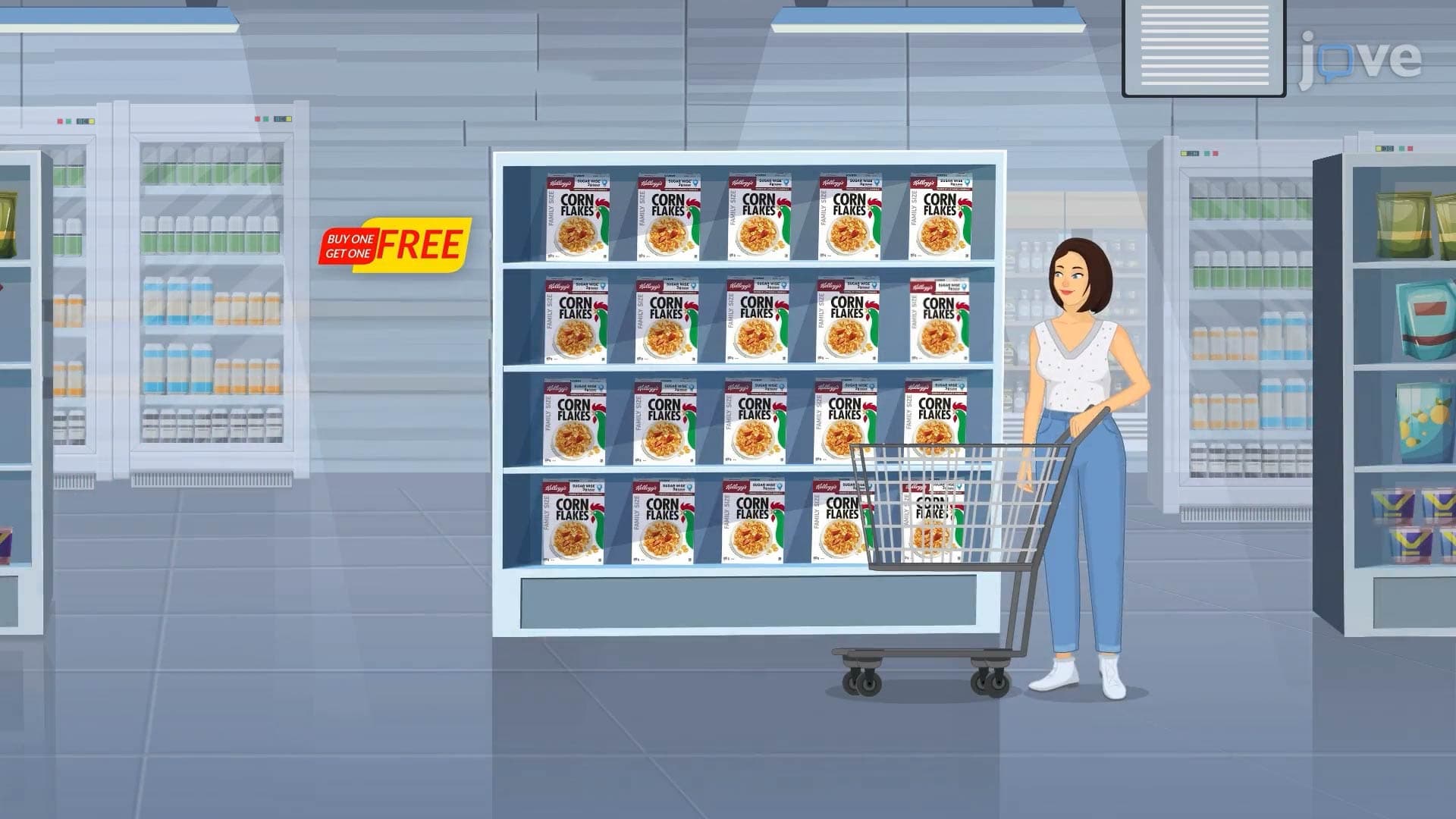
Discount-Based Promotions represent the most direct approach to driving immediate sales. Coupons provide controlled discounting that maintains perceived value while encouraging trial. Companies like General Mills have mastered this approach with targeted digital coupons that drive both online and in-store purchases. The key lies in strategic timing-deploying discounts during slow sales periods or to counter competitive threats.
Experience-Based Promotions reduce purchase risk through trial opportunities. Free samples and trial periods, exemplified by Netflix's free month offerings, allow customers to experience value before committing. This approach proves particularly effective for high-consideration purchases or new product launches where consumer uncertainty represents the primary barrier to adoption.
Value-Added Promotions enhance the core offering through premiums and loyalty programs. Starbucks Rewards demonstrates how points-based systems can increase purchase frequency while gathering valuable customer data. These programs require higher initial investment but generate superior long-term customer lifetime value through increased engagement and repeat purchases.
Promotional tactics fall into three cost categories that directly impact ROI calculations. Low-cost options like coupons and samples offer immediate deployment with minimal infrastructure requirements. Moderate-cost programs including premiums and loyalty systems require ongoing management but deliver sustained engagement. High-investment promotions such as contests and rebates demand careful planning but can generate significant brand awareness and customer acquisition.
Successful implementation requires clear measurement frameworks. Track immediate metrics like redemption rates and sales lift, while monitoring long-term indicators including customer retention and average order value. This data-driven approach ensures promotional spend delivers measurable business impact rather than simply discounting margins.
Related Micro-courses